Size
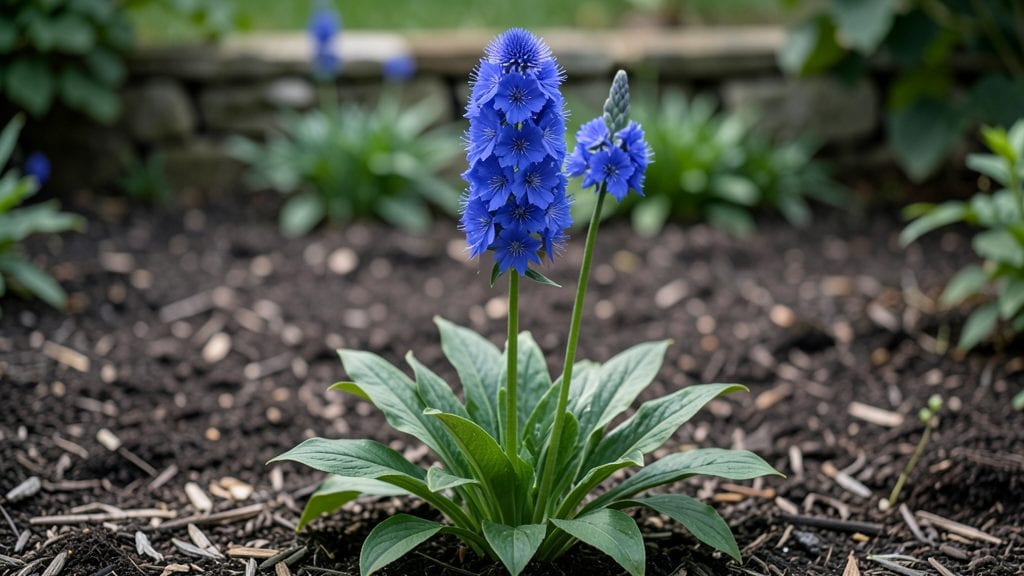
Tall garden plants turn small yards into dramatic landscapes without stealing your lawn. 🌿 I used to think big spaces were necessary for impact, but the right vertical plants—like bamboo, sunflowers, or arborvitae—create instant drama in tight spots.
They solve privacy issues, frame views, and even feed pollinators while keeping your footprint small. The key is choosing plants that match your light and soil conditions, then spacing them to avoid future crowding.
Fast-growing varieties like sunflowers or tall grasses give quick results, while evergreens like conifers or holly provide year-round structure. I pair mine with shorter perennials to create layers—think lavender or ornamental grasses at the base to soften the vertical lines.
Most tall plants need at least 6 feet of space to mature, but dwarf varieties can work in even tighter spots if pruned regularly. The payoff? A garden that feels lush and intentional, no matter how small the yard.
You’ll end up with a backyard that feels like a designed retreat, not just a patch of grass. Tall plants add height, texture, and seasonal interest—whether it’s the bold blooms of delphiniums in summer or the winter structure of ornamental grasses.
The best part? They reduce the need for fences or walls, saving both money and space. Start with just one or two statement plants to see how they transform your view.
Works for any yard size, from urban balconies to suburban backyards. The secret is balancing height with proportion—never let one plant dominate the scene. Here’s how to pick the perfect tall plants for your space and style.
📚 In This Guide
- What you need
- Instructions
- Tips and common mistakes
- Wrapping up and next steps
What you need
- ● Tall Garden Plants: 3–5 mature plants (e.g., sunflowers, hollyhocks, or ornamental grasses) per vertical structure
- ● Seedlings or small potted plants (check height at maturity—aim for 6+ feet)
- ● Vertical Support Structures: 1–2 trellises (wood, metal, or PVC; 6–8 feet tall)
- ● OR 1–2 obelisks or cages (for climbing plants like beans or morning glories)
- ● OR 1–2 tall stakes (4–6 feet) for single-stemmed plants
- ● Soil & Amendments: 5–10 gallons of high-quality potting mix or garden soil
- ● 1–2 cups of compost or organic fertilizer (e.g., worm castings or 10-10-10 blend)
- ● Tools: 1 hand trowel or small shovel
- ● 1 pair of pruning shears
- ● 1 watering can or hose with a gentle spray nozzle
- ● 1 measuring tape (for spacing plants 12–18 inches apart)
- ● Mulch (to retain moisture and suppress weeds)
- ● Slow-release fertilizer spikes (for nutrient boosts)
- ● Decorative pots or planters (if using containers)
- ● Plant ties or soft twine (to secure climbing plants to trellises)
- ● Drip irrigation system (for automated watering)
How to select and plant tall garden plants for vertical impact
Transform your small yard with these towering beauties—just follow my simple approach.
🌿 Step 1: Choose Plants That Fit Your Space and Climate
Start by measuring your vertical space. Tall plants like sunflowers, hollyhocks, or lamb's ear can reach 6-10 feet, so position them where they won’t block sunlight for shorter plants. Check your USDA hardiness zone—cool-climate plants like delphiniums thrive in zones 3-8, while tropical varieties like bird-of-paradise need zones 9-11. I always group plants with similar sunlight needs together to avoid competition.
Look for plants labeled as "vertical" or "upright" on seed packets. These grow straight up naturally, saving you the trouble of staking. If your space gets strong winds, opt for flexible stems like tall grasses or willow trees—they bend instead of snapping. Avoid heavy-headed plants (like some sunflowers) unless you’re prepared to stake them early.
🪴 Step 2: Prepare the Planting Area for Stability
Dig holes twice as wide as the root ball but only as deep as the container the plant came in. Loosen the soil at the bottom of the hole with your hands or a trowel—this helps roots spread outward instead of circling. For windy spots, mix in 1 part compost with the native soil to improve drainage and root strength.
If planting near a fence or wall, dig a trench 6 inches deep along the structure and fill it with gravel. This prevents roots from pressing against hard surfaces and gives them room to grow. For container-grown tall plants, remove them from pots and gently tease apart roots that have circled the container—this encourages outward growth.
☀️ Step 3: Plant with Support in Mind
Install support structures before planting. For single-stemmed plants like hollyhocks, drive a 5-foot bamboo stake into the hole before adding the plant. Tie stems loosely to the stake with soft plant ties (not wire) as they grow—tightening too soon restricts growth. For clumping plants like ornamental grasses, use a 3-foot wide trellis buried at a 45-degree angle to create a natural lean.
Place the plant in the hole so the top of the root ball sits 1 inch below soil level. This prevents stem rot from settling soil. Fill the hole with soil, pressing gently around the roots to remove air pockets. Water deeply until moisture reaches 6 inches down—you’ll see the soil surface darken when it’s saturated. Mulch with 2 inches of shredded bark to keep roots cool and retain moisture.
💧 Step 4: Water and Fertilize for Height
Water tall plants deeply 2-3 times per week during the first growing season. You’ll know you’ve watered enough when the soil 1 inch below the surface feels damp but not soggy. Overwatering causes weak stems that can’t support their own weight. Use a soaker hose or drip irrigation to deliver water at the base—this prevents fungal diseases that thrive in wet foliage.
Fertilize lightly with a balanced 10-10-10 formula at planting time, then again in early summer. Too much nitrogen makes stems soft and prone to snapping. I mix in 1 tablespoon of bone meal at the base for extra strength—it’s slow-release and won’t burn roots. Avoid fertilizing after mid-summer; new growth won’t have time to harden off before winter.
✂️ Step 5: Prune and Train for Maximum Vertical Growth
Remove any lower leaves that touch the ground to improve air circulation and prevent disease. For flowering plants like delphiniums, deadhead spent blooms every 2 weeks to redirect energy upward. I always prune with clean, sharp shears and disinfect them with rubbing alcohol between cuts—this stops the spread of bacterial infections.
If a plant starts leaning, gently tie it to its support in a gentle S-curve to encourage sturdy growth. For flexible plants like willow trees, weave stems through a trellis to create natural arches. Wait until late fall to cut back tall perennials—this gives them time to store energy for next year’s growth. Never remove more than one-third of the plant in a single pruning session.
Tips & tricks for perfect tall garden plant arrangements
Here's what I've learned after years of working with vertical gardens—these simple tricks make all the difference in creating sturdy, show-stopping displays.
Support Strategy: When installing your 5-foot bamboo stakes or 3-foot trellises in Step 3, drive them in at a 15-degree angle away from prevailing winds. This creates a natural lean that helps plants grow stronger against wind pressure. I've seen too many straight stakes snap under heavy rain—trust me on this! For extra stability in windy areas, use two stakes per plant and tie them together at the top.
Soil Mix Matters: In Step 2, if your native soil is heavy clay, mix in 2 parts compost to 1 part soil for better drainage. I've found that adding a handful of perlite to the planting hole helps prevent root rot, especially for tropical varieties like bird-of-paradise that need excellent drainage. This is particularly important when planting near walls where water can pool.
Watering Wisdom: The 2-3 times per week watering in Step 4 works best with a consistent schedule. I set my timer for the same time each morning to avoid overwatering. A simple trick: water in the early morning so foliage has time to dry before evening—this prevents fungal diseases that love damp leaves. For container-grown plants, water until you see moisture running from the drainage holes at the bottom.
Pruning Pro Tip: When deadheading delphiniums every 2 weeks in Step 5, cut back to just above a set of leaves with buds forming. I've noticed that plants deadheaded this way often produce a second flush of blooms later in the season. Always use clean shears and dip them in rubbing alcohol between cuts—this prevents spreading bacterial infections that can weaken stems and reduce vertical growth potential.
Pro Tips for Tall Garden Plants
- Here's what I've learned after years of working with vertical gardens—these simple tricks make all the difference in creating sturdy, show-stopping displays.
- Support Strategy: When installing your 5-foot bamboo stakes or 3-foot trellises in Step 3, drive them in at a 15-degree angle away from prevailing winds.
- Soil Mix Matters: In Step 2, if your native soil is heavy clay, mix in 2 parts compost to 1 part soil for better drainage.
Frequently asked questions
Got questions about maximizing vertical space with tall garden plants? Here are some of the most common concerns—and their answers—to help you plan like a pro!
Which tall plants thrive in small spaces without taking over?
Look for non-invasive varieties like Dwarf Fountain Grass, Lamb’s Ear, or Russian Sage. These stay compact while reaching heights of 3–6 feet. Avoid fast-spreading plants like mint or bamboo unless you’re using contained pots!
When is the best time to plant tall garden plants in my region?
Timing depends on your climate! In cool zones (USDA 3-7), plant perennials in early spring or fall (4–6 weeks before frost). For warm zones (8-11), aim for late winter to early spring (avoid peak summer heat). Always check seed packets for specifics!
How often should I water tall plants in a small garden?
Tall plants need deep, infrequent watering—about 1–1.5 inches per week, including rain. Use drip irrigation or soaker hoses to deliver water directly to roots. Mulch with shredded bark or straw to retain moisture and reduce evaporation.
Can I grow edible tall plants in a compact yard?
Try vertical veggies like pole beans (6–8 ft), Malabar spinach (10+ ft), or tall herbs like lemongrass (3–4 ft). Use trellises, cages, or even hanging pockets to save space. Just ensure they get 6+ hours of sun daily!
Why is my tall plant leaning or falling over?
Leaning often means poor support or overcrowding. Check for:
- Weak stems? Stake it early with bamboo or spiral supports.
- Too much shade? Move to sunnier spot (most tall plants need 4–6+ hours of light).
- Root-bound pots? Repot or prune roots if growing in containers.
Wrapping up and next steps
Transforming your compact yard into a lush, vertical paradise is easier than you think! Tall garden plants like sunflowers, bamboo, or hollyhocks don’t just save space—they add drama, privacy, and even wildlife appeal.
Whether you’re a beginner or a seasoned gardener, these vertical space maximizers let you grow big dreams in small spaces.
Ready to get started? Pick one or two plants that fit your climate and style, then grab your tools and dive in! Your future self—and your neighbors—will thank you for the stunning, space-smart upgrade. 🌿✨