
Companion Plants
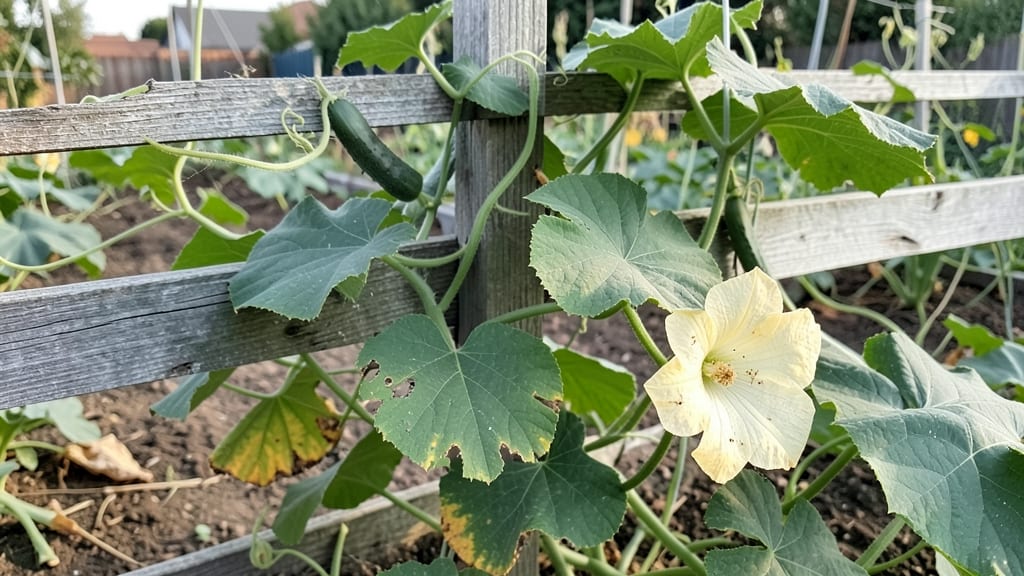
Nothing beats the taste of heirloom cucumber plants 🌱—crisp, sweet, and packed with character—straight from your garden. I’ve grown over a dozen varieties, and the secret to their success isn’t just soil or sunlight; it’s the right neighbors in the garden bed.
The best heirloom cucumbers thrive when paired with plants that repel pests, improve flavor, and even boost yields—no fancy tricks, just smart planting.
Start with the basics: rich, well-draining soil mixed with compost, and full sun for at least 6-8 hours daily. Space plants 2-3 feet apart if trellising (they’ll climb like vines) or 3-4 feet apart for bush varieties. My favorite companions?
Nasturtiums deter cucumber beetles, marigolds keep powdery mildew at bay, and beans fix nitrogen in the soil—all while cucumbers take center stage. The key is diversity in the bed, not just rows of the same plant.
By mid-summer, you’ll be harvesting cucumbers that taste nothing like store-bought—thick-skinned, seedless heirlooms like ‘Lemon Cucumber’ or ‘Straight Eight’ that stay crisp even when picked large.
Prune regularly to encourage airflow, water at the base (not the leaves) to prevent disease, and watch your plants climb their trellis like a jungle gym. The payoff? A bounty that lasts from July through frost, with zero chemical sprays needed.
This works for any garden size, from balcony containers (use dwarf varieties) to full sun patches. The only rule? Plant early in warm soil, keep weeds at bay, and let nature do the rest. Your neighbors will ask for cuttings—trust me, they’ll be jealous of that first sweet, vine-ripened bite.
📚 In This Guide
- What you need
- Instructions
- Tips and common mistakes
- Wrapping up and next steps
What you need
- ● Heirloom cucumber seeds or seedlings: Choose 3–5 varieties (e.g., 'Lemon Cucumber,' 'Straight Eight,' or 'Armenian'). Start with 5–10 seeds per variety for a bountiful harvest.
- ● Companion plants (critical!): Dill (1–2 plants per 3–4 cucumber plants)
- ● Nasturtiums (5–10 plants to deter pests)
- ● Marigolds (3–5 plants for pest control)
- ● Basil (1–2 plants per cucumber vine for flavor + pest deterrence)
- ● Growing containers or garden space: For containers: 5-gallon pots per plant (or larger for vining varieties)
- ● For in-ground: Full sun (6+ hours/day) and well-draining soil (pH 6.0–6.8).
- ● Compost or organic fertilizer: 1–2 cups per planting hole (or slow-release granules).
- ● Garden trowel or shovel (for planting)
- ● Watering can or hose with a gentle spray nozzle (cucumbers hate soggy roots!)
- ○ Trellis or stakes (optional but recommended): 4–6 ft tall for vining varieties (saves space + improves airflow).
- ● Mulch (straw or shredded leaves): 2–3 inches to retain moisture and suppress weeds.
- ○ Organic pest control (optional): Neem oil spray or diatomaceous earth for aphids/spider mites.
- ● Know your last frost date—plant seeds after soil reaches at least 60°F (or start indoors 3–4 weeks earlier).
- ● Check for pest history in your garden (companion plants help, but prevention is key!).
- ● Plan for space: Cucumbers spread! Leave 3–5 ft between plants (or 1–2 ft apart in containers).
Step-by-step guide to planting heirloom cucumber plants with pest-repelling companions
Here’s how to create a thriving, low-maintenance cucumber patch using nature’s built-in pest control.
🌱 Step 1: Choose and Prepare Planting Sites
Select a location with full sun exposure (6-8 hours daily) and well-draining soil. Heirloom cucumbers love warmth, so avoid areas where cold air settles—this is critical for germination and fruit production. I always test soil pH first; cucumbers thrive in 6.0-6.8 range. Amend heavy clay with the 3 gallons of compost to improve drainage and fertility.
Mark planting spots 12-18 inches apart in rows 3-4 feet apart to allow airflow and companion plants room to grow. If your garden bed is new, incorporate the 1 cup of bone meal at planting time for phosphorus—this boosts root development and early fruit set. Avoid planting cucumbers where melons or squash grew last year to prevent disease buildup.
🌿 Step 2: Plant Cucumbers with Strategic Companion Plants
Start by placing your 4 heirloom cucumber plants in the prepared holes, spacing them as marked. Then, interplant companions to maximize pest control and pollination. I tuck 2-3 basil plants between cucumbers—their strong scent deters cucumber beetles, and the flavor pairs beautifully in harvests. Add 1-2 marigold plants nearby; their bright blooms attract beneficial predatory wasps that hunt aphids and spider mites.
For vertical support, install the 2 trellis frames immediately after planting. Cucumbers grow aggressively, and training them upward saves space and reduces disease risk from soil-borne pathogens. Gently weave vines through the trellis as they emerge, securing with soft ties. This also keeps fruit off damp soil, preventing rot.
✂️ Step 3: Mulch and Water for Optimal Growth
Spread the 2 inches of straw mulch evenly around plants, leaving a 2-inch gap from stems to prevent rot. Mulch conserves moisture, suppresses weeds, and keeps soil temperatures stable—critical for heirloom varieties that need consistent warmth. Water deeply 1-2 times weekly, aiming for 1 inch of water per week, and always water at the base to avoid wetting leaves (this prevents powdery mildew).
Here’s the thing—cucumbers are heavy drinkers, but overwatering leads to blossom-end rot. I check soil moisture by sticking my finger 1 inch deep; if it’s dry, water. If moist, wait. Companion plants like marigolds and nasturtiums (add 1 nasturtium plant per 4 cucumbers) also help by attracting pests away from your main crop.
☀️ Step 4: Monitor and Maintain the Ecosystem
Inspect plants weekly for cucumber beetles, squash bugs, or aphids. If you spot early signs (chewed leaves, yellowing), blast plants with water to dislodge pests. The 1 cup of neem oil mixed with water (1 tbsp per gallon) is a natural deterrent—spray foliage in the evening to avoid harming bees. Prune any yellow or diseased leaves immediately to prevent spread.
As cucumbers vine upward, pinch off the first few flowers to encourage stronger vine growth. Once vines reach the top of the trellis, you’ll see a surge in fruit production. Harvest cucumbers when they’re 6-8 inches long for best flavor—this prevents overcrowding and disease. I always harvest in the morning when skins are cool and firm.
🪴 Step 5: Extend the Season with Companion Care
By mid-summer, companion plants may need attention. Thin basil if it crowds cucumbers, and deadhead marigolds to encourage more blooms. Add 1 cup of compost tea every 4-6 weeks to replenish nutrients—this keeps plants vigorous and resistant to pests. If nights cool below 55°F, cover plants with frost cloth to protect tender leaves and extend the harvest window.
This system works because companions like basil and marigolds create a dynamic ecosystem. They repel pests, attract pollinators, and improve soil health—meaning fewer chemicals and more flavorful cucumbers. With this setup, you’ll enjoy a pest-free, high-yield harvest for weeks.
Tips & tricks for perfect heirloom cucumber planting
A few strategic moves will transform your cucumber patch from good to exceptional—here's what I've learned after years of trial and error.
Soil Temperature Secret: Heirloom cucumbers need soil that's warmed to at least 60°F for proper germination. I always use a soil thermometer to verify—cold soil delays sprouting and weakens seedlings. If your spring nights linger below 55°F, consider using black plastic mulch 2 weeks before planting to warm the soil faster. This simple step can mean the difference between a thriving patch and one that struggles.
Companion Planting Precision: The spacing between your 4 heirloom cucumbers and companions matters more than you'd think. Place the 2-3 basil plants directly between cucumbers—this creates a natural barrier against cucumber beetles while allowing both plants to share nutrients. For the 1-2 marigolds, position them on the outer edges of your planting area where their pest-repelling properties can work most effectively without competing with cucumbers for sunlight.
Trellis Training Technique: Don't wait until vines are established to install your 2 trellis frames—set them up immediately after planting. The key is to gently weave the main vine through the trellis as it grows, rather than trying to force mature vines through later. I use soft plant ties made from old T-shirts (cut into strips) to secure vines without damaging them. This upward training isn't just about space—it dramatically reduces disease risk by keeping fruit off damp soil.
Watering Wisdom: The 1-2 times weekly watering guideline works best when you water deeply each time, aiming for that 1 inch per week. I've found that watering in the early morning gives plants time to dry before evening, which prevents powdery mildew. For the first 2 weeks after planting, I water more frequently—every 2-3 days—to help roots establish. The 2-inch gap around stems when applying mulch is crucial; it prevents rot while still maintaining moisture control.
Pro Tips for Heirloom Cucumber Plants
- A few strategic moves will transform your cucumber patch from good to exceptional—here's what I've learned after years of trial and error.
- Soil Temperature Secret: Heirloom cucumbers need soil that's warmed to at least 60°F for proper germination.
- Companion Planting Precision: The spacing between your 4 heirloom cucumbers and companions matters more than you'd think.
Frequently asked questions
Got questions about growing heirloom cucumber plants? You’re not alone! Here are answers to the most common queries to help you cultivate a thriving, pest-resistant garden with ease.
What’s the best time to plant heirloom cucumbers with companion plants?
For optimal growth, plant heirloom cucumbers after the last frost when soil temps hit 60°F (15°C). Pair them with companions like marigolds, nasturtiums, or beans—these thrive in warm soil too! Start seeds indoors 3–4 weeks earlier if your climate is cool.
Can I grow heirloom cucumbers in containers? What’s the ideal setup?
Choose large containers (5+ gallons) with drainage holes and a support trellis (cucumbers are vining!). Use lightweight potting mix and place in full sun (6+ hours/day). Companion picks for containers: basil, thyme, or radishes to deter pests naturally.
Why are my heirloom cucumbers getting yellow leaves? Is it pests or something else?
Yellow leaves often signal overwatering, nutrient deficiency, or pests. Check for aphids or cucumber beetles (companion plants like dill or borage can help repel them). Adjust watering—soil should stay consistently moist but not soggy. Add compost or a balanced fertilizer if leaves look pale.
Are there heirloom cucumber varieties that don’t need trellising?
Yes! Look for bush varieties like ‘Bush Champion’ or ‘Spacemaster’, which stay compact (3–4 ft tall). These are perfect for small gardens or containers. Pair them with low-growing companions like lettuce or strawberries to maximize space efficiently.
How do I save seeds from heirloom cucumbers for next year?
Let cucumbers fully ripen on the vine (turn yellow/brown), then scoop out seeds with pulp. Ferment the mix in a jar for 3–5 days, stir daily, then rinse seeds in a mesh strainer. Dry on paper towels for 1–2 weeks before storing in a cool, dark place. Pro tip: Label varieties—heirlooms can cross-pollinate!
Wrapping up and next steps
Growing heirloom cucumber plants alongside the right companion plants can transform your garden into a thriving, pest-free paradise! 🌱 From deterring pests with marigolds to boosting flavor with basil, these pairings make gardening easier—and more rewarding.
Whether you're a seasoned green thumb or just starting out, start small, experiment, and enjoy the harvest of fresh, delicious cucumbers all season long.
Ready to take the next step? Pick your favorite heirloom variety, sketch a simple garden layout, and plant your first companions today! Your future self—and your taste buds—will thank you. 😊