
Companion Plants
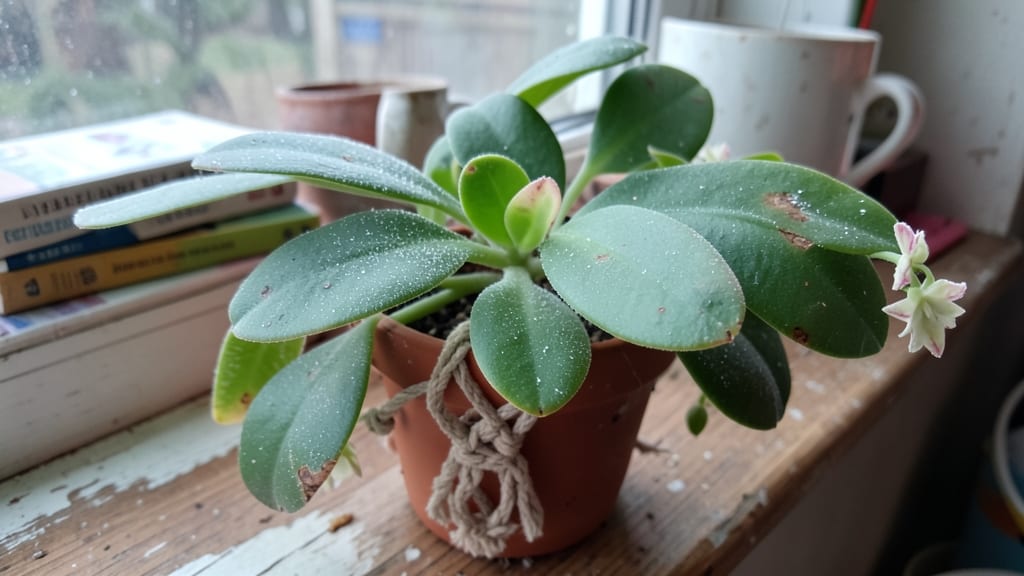
Winterizing hanging plants isn't about giving up—it's about choosing the right cold-hardy vines that turn frost into a chance to show off their resilience. 🌿 I learned this the hard way after my first winter killed off delicate ferns, but these tough varieties keep growing even when temps dip below freezing.
The key is selecting plants that naturally toughen up with cold exposure, like evergreen clematis or winter jasmine, which burst with color when others fade.
You don't need fancy equipment—just a few smart adjustments. Move containers closer to south-facing walls to catch winter sun, wrap them in frost cloth when nighttime temps drop below 25°F, and reduce watering to once a week (unless you're getting heavy snow).
These plants actually prefer drier conditions in winter, so overwatering is the real enemy. A simple pruning in early spring clears out dead growth and encourages fresh, vibrant new shoots.
By next summer, you'll have a lush, frost-tested display that outlasts anything from the nursery. The foliage stays dense, the blooms arrive earlier, and you'll spend less time babying plants through temperature swings.
Plus, these vines double as living privacy screens when trained along fences or trellises. The best part? They reward patience with years of low-maintenance beauty.
Works for balconies, patios, or rural yards—just swap out tender annuals for these perennials. Here's how to keep them thriving through the coldest months without breaking a sweat.
📚 In This Guide
- What you need
- Instructions
- Tips and common mistakes
- Wrapping up and next steps
What you need
- ● Cold-hardy hanging plants: 1-3 plants of Helleborus (Lenten Rose) or Vinca (Periwinkle) (zones 3-9)
- ● 1-2 plants of Ivy (Hedera helix) or Clematis (Clematis montana) (zones 4-9)
- ● 1 plant of Winter Jasmine (Jasminum nudiflorum) (zones 6-9)
- ● Hanging planters: 2-4 frost-resistant containers (10-12" diameter) with drainage holes
- ● Potting soil: 1 bag (1-2 cubic feet) of well-draining, peat-based or coconut coir mix
- ● Mulch: 1 bag of shredded bark or straw (for insulation)
- ● Slow-release fertilizer: 1 packet (10-10-10 NPK ratio) for winter feeding
- ● Gloves: 1 pair of gardening gloves (for protection from frost and thorns)
- ● Hand trowel: 1 small trowel (for planting and soil adjustments)
- ● Watering can: 1 with a narrow spout (for gentle hydration)
- ● Measuring tape: 1 (to ensure proper hanging height from 3-5 feet off the ground)
- ● Sturdy hooks or brackets: 2-4 (for secure wall/mounting attachment)
- ○ Optional: Frost cloth (lightweight, for extra protection in zones below 5)
- ● Decorative accents (e.g., solar lights or ribbons for a cozy touch)
- ● Plant supports (e.g., small trellises for climbing vines like clematis)
Step-by-Step guide for selecting and caring for cold-hardy hanging plants
Here's how to choose frost-tolerant vines that bring winter charm without requiring indoor moves.
🌿 Step 1: Choose the Right Cold-Hardy Varieties
Not all hanging plants handle frost well. I recommend starting with ivy (Hedera helix), which thrives in USDA zones 3-9 and keeps its glossy leaves through winter. Clematis (Clematis montana) is another excellent choice—it blooms in late winter and handles 10°F temperatures without issues. For year-round color, English holly (Ilex aquifolium) grows beautifully in hanging baskets and stays green even in light frosts.
Check your zone first—most cold-hardy vines tolerate down to 10-15°F when established. If you're in a colder zone, opt for winter jasmine (Jasminum nudiflorum), which blooms bright yellow flowers in early spring and survives 0°F once mature. Avoid tropical varieties like string of pearls or pothos—they'll crisp up in the first real freeze.
☀️ Step 2: Position Baskets for Winter Sunlight
Winter sunlight is weaker, so place baskets in the sheltered south or west side of your home or garage. A spot against a wall or under an overhang protects plants from drying winds while still giving them 4-6 hours of winter sun. I like to hang mine near a window where they catch indirect light during cloudy days.
If your area gets heavy snow, remove baskets before accumulation. A 3-4 inch snow load can snap lightweight wire baskets. Instead, position them under a covered porch or eave where snow slides off easily. Watch for leaf scorch—if edges turn brown in bright winter sun, move baskets slightly into shade for part of the day.
💧 Step 3: Adjust Watering for Frost Protection
Water deeply once every 10-14 days in winter, but only when the soil feels completely dry. Overwatering in cold weather leads to root rot, especially in clay pots. I test moisture by sticking my finger 1 inch into the soil—if it's bone dry, it's time to water. Use a watering can with a long spout to reach deep into the basket without disturbing the plant.
To prevent freeze damage, water baskets in the late afternoon so excess moisture has time to absorb before nighttime temperatures drop. If your area gets below 20°F, add a thin layer of mulch (like shredded bark) around the soil surface to insulate roots. This simple step keeps soil 5-10°F warmer than ambient air.
✂️ Step 4: Prune and Protect Before Freezes
Cut back dead or damaged foliage in early fall to encourage new growth. For clematis, I trim back one-third of the oldest stems to make room for fresh shoots. Remove any yellowing or moldy leaves—these can harbor pests that overwinter. After pruning, give baskets a light dusting of horticultural oil to deter spider mites, which thrive in dry winter air.
When temperatures drop below 25°F, wrap baskets in burlap or frost cloth for extra protection. Secure the covering with twist ties or clips—don't let it flap in the wind. For extreme cold snaps, move baskets to an unheated garage or shed where temps stay above 15°F. Never store them where temps fluctuate wildly, as this causes cellular damage in plant tissues.
🌱 Step 5: Fertilize Lightly in Early Spring
Wake up dormant plants with a balanced 10-10-10 fertilizer applied at half strength in late winter. This gives roots a gentle boost without encouraging tender new growth too early. I mix the fertilizer with water and apply it every 4-6 weeks through spring. Stop fertilizing by mid-summer to let plants harden off for winter.
Watch for new growth—this is your signal that roots are active again. If you see purple-tinged leaves, your plants need more phosphorus (the middle number in fertilizer ratios). For ivy and holly, a slow-release granular fertilizer works best. Avoid liquid fertilizers in winter—they can burn roots in cold soil.
Tips & tricks for cold-hardy hanging plants that survive winter
These practical tips will help you keep your frost-resistant vines thriving through even the coldest months—without the guesswork.
Variety Selection Matters: When choosing plants in Step 1, prioritize established specimens over young ones—they've already built up cold tolerance. For example, mature ivy handles 10°F with ease, while younger plants might need extra protection until their root systems develop. If you're in Zone 3 or colder, winter jasmine is your best bet for surviving 0°F temperatures. I always check the plant tag for "cold-hardy" labels to avoid disappointment.
Sunlight Strategy: In Step 2, don't be afraid to move baskets throughout the day if you notice leaf scorch. Morning sun on the south side paired with afternoon shade can create the perfect balance. For areas with heavy snow, I recommend using plastic-coated wire baskets—they're lighter than traditional ones and won't snap under a 3-4 inch snow load. Place them under eaves where snow slides off naturally rather than accumulating.
Watering Wisdom: The 10-14 day watering schedule in Step 3 works best when you check soil moisture properly. Instead of just looking at the surface, stick your finger 1 inch deepbelow 20°F, that mulch layer around the soil really makes a difference—it's like giving your plants a cozy blanket that keeps roots 5-10°F warmer than the air temperature.
Winter Protection Hacks: For the below 25°F protection in Step 4, I've found that frost cloth works better than burlap because it lets some light through while still blocking wind. Secure it tightly with twist ties—flapping fabric can actually cause more damage than the cold. For extreme cold snaps, consider moving baskets to an unheated garage where temps stay above 15°F. Just avoid spaces with heating vents or drafty doors that cause temperature swings.
Pro Tips for Hanging Plants Winter
- These practical tips will help you keep your frost-resistant vines thriving through even the coldest months—without the guesswork.
- Variety Selection Matters: When choosing plants in Step 1, prioritize established specimens over young ones—they've already built up cold tolerance.
- Sunlight Strategy: In Step 2, don't be afraid to move baskets throughout the day if you notice leaf scorch.
Frequently asked questions
Got questions about keeping your hanging plants happy during winter? You’re not alone!
Here are some of the most common concerns—and their solutions—so you can enjoy lush, frost-resistant vines all season long.
Can hanging plants survive winter frost?
Many cold-hardy vines like Clematis, Ivy, or Virginia Creeper thrive in frost as long as they’re planted in well-draining soil and protected from harsh winds. Choose varieties labeled "hardy to Zone 4 or lower" for the best results. Just avoid heavy snow buildup—shake it off gently to prevent damage!
When should I trim back my hanging plants for winter?
Timing matters! Trim back leggy or dead growth in late fall (after the first frost) to encourage new growth in spring. For evergreens like English Ivy, a light prune keeps them tidy, while deciduous vines (like Wisteria) can wait until early spring. Pro tip: Use sharp shears and sterilize them with rubbing alcohol to prevent disease.
Do I need to bring potted hanging plants indoors for winter?
Not always! If your potted vines are in cold-hardy varieties (like Winter Jasmine or Climbing Hydrangea), they can stay outside in a sheltered spot, wrapped in burlap or frost cloth. However, tender plants (e.g., Bougainvillea) must move indoors before temps drop below 20°F. Use grow lights if natural light is scarce!
Why are my hanging plants turning brown in winter?
Brown leaves often signal freeze damage, overwatering, or winter burn (from sun exposure on dry soil). First, check the roots—soggy soil in cold weather is a red flag. For evergreens, a light layer of mulch or straw helps insulate roots. If the damage is severe, prune affected areas in early spring. Fun fact: Some browning is normal—new growth will emerge once temps rise!
What are the best alternatives to traditional hanging plants for winter?
If you love texture and color but want low-maintenance options, try:
- Winter Jasmine (Jasminum nudiflorum): Bright yellow blooms in late winter!
- Climbing Hydrangea (Hydrangea petiolaris): Lush foliage and hardy to Zone 4.
- Coralberry (Symphoricarpos orbiculatus): Drought-tolerant with pink berries.
Wrapping up and next steps
Winter doesn’t have to mean the end of your hanging garden’s charm! 🌿 With the right cold-hardy vines, you can keep your outdoor spaces lush and vibrant even in frost.
These resilient plants not only survive but thrive in cooler temperatures, proving that beauty and hardiness go hand in hand.
Now that you’re equipped with the best options and care tips, it’s time to get growing. Start by selecting your favorite frost-resistant vines, gather your supplies, and give your hanging plants the love they deserve.
Watch as your outdoor space transforms into a cozy, green haven—no matter the season! 🌟