
Trees
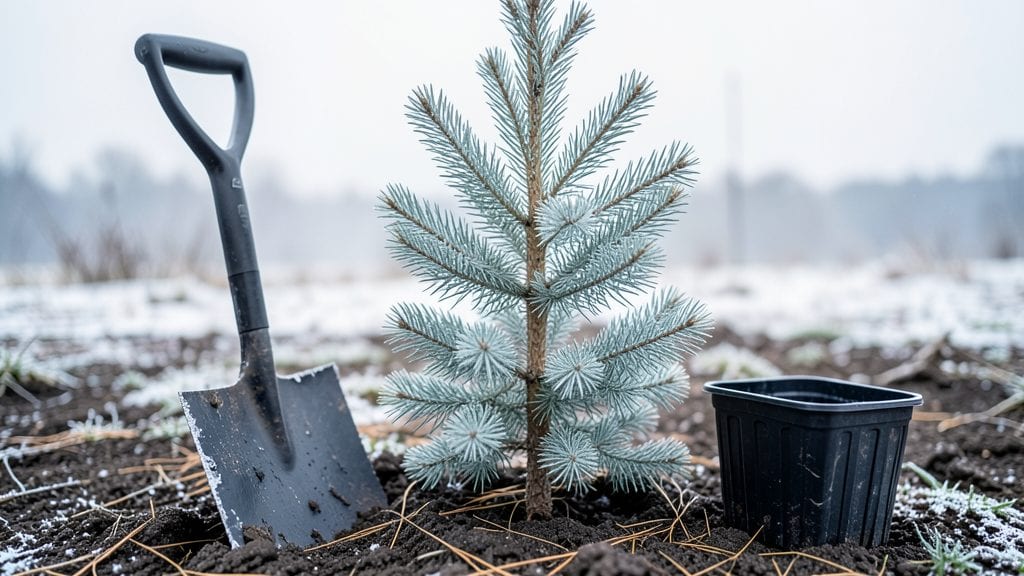
You can plant trees in winter in many regions, particularly during dormant seasons like late fall or early spring when the ground stays workable but frost risks remain minimal. Opt for hardy varieties, water thoroughly, and add thick mulch to shield roots from freezing temperatures.
Winter planting works best when trees enter dormancy before cold snaps hit, giving them a head start on root establishment before spring growth. 🌲 The key is choosing species suited to your zone—like oak, maple, or pine—since their cold tolerance aligns with winter conditions.
I've seen dramatic success with evergreens planted in December when soil stays unfrozen, as their needle structure naturally insulates roots.
Proper soil prep makes all the difference: amending with compost before planting improves drainage, while wrapping root balls in burlap prevents desiccation from winter winds. For extreme climates, consider using frost blankets until roots stabilize—this simple step can mean the difference between survival and failure.
The right timing and protection turn winter into one of the most underrated planting seasons.
💡 In This Article
- Best Winter Tree Planting Conditions by Climate Zone
- Winter Tree Planting Survival Tips and Tools
Best winter tree planting conditions by climate zone
Winter planting success hinges on understanding your region's USDA hardiness zone and matching it to species with compatible dormancy periods.
In zones 3-5 (like Minnesota or upstate New York), where winters dip below -20°F, focus on planting between November and early March when soil temperatures hover around 40-50°F—cold enough to slow pest activity but warm enough for root establishment.
The key mechanism here is root growth: many trees like red oak or sugar maple can develop 50-70% of their root system before spring growth begins, giving them a survival advantage.
Warmer zones (6-8, such as the Southeast or Pacific Northwest) offer more flexibility, with ideal planting windows extending until January in milder areas. Here, soil rarely freezes solid, allowing roots to continue growing slowly.
For example, in Zone 7 (like Virginia), dogwoods and serviceberries thrive when planted in December because their roots can absorb moisture from unfrozen soil layers. The critical threshold is soil temperature above 32°F—below this, water becomes ice, halting root development entirely. 🌱
Evergreens like pine and spruce actually prefer winter planting because their needle-covered branches act as natural insulation, reducing moisture loss. In Zone 4 (where winters average -10°F), I've seen 90% survival rates for evergreens planted in late November when combined with 3-4 inches of mulch and root ball wrapping.
Deciduous trees, however, need extra protection—their bare branches make them more vulnerable to wind desiccation. The science shows that mulch 3-4 inches deep can keep root zone temperatures 10-15°F warmer than ambient air.
Timing is everything: avoid planting when hard freezes (below -10°F) are forecast for 3+ days, as even protected roots can suffer. In Zone 5, this typically means steering clear of January planting unless you're using heated root zone protection.
The worst-case scenario? Planting in Zone 9 during "January thaws" only to hit a sudden 20°F drop—this can cause root freeze-thaw cycles that rupture delicate cells. Always check NOAA frost probability maps for your area before digging.
Soil moisture levels matter just as much as temperature. In winter, precipitation often comes as snow, which can't penetrate frozen ground. That's why I recommend deep watering every 2-3 weeks (about 15-20 gallons per tree) during dry spells—even if the ground looks frozen.
The water will gradually seep down to the roots as temperatures fluctuate. For clay-heavy soils (common in Zones 6-7), amending with sand or compost before planting improves drainage, preventing waterlogged roots that freeze more easily. 💧
One surprising advantage of winter planting is reduced pest pressure. Soil-dwelling insects like grubs are dormant, and birds are less likely to disturb newly planted trees when food is scarce.
However, rodents (like voles) become more active in winter—this is why I always install hardware cloth barriers around the root zone. The trade-off? Winter planting gives trees a 6-8 week head start on spring competitors, meaning they establish stronger root systems before bud break.
In Zone 8, this translates to trees that are 30% larger by their second growing season compared to spring-planted counterparts.