Container Gardens
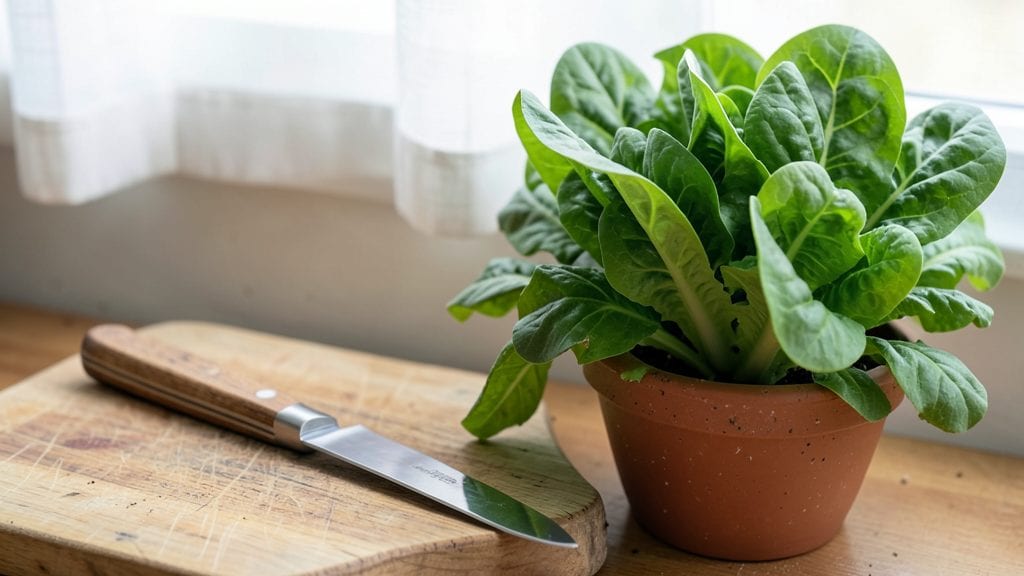
Growing indoor plants food transforms your kitchen into a fresh pantry—without needing a single ray of sunlight. 🌱 My first attempt with basil proved that even the dimmest corner can produce fragrant leaves for cooking, as long as you match the right plants to your space’s light conditions.
Start with five foolproof options: basil, mint, chives, parsley, and dwarf lemon balm. These thrive in 4-6 inch pots with well-draining soil and minimal fuss. South-facing windows provide enough light for herbs, but grow lights (12-16 hours daily) are your backup for sunless spots.
Overwatering kills faster than underwatering—let the top inch dry between waterings.
Within 3-4 weeks, you’ll harvest fresh basil for pesto or mint for teas, with minimal effort. Prune regularly to encourage bushier growth, and pinch off flowers to redirect energy into leaves. The payoff? Homegrown flavor that beats store-bought by miles—and zero grocery trips for staples.
This works for apartments, offices, or even bathrooms with proper drainage. Here’s how to pick the right setup for your space, from windowsill setups to small grow tents, without overcomplicating things.
📚 In This Guide
- What you need
- Instructions
- Tips and common mistakes
- Wrapping up and next steps
What you need
- ● Edible herb seeds or seedlings: Basil (3–5 seeds or 1–2 plants)
- ● Chives (1–2 plants or 5–10 seeds)
- ● Mint (1–2 plants or 5–10 seeds)
- ● Parsley (3–5 seeds or 1–2 plants)
- ● Cilantro (3–5 seeds or 1–2 plants)
- ● Containers: 4–6 small pots (4–6 inches in diameter) with drainage holes (or a single large tray with compartments)
- ● Potting mix: 2–3 bags of well-draining, organic herb soil mix (avoid garden soil)
- ● Grow lights: 1–2 full-spectrum LED grow lights (12–18 inches above plants, 12–16 hours/day)
- ● Watering can or spray bottle (for gentle hydration)
- ○ Fertilizer: Balanced liquid fertilizer (e.g., 10-10-10) (optional but recommended)
- ● A sunless indoor space (e.g., kitchen windowsill, bathroom, or closet with grow lights)
- ○ Basic gardening tools: Small trowel, pruning scissors, and a moisture meter (optional)
- ● Time commitment: 10–15 minutes daily for watering and light adjustments
- ● Patience: Herbs like basil and cilantro sprout in 7–14 days; others may take longer!
Step-by-step instructions for growing edible herbs indoors without sun
Here's how to cultivate a thriving indoor herb garden using just artificial light and minimal space.
🪴 Step 1: Select and Prepare Containers
Choose 4-inch diameter pots with drainage holes for your herbs—this size accommodates their shallow root systems while preventing waterlogging. I like using terra cotta containers because they wick away excess moisture, which is critical for herbs that rot easily. Fill each pot with 2 cups of sterile potting mix (never garden soil—it compacts and suffocates roots). Press the mix down gently until it's firm but still allows air pockets.
Place a 1-inch layer of perlite at the bottom of each pot before adding soil. This creates a drainage layer that prevents soggy roots while keeping the mix in place. Tap the container lightly on the table to settle everything evenly. The goal is a loose, airy medium that mimics the well-draining conditions herbs prefer outdoors.
🌱 Step 2: Plant Seedlings or Seeds
For seedlings, dig a hole in each pot just deep enough to accommodate the root ball without burying the stem. Gently remove the plant from its nursery pot and place it in the hole, then fill around the roots with additional potting mix. Press lightly to eliminate air gaps. For seeds, sow them ¼ inch deep—about twice the diameter of the seed—and cover with a thin layer of soil.
I recommend starting with 4 plants: basil, parsley, chives, and mint. These varieties tolerate lower light conditions better than others. After planting, water each pot until water runs freely from the drainage holes. This ensures the soil is fully saturated without leaving air pockets that could stunt root growth.
☀️ Step 3: Set Up Grow Lights
Position a full-spectrum LED grow light 4-6 inches above your herbs. These lights mimic sunlight's spectrum, providing the blue and red wavelengths essential for photosynthesis. Run the lights for 12-14 hours daily—herbs need consistent light to prevent leggy growth. I use a timer to automate this, so I don’t forget.
Watch for leggy stems—a sign the light is too far away. If you see stems stretching toward the light with large gaps between leaves, lower the fixture 1-2 inches closer. Strong growth means compact stems, deep green leaves, and minimal space between nodes. Rotate the pots a quarter turn weekly to encourage even growth.
💧 Step 4: Water and Maintain Humidity
Water your herbs when the top inch of soil feels dry to the touch. Overwatering is the fastest way to kill indoor herbs—yellowing leaves or mushy stems are red flags. I use a spray bottle for misting, especially in dry indoor air, because herbs like chives and parsley appreciate higher humidity. Aim for 60-70% humidity around the plants.
Fertilize every 4-6 weeks with a balanced liquid fertilizer diluted to half strength. Too much fertilizer burns roots, so always follow package instructions. Prune regularly by pinching off the top sets of leaves to encourage bushier growth. This also keeps herbs from flowering too soon, which can make them bitter.
✂️ Step 5: Harvest and Encourage Regrowth
Harvest leaves in the morning when essential oils are at their peak. Use clean scissors to snip just above a leaf node—this encourages new growth from that point. Basil and parsley respond well to frequent harvesting, while mint and chives can handle more aggressive trimming. Never take more than ⅓ of the plant at once, or you’ll stunt its recovery.
Watch for pests like spider mites—they thrive in dry indoor air. If you spot webbing or tiny specks on leaves, wipe them off with a damp cloth or spray with neem oil. Rotate your harvest schedule to prevent over-pruning any single plant. With consistent care, your herbs will stay productive for months, providing fresh flavors year-round.
Tips & tricks for perfect indoor herb growth without sun
Growing edible herbs indoors without sunlight requires precision—here's how to maximize your success with minimal fuss.
The Light Factor: The 12-14 hour daily light requirement is non-negotiable for healthy growth. I recommend using a timer for your grow lights to maintain consistency—herbs develop leggy stems when light exposure drops below 12 hours. Position your light fixture so the distance to your herbs' tallest points is exactly 4-6 inches. If you notice stems stretching upward with large gaps between leaves, lower the light immediately by 1-2 inches. Rotate your pots a quarter turn weekly to prevent uneven growth toward the light source.
Container Selection Strategy: Terra cotta pots are my top recommendation because they naturally wick away excess moisture, which is crucial for herbs that rot easily. When preparing your 4-inch pots, make sure the drainage holes are clear—blocked holes cause waterlogging that can kill your plants within days. The 1-inch layer of perlite at the bottom creates essential air pockets that prevent soggy roots while maintaining proper drainage. Don't skip this step—it's the difference between thriving herbs and a sad, wilted mess.
Watering Wisdom: The "top inch dry" rule is your best guide, but there's more to it. Use your finger to check moisture—if the soil feels damp just below the surface, wait another day. For herbs like chives and parsley, I increase humidity by placing the pots on a tray filled with pebbles and water (just make sure the pot bottoms don't sit directly in water). The 60-70% humidity target prevents the crispy edges that signal dry air stress. Remember, overwatering is the #1 killer of indoor herbs—always let excess water drain completely from the holes.
Fertilizer Timing: The 4-6 week fertilization schedule works perfectly when using a balanced liquid fertilizer at half strength. I've learned this the hard way—using full strength burns delicate herb roots, stunting growth. For an extra boost, I add a pinch of Epsom salt to the water every 3 months. This provides magnesium that helps prevent yellowing leaves, especially in mint and parsley. Always fertilize after watering to prevent root burn from concentrated nutrients.
Pro Tips for Indoor Plants Food
- Growing edible herbs indoors without sunlight requires precision—here's how to maximize your success with minimal fuss.
- The Light Factor: The 12-14 hour daily light requirement is non-negotiable for healthy growth.
- Container Selection Strategy: Terra cotta pots are my top recommendation because they naturally wick away excess moisture, which is crucial for herbs that rot easily.
Frequently asked questions
Got questions about growing your own indoor food plants? You're not alone! Here are some of the most common concerns—plus quick, practical answers to help you succeed.
Can I grow edible herbs indoors without sunlight?
Many herbs like basil, mint, and parsley thrive under grow lights (12–16 hours/day) or near a bright window. If natural light is limited, opt for full-spectrum LED bulbs—they mimic sunlight perfectly. Just avoid drafts, and you’ll get lush, flavorful harvests!
How long does it take for indoor herbs to grow enough to use?
Most herbs sprout within 7–14 days, but edible leaves or stems take 4–8 weeks, depending on the plant. Chives and cilantro grow fast (3–4 weeks), while rosemary or thyme may take longer (6–10 weeks). Prune regularly to encourage bushier growth—harvest early, harvest often!
What’s the best way to water indoor food plants?
Overwatering is the #1 killer of indoor herbs! Let the top 1–2 inches of soil dry out between waterings. Use a spray bottle for delicate leaves (like basil) or water at the base for heartier plants (like oregano). Drainage holes are a must—no soggy roots!
Can I use store-bought soil for my edible plants?
Not ideal! Store-bought potting mix often lacks nutrients or may contain additives. Instead, use a lightweight, organic potting mix (like coconut coir or peat-based blends) and amend with compost or worm castings for extra nutrients. Avoid garden soil—it compacts and harbors pests.
How do I keep pests away from my indoor food plants?
Prevention is key! Start with sterilized pots and soil, and quarantine new plants for a week. If pests appear (like aphids or fungus gnats), wipe leaves with neem oil or spray with soapy water. Avoid chemicals—they’re unsafe for edibles! Good airflow and cleanliness cut risks too.
What’s the easiest herb to grow indoors for beginners?
Start with basil, mint, or parsley—they’re forgiving and fast-growing. Basil loves warmth and humidity, mint thrives in water (try a glass jar!), and parsley is low-maintenance. All three handle occasional neglect better than fussy plants like dill or cilantro.
Wrapping up and next steps
Growing your own indoor food plants is easier—and more rewarding—than you think! 🌱 With just a few sunless-friendly herbs like basil, mint, or parsley, you can enjoy fresh, pesticide-free flavors straight from your windowsill.
Whether you're a beginner or a seasoned green thumb, these edible plants bring a touch of nature (and nutrition!) into your home.
Ready to take the next step? Start small—pick one herb, grab a pot, and let your culinary adventures begin! Your future meals (and taste buds) will thank you.