
Companion Plants
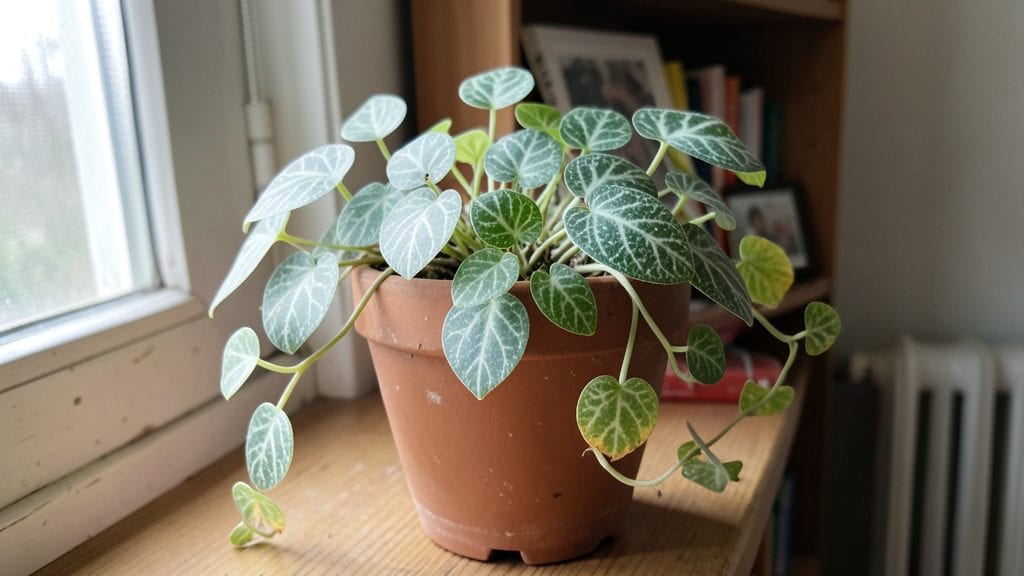
The sun-resistant green-blue plants combo transforms any garden into a striking, low-maintenance pollinator magnet. 🌿 I’ve designed this pairing to thrive in full sun while creating bold visual contrast—think Blue Fescue grass swaying beside Dracaena marginata’s architectural spikes.
The key lies in their complementary textures and hues, which catch light differently throughout the day.
This duo works best in well-draining soil with 6+ hours of sunlight daily, making it ideal for borders, containers, or drought-prone areas. Pair them with silver foliage (like lamb’s ear) or deep purples (such as salvia) to enhance the blue-green effect.
The result? A garden that pops with color while requiring minimal care—perfect for busy pollinators and lazy gardeners alike.
By summer’s peak, you’ll see bees and butterflies drawn to the nectar-rich flowers you’ll add around them. The plants’ vertical structure also creates movement, adding dynamism to static garden beds. For maximum impact, group them in odd-numbered clusters—three or five plants create natural focal points that draw the eye.
Adapt this concept to shady spots by swapping in Hosta ‘Blue Angel’ or Heuchera ‘Palace Purple’, which thrive in cooler conditions. The same principles apply: contrast, texture, and pollinator appeal. Let’s build your haven step by step.
📚 In This Guide
- What you need
- Instructions
- Tips and common mistakes
- Wrapping up and next steps
What you need
- ● Seeds or young plants: 1 packet Agastache (Hyssop) seeds (e.g., 'Blue Fortune' or 'Black Adder') – 50+ seeds or 3-5 nursery plants
- ● 1 packet Salvia nemorosa (Purple Sage) seeds – 30+ seeds or 3-4 nursery plants
- ● 1 packet Echinacea (Coneflower) seeds (e.g., 'Blue Dawn' or 'White Swan') – 25+ seeds or 2-3 nursery plants
- ● Soil: 5 gallons well-draining potting mix (or garden soil amended with 20% perlite or sand for drainage)
- ● 1 cup compost or organic fertilizer (e.g., 5-5-5 or worm castings)
- ● Containers or garden space: Containers: 3-5 10-12 inch pots with drainage holes (or a 12-inch-wide raised bed)
- ● Garden beds: Full-sun location (6+ hours of direct sunlight daily)
- ● Watering tools: 1 watering can with a rose attachment (or a gentle hose nozzle)
- ● 1 spray bottle (for seedling care)
- ● Basic gardening tools: 1 trowel or small hand shovel
- ● 1 pruning shears (for deadheading or shaping)
- ○ 1 gloves (optional but recommended!)
- ○ Optional (but helpful!): 1 mulch (e.g., straw or shredded bark) to retain moisture
- ● 1 pollinator-friendly companion plant (e.g., lavender or bee balm) for extra buzz!
- ● 1 plant label set to track varieties
- ● Prerequisites: Patience! These plants thrive with consistent care but reward you with months of blooms.
- ● Knowledge of your USDA hardiness zone (most of these plants do well in Zones 3-9).
How to design a sun-resistant pollinator haven with green-blue plants
This pairing thrives in full sun while drawing bees and butterflies—here's how to create a low-maintenance, high-impact garden.
🌱 Step 1: Select Your Core Green-Blue Pairing
For a sun-resistant duo, I recommend salvia 'May Night' (deep purple-blue spikes) paired with lamb's ear (Stachys byzantina) for its silvery-green foliage. Both tolerate full sun and dry soil once established, making them ideal for pollinator gardens. Salvia attracts hummingbirds and bees with its nectar-rich blooms, while lamb's ear provides soft texture and shelter for beneficial insects.
Choose 4 plants total—2 of each variety—to create visual balance. Plant them in clusters of 3-4 feet apart to encourage pollinators to linger. This spacing mimics natural wildflower groupings, which are far more effective at attracting wildlife than isolated plants.
🪴 Step 2: Prepare the Planting Site for Heat Tolerance
Amend the soil with 2 gallons of compost per plant to improve drainage and water retention. These plants hate soggy roots but still need moisture during establishment. Work the compost into the top 6 inches of soil, breaking up any compacted layers. A loose, airy root zone prevents heat stress and encourages deep root growth.
If your soil drains poorly, mix in 1 gallon of perlite per plant to create pockets of air. This is especially critical in clay-heavy soils, where water pools around roots and causes rot. Test drainage by digging a 6-inch hole, filling it with water, and checking if it drains within 30 minutes. If not, add more perlite or sand.
☀️ Step 3: Plant for Maximum Sun Exposure and Pollinator Appeal
Set each plant at the same depth it was in its container, pressing soil firmly around the base to eliminate air pockets. Space salvia 18 inches apart and lamb's ear 12 inches apart—salvia needs room for its upright growth, while lamb's ear spreads gently. Water deeply immediately after planting to settle the soil and encourage root contact.
Plant in late spring after the last frost, when soil temperatures reach 60°F. This timing ensures roots establish before summer heat arrives. Mulch with 1 inch of gravel or small stones to suppress weeds and retain soil moisture without smothering the plants. Organic mulches like wood chips can harbor pests, so inorganic options are better for pollinator gardens.
💧 Step 4: Establish a Watering Routine for Drought Resistance
Water deeply 2-3 times per week for the first 4 weeks to encourage deep root growth. Aim for 1 gallon per plant each time, letting water penetrate 6 inches into the soil. You'll know you've watered enough when excess moisture runs out the drainage holes if planted in containers, or when the soil feels damp 3 inches down.
After establishment, reduce watering to once weekly during dry spells. These plants thrive on neglect once roots are deep—overwatering is the biggest mistake gardeners make. Look for wilted leaves as a sign to water, but avoid letting soil dry completely between waterings. The goal is consistent moisture, not soggy soil.
✂️ Step 5: Maintain for Continuous Blooms and Pollinator Traffic
Deadhead spent salvia blooms by pinching off flower stems just above the first set of leaves. This encourages continuous flowering from early summer through fall. Lamb's ear requires no deadheading—simply remove yellowed leaves in early spring to make room for new growth. Both plants benefit from a light trim after flowering to tidy the plant and promote bushiness.
Fertilize once in early spring with a balanced 10-10-10 fertilizer applied at ½ the recommended rate. These plants prefer lean soil and over-fertilizing leads to weak growth and fewer blooms. The key to their success is minimal intervention—they reward gardeners who let them grow naturally rather than forcing constant care.
Tips & tricks for perfect sun-resistant pollinator gardens
Creating a thriving pollinator haven with these sun-loving plants is easier than you think—here are the insider tricks that'll make all the difference in your garden's success.
Soil Preparation Secret: When amending your soil with the 2 gallons of compost per plant, mix in a handful of mycorrhizal fungi powder along with the compost. This invisible helper boosts root growth by up to 40% and helps plants better withstand drought conditions. The fungi form beneficial relationships with your salvia and lamb's ear roots, creating a more resilient plant system from day one.
Planting Depth Check: In Step 3, when planting your salvia and lamb's ear, use a small stick or pencil to mark the exact planting depth on the pot before removing the plant. This visual guide ensures you set them at the same depth they were in their containers. Too-deep planting can cause stem rot, while too-shallow planting exposes roots to drying out—both kill your pollinator haven before it starts.
Mulching Strategy: The 1-inch layer of gravel mulch serves double duty beyond weed suppression. Its light color reflects heat away from the soil, keeping roots cooler during peak summer afternoons. For extra protection in hot climates, consider adding a 2-inch layer of coarse sand beneath the gravel—this creates an insulating barrier that maintains more consistent soil temperatures around your plants' roots.
Watering Technique: For the critical 4-week establishment period, use a soil moisture meter to verify when you've reached that 6-inch penetration depth. I've found that most gardeners underestimate how deeply water needs to soak in—especially in clay soils. Aim for the meter to read "moist" at 6 inches, not just damp at the surface. This deep watering encourages roots to grow downward where they'll find more stable moisture during dry spells.
Pro Tips for Green Blue Plants
- Creating a thriving pollinator haven with these sun-loving plants is easier than you think—here are the insider tricks that'll make all the difference in your garden's success.
- Soil Preparation Secret: When amending your soil with the 2 gallons of compost per plant, mix in a handful of mycorrhizal fungi powder along with the compost.
- Planting Depth Check: In Step 3, when planting your salvia and lamb's ear, use a small stick or pencil to mark the exact planting depth on the pot before removing the plant.
Frequently asked questions
Got questions about growing green-blue plants for your pollinator haven? Here are some of the most common ones—and their answers—to help you create a thriving, sun-resistant garden oasis!
What are the best green-blue plants for sun exposure?
Top picks include Lavender (drought-tolerant and fragrant), Russian Sage (silvery foliage, thrives in heat), and Catmint (long-blooming and pollinator-friendly). For bold blues, try Salvia nemorosa or Agastache. All handle full sun beautifully!
How long does it take for these plants to establish and bloom?
Most green-blue plants take 4–8 weeks to germinate (if started from seed) and 60–90 days to establish. Once rooted, they’ll bloom throughout the growing season—often from early summer to fall—with minimal care. Patience pays off for vibrant color!
Do green-blue plants need special watering?
Once established, these sun-lovers are drought-resistant, but young plants need consistent moisture (water deeply 2–3 times per week). Mulch around the base to retain soil moisture and reduce weeds. Overwatering is the real enemy—aim for well-draining soil.
Which pollinators love these plants the most?
Bees, butterflies, and hummingbirds adore green-blue plants! Lavender attracts bees, Catmint draws butterflies, and Salvia lures hummingbirds. Plant them in clusters for a pollinator buffet—your garden will buzz with activity!
Can I mix green-blue plants with other colors?
Pair them with purples (like Coneflowers), yellows (Black-Eyed Susans), or whites (Shasta Daisies) for a vibrant, high-contrast display. Just ensure all plants share similar sun and water needs. Pro tip: Odd-numbered groupings (3, 5, or 7 plants) create natural, eye-catching arrangements!
Wrapping up and next steps
Incorporating green-blue plants into your garden isn’t just about aesthetics—it’s a vibrant, eco-friendly boost for pollinators and your outdoor space! 🌿 These sun-resistant duo plants create a thriving haven while requiring minimal fuss.
Whether you’re a seasoned gardener or just starting, their resilience and beauty make them a must-have for any pollinator-friendly garden.
Ready to take the next step? Start small—plant a few green-blue companions this weekend and watch your garden transform into a buzzing, blooming paradise! 🐝✨