
Companion Plants
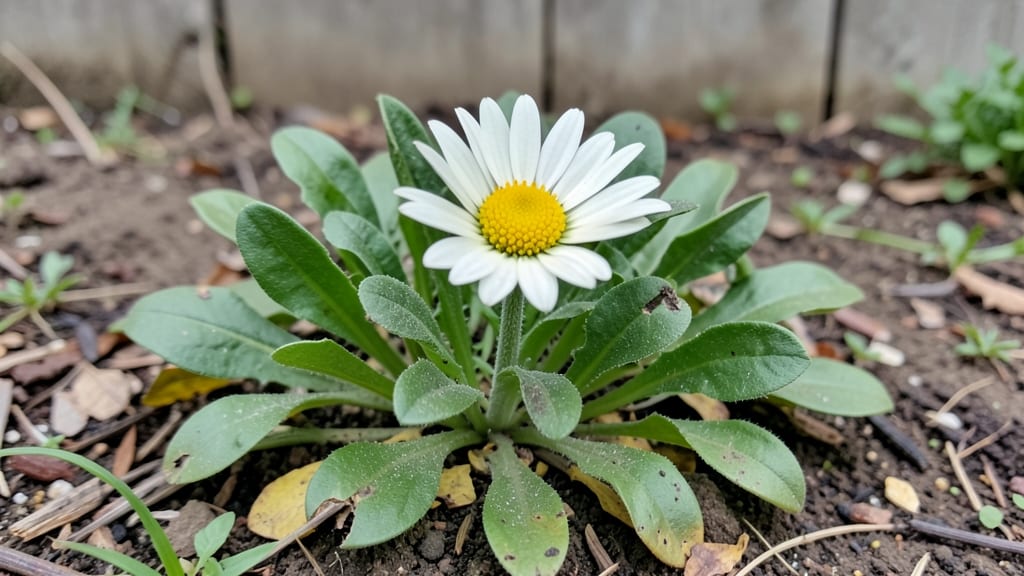
Growing daisy plants in Australia means year-round color and buzzing pollinators. 🌻 I’ve seen how these cheerful blooms transform even the driest patches into vibrant spots, and the best part? They thrive in our sun-soaked climate.
The secret lies in choosing the right varieties—whether it’s the classic Leucanthemum or the hardy Argyranthemum—and matching them to your region’s heat and soil.
Most Australian daisies love full sun and well-draining soil, but coastal areas need extra care to avoid salt buildup. Inland spots can handle drier conditions once established, while tropical zones might need afternoon shade.
A good rule of thumb: water deeply once a week unless it’s raining, and mulch to keep moisture in. I’ve found that native daisies like Rhodanthe chlorocephala (everlasting daisy) are the toughest—drought-proof once settled.
By late spring, your garden will be a magnet for bees and butterflies, with blooms lasting from summer through autumn. The key is regular deadheading to encourage more flowers, and keeping an eye out for aphids or spider mites—common pests here.
With the right care, these sun-lovers will outperform any other annual, giving you effortless color without the fuss.
Whether you’re in Sydney’s coastal breeze or the dry heat of the Outback, daisies adapt. Start with seeds from local nurseries like Dawsons or Bunnings for varieties that suit your zone. Once you see them flourish, you’ll wonder why you didn’t plant more sooner.
📚 In This Guide
- What you need
- Instructions
- Tips and common mistakes
- Wrapping up and next steps
What you need
- ● Daisy plants/seeds: Choose from Gerbera daisies (perennials, full sun), Oxeye daisies (Leucanthemum) (hardy, drought-tolerant), or African daisies (Arctotis) (native, low-maintenance). Start with 3–5 plants for a small garden or 10+ for borders.
- ● Well-draining potting mix: 10–20L (depending on pot size). Use a blend of 50% garden soil, 30% compost, and 20% perlite/sand for optimal drainage.
- ● Containers or garden beds: Containers: 15–20cm diameter pots with drainage holes (1 plant per pot). Opt for terracotta or fabric grow bags for breathability.
- ● Garden beds: Ensure 6+ hours of full sun daily and 1.5m spacing between plants for airflow.
- ● Fertilizer: Slow-release granular fertilizer (10-10-10 NPK) or liquid seaweed extract (mix 1 tbsp per 4L water). Apply at planting and monthly.
- ● Mulch: Organic mulch (pebbles, straw, or pine bark) (5cm layer) to retain moisture and suppress weeds.
- ● Hand trowel or transplanting spade (for digging holes 2x wider than the root ball).
- ● Watering can or hose with a gentle spray nozzle (avoid overhead watering to prevent fungal issues).
- ● Pruning shears (for deadheading spent blooms and shaping plants).
- ○ Gloves (optional but recommended for handling thorny varieties like Gerbera).
- ○ pH testing kit (optional): Aim for 6.0–7.0 pH—adjust with lime (to raise) or sulfur (to lower) if needed.
- ● Sunlight: Full sun (6+ hours/day)—daisies thrive in Australia’s harsh sun but may need afternoon shade in temperatures above 35°C (95°F).
- ● Watering schedule: Deep water 2–3 times per week (more in summer). Avoid soggy soil to prevent root rot.
- ● Pollinator-friendly location: Plant near lavender, salvia, or native grasses to attract bees and butterflies!
- ● Pest control: Keep an eye out for aphids or slugs—use neem oil spray or copper barriers if needed.
Instructions for planting daisy varieties that thrive in Australia's climate
Here's how to establish a vibrant daisy garden that blooms reliably through Australia's warm seasons.
🌱 Step 1: Select and Prepare the Planting Site
Choose a location with full sun exposure (6+ hours daily)—daisies in Australia's climate need intense light to prevent flopping stems and sparse blooms. Test your spot by observing how much direct sunlight it receives between 10 AM and 4 PM. The ideal site should receive consistent sunlight without afternoon shade from trees or buildings.
Loosen the soil to a depth of 12 inches using a garden fork, breaking up any compacted layers. Daisies prefer well-draining soil, so if your garden retains water, amend with 1-2 inches of coarse sand or perlite mixed into the top 6 inches. A slightly alkaline to neutral pH (6.5-7.5) works best for most Australian daisy varieties like Gerbera, Osteospermum, and African Daisy.
🪴 Step 2: Plant with Proper Spacing and Depth
Dig holes twice as wide as the root ball but only as deep as the container's base. This prevents burying the crown too deeply, which can cause rot. Gently remove plants from their containers and tease apart any circling roots with your fingers. Place each plant in its hole so the top of the root ball sits level with the surrounding soil—never mound soil against the stem.
Space plants according to their mature size: 12-18 inches apart for smaller varieties like Gerbera, 18-24 inches for medium-sized Osteospermum, and 24-36 inches for larger African Daisy. Press soil firmly around the roots to eliminate air pockets, then water deeply to settle everything. You'll know spacing is correct when plants don't touch as they mature, allowing for proper airflow and reducing disease risk.
☀️ Step 3: Establish Watering Routine for First 4 Weeks
Water newly planted daisies every 2-3 days until the soil feels dry to touch 1-2 inches below the surface. Use a soaker hose or drip irrigation to deliver water at the base rather than overhead—this prevents fungal diseases that thrive in Australia's humid climate. The first watering should be thorough, soaking the root zone to 12 inches deep to encourage deep root growth.
After the initial 4-week establishment period, reduce watering to once weekly unless experiencing extreme heat (above 90°F). Daisies are drought-tolerant once established, but consistent moisture during their first month prevents stress. You'll see healthy growth when leaves remain vibrant green and stems stand upright rather than wilting in the afternoon heat.
✂️ Step 4: Prune for Continuous Blooming
Deadhead spent blooms by pinching off the flower head just above the first set of healthy leaves. This encourages the plant to produce more flowers rather than setting seed. For daisies like Gerbera, I remove the entire flower stem at its base, while for Osteospermum, a simple trim above the next leaf node works best. Always use clean, sharp pruners to avoid tearing stems and inviting disease.
After the first flush of blooms, give your daisies a light trim by cutting back one-third of the plant's height just above a leaf node. This promotes bushier growth and prevents legginess. The best time for this pruning is after the first major bloom cycle, typically in early spring or late winter. You'll notice new growth appearing within 2-3 weeks, signaling the plant is responding well to the pruning.
🌿 Step 5: Fertilize for Vibrant, Long-Lasting Color
Apply a balanced, slow-release fertilizer (10-10-10) at planting time, following the package rate. This provides essential nutrients without overwhelming new roots. Four to six weeks after planting, switch to a low-phosphorus fertilizer (5-5-5) to encourage more blooms rather than leafy growth. I prefer organic options like fish emulsion or seaweed extract for their gentle nutrient release.
During the peak growing season (spring to early autumn), fertilize every 6-8 weeks with a liquid bloom booster. Avoid fertilizing in late summer or early autumn, as this can stimulate tender new growth that won't survive Australia's cooler winter months. You'll see the difference in vibrant, larger blooms and stronger stems when fertilization is timed correctly with the plant's natural growth cycles.
Tips & tricks for perfect daisy planting in Australia's climate
Here's what I've learned after years of growing vibrant daisy gardens in Australia's challenging climate—these tricks make all the difference.
Sunlight Strategy: Australia's intense sun means you need to monitor your planting site more carefully than in cooler climates. I recommend testing your spot for at least a week before planting—use a simple solar tracker app to confirm those critical 6+ hours of direct sunlight between 10 AM and 4 PM. The afternoon sun is particularly harsh here, so avoid locations that get shaded after 2 PM. Remember, daisies need this sunlight to develop their signature vibrant colors and sturdy stems.
Soil Preparation Secret: When loosening that 12-inch depth of soil, pay special attention to the top 6 inches where you'll be adding your sand or perlite mixture. I like to use a garden fork to create a loose, almost fluffy texture—this mimics the natural aeration daisies love. For the pH test, grab a simple soil test kit available at garden centers. If your soil tests below 6.5, add a handful of crushed limestone per hole and mix it in thoroughly before planting. This small adjustment makes a world of difference in root development.
Watering Wisdom: That initial 12-inch deep watering in Step 3 is crucial—it encourages roots to grow downward rather than staying shallow. I've found that using a moisture meter helps gauge when to water during those first 4 weeks. Aim for the soil to feel like a damp sponge 1-2 inches down, not soggy. And here's a pro move: water in the early morning (before 8 AM) to prevent fungal issues from Australia's high humidity. The key is consistency—daisies hate moisture fluctuations, which can cause stems to weaken and flowers to drop prematurely.
Pruning Precision: When deadheading in Step 4, I always carry a small pair of clean pruners with me while walking through the garden. The trick is to make your cuts at a 45-degree angle just above a leaf node—this encourages new growth from that exact spot. For the one-third height trim, I mark the spot with a piece of twine tied around the stem before cutting. This visual guide helps maintain uniformity across your entire garden, which is especially important when you're growing multiple varieties together.
Pro Tips for Daisy Plants Australia
- Here's what I've learned after years of growing vibrant daisy gardens in Australia's challenging climate—these tricks make all the difference.
- Sunlight Strategy: Australia's intense sun means you need to monitor your planting site more carefully than in cooler climates.
- Soil Preparation Secret: When loosening that 12-inch depth of soil, pay special attention to the top 6 inches where you'll be adding your sand or perlite mixture.
Frequently asked questions
Got questions about growing daisy plants in Australia? We’ve got answers!
Whether you’re a first-time gardener or a seasoned green thumb, these FAQs cover everything from planting tips to troubleshooting common issues. Let’s dive in!
What’s the best time to plant daisies in Australia?
For most daisy varieties (like Gerbera or Oxeye Daisy), the ideal planting time is early spring or autumn—when temperatures are mild (15–25°C or 59–77°F). Avoid extreme heat or frost, as young plants are sensitive. Shasta daisies thrive in cooler climates, so plant them in late winter to early spring.
How often should I water daisy plants?
Daisies prefer consistent moisture but hate soggy roots. Water deeply 2–3 times per week during dry spells, ensuring the top 5cm (2 inches) of soil stays damp. Once established, they’re drought-tolerant—reduce watering to once a week unless your area has extreme heat. Pro tip: Water at the base (not leaves) to prevent fungal diseases like powdery mildew.
Are daisies good for attracting pollinators in Australia?
Absolutely!
Daisies are a pollinator magnet, especially for bees, butterflies, and hoverflies. Choose native varieties like Everlasting Daisy (Xerochrysum) or African Daisy (Osteospermum) for year-round color and food. Plant them in sunny spots with well-draining soil to maximize their appeal. Bonus: They’re low-maintenance and thrive in containers or garden beds!
Why are my daisy leaves turning yellow?
Yellowing leaves (chlorosis) usually signal overwatering, nutrient deficiency, or poor drainage. Check these fixes:
- Drainage: Ensure pots have holes or soil isn’t compacted.
- Watering: Let soil dry slightly between waterings.
- Nutrients: Feed with a balanced fertilizer (e.g., 10-10-10) every 4–6 weeks.
- Pests: Inspect for aphids or slugs—treat with neem oil or diatomaceous earth.
If the issue persists, your daisies may need more sunlight (6+ hours daily).
Can I grow daisies in pots, or do they need a garden bed?
Daisies thrive in containers! Choose pots at least 30cm (12 inches) deep with drainage holes for varieties like Gerbera or Oxeye Daisy. Use a light, well-draining potting mix with perlite or sand. For Shasta daisies, opt for larger pots (40cm/16 inches) since they spread. Pro tip: Move pots to a sheltered spot in winter if temperatures drop below 5°C (41°F).
How do I deadhead daisies to encourage more blooms?
Deadheading (removing spent blooms) boosts reblooming! Use clean scissors or fingers to snip off faded flowers just above the nearest set of leaves. For Gerbera or Oxeye Daisies, do this weekly during peak bloom. Avoid cutting into woody stems—focus on green growth. Fun fact: Some daisies (like African Daisy) self-seed—let a few flowers go to seed for next year’s surprises!
Wrapping up and next steps
Growing daisy plants in Australia is a rewarding way to bring vibrant color, pollinator support, and low-maintenance beauty to your garden. Whether you choose Gerbera daisies for bold blooms or Shasta daisies for classic charm, these sun-loving plants thrive in diverse climates—just ensure well-draining soil and full sunlight.
With their resilience and pollinator-friendly appeal, daisies are a perfect addition for any Australian gardener eager to create a thriving, eco-friendly space. 🌼
Ready to get started? Pick your favorite variety, gather your supplies, and plant with confidence—your garden (and local bees!) will thank you. Check out our planting tips to dive in today!