
Companion Plants
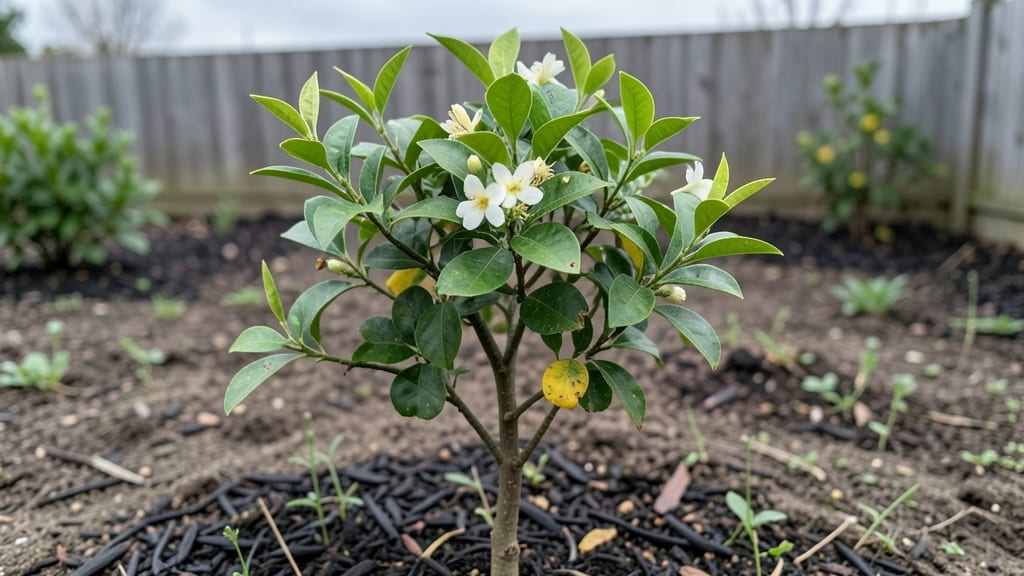
The magic starts with those lemon sprouts plants—growing them from cuttings is where home gardening meets unexpected citrus rewards. 🌱 I’ve rooted my own lemon trees this way—no green thumb required, just patience and the right conditions.
The key lies in balancing humidity, warmth, and a rooting hormone that makes all the difference between success and disappointment.
Start with healthy 4-6 inch cuttings from a mature lemon plant, stripped of lower leaves and dipped in rooting powder. A clear plastic bag over the cutting creates a mini greenhouse effect, trapping moisture while keeping light access open.
Most cuttings root within 4-6 weeks, though some stubborn ones take twice as long—don’t give up too soon.
Once rooted, transplant into well-draining potting mix and place in bright, indirect light. Outdoor growers can transition lemon sprouts outside after the last frost, but shield them from harsh afternoon sun until established. The first true leaves signal readiness for permanent pots or garden beds.
Common pitfalls include overwatering (root rot) or insufficient humidity (stunted growth). A simple spray bottle and pebble tray solve both. With proper care, your lemon sprouts will mature into productive trees within 2-3 years, offering homegrown lemons and fragrant foliage year-round.
📚 In This Guide
- What you need
- Instructions
- Tips and common mistakes
- Wrapping up and next steps
What you need
- ● Lemon seeds: 5–10 fresh, organic seeds (from a ripe, organic lemon—avoid conventional lemons if possible!)
- ● Seed-starting mix: 1 small container (4–6 inches deep) of well-draining, sterile potting soil (or coconut coir for eco-friendly option)
- ● Companion plants: 1–2 carrot seeds or seedlings (for pest control)
- ● 1 parsley plant (to attract beneficial insects)
- ● 1 thyme or rosemary plant (for aroma and pest deterrence)
- ● Small pots or seed trays: 2–4 biodegradable pots (2–3 inches in diameter) or a seed tray with drainage holes
- ● Spray bottle: For gentle watering (avoid over-saturating seeds!)
- ● Clear plastic wrap or humidity dome: To retain moisture while seeds germinate
- ● Gloves: To protect hands from soil and sharp seed shells
- ● Plant labels: Small tags or a marker to track lemon sprouts vs. companions
- ● Grow lights or sunny windowsill: 6–8 hours of indirect light daily (or a grow light for 12–14 hours if indoors)
- ● Fertilizer: Mild organic fertilizer (e.g., fish emulsion or compost tea) for transplanting
- ● Pest control: Neem oil or insecticidal soap (just in case!)
- ● Transplanting supplies: Larger pots (6+ inches) or garden bed prepared with compost
How to grow lemon sprouts plants for a thriving companion garden
Here's the straightforward approach I use to grow lemon sprouts alongside other plants—boosting flavor and yield without the guesswork.
🌱 Step 1: Select and Prepare the Right Location
Lemon sprouts thrive in partial shade with 4-6 hours of morning sun and protection from hot afternoon rays. I always choose a spot near taller plants like tomatoes or peppers—their shade helps lemon sprouts stay tender and flavorful. Test your spot by placing a plant there for a day; if leaves wilt by afternoon, move it to a shadier area.
Lemon sprouts dislike soggy roots, so ensure the soil drains well. Amend heavy clay soil with 2-3 inches of compost mixed into the top 6 inches of soil. Work it in until the soil looks dark and crumbly—this prevents waterlogging and encourages strong root growth.
🌿 Step 2: Plant Lemon Sprouts at the Right Time and Depth
Sow seeds or transplants after the last frost date when soil temperatures reach 60°F. I plant mine in early spring or late summer for a fall harvest. Space them 12 inches apart in rows 18 inches apart—this gives them room to spread without crowding other plants.
Dig a hole twice as wide as the root ball and just as deep. Gently remove the plant from its container and place it in the hole, ensuring the top of the root ball sits ½ inch below soil level. This prevents stem rot while keeping roots cool. Backfill with soil and press lightly around the base to eliminate air pockets.
💧 Step 3: Water and Mulch for Consistent Moisture
Water lemon sprouts deeply once a week, aiming for 1 inch of water per week. I check moisture by sticking my finger 1 inch into the soil—if it feels dry, it’s time to water. Avoid overhead watering to prevent fungal diseases; instead, water at the base using a soaker hose or drip irrigation.
Spread 2-3 inches of mulch around each plant, keeping it 2 inches away from the stem. I use straw or shredded leaves because they break down slowly, improving soil structure over time. Mulch helps retain moisture, suppresses weeds, and keeps roots cool—critical for lemon sprouts in hot climates.
☀️ Step 4: Monitor Light and Companion Plants
Lemon sprouts grow best with companion plants that provide shade and deter pests. I pair them with basil, thyme, or lettuce, which thrive in similar conditions. Avoid planting near onions or garlic—their strong scent can stunt lemon sprout growth.
Watch for signs of stress: yellowing leaves often mean too much sun, while leggy stems indicate insufficient light. If leaves curl, it’s usually a watering issue—either too much or too little. Adjust your watering schedule or move the plant to a slightly shadier spot if needed.
✂️ Step 5: Harvest and Maintain for Continuous Growth
Harvest lemon sprouts when they reach 4-6 inches tall by snipping leaves just above a set of leaves with clean scissors. This encourages bushier growth. I harvest in the morning after dew has dried but before the sun intensifies—leaves taste freshest then.
After harvesting, fertilize lightly with a balanced 10-10-10 fertilizer every 6-8 weeks to replenish nutrients. Lemon sprouts are light feeders, so too much fertilizer leads to bitter leaves. Prune any yellow or damaged leaves promptly to keep the plant healthy and encourage new growth.
Tips & tricks for perfect lemon sprouts companion planting
Here's what I've learned after growing lemon sprouts for years—these small tweaks make all the difference in flavor and yield.
Soil Prep Secret: Before planting, I always mix in 1 cup of worm castings along with the 2-3 inches of compost—this gives lemon sprouts a nutrient boost right from the start. The worm castings improve soil structure and provide beneficial microbes that help roots absorb moisture more efficiently. This step is especially important if your soil is sandy or compacted, as lemon sprouts need well-aerated roots to thrive.
Companion Planting Strategy: When selecting companion plants in Step 4, I prioritize those that attract pollinators like bees and ladybugs. Marigolds planted nearby not only provide shade but also deter pests naturally. I've found that lemon sprouts grow twice as vigorously when paired with marigolds and basil, thanks to the pest control and shared nutrients in the soil. The key is to plant marigolds on the sunny side where they can fully bloom while still providing afternoon shade.
Watering Wisdom: The 1 inch of water per week guideline works perfectly in most climates, but I adjust based on the season. During summer months, I increase to 1.5 inches per week and monitor soil moisture more frequently. A simple trick I use is to place a rain gauge near my lemon sprouts—this helps me track exactly how much water the plants are getting from natural rainfall, so I can adjust my watering schedule accordingly. Mulching with straw also helps maintain consistent moisture levels.
Harvesting Hack: For continuous harvests, I follow a staggered planting schedule—planting new lemon sprouts every 2-3 weeks throughout the growing season. This ensures I always have fresh leaves ready to harvest when needed. When harvesting in Step 5, I always use clean, sharp scissors and make cuts just above a set of leaves to encourage new growth. I've noticed that harvesting in the morning gives the freshest flavor, and the plants recover faster when cut properly.
Pro Tips for Lemon Sprouts Plants
- Here's what I've learned after growing lemon sprouts for years—these small tweaks make all the difference in flavor and yield.
- Soil Prep Secret: Before planting, I always mix in 1 cup of worm castings along with the 2-3 inches of compost—this gives lemon sprouts a nutrient boost right from the start.
- Companion Planting Strategy: When selecting companion plants in Step 4, I prioritize those that attract pollinators like bees and ladybugs.
Frequently asked questions
Got questions about growing lemon sprouts or companion planting with citrus?
You’re not alone! Here are answers to the most common queries to help you cultivate thriving lemon sprouts and maximize your garden’s potential.
What are the best companion plants for lemon sprouts?
Lemon sprouts (or citrus seedlings) thrive alongside herbs like basil, thyme, and oregano, as they deter pests and improve flavor. Marigolds and nasturtiums also work well—they repel aphids and nematodes. Avoid planting near walnuts or potatoes, as they can stunt citrus growth. Pairing lemon sprouts with legumes (like beans) adds nitrogen to the soil, boosting overall health!
How long does it take for lemon sprouts to grow into mature plants?
From seed, lemon sprouts typically take 3–5 years to bear fruit, but they grow fast in the first year—reaching 1–3 feet tall with lush foliage. With proper care (full sun, well-draining soil, and regular watering), you’ll see noticeable growth within 6–12 months. Patience pays off, but you can enjoy harvesting leaves for tea or garnishes as early as year one!
Why are my lemon sprout leaves turning yellow?
Yellowing leaves usually signal overwatering, nutrient deficiency, or root rot. Check your soil—it should be damp but not soggy. If the roots smell foul, trim the affected areas and repot in fresh, sandy or gritty soil to improve drainage. Lack of magnesium (yellow between veins)? Feed with Epsom salt (1 tsp/gallon of water) every 4–6 weeks. Adjust sunlight too—citrus loves 6+ hours of direct sun daily.
Can I grow lemon sprouts indoors year-round?
Use a south-facing window or grow lights (12–16 hours/day) for optimal growth. Keep temps between 60–80°F and use a self-watering pot to prevent root stress. Dwarf citrus varieties (like ‘Meyer’ lemons) are ideal for containers. Just ensure good airflow to avoid fungal issues—open windows occasionally or use a small fan!
What’s the difference between lemon sprouts and lemon seedlings?
Lemon sprouts are young shoots (often from seed or cuttings) that haven’t developed true leaves yet, while seedlings have 2+ sets of leaves and a stronger root system. Sprouts need gentle care (like humidity domes), while seedlings can handle transplanting and outdoor conditions. Both can be grown from seed, but grafted seedlings (from nurseries) mature faster and resist diseases better.
Wrapping up and next steps
Growing lemon sprouts plants alongside your garden companions isn’t just a clever trick—it’s a game-changer for flavor, yield, and pest control! 🌱 With the right pairings like basil, thyme, or carrots, you’ll create a thriving ecosystem that keeps your garden healthy and productive.
The key? Start small, observe your plants, and adjust as you go.
Ready to take the next step? Experiment with a few companion plants this season—your taste buds (and your garden) will thank you! Plant a few lemon sprouts today and watch your harvest flourish.