
Planting
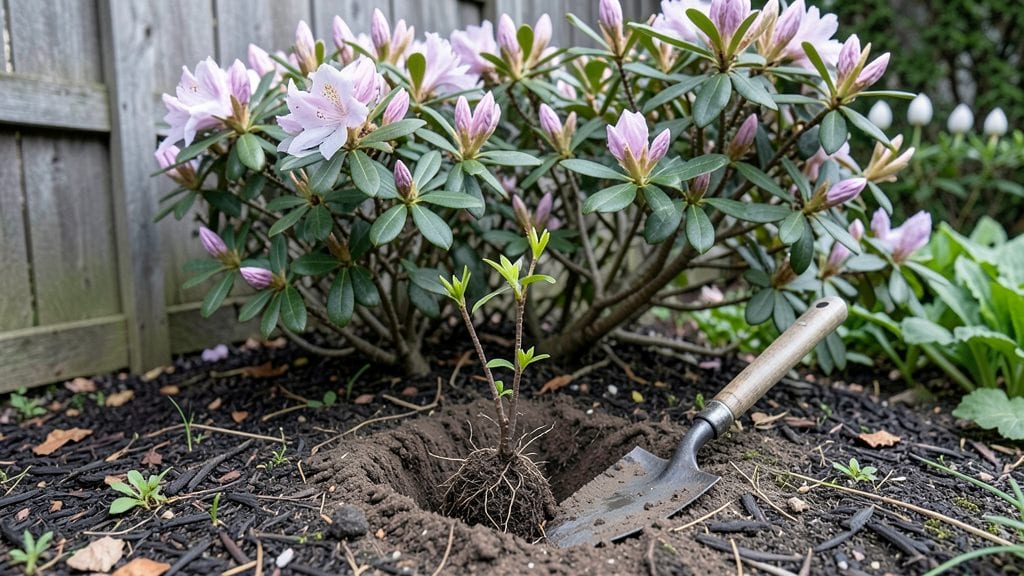
Azalea planting distance determines whether your 🌸 shrubs thrive or struggle, with the right spacing unlocking lush blooms and strong growth.
Struggling to get your azaleas to thrive? The secret to vibrant, long-lasting blooms often lies in how far apart you plant them—too close, and they’ll compete for nutrients; too far, and your garden will look sparse. Mastering azalea planting distance ensures healthier plants, better airflow, and stunning seasonal displays.
In USDA Zone 6, where azaleas love the spring planting window of April–May, spacing isn’t just about aesthetics—it’s about survival. Dwarf varieties need 18–24 inches of space, while standard types should sit 6–10 feet apart to prevent disease and encourage full, bushy growth.
Below, I’ll break down the exact spacing rules for your garden, plus how to adjust for slopes, containers, and mixed borders—so your azaleas don’t just survive, but dominate the spring landscape.
Optimal azalea planting distance by variety and growth habit
Azaleas are stunning shrubs that transform gardens with their vibrant blooms, but their long-term health depends on proper azalea planting distance. Unlike fast-growing annuals, azaleas spread roots gradually, and crowding them too soon leads to stunted growth, poor airflow, and increased disease risk.
The key is matching your azalea variety to its mature size—dwarf types need tight spacing, while standard varieties thrive with room to breathe.
I’ve learned the hard way that squeezing azaleas too close creates a nutrient competition battle where weaker plants suffer. Meanwhile, spacing them too far apart wastes garden space and dilutes that showstopping seasonal display you’re dreaming of.
The right distance ensures each plant gets enough sunlight, water, and nutrients to flourish year after year.
Root spread is often overlooked but critical—azalea roots can extend 1.5 to 2 times the plant’s mature width. For example, a 6-foot-tall azalea might need 10–12 feet of space between clusters to avoid root competition. Understanding this upfront saves future headaches of pruning or transplanting.
Here’s the golden rule: Measure mature size, not current size. A 2-foot dwarf azalea might look tiny now, but in 5 years, it’ll need space to match its 4-foot mature width. Always check the cultivar tag or plant description for growth expectations—this is your roadmap to perfect spacing.
Now, let’s dive into the specifics. The table below breaks down azalea planting distance by variety, including dwarf, semi-dwarf, and standard types, plus how spacing impacts bloom density and airflow.
For mass plantings, like hedges or borders, reduce spacing by 20–30% to create a lush, continuous look. But be warned: this increases disease risk (like powdery mildew) because airflow is restricted. To mitigate this, I recommend pruning inner branches annually to improve circulation.
In container gardening, azaleas need even more careful spacing. A 5-gallon pot might hold one dwarf azalea for 2–3 years, but after that, you’ll need to upgrade to larger containers or divide the roots. Overcrowding in pots leads to root-bound stress, which weakens blooms and invites pests.
Proper spacing isn’t just about aesthetics—it’s a health insurance policy for your azaleas. Well-spaced plants develop stronger root systems, resist pests better, and produce more abundant flowers each season. Think of it as giving each plant its own personal space to thrive.
One of my favorite tricks is pairing azaleas with companion plants that fill gaps without competing. For example, low-growing ferns or heuchera (coral bells) add texture while keeping the azalea’s star power front and center. This layering creates depth and keeps your garden looking intentional.
Remember, azaleas are long-term investments. A well-planned layout now means decades of minimal maintenance and stunning displays. Start with the right spacing, and your azaleas will reward you with vibrant blooms and healthy growth for years to come.
🌸
How to adjust azalea spacing for different garden layouts
Azaleas are versatile shrubs that can transform your garden into a vibrant display, but their spacing needs vary dramatically depending on your garden design.
Whether you're creating a formal hedge, a lush mixed border, or a container arrangement, getting the spacing right ensures your azaleas thrive without competing for resources. Let’s explore how to tailor spacing for different layouts while avoiding common pitfalls like overcrowding or sparse growth.
One of the biggest mistakes I see is treating all azaleas the same—dwarf varieties need far less room than standard types. In containers, overcrowding leads to root-bound stress, while in open borders, too much space can leave gaps in your design.
The key is to balance aesthetics with plant health, adjusting spacing based on your garden’s unique conditions like slope, wind exposure, or sunlight patterns.
- Hedges: Space 3–4 feet apart for standard azaleas to create a dense, uniform barrier. Use 2–3 feet for semi-dwarf varieties to encourage faster fill-in.
- Mass Plantings: Plant 4–6 feet apart for full coverage in borders, reducing gaps as they mature. For dwarf azaleas, 18–24 inches is ideal.
- Containers: Use one azalea per 12–18 inch pot to prevent root competition. Avoid planting multiple azaleas in a single container unless it’s oversized (24+ inches).
- Slopes: Increase spacing by 20–30% to account for erosion and uneven growth. For example, 5 feet instead of 4 feet for standard azaleas.
- Windy Areas: Space 6–8 feet apart to prevent wind damage and ensure stability. Stagger plants in a zigzag pattern for windbreak benefits.
- Mixed Borders: Allow 3–5 feet between azaleas and other shrubs to avoid shading out neighbors. Pair with low-growing perennials to fill gaps.
- Mature Plants: If transplanting established azaleas, space them 50–75% farther apart than their current spacing to accommodate their root systems.
For hedges, the goal is uniformity, so stick to a consistent spacing pattern. If you’re using azaleas as a foundation planting along a fence or driveway, reduce spacing slightly (3 feet for standard types) to create a quicker visual impact.
Just be prepared to prune regularly to maintain shape and airflow.
In containers, azaleas are a fantastic choice, but spacing is critical. Overcrowding leads to root-bound stress, stunted growth, and poor flowering.
If you’re planting multiple azaleas in a large container, ensure the pot is at least 24 inches wide and use a well-draining mix with added peat moss to maintain acidity. Divide container-grown azaleas every 2–3 years to refresh their root systems.
When working with slopes or windy areas, adjust spacing to account for environmental stress. On slopes, wider spacing prevents erosion and allows roots to anchor better.
In windy spots, not only do you need more room between plants, but you’ll also want to stake taller varieties during their first growing season to avoid uprooting.
Finally, if your azaleas are already planted and looking crowded, don’t panic. You can prune selectively to open up the center and improve airflow, or gradually transplant sections to wider spacing over a few years.
The key is patience—azaleas respond well to adjustments, and with the right spacing, you’ll enjoy healthier plants and show-stopping blooms for decades.