
Lawn
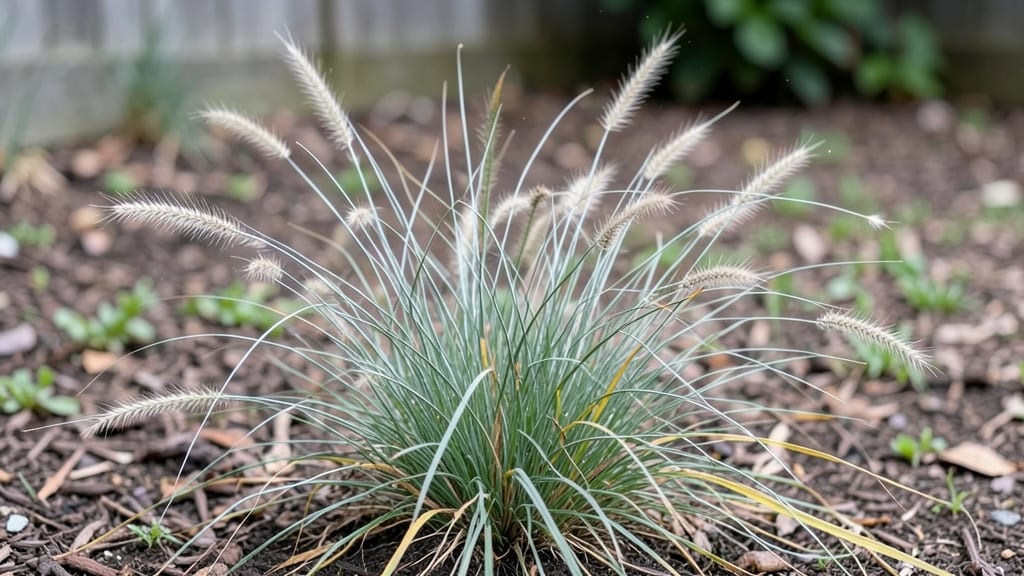
Feather grass plants bring effortless elegance to any landscape, thriving where other plants struggle. I’ve grown them in rocky soil with almost no water, and they still look like they belong in a high-end garden magazine.
Their airy plumes sway in the breeze year-round, adding movement and structure without demanding constant attention.
The secret to their success is simple: well-draining soil, full sun, and minimal fuss. You’ll need a spot that gets at least six hours of sunlight daily, though they tolerate partial shade in hotter climates.
For containers, a 5-gallon pot works well, while garden beds can space plants 18-24 inches apart—closer for shorter varieties like Pennisetum ‘Bunny Ears’. Most varieties, including the delicate Stipa tenuissima, handle poor soil better than many perennials.
Once established, feather grass plants are nearly indestructible. Water them deeply once a week during the first growing season, then cut back to every two weeks once roots are deep. Prune back dead foliage in early spring or after a hard frost, but otherwise, they require almost no maintenance.
The result? A garden that looks polished with almost no effort—just soft texture, drought resistance, and that signature feathered look.
Perfect for borders, erosion control, or even as a striking container specimen, these grasses adapt to almost any setting. Whether you’re filling a sunny corner or stabilizing a sloping area, feather grass delivers low-maintenance beauty that keeps working for you. Ready to see how easy it is?
📚 In This Guide
- What you need
- Instructions
- Tips and common mistakes
- Wrapping up and next steps
What you need
- ● Feather Grass Plants: 10–20 plugs (for quick coverage) OR
- ● 1–2 lbs of seeds (for larger areas, but slower growth)
- ● Soil: Well-draining, sandy loam (amend heavy clay with compost or perlite)
- ● Fertilizer: Slow-release, low-nitrogen granular fertilizer (10-10-10 ratio, 1 lb per 100 sq ft)
- ● Mulch: Pine straw or gravel (2–3 inches thick to retain moisture)
- ● Garden trowel or transplant spade
- ● Hoe or garden rake (for soil prep)
- ● Watering hose with adjustable nozzle (or drip irrigation system)
- ● Pruning shears (for shaping mature plants)
- ● Gloves (to protect hands from sharp grass edges)
- ● Erosion Control: Jute netting (for slopes or windy areas)
- ● Pest Deterrent: Neem oil spray (if aphids or spider mites appear)
- ● Decorative Accents: Garden stakes or rocks (to highlight clumps)
- ● Seasonal Prep: Winter mulch (extra straw in cold climates)
Step-by-step guide for planting and maintaining feather grass
This drought-resistant beauty thrives with minimal fuss once you nail placement and care basics.
Choose the Perfect Planting Location
Feather grass adores full sun—select a spot with at least 6 hours of direct sunlight daily. I always check the site in late afternoon when shadows are longest to confirm exposure. Avoid low-lying areas where cold air pools, as these plants dislike soggy roots in winter. The soil should drain quickly; if your yard holds water, amend with 2-3 inches of coarse sand mixed into the top 12 inches of soil.
For container growing, ensure pots have drainage holes and use a fast-draining cactus/succulent mix. I plant mine in 10-12 inch pots for the first year, then upgrade to 15-gallon containers once established. The key is replicating their natural habitat—well-drained, rocky soil with maximum sunlight exposure.
Prepare the Soil and Plant Correctly
Dig a hole twice as wide as the root ball but only as deep as the container it came in. Feather grass has shallow roots that spread horizontally, so burying too deep suffocates the plant. Loosen the sides of the root ball gently with your fingers to encourage root spread into the surrounding soil.
Backfill with native soil mixed with 10% perlite to improve drainage. Press lightly around the base but avoid compacting. Water deeply immediately after planting to settle the soil and eliminate air pockets. You’ll know it’s right when water drains freely through the bottom of the hole without pooling.
Water Strategically for Long-Term Health
Feather grass is drought-tolerant once established, but new plants need deep watering every 7-10 days during the first growing season. I use a soaker hose to deliver water slowly at the base, avoiding the foliage to prevent fungal issues. Overhead watering creates a damp environment that encourages rot in these airy grasses.
After the first year, reduce watering to once every 3-4 weeks unless your region experiences prolonged drought. The plant signals thirst by developing brown, crispy tips—this is normal in extreme heat but becomes problematic if the entire blade turns brittle. At that point, a single deep watering revives it within days.
Prune for Shape and Remove Debris
Cut back one-third of the oldest growth in early spring before new shoots emerge. I use clean, sharp pruners to make cuts just above a healthy node. This encourages fresh, vibrant growth while maintaining the plant’s natural form. Avoid heavy pruning in fall, as winter-damaged foliage provides some insulation for the crown.
Remove any dead or broken blades throughout the year to prevent disease spread. Feather grass self-cleans to some extent, but I still inspect plants monthly for debris buildup in the center. The goal is to keep airflow optimal—this prevents fungal issues that can turn the plumes brown and ragged.
Fertilize Lightly for Optimal Growth
Feed established plants once annually in early spring with a balanced 10-10-10 fertilizer applied at half strength. I scatter granules around the base and water deeply to activate them. Over-fertilizing causes weak, floppy growth that flops over in wind or rain. For container plants, use a slow-release granular fertilizer mixed into the soil at planting time.
Never fertilize in late summer or fall, as new growth won’t harden off before winter. The plant’s natural dormancy period is crucial for developing cold resistance. If you notice yellowing leaves after feeding, flush the soil with water immediately—this indicates salt buildup from over-application.
Tips & tricks for perfect feather grass plant care
These essential insights will help you cultivate a thriving feather grass plant that maintains its elegant texture year-round while withstanding drought conditions with ease.
Site Selection Strategy: When evaluating potential planting locations, observe the area during the hottest part of the day to accurately assess sunlight exposure. The 6 hours of direct sunlight requirement is non-negotiable—shade-loving varieties won't thrive here. I've learned the hard way that even partial shade can result in leggy, weak growth that never develops those signature plumes. For container growing, position your pots where they'll receive maximum sunlight exposure throughout the day, rotating them occasionally to ensure even growth.
Soil Preparation Insight: The key to successful planting lies in replicating the plant's natural habitat. When amending heavy soil with 2-3 inches of coarse sand mixed into the top 12 inches, use a garden fork to create vertical channels rather than simply mixing on the surface. This vertical integration ensures proper drainage throughout the root zone. For container plants, the fast-draining cactus/succulent mix should make up at least 50% of your potting medium to prevent compaction that could suffocate roots.
Watering Technique Refinement: The 7-10 day watering schedule for new plants might seem generous, but it's crucial for establishing strong root systems. I recommend using a moisture meter to verify soil dryness before watering—aim for the top 2 inches of soil to be completely dry. For established plants, the 3-4 week interval might seem excessive, but this schedule prevents the very issues you're trying to avoid. The brown, crispy tips you might see are actually a sign the plant is conserving moisture rather than suffering from drought.
Pruning Precision: When cutting back one-third of the oldest growth in early spring, focus on removing the largest, most woody stems first. These older growths have already served their purpose and will only compete with new shoots for nutrients. For container plants, I find it helpful to prune after the first flush of new growth appears—this gives you a clear visual target for what to remove while preserving the plant's natural form. Always use sterilized pruners to prevent introducing pathogens through cuts.
Pro Tips for Feather Grass Plant
- These essential insights will help you cultivate a thriving feather grass plant that maintains its elegant texture year-round while withstanding drought conditions with ease.
- Site Selection Strategy: When evaluating potential planting locations, observe the area during the hottest part of the day to accurately assess sunlight exposure.
- Soil Preparation Insight: The key to successful planting lies in replicating the plant's natural habitat.
Frequently asked questions
Got questions about growing and caring for feather grass plants? You’re not alone! Here are some of the most common queries—plus straightforward answers to help you keep your drought-resistant beauty thriving.
How fast does feather grass grow, and when can I expect it to reach full height?
Feather grass grows at a moderate pace—typically 6 to 12 inches per year. Most varieties reach their mature height (12 to 36 inches, depending on the species) within 2 to 3 years. Patience pays off, though! The first year focuses on root establishment, while the second and third years bring the most noticeable height and texture gains. Pro tip: Avoid trimming until it’s fully established (after 12–18 months) to encourage a stronger base.
Why is my feather grass turning brown or crispy at the tips? Is it dying?
Don’t panic—brown tips are often a sign of drought stress or overwatering, not death. Feather grass is drought-tolerant but still needs well-draining soil. If the soil feels dry 2 inches below the surface, water deeply (but infrequently). If the brown patches are widespread, check for root rot (common in heavy clay soils). Trim the dead tips to encourage new growth, and adjust your watering schedule to once every 2–3 weeks in most climates.
Can I grow feather grass in containers, or is it only for ground planting?
Feather grass thrives in containers—it’s a fantastic option for patios, balconies, or small spaces. Choose a pot with drainage holes and use a fast-draining mix (like cactus or succulent soil). For larger varieties (e.g., Stipa tenuissima), opt for containers at least 12 inches deep. Pro tip: Group containers to create a windbreak, as feather grass can sway dramatically in breezy spots!
What’s the best way to divide and propagate feather grass?
Dividing feather grass is easy and rewarding! The best time to do it is in early spring or fall, when the plant is actively growing. Dig up the clump, gently separate the roots into smaller sections (each with healthy roots and foliage), and replant them 12–18 inches apart. Water thoroughly after transplanting. Pro tip: If your grass is mature (3+ years old), dividing it rejuvenates the parent plant and gives you free plants for gifting or expanding your garden!
Does feather grass survive winter, or do I need to protect it?
Most feather grass varieties are hardy and winter-resistant, but cold sensitivity depends on your climate. In USDA Zones 5–9, feather grass typically survives winter with no extra care. However, in Zone 4 or colder, mulch the base with 2–3 inches of straw or leaves to protect roots. In extreme cold (below 0°F), the foliage may brown but will bounce back in spring. Pro tip: Cut back dead foliage in late winter to encourage fresh, vibrant growth!
Wrapping up and next steps
The feather grass plant is a game-changer for any lawn or landscape, offering year-round texture, drought resistance, and effortless beauty. Whether you're a seasoned gardener or just starting out, its low-maintenance charm makes it a perfect addition to your outdoor space. 🌿
Ready to transform your yard? Start small—plant a few clumps, experiment with placement, and watch your space thrive with minimal effort. Happy gardening! 🌱