Container Gardens
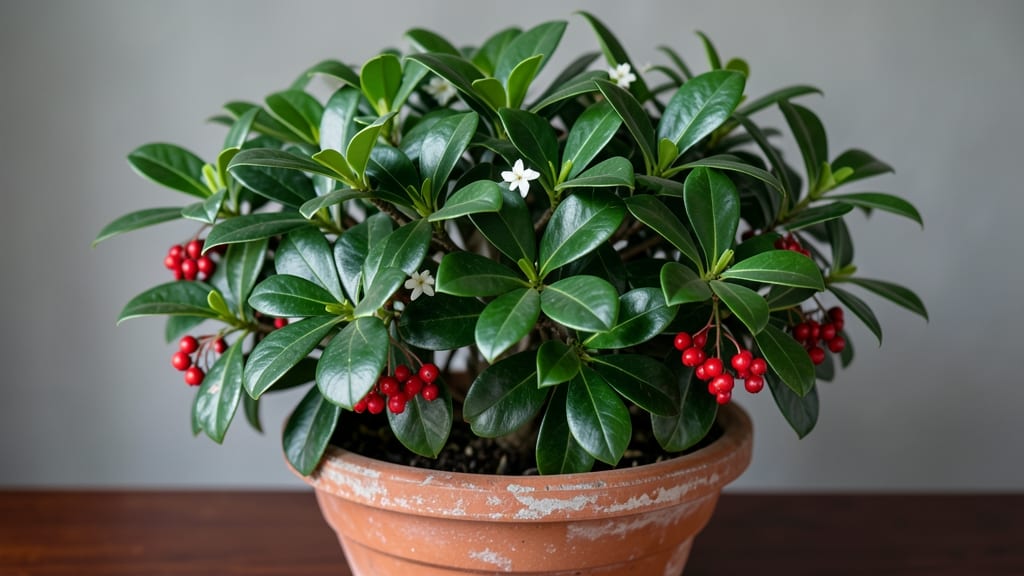
This clusia indoor plant has been the quiet star of my living room for years, its glossy leaves catching the light like polished jade—all while I forget to water it. 🌿 This plant thrives on neglect, making it perfect for busy people or those who’ve killed every other houseplant.
The key isn’t complicated: bright indirect light, occasional watering, and the occasional trim to keep it shaped.
You’ll need a pot with drainage, well-draining soil (think cactus mix with a bit of peat), and a spot near a window where it gets morning sun and afternoon shade.
Overwatering is the only real enemy—let the top inch of soil dry out before watering again. Humidity isn’t critical, but a occasional misting keeps those leaves extra vibrant.
With just a little attention, your Clusia will reward you with year-round lushness, its dark green leaves staying rich even in winter. Prune back leggy stems in spring to encourage bushier growth, and you’ll have a plant that looks like it belongs in a conservatory, not just your living room.
It’s nearly indestructible—pests rarely bother it, and even low light won’t kill it, though it’ll grow slower. The only real challenge is resisting the urge to overwater. Trust me, this plant knows how to take care of itself.
📚 In This Guide
- What you need
- Instructions
- Tips and common mistakes
- Wrapping up and next steps
What you need
- ● Clusia plant: A healthy cutting (4–6 inches long) or a potted Clusia (ensure it’s disease-free). Pro tip: Look for vibrant green leaves with no yellowing!
- ● Well-draining potting mix: A blend of 60% peat or coconut coir, 20% perlite or pumice, and 20% orchid bark or sand (mimics its natural, airy habitat). 💡 Avoid heavy garden soil—root rot is a no-go!
- ● Pot with drainage holes: A 6–8 inch diameter container (terracotta or ceramic works best). ✨ Larger pots = slower growth, but ensure it’s not too cramped!
- ● Watering can with a fine rose: Prevents over-saturating the soil.
- ○ Humidity tray or pebble tray (optional but helpful): Clusias love humidity—place the pot on a tray with pebbles and water (not touching the pot).
- ● Pruning shears or sharp scissors: For trimming leggy stems or propagating cuttings.
- ○ Rooting hormone (optional): Speeds up root growth for cuttings.
- ● Misting bottle: Keeps leaves hydrated in dry climates.
- ● Slow-release fertilizer (balanced 10-10-10 or 20-20-20): Use sparingly—once every 2–3 months in spring/summer.
- ○ Grow lights (optional): If natural light is less than 4–6 hours/day, supplement with a full-spectrum LED.
- ● Bright, indirect light: East or west-facing windows are ideal. 🌡️ Avoid harsh direct sun—leaves can scorch!
- ● Temperature range: 65–80°F (18–27°C). Keep away from drafts, AC vents, or heaters.
- ● Humidity levels: Aim for 50–70%. Use a hygrometer to monitor.
Step-by-step instructions for growing a thriving Clusia indoor plant
Here's how to nurture this tropical beauty into a lush, year-round centerpiece with minimal effort.
🪴 Step 1: Choose the Right Container and Soil Mix
Start with a pot that's 2-3 inches wider than the plant's root ball—Clusias hate being root-bound. I like terra cotta because it breathes and helps prevent overwatering. Add a layer of orchid bark or perlite at the bottom for drainage, then fill the rest with a mix of 50% peat moss, 30% perlite, and 20% coarse sand. This keeps roots aerated while holding enough moisture for the plant's tropical roots.
Clusias thrive in slightly acidic soil, so avoid garden soil or heavy potting mixes. The right mix will look light and fluffy—almost like a sponge—when you squeeze it. If it feels dense, add more perlite to improve drainage. This prevents the dreaded root rot that can kill a Clusia overnight.
💧 Step 2: Water Deeply but Infrequently
Water your Clusia only when the top 2-3 inches of soil feel completely dry. Stick your finger in—if it comes out clean, it's time to water. When you do water, soak the soil until water runs out the drainage holes. This encourages deep root growth instead of shallow, weak roots that dry out fast.
I use the "soak-and-drain" method: pour water slowly until it starts dripping from the bottom, then let it drain completely. Empty the saucer after 10 minutes to prevent soggy roots. Overwatering is the #1 killer of Clusias, so resist the urge to water on a schedule. Your plant will tell you when it's thirsty by drooping slightly—just give it a drink and it perks right back up.
☀️ Step 3: Place in Bright, Indirect Light
Clusias love light but will scorch in direct sun. Place yours near an east-facing window where it gets bright, indirect light for 6-8 hours daily. A north or west window works too, but avoid south-facing spots where afternoon sun can burn the glossy leaves. You'll know the light is perfect when the leaves stay deep green with no yellowing or brown patches.
If your home has low light, supplement with a grow light 12-18 inches away for 10-12 hours daily. Clusias will stretch toward light if they're not getting enough, with long spaces between leaves. Rotate the pot quarter turn weekly so the plant grows evenly. This prevents that lopsided look that makes them lean toward the window like a sun-worshipper.
🌿 Step 4: Feed Monthly During Growing Season
Use a balanced liquid fertilizer (10-10-10) diluted to half strength every 4-6 weeks in spring and summer. I mix it in with water during regular watering so the roots get a gentle, consistent boost. Stop fertilizing in fall and winter when the plant's growth naturally slows down. Too much fertilizer burns roots, so always dilute and never apply to dry soil.
You'll see the difference in 2-3 weeks: brighter green leaves, faster growth, and even more of those stunning red flowers. If you notice brown leaf tips, that's a sign you've over-fertilized. Flush the soil with water to rinse out excess salts, then cut back on feeding frequency.
✂️ Step 5: Prune to Encourage Bushier Growth
Pinch back the tips of new growth when they reach 4-6 inches to encourage branching. Use clean, sharp scissors to make the cut just above a leaf node. This might seem counterintuitive—why cut when you want more plant?—but it triggers the plant to grow side shoots instead of just one long stem. You'll see bushier growth within 4-6 weeks.
Remove any yellow or brown leaves immediately—they're energy drains. If a stem gets leggy or bare at the bottom, cut it back to where healthy leaves start. Clusias are forgiving, so don't stress over pruning mistakes. Just keep the plant healthy, and it'll bounce back with vibrant new growth.
Tips & tricks for perfect Clusia indoor plant care
Here's what I've learned after keeping Clusias for years—the little details that make all the difference between a struggling plant and a thriving tropical beauty.
Soil Mix Secret: When mixing your 50% peat moss, 30% perlite, and 20% coarse sand, don't just eyeball it—use a kitchen scale for accuracy. I've ruined Clusias by using too much sand, which drains too quickly, or too much peat, which holds too much moisture. Aim for a mix that feels like a damp sponge when squeezed—it should hold water but still allow air to circulate. If you don't have a scale, measure by volume in separate containers first, then combine.
Watering Rescue Strategy: If you accidentally overwatered and notice yellowing leaves or mushy stems, don't panic. First, stop watering completely and let the soil dry out completely. Then repot the plant into fresh, dry soil mix. This often saves the plant if you catch it early. I've revived several Clusias this way—just be patient and let the roots recover.
Light Positioning Hack: For that perfect 6-8 hours of bright indirect light, place your Clusia about 2 feet away from an east-facing window. If you notice leaves turning yellow or brown near the window, it's getting too much direct sun—move it back another foot. For west-facing windows, keep it 3 feet away to avoid afternoon sunburn. The ideal spot should have leaves that stay deep green with no color changes.
Fertilizer Timing Tip: When you're fertilizing every 4-6 weeks during spring and summer, I recommend splitting the dose into two applications—half now and half two weeks later. This gives your Clusia a gentler nutrient boost and prevents salt buildup in the soil. Always water thoroughly before and after fertilizing to help distribute nutrients evenly through the root zone.
Pro Tips for Clusia Indoor Plant
- Here's what I've learned after keeping Clusias for years—the little details that make all the difference between a st...
- Soil Mix Secret: When mixing your 50% peat moss, 30% perlite, and 20% coarse sand, don't just eyeball it—use a kitche...
- Watering Rescue Strategy: If you accidentally overwatered and notice yellowing leaves or mushy stems, don't panic. Fi...
Frequently asked questions
Got questions about keeping your Clusia thriving indoors? You’re not alone! Here are answers to the most common queries—no green thumb required.
How often should I water my Clusia plant?
Water your Clusia when the top 1–2 inches of soil feel dry to the touch. Typically, this means watering every 1–2 weeks, but adjust based on humidity and light. Overwatering is the #1 killer—always ensure the pot has drainage holes to prevent root rot.
Why are the leaves turning yellow or dropping?
Yellowing or dropping leaves usually signal overwatering or low light. Check the soil moisture first—if soggy, reduce watering. Move your plant to a brighter spot (but avoid harsh direct sun) and trim affected leaves to encourage new growth.
Can Clusia survive in low-light conditions?
While Clusia tolerates low light better than many tropical plants, it thrives best with bright, indirect light. In dim spaces, growth slows, and leaves may pale. Place it near a north- or east-facing window, or supplement with a grow light for 6–8 hours daily.
What’s the ideal temperature for indoor Clusia?
Clusia loves warmth! Keep it in 65–85°F (18–29°C) year-round. Avoid drafts (like AC vents or cold windows) and sudden temperature swings. If your home dips below 60°F (15°C), move it away from exterior walls or use a space heater nearby.
Are there any non-toxic alternatives to Clusia?
If you’re wary of toxicity (though Clusia is only mildly toxic to pets), try these pet-safe alternatives: Spider Plant, Boston Fern, or Parlor Palm. They’re equally low-maintenance and add lush greenery without the fuss!
How do I prune my Clusia for bushier growth?
Prune in spring or early summer to shape your plant and encourage branching. Use clean scissors to trim back leggy stems just above a leaf node. Wipe the cut with rubbing alcohol to prevent disease. Dead or yellow leaves can be removed anytime!
Wrapping up and next steps
Bringing a Clusia indoor plant into your home isn’t just about adding a pop of tropical charm—it’s about embracing a low-maintenance, year-round green companion that thrives with minimal effort. 🌿 Whether you’re a seasoned plant parent or just starting your indoor jungle, this resilient beauty rewards you with vibrant foliage and easy care, making it the perfect choice for busy lifestyles.
Ready to elevate your space? Head to your local nursery or trusty online plant shop to find your Clusia and let the lushness begin!