
Planting
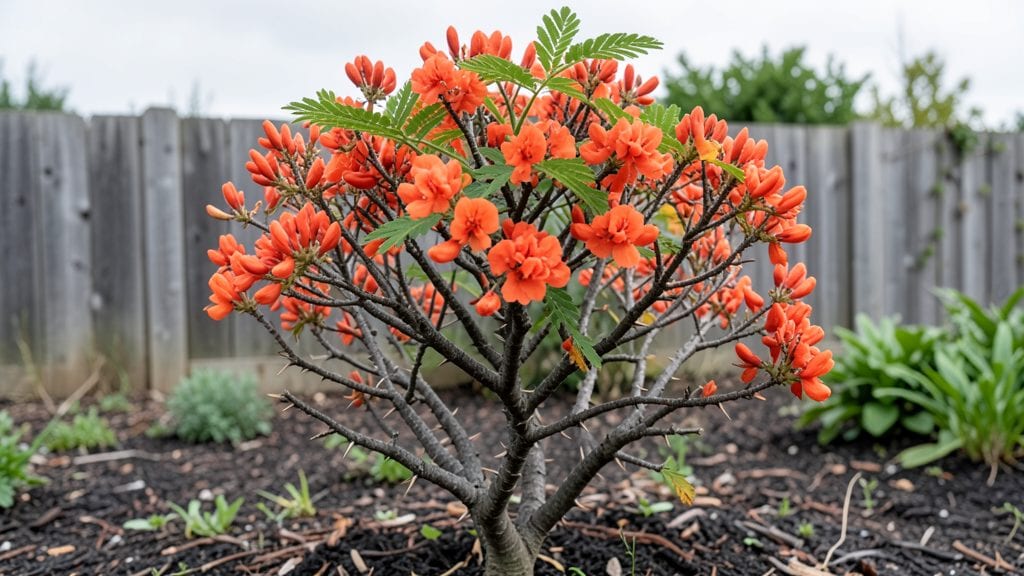
The coral bush plant brings fiery color to dry, sunny spots where most shrubs refuse to grow. 🌿 I’ve watched mine transform a rocky slope into a blaze of red-orange blooms that last from summer through fall, even when other plants wilt in the heat.
This isn’t just another pretty shrub—it’s a workhorse that thrives where others fail, with almost no fuss once established.
You’ll need well-draining soil and a spot that gets at least 6 hours of full sun daily—the hotter, the better. Water deeply once a week after planting, then let nature take over. Coral bush stores moisture like a champ, making it perfect for water-wise gardens.
Prune lightly in late winter to shape it, but don’t overdo it—this plant rewards patience with dense, glossy foliage and those stunning clusters of flowers.
By late summer, your coral bush will be covered in blooms that hum with pollinators, and the scent lingers in the air like a summer breeze. The best part?
It keeps getting better with age, developing a sturdy structure that needs almost no support. Once it’s happy, it’s basically maintenance-free—just sit back and enjoy the show.
Whether you’re fixing a dry, sunny corner or adding a pop of color to a low-water landscape, this plant delivers. Here’s how to get it growing strong from start to finish—no green thumb required.
📚 In This Guide
- What you need
- Instructions
- Tips and common mistakes
- Wrapping up and next steps
What you need
- ● Coral bush plant: 1–3 nursery-grown plants (3–5 ft tall, mature size) or
- ● Seeds or cuttings (if propagating from scratch)
- ● Well-draining soil mix: 50% native soil (or cactus/succulent mix)
- ● 30% coarse sand or perlite (for drainage)
- ○ 20% compost or aged manure (optional but helpful)
- ● Pot or planting site: Container option: 1–2 gallon pot (with drainage holes) per plant
- ● In-ground: Full-sun spot with at least 6 ft of spacing (or more for large varieties)
- ● Fertilizer: Balanced, slow-release fertilizer (10-10-10 or similar, 1 tbsp per plant)
- ● Mulch: 1–2 inches of gravel or bark (to retain moisture and deter weeds)
- ● Garden gloves (to protect your hands from thorns or rough bark)
- ● Trowel or shovel (for digging)
- ● Watering can or hose (with a gentle spray nozzle)
- ● Pruning shears (for shaping or propagation)
- ○ pH testing kit (optional, to check soil acidity—ideal range: 6.0–7.5)
- ● 🌞 Full-sun location: At least 6+ hours of direct sunlight daily (partial shade in extreme heat zones).
- ● 💧 Drought tolerance: Coral bushes thrive in dry climates but need deep watering 1–2 times per week during establishment (reduce to once every 2–3 weeks once mature).
- ● 🌡️ Hardiness zone: USDA zones 7–11 (check your local climate compatibility).
Step-by-step guide to planting and caring for coral bush
Here's how to grow vibrant coral bush with minimal fuss—perfect for sunny, dry spots.
🌱 Step 1: Choose the Right Location and Prepare the Soil
Coral bush thrives in full sun, so pick a spot that gets at least 6-8 hours of direct sunlight daily. This plant tolerates poor soil but grows best in well-draining soil with a slightly alkaline pH. If your soil is heavy clay, mix in 1-2 inches of compost or sand to improve drainage.
Dig a hole that's twice as wide as the root ball but only as deep. Coral bush roots spread horizontally, so a shallow, wide hole encourages strong root growth. Gently loosen the roots if they're circling the container before placing the plant in the hole.
🪴 Step 2: Plant and Water Thoroughly
Place the coral bush in the hole and backfill with the native soil, pressing lightly to remove air pockets. Water deeply until the soil is evenly moist to a depth of 6 inches. You'll know it's right when water runs out the bottom of the hole—this ensures roots establish quickly in moist soil.
Mulch around the base with 1-2 inches of organic mulch (like shredded bark) to retain moisture and suppress weeds. Keep the mulch 2-3 inches away from the trunk to prevent rot. Coral bush is drought-tolerant once established, but young plants need consistent moisture for the first 2-3 months.
☀️ Step 3: Provide Minimal Care for Vibrant Blooms
Fertilize lightly in early spring with a balanced, slow-release fertilizer (like 10-10-10) to encourage lush foliage and abundant blooms. Avoid heavy feeding—coral bush prefers lean soil and over-fertilizing can reduce flowering. Water deeply once a week during the first growing season, then taper off as the plant matures.
Prune in late winter or early spring to shape the plant and remove any dead or damaged branches. You can also trim back up to ⅓ of the plant to encourage bushier growth. Coral bush blooms on new wood, so pruning after flowering won’t affect next year’s blooms.
✂️ Step 4: Maintain for Long-Term Health
Watch for signs of stress like yellowing leaves or sparse blooms—these often indicate overwatering or poor drainage. Coral bush is tough, but it won’t tolerate soggy roots. If leaves yellow, reduce watering and ensure the soil drains freely.
Divide mature plants every 3-5 years if they outgrow their space. Dig up the plant, separate the root clumps, and replant the divisions in fresh soil. This rejuvenates the plant and gives you extra bushes for your garden. Coral bush spreads slowly, so division isn’t urgent, but it’s a great way to share plants with friends.
Tips & tricks for perfect coral bush planting and care
Here's what I've learned from years of growing coral bush—simple tricks that make all the difference for vibrant, long-lasting plants.
Sunlight Secret: Coral bush thrives in full sun, but here's the thing—if your location gets intense afternoon heat, consider planting it where it gets morning sun and afternoon shade during peak summer months. I've seen plants in full sun all day struggle in extreme heat zones, while those with partial afternoon shade produce more blooms.
Soil Prep Game-Changer: Before planting, mix a handful of lime into the bottom of your planting hole if your soil tests acidic. Coral bush prefers slightly alkaline soil (pH 6.5-7.5), and this small step prevents yellowing leaves later. I test my soil every few years and adjust—it's the difference between a struggling plant and one that thrives.
Watering Wisdom: That first 6-inch deep watering in Step 2 is crucial, but don't let the soil stay soggy. Coral bush roots need oxygen too! After the initial watering, let the top 2 inches dry out between waterings. I use a moisture meter to check—it's worth the investment for these drought-tolerant plants.
Pruning Pro Tip: When you trim back up to ⅓ of the plant in early spring, focus on removing crossing branches first. This improves airflow and reduces disease risk. I prune when new growth starts appearing—it's easier to see which branches to remove when the plant is actively growing.
Pro Tips for Coral Bush Plant
- Here's what I've learned from years of growing coral bush—simple tricks that make all the difference for vibrant, long-lasting plants.
- Sunlight Secret: Coral bush thrives in full sun, but here's the thing—if your location gets intense afternoon heat, consider planting it where it gets morning sun and afternoon shade during peak summer months.
- Soil Prep Game-Changer: Before planting, mix a handful of lime into the bottom of your planting hole if your soil tests acidic.
Frequently asked questions
Got questions about growing coral bush plants? You’re not alone! Here are some of the most common queries—plus quick, actionable answers to help you cultivate this stunning, low-maintenance beauty with confidence.
What’s the best time to plant coral bush?
Plant your coral bush in early spring or fall when temperatures are mild (50–75°F). Avoid extreme heat or frost, as these plants prefer to establish roots in comfortable conditions. If you’re in a warm climate, late winter works too—just keep it well-watered for the first few weeks!
How much sun does coral bush really need?
Coral bush loves full sun (6+ hours daily) but can tolerate partial shade in scorching climates. Too little light? Expect leggy growth and fewer vibrant blooms. For best results, place it where it gets morning sun + afternoon shade if summers are brutal.
How often should I water coral bush?
Once established, coral bush is drought-tolerant—water deeply but infrequently (every 1–2 weeks). New plants need weekly watering until roots spread (6–8 weeks). Overwatering is the #1 killer—let soil dry out between waterings to prevent root rot.
Can coral bush grow in containers?
Coral bush thrives in large containers (18"+ diameter) with well-draining soil. Use a mix of potting soil + perlite/sand for airflow. Drainage holes are a must—stagnant water = root rot. Repot every 2–3 years or prune to refresh growth.
What pests should I watch for?
Coral bush is generally pest-resistant, but keep an eye out for aphids, spider mites, or scale in dry conditions. Treat infestations early with neem oil or insecticidal soap. Ladybugs are natural allies—invite them to your garden!
Wrapping up and next steps
The coral bush plant is a stunning, low-maintenance addition to any sunny garden, offering vibrant blooms and drought resistance that even beginners can enjoy. 🌿 With the right soil, sunlight, and occasional care, this hardy plant will reward you with years of effortless beauty. Ready to transform your outdoor space?
Your next step? Plant one today! Start by gathering your supplies, choosing the perfect spot, and following the simple steps outlined above. Before you know it, you’ll be admiring a thriving coral bush that brings color and life to your landscape—without the fuss.