
Flowers
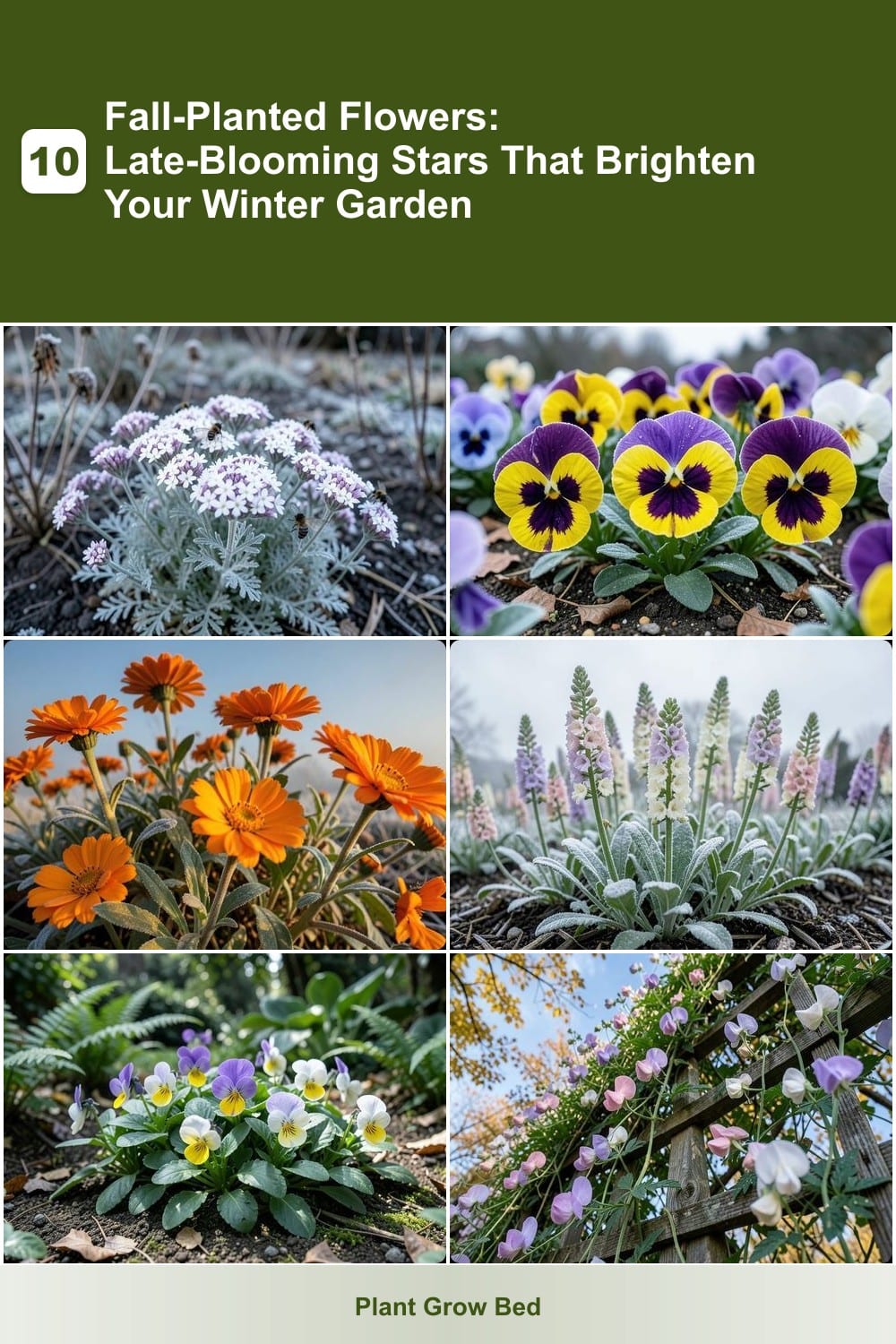
Fall-planted flowers offer vibrant color and resilience when most gardens fade. These ten hardy bloomers thrive in cooler weather, providing winter interest and early spring beauty with minimal effort.
Sweet Alyssum for Winter Color
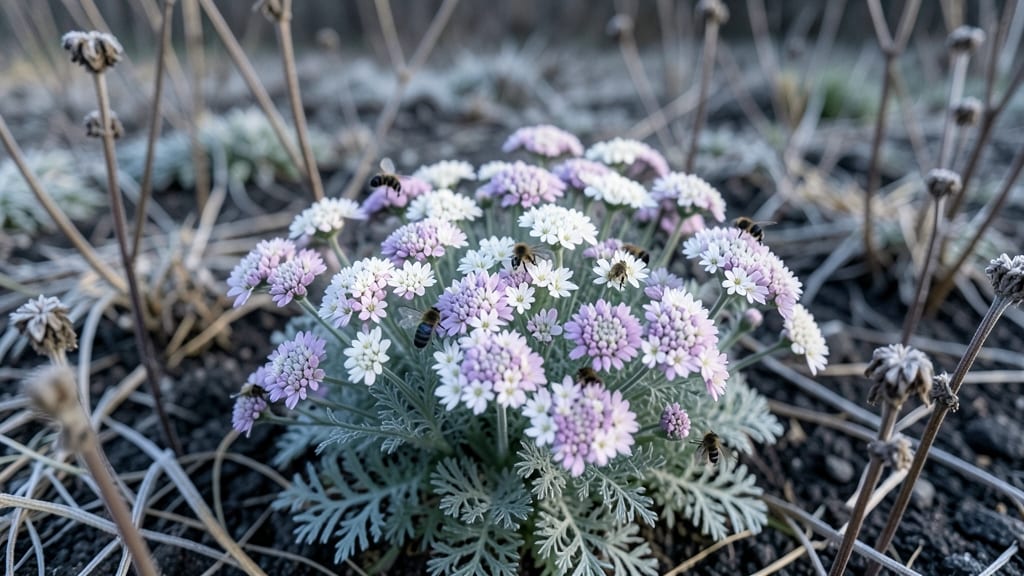
When winter’s chill makes other gardens look bare, sweet alyssum steps in with delicate clusters of white or purple blooms that defy the cold. This tiny annual thrives in temperatures down to 20°F, making it one of the few flowers that keeps pollinators—like bees and hoverflies—fed even when most gardens are dormant.
Plant seeds directly in well-draining soil after the first frost, spacing them just 6 inches apart for a lush carpet effect. Its low-growing habit (6–8 inches tall) makes it perfect for edging paths, window boxes, or container gardens, where its sweet fragrance adds a subtle, honey-like aroma. A light mulch layer protects roots from extreme cold without smothering the plant.
Urban gardeners and pollinator enthusiasts will love how sweet alyssum bridges the gap between summer and spring blooms. Just pinch back spent flowers to encourage bushier growth—your winter garden will thank you! 💚
Pansies for Cold-Weather Resilience
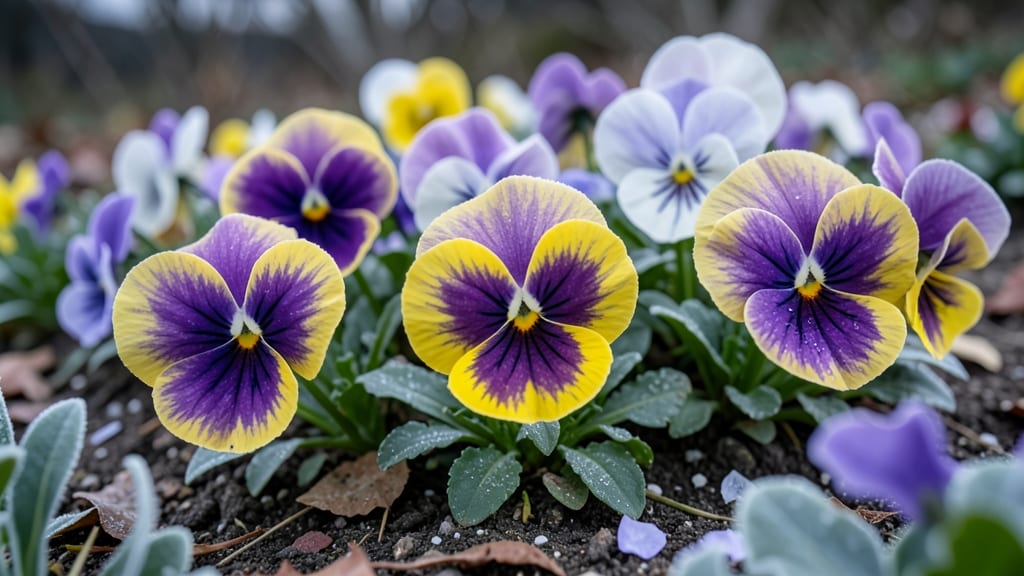
When you want year-round color without summer's high maintenance, pansies deliver cheerful blooms from October straight through spring frost—often surviving light freezes that would kill tender flowers. Their bold, faceted faces come in colors from deep purple to sunny yellow, making them a child's dream to spot in the garden.
Plant them in well-draining soil with 4-6 hours of sun (they tolerate partial shade) and space seedlings 8-12 inches apart for a dense, colorful carpet. Deadhead spent blooms to encourage continuous flowering, and mulch lightly to protect roots during winter. Pansies thrive in container gardens or borders, where their pollinator-friendly nature attracts bees and butterflies even in cold months.
Perfect for urban gardens with limited space or beginner gardeners who want low-fuss beauty, pansies prove that winter doesn't have to be a blank canvas. Just add them to your fall planting list for months of effortless color. ✨
Calendula for Edible Beauty
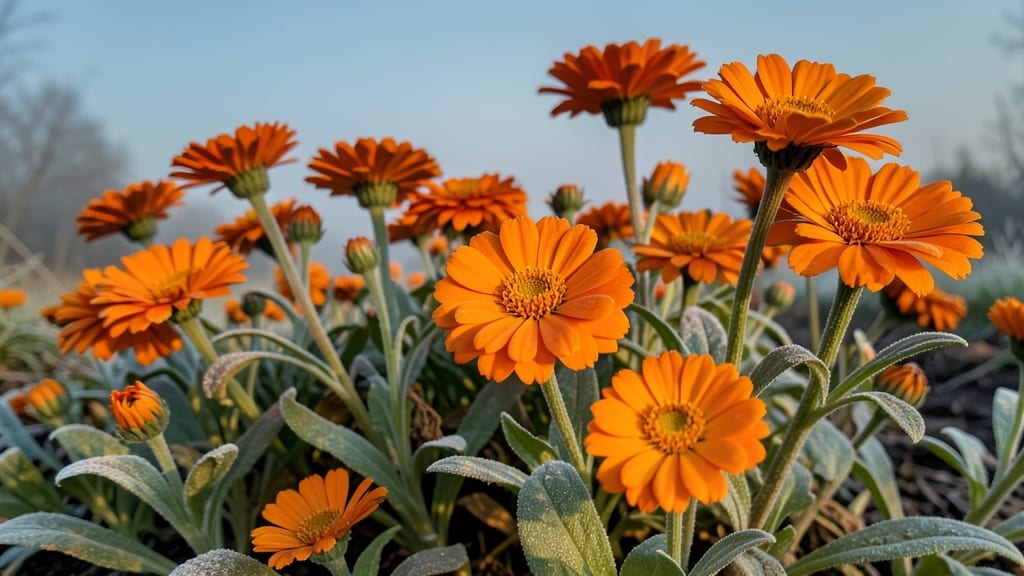
When most flowers retreat with the first chill, calendula steps up with its bold orange blooms, thriving in fall's cooler temperatures while offering a dual purpose: edible beauty and natural dye. This hardy annual isn't just a pretty face—it's your secret weapon for extending color and utility in your garden.
Plant calendula seeds in well-draining soil with full sun to partial shade, and they'll reward you with continuous blooms from late summer through frost. The petals are edible—toss them in salads or steep them for tea—and their vibrant hue makes a stunning natural dye for fabrics. For medicinal gardeners, calendula's anti-inflammatory properties are a bonus. 🌻
Perfect for kitchen gardens or herbal collections, calendula's low-maintenance nature and late-season resilience make it a must-have for gardeners who want both beauty and function as the weather turns crisp. 💚
Stock Flowers for Fragrant Winter Beds
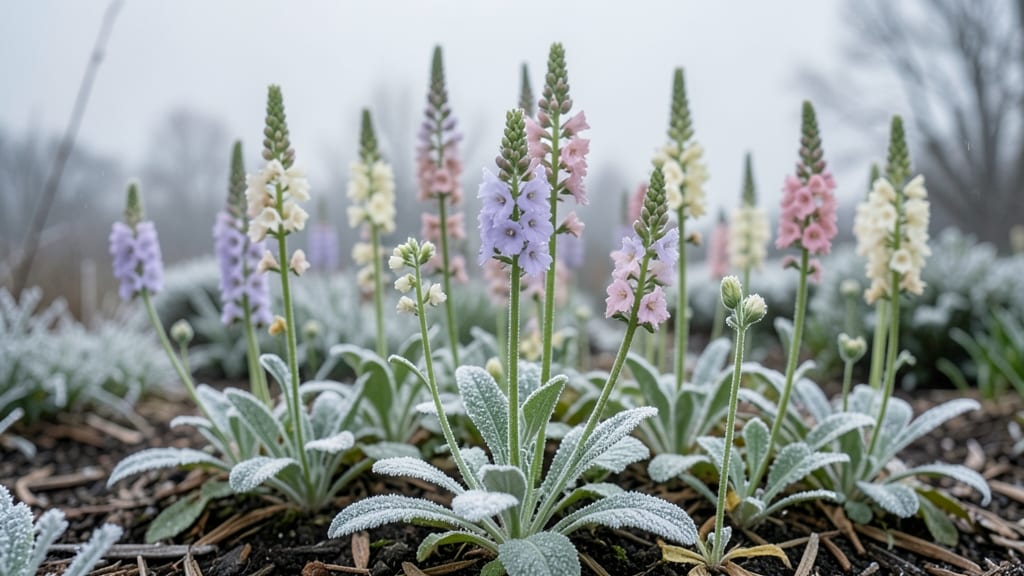
Transform your winter garden into a fragrant haven with stock flowers—their sweet, honey-like scent lingers even when temperatures dip. These hardy bloomers thrive in light frosts and produce tall, elegant spikes that add drama to borders or cutting gardens.
Plant stock (Matthiola incana) in well-drained soil with full sun to partial shade, and they’ll reward you with blooms from late fall through winter. Deadhead spent flowers to encourage more blooms, and watch their vertical growth (2–4 feet tall) create stunning focal points. The scent is especially strong in the evening, making them perfect for evening strolls through the garden.
Ideal for cottage gardeners or those who love cut flowers, stock’s long stems hold up beautifully in vases. Their delicate petals and intoxicating fragrance make them a standout choice for winter beds where most flowers have faded. 🌷
Violas for Shade Gardens
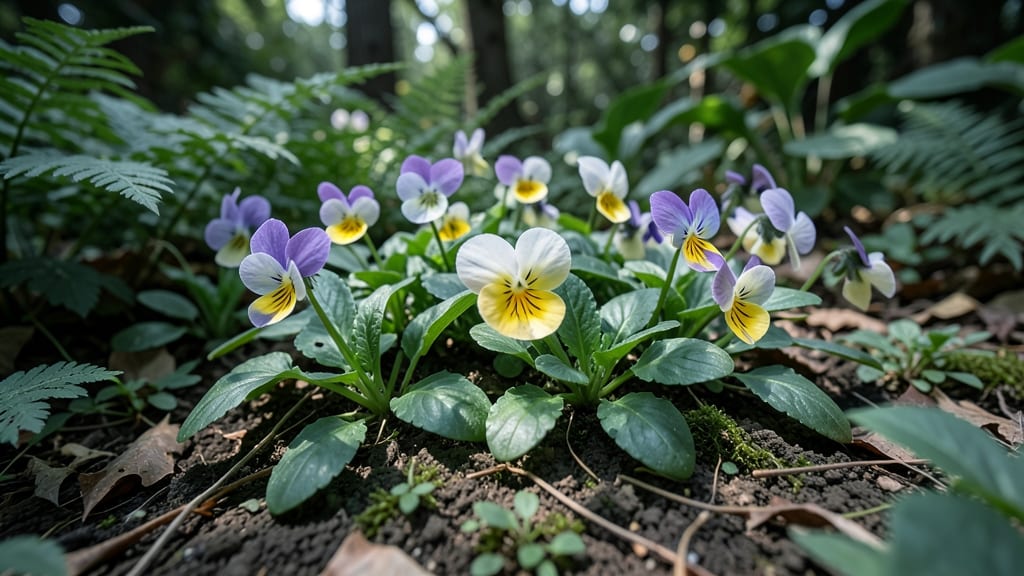
If your garden has shady spots where sunlight barely reaches, violas are your secret weapon for year-round color. These compact, pansy relatives thrive in partial to full shade, producing cheerful blooms from fall through spring when most gardens are dormant.
Plant them in well-draining soil enriched with compost, and they’ll reward you with continuous blooms in shades of purple, yellow, and white. Unlike their sun-loving cousins, violas tolerate moist, humus-rich conditions, making them perfect for woodland gardens or understory plantings near trees. Deadhead spent blooms to encourage more flowers, and they’ll keep multiplying through self-seeding.
Urban gardeners with limited sunlight or woodland gardeners craving color will love how violas brighten dark corners without demanding full sun. Their low-maintenance nature makes them ideal for beginners or busy gardeners. 🌿
Sweet Peas for Vertical Interest
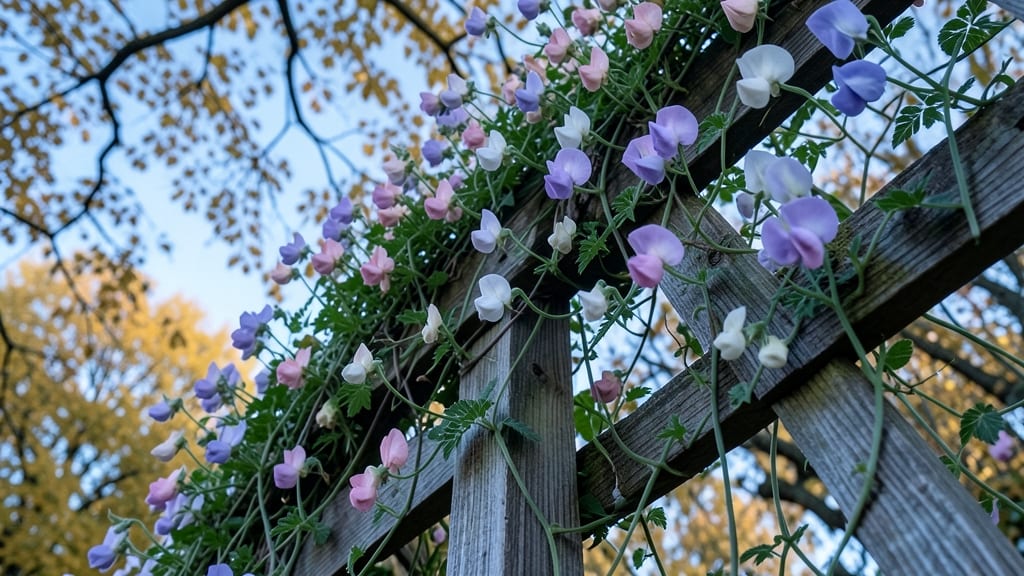
Transform flat spaces into fragrant vertical gardens with sweet peas, the ultimate cool-weather climber. Unlike most flowers that fade in autumn chill, these delicate vines thrive in 40-50°F temperatures and produce intoxicating blooms in shades of lavender, pink, and white—perfect for trellises, arbors, or even old fences.
Plant seeds directly in well-drained soil after the last summer heatwave (typically mid-September in most climates), spacing them 2-3 inches apart at the base of your support structure. Their tendrils will twine upward in just 6-8 weeks, creating a living tapestry that hums with pollinators. For extended blooms, deadhead spent flowers regularly and mulch heavily to protect roots from winter fluctuations.
Urban gardeners with limited ground space or small balconies will love how sweet peas maximize vertical real estate while filling the air with their honey-like fragrance. Even novice gardeners can succeed—just give them consistent moisture and a sturdy trellis to climb. 🌻
Snapdragons for Late-Season Height
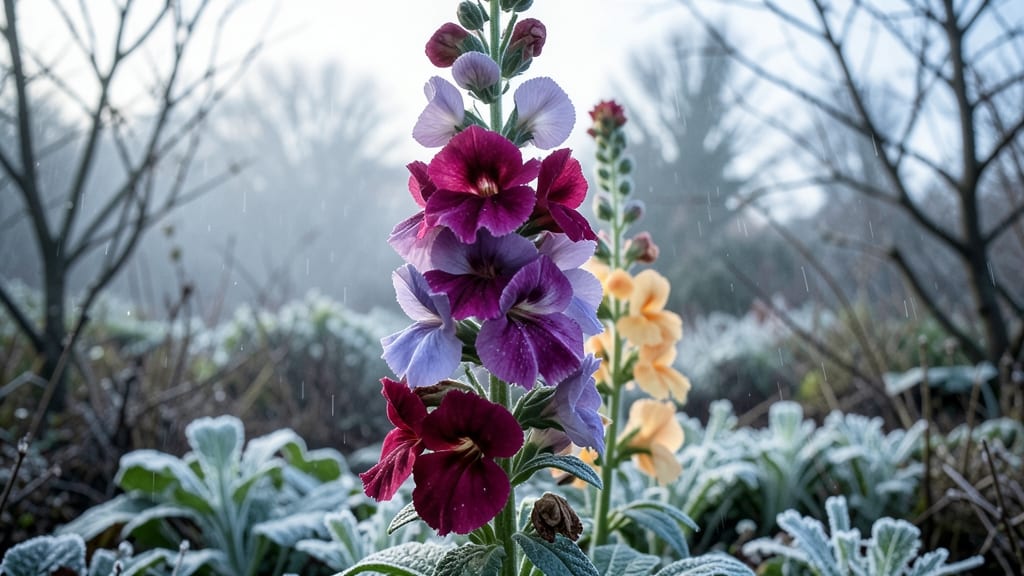
When your garden needs a dramatic vertical pop in late fall, snapdragons deliver with their striking, spiky blooms that defy winter's chill. Unlike many flowers that fade with frost, these cool-season stars continue producing vibrant blooms well into winter, making them perfect for adding structure to fall borders or as long-lasting cut flowers.
Plant snapdragons in well-draining soil with full sun to partial shade, spacing them 12-18 inches apart for sturdy stems. Deadhead spent blooms to encourage continuous flowering, and mulch around the base to protect roots from temperature swings. Their 3-5 foot height provides instant vertical interest, while their unique dragon-mouth-shaped flowers add whimsical charm to winter arrangements.
Gardeners with limited space or those who love fresh-cut bouquets will appreciate snapdragons' dual role as both a structural plant and a vase star. Their 10-14 day vase life means you'll enjoy their beauty indoors long after they're harvested from the garden. 🌻
Dianthus for Deer-Resistant Borders
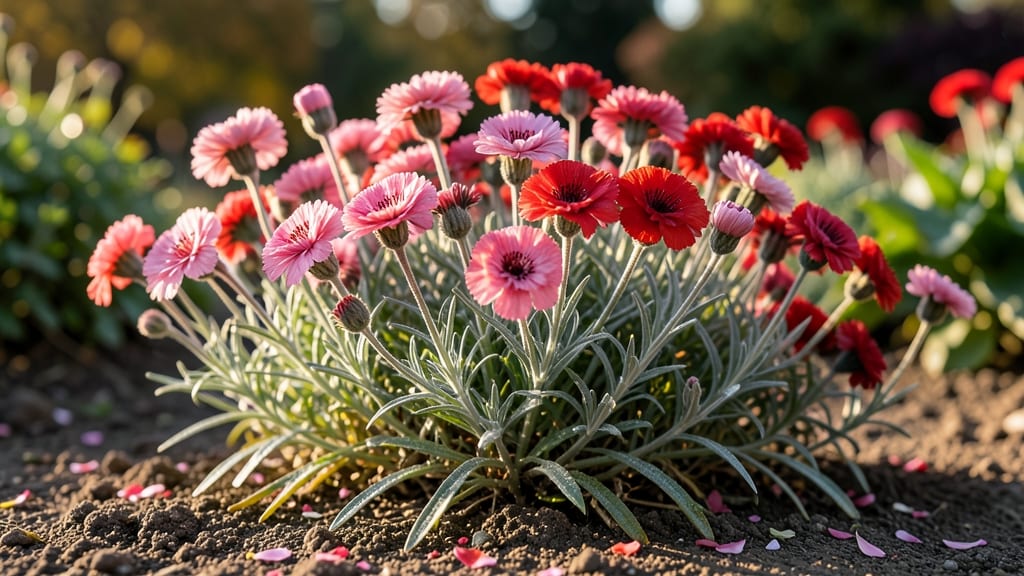
If deer have been nibbling your garden into submission, dianthus might just be your new best friend. This hardy perennial produces clusters of pink and red blooms while its clove-scented foliage acts as a natural deer deterrent—no fences or repellents required!
Plant dianthus in well-drained soil with full sun to partial shade, and watch it thrive in fall through spring. Deadhead spent blooms to encourage more flowers, and group them with lavender or catmint for a pest-repelling powerhouse border. The scent alone keeps rabbits and deer at bay while adding charm to cottage-style gardens.
Perfect for gardeners who want low-maintenance beauty without the hassle of protective barriers, dianthus delivers color and protection in one package. 🌻
Cornflowers for Wildflower Meadows
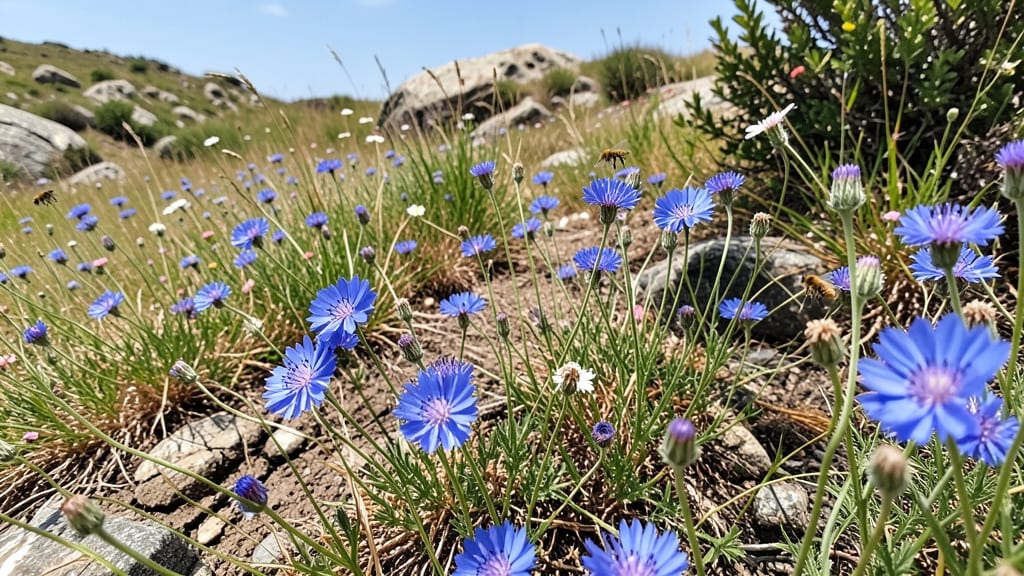
Skip the meticulous garden bed—cornflowers thrive in the wildest corners of your property, turning neglected patches into vibrant meadows with almost no effort from you. Their self-seeding habit means each year’s blooms will be even more abundant, creating a natural tapestry of blue that pollinators can’t resist.
Plant seeds directly in full sun after the first frost, spacing them loosely (they’ll fill in naturally). These hardy annuals tolerate poor soil and drought once established, making them perfect for roadsides, field edges, or even between pavement cracks. Their 3-4 foot stalks add vertical drama while providing nectar for bees and butterflies well into late fall.
This is the ultimate low-maintenance choice for gardeners who want to restore pollinator habitats without the upkeep of formal plantings. Let nature take over—your meadow will reward you with years of effortless beauty. 🌻
Winter Aconite for Early Spring Color
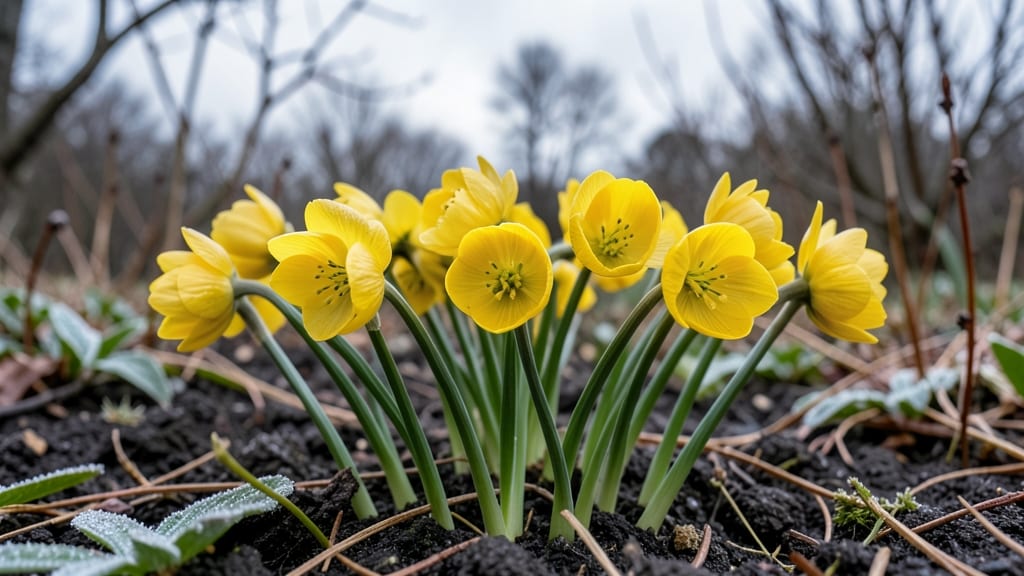
When your garden seems dormant under winter’s gray skies, winter aconite (Eranthis hyemalis) bursts forth like a golden promise of spring. This hardy little bulb blooms as early as February in mild climates, its bright yellow cups lifting spirits before most perennials even think about waking up.
Plant the tubers in fall (September-October) in well-draining soil with full sun to partial shade, and they’ll establish roots before winter. The toxic foliage (keep pets away!) contrasts beautifully with evergreens, while the blooms attract early bees desperate for nectar. Deadhead spent flowers to encourage more blooms, but leave the foliage until it yellows naturally to feed the bulb.
Perfect for urban gardeners with small sunny spots or beginner bulb lovers who want instant color, winter aconite proves that spring isn’t just coming—it’s already here. ✨