
Aphids
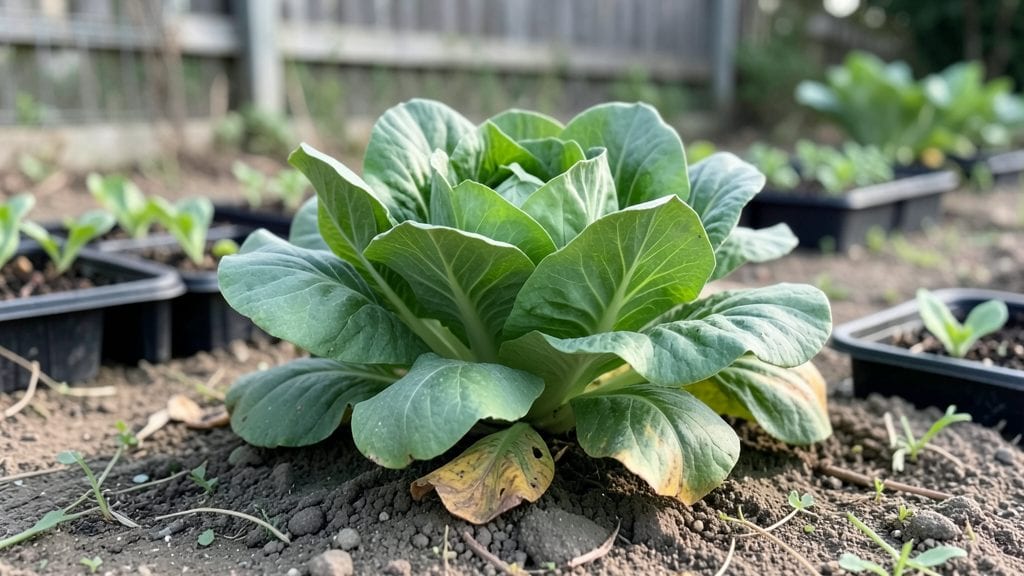
Planting winter lettuce in colder months gives you crisp, sweet greens when most gardens lie dormant. ✨ I’ve grown winter lettuce for five years now, and the key is choosing the right varieties—like ‘Winter Density’ or ‘Arctic King’—that handle light frosts and even snow.
These cold-hardy types don’t bolt or turn bitter in chilly weather, so you can keep harvesting well into spring.
The real game-changer is timing and protection. In Zone 5, I plant my first batch in late August for a fall harvest, then again in early October for winter. A simple 3-foot-tall cold frame or floating row cover adds just enough warmth to keep tender leaves safe during hard freezes.
The soil should be loose and amended with compost—lettuce roots need to breathe, even in cold ground.
By December, you’ll be pulling fresh leaves that taste sweeter after a light frost. My plants stay productive until early April, when I finally replace them with spring crops.
The secret is consistent moisture—water when the soil is dry an inch down, but never let it sit soggy. A little mulch around the base helps too, keeping roots insulated.
This method works in Zones 3-7, though you’ll need extra protection in colder areas. Even if you’ve struggled with winter gardening before, lettuce is one of the easiest crops to extend into the cold season. Let’s get those seeds in the ground before the first frost!
📚 In This Guide
- What you need
- Instructions
- Tips and common mistakes
- Wrapping up and next steps
What you need
- ● Seeds: Cold-hardy lettuce varieties (e.g., Winter Density, Arctic King, or Black Seeded Simpson): 2–3 packets (50–100 seeds total)
- ● Growing Space: Raised beds, containers (minimum 6" deep), or in-ground plots with well-draining soil
- ● Space: 12–18" apart in rows (thin seedlings to avoid overcrowding)
- ● Soil: Loamy, fertile soil with a pH of 6.0–7.0 (test kit recommended)
- ● Compost or aged manure (mix 2–3 inches into topsoil)
- ● Tools: Garden trowel or transplanting spade
- ● Garden rake (for leveling soil)
- ● Watering can or hose with gentle spray nozzle
- ○ Row markers or stakes (optional but helpful for organization)
- ● Cold Frames or Row Covers: Extend the season with frost cloth or mini greenhouses (especially for early/late frosts).
- ● Mulch: Straw or shredded leaves (2–3 inches) to insulate roots and retain moisture.
- ● Fertilizer: Balanced organic fertilizer (e.g., 10-10-10) or liquid seaweed extract for a nutrient boost.
- ● Seedling Trays: If starting indoors, use biodegradable pots or trays with drainage holes.
- ● Pest Deterrents: Neem oil or diatomaceous earth (for aphids—your nemesis in winter lettuce!)
Step-by-Step instructions for planting winter lettuce
Here’s my foolproof method for growing crisp, cold-hardy lettuce that thrives in chilly weather.
🌱 Step 1: Choose the Right Varieties and Prepare the Soil
Pick cold-resistant varieties like Winter Density, Arctic King, or Black Seeded Simpson—they handle frost better than most. Work the soil to a depth of 12 inches, removing rocks and debris. Amend with 2-3 inches of compost to improve drainage and fertility, since cold soil drains poorly.
Test your soil’s pH—lettuce prefers 6.0-7.0. If your soil is too acidic, add a handful of lime per square foot. Rake the surface smooth and break up any clumps so seeds make good contact with the soil. This ensures even germination when temperatures dip.
💧 Step 2: Sow Seeds at the Correct Depth and Spacing
Scatter seeds ¼ inch deep in rows spaced 12-18 inches apart. I use a small hand rake to create shallow furrows for precision. Sowing too deep slows germination, and cold soil can delay sprouts for 10-14 days—patience is key here.
Lightly cover seeds with soil and mist the area with water until the surface is damp but not soggy. Overwatering can wash seeds away or create a crust that blocks sprouts. Space seeds ½ inch apart in the row—thinning later prevents competition for nutrients.
☀️ Step 3: Protect Seedlings from Frost and Ensure Proper Light
Use row covers or cold frames to shield young seedlings from hard frosts (28°F or below). Remove covers on sunny days to prevent overheating. Lettuce needs 4-6 hours of sunlight daily, even in winter—choose a spot with minimal shade from trees or structures.
Watch for first true leaves (not the tiny cotyledons) to appear in 2-3 weeks. If growth slows, add a 1-2 inch layer of straw mulch to insulate roots and retain moisture. Avoid fertilizing until leaves form—young plants need energy for roots, not foliage.
✂️ Step 4: Thin and Maintain for Continuous Harvests
Thin seedlings to 6-8 inches apart when they’re 2-3 inches tall, using scissors to snip at soil level. This prevents overcrowding and reduces disease risk. Harvest outer leaves first—lettuce grows from the center, so you’ll get multiple cuts per plant.
Water at the base in the morning to reduce fungal risks. Let the soil dry slightly between waterings—soggy conditions cause rot. If temperatures drop below 20°F, cover plants with heavy frost cloth or move containers to a sheltered spot.
🌿 Step 5: Extend the Season with Successive Plantings
Sow new seeds every 2-3 weeks until 6 weeks before your first frost date. This staggered approach ensures a steady supply. Use shade cloth (30-50% coverage) in late winter to protect from intense sunlight that can bolt tender varieties.
Harvest when leaves reach 4-6 inches for baby greens or wait until heads form for full-size lettuce. With proper care, your winter lettuce will stay crisp and sweet—no summer wilting in sight!
Tips & tricks for perfect winter lettuce planting
Cold weather doesn't have to mean the end of your lettuce harvest—these key strategies will help you grow crisp, flavorful greens even when temperatures drop.
Variety Selection Matters: While Winter Density, Arctic King, and Black Seeded Simpson are your best bets, don't overlook Romaine varieties like Winter Density Romaine or leaf lettuces like Winter Marvel—they handle frost exceptionally well. I've found that loose-leaf varieties actually improve in flavor after light frosts, developing subtle sweetness. For containers, choose compact varieties like Outredgeous which thrive in smaller spaces.
Soil Preparation Secret: The 12-inch deep soil preparation in Step 1 is crucial, but here's what nobody tells you—mix in a handful of sand or perlite (about 1 cup per square foot) to improve drainage in cold, heavy soils. Cold soil compacts easily, and this prevents waterlogging that can rot roots. Also, if your soil tests below pH 6.0, add lime 2-3 weeks before planting—it takes time to adjust pH in cool conditions.
Timing Secret for Cold Germination: Those 10-14 days for germination in cold soil might feel like forever, but you can cut it down by 3-5 days with a simple trick: soak your seeds in warm water for 6 hours before planting. This jumpstarts the germination process without compromising cold hardiness. Just be sure to plant immediately after soaking—don't let them dry out.
Frost Protection Hacks: When temperatures drop below 28°F, your row covers become essential, but here's how to make them work better: Secure them tightly with bricks or landscape staples—gaps let in cold air. For extra insulation, add a second layer of lightweight row cover during extreme cold snaps. And if you're using cold frames, prop open the lid slightly on sunny days to prevent overheating, which can scorch tender seedlings.
Pro Tips for Planting Winter Lettuce
- Cold weather doesn't have to mean the end of your lettuce harvest—these key strategies will help you grow crisp, flavorful greens even when temperatures drop.
- I've found that loose-leaf varieties actually improve in flavor after light frosts, developing subtle sweetness.
- Cold soil compacts easily, and this prevents waterlogging that can rot roots.
Frequently asked questions
Got questions about planting winter lettuce? You’re not alone! Here are answers to the most common concerns to help you grow a thriving, frost-resistant harvest.
When is the best time to plant winter lettuce?
For most regions, aim to sow winter lettuce 8–10 weeks before your first expected frost. In colder climates (zones 3–5), late summer to early fall is ideal—typically August to September. In milder zones (6–8), you can extend planting into October or November for a winter harvest.
Can lettuce survive a light frost?
Many winter lettuce varieties, like Winter Density or Arctic King, are cold-hardy down to 20°F (-7°C). A light frost can even sweeten the leaves. However, avoid heavy freezes—cover plants with row fabric or cloches if temperatures drop below 15°F (-9°C).
How do I protect winter lettuce from pests like aphids?
Aphids love tender lettuce! To deter them, plant companion crops like radishes or onions nearby, which repel pests. Spray plants with a soapy water solution (1 tsp mild soap per quart of water) or introduce ladybugs for natural control. Avoid chemical sprays close to harvest.
What if my lettuce bolts in cold weather?
Bolting (premature flowering) can happen if temperatures fluctuate. To prevent it, choose bolt-resistant varieties (e.g., Winter Marvel) and keep soil moist—drought stress triggers bolting. Mulch with straw to insulate roots and maintain even moisture. If bolting starts, harvest outer leaves first to prolong the harvest.
Can I grow winter lettuce in containers?
Yes! Use deep containers (at least 6–8 inches) with well-draining soil. Place pots in a sunny, sheltered spot (like a garage or under eaves) to protect from wind and extreme cold. Dwarf varieties like Salad Bowl are perfect for containers. Just ensure they get 4–6 hours of sunlight daily.
Wrapping up and next steps
Growing winter lettuce is a rewarding way to enjoy fresh, crisp greens even when temperatures drop! 🥬 With the right cold-hardy varieties and a few simple steps, you’ll be harvesting delicious lettuce well into the colder months.
Whether you’re a seasoned gardener or just starting out, this guide makes it easy—so grab your gloves and get planting!
Ready to take the next step? Start small—try a few winter-hardy varieties like ‘Winter Density’ or ‘Arctic King’—and watch your garden thrive. Happy growing!