Pruning
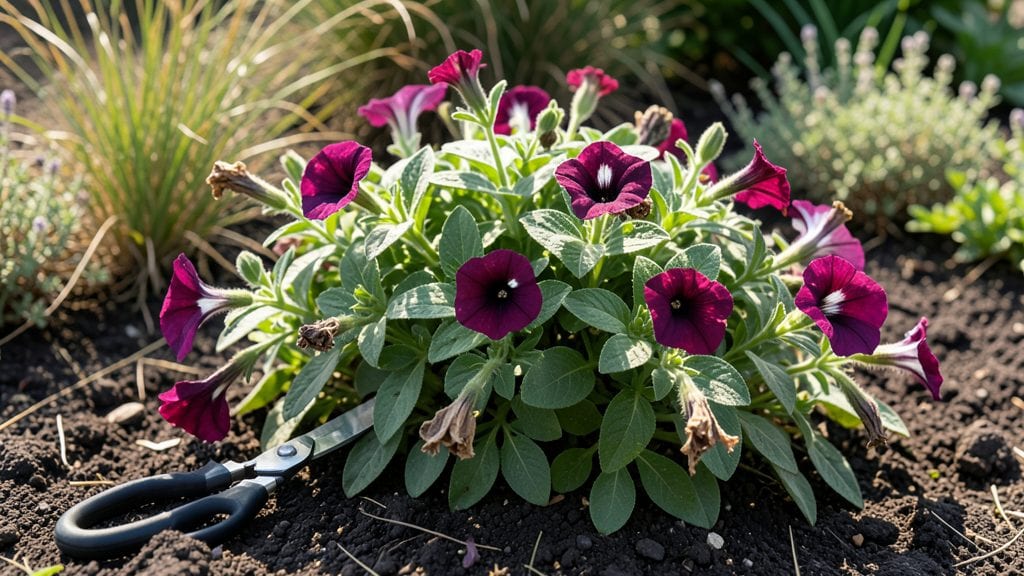
Deadheading plants in October isn’t just tidying up—it’s giving your garden one last chance to shine before winter. 🌿 I learned this the hard way when my late-blooming cosmos faded into brown stalks instead of putting on a final show.
The difference between a garden that lingers into frost and one that looks spent by September comes down to a few sharp snips at the right time.
Here’s the thing—October deadheading works differently than summer cuts. You’re not just encouraging more blooms (though some plants will surprise you), but also preparing stems and roots for dormancy.
Annuals like zinnias and marigolds might still reward you with a few more flowers, while perennials like coneflowers and black-eyed Susans benefit from cleaner stems that won’t harbor pests over winter.
The key is speed: work before the first hard frost, when temperatures dip below 25°F, or diseases can sneak in through fresh cuts.
You’ll end up with stems that look intentional, not ragged, and plants that store energy more efficiently for next spring. The garden stays vibrant longer, and you avoid the post-frost mess of brown, seed-laden blooms scattered across the beds.
Plus, it’s oddly satisfying—like giving your plants a haircut before hibernation. Grab your pruners and let’s make those final weeks count.
Works for everything from patio pots to full sun borders, though coastal gardeners should wait until after the first frost to avoid encouraging tender new growth. The method is simple but makes all the difference between a garden that fades and one that finishes strong. Let’s get those shears sharp!
📚 In This Guide
- What you need
- Instructions
- Tips and common mistakes
- Wrapping up and next steps
What you need
- ● Pruning shears or bypass pruners – Choose sharp, bypass-style shears (not anvil-type) to make clean cuts. A 5-inch pair works for most plants.
- ● Garden gloves – Opt for nitrile-coated or leather gloves (size medium to large) to protect your hands from thorns and dirt.
- ● Disinfectant spray or rubbing alcohol (70%+) – A small spray bottle (4 oz) is perfect for wiping down tools between cuts to prevent disease.
- ● Garden waste bag or bucket – A 10-15 gallon capacity will hold spent blooms and debris. Choose compostable bags if recycling plant matter.
- ● Sharpie or permanent marker – A fine-point marker for labeling plants if you’re dividing or replanting.
- ● Lopper or hedge shears – For larger shrubs or overgrown perennials (e.g., 12-inch lopper for thick stems).
- ● Knee pad or cushion – If you’re deadheading on the ground, a gel-filled pad saves your joints.
- ● Hand lens or magnifying glass – Helps spot pests or diseases hiding in foliage.
- ● Compost bin or shredder – If you’re recycling plant material, a small shredder speeds up decomposition.
- ● Rain jacket or sun hat – October weather can be unpredictable—stay comfy while you work!
Step-by-Step instructions for deadheading plants in October
Here’s how to keep your garden tidy and encourage late-season blooms before winter arrives.
✂️ Step 1: Identify Plants That Still Need Deadheading
Focus on perennials and annuals that are still actively flowering in October, like chrysanthemums, asters, or late-blooming roses. Avoid deadheading plants that have already stopped producing flowers or are preparing for dormancy—you’ll know these by their browned stems and wilted foliage. Look for healthy stems with fresh buds or flowers still opening; these are the ones that might reward you with one last burst of color.
I like to start with the plants closest to the house, working my way outward. This keeps me organized and ensures I don’t miss any hidden spots. If you’re unsure whether a plant is still active, give it a gentle tug—if it resists, it’s still alive and worth deadheading. Skip anything that pulls out easily or has fully browned stems.
✂️ Step 2: Use the Right Tools for Clean Cuts
Grab your sharp pruning shears or clean garden scissors—dull tools crush stems and invite disease. Cut just above a set of healthy leaves or a leaf node, where new growth can sprout. Avoid leaving stubs; a clean cut prevents rot and encourages stronger regrowth. For delicate stems like those on asters, I use small hand pruners to avoid damaging the plant.
If you’re working with larger plants like shrub roses, make your cuts at a 45-degree angle about ¼ inch above a bud or outward-facing leaf. This helps water run off the cut and reduces the risk of fungal infections. Always sterilize your tools with rubbing alcohol between plants to prevent spreading any hidden pathogens.
✂️ Step 3: Remove Spent Blooms and Debris
Snip off the entire spent flower cluster, including the stem below where it meets the main branch. This encourages the plant to redirect its energy into producing new blooms instead of seeding. For plants like chrysanthemums, which often bloom in clusters, remove the entire head down to the first set of leaves. Discard the cuttings in your compost bin or yard waste—just avoid piling them near the base of the plant, where they can harbor pests.
After deadheading, take a moment to clear away any fallen leaves or debris from the plant’s base. This reduces the risk of fungal diseases like powdery mildew, which thrive in damp, cluttered areas. A quick sweep with a small broom or your hand ensures your plants stay healthy and looking their best.
🌿 Step 4: Water and Fertilize for Late-Season Support
After deadheading, give your plants a deep watering to help them recover and encourage new growth. Water at the base of the plant in the early morning so the foliage has time to dry before evening. Avoid wetting the leaves, as this can promote fungal issues. If your soil feels dry 1 inch below the surface, it’s time to water again.
For a final boost, apply a balanced, slow-release fertilizer (like a 10-10-10) around the base of the plant. This gives it a gentle nutrient kick to support any late-season blooms or help it store energy for next year. Stop fertilizing by mid-October, though, so the plant can focus on hardening off for winter rather than growing tender new shoots.
⏰ Step 5: Monitor and Adjust for Your Climate
In colder regions, you might need to stop deadheading by late October to let plants prepare for dormancy. Watch for the first frost forecast in your area—if a hard freeze is expected within a week, hold off on any more pruning. In milder climates, you can continue deadheading into November, especially for frost-tolerant plants like pansies or ornamental kale.
If you notice any plants struggling after deadheading—like wilting leaves or yellowing foliage—give them a little extra care. A light mulch around the base can help insulate roots and retain moisture. By late October, focus on tidying up rather than pushing for more blooms, so your garden stays healthy and ready for spring.
Tips & tricks for deadheading plants in October
A few simple tricks will help you maximize your garden's late-season potential while avoiding common mistakes that can stress your plants.
Start with the most active plants: In Step 1, prioritize plants with fresh buds or flowers still opening—these are your best candidates for one last burst of color. I always check for new growth by gently tugging on stems; if they resist, they're still active. Avoid deadheading plants with browned stems or those that pull out easily, as they're preparing for dormancy.
Precision matters in Step 2: When making your cuts, aim for just above a leaf node or outward-facing bud, especially for larger plants like shrub roses. The 45-degree angle and ¼-inch spacing mentioned in the instructions aren't just details—they help water run off cuts and prevent fungal infections. I keep rubbing alcohol handy to sterilize tools between plants, which has saved me from multiple outbreaks of powdery mildew over the years.
Timing is everything in Step 4: That deep watering after deadheading should go to the base in the morning—this gives foliage time to dry before evening, reducing fungal risks. I check soil moisture by pushing a finger 1 inch below the surface; if it feels dry, that's your cue. For fertilizer, I stick to the 10-10-10 balanced formula and apply it around the base, not on leaves. Stop by mid-October to let plants harden off properly.
Climate awareness in Step 5: Your local frost forecast is your best guide. In colder regions, pause deadheading by late October to let plants prepare for winter. I check my local weather service's frost predictions and mark my calendar—this has prevented me from accidentally damaging tender plants. In milder climates, you can extend deadheading into November for frost-tolerant varieties like pansies.
Pro Tips for Deadheading Plants October
- A few simple tricks will help you maximize your garden's late-season potential while avoiding common mistakes that can stress your plants.
- Start with the most active plants: In Step 1, prioritize plants with fresh buds or flowers still opening—these are your best candidates for one last burst of color.
- Precision matters in Step 2: When making your cuts, aim for just above a leaf node or outward-facing bud, especially for larger plants like shrub roses.
Frequently asked questions
Why is deadheading important in October?
Deadheading in October redirects a plant’s energy toward root growth and next year’s blooms instead of seed production. It also keeps gardens tidy and prevents self-seeding weeds. For late-season bloomers like asters or chrysanthemums, it can extend their flowering—just don’t cut back all stems if frost is imminent!
Can I deadhead too late in the season?
Yes! If frost is forecast, stop deadheading 4–6 weeks before your first expected freeze. Overly late cuts can stress perennials or annuals, leaving them vulnerable. For tender plants (like geraniums), bring them indoors or mulch heavily before winter. Pro tip: Focus on hardy perennials first—they’ll thank you next spring!
What’s the best tool for deadheading in October?
Use clean, sharp pruners or shears for stems thicker than a pencil. For smaller flowers, hand-pinching (removing blooms with your fingers) works great. Avoid dull tools—they crush stems, inviting disease. Bonus: Disinfect blades with rubbing alcohol between plants to prevent fungal spread.
Should I fertilize after deadheading?
Only if your plants look exhausted! Use a balanced, low-nitrogen fertilizer (like 10-10-10) or compost to replenish nutrients. Skip fertilizing right before winter—it encourages tender new growth that frost can damage. Wait until early spring for a fresh boost.
What if my plant keeps blooming after deadheading?
Some plants (like impatiens or zinnias) are heavy rebloomers and may need frequent deadheading to stay in flower. Others (e.g., coneflowers) slow down naturally. If blooms persist but look ragged, trim sparingly. Watch for signs: Wilting leaves or leggy stems mean it’s time to pause!
Wrapping up and next steps
Deadheading your plants in October isn’t just about tidying up—it’s a power move for next year’s blooms! 🌸 By removing spent flowers, you’ll encourage stronger growth, deter pests, and give your garden a polished finish before winter.
Think of it as the last act of love for your plants before they rest.
Ready to take the next step? Grab your pruners, grab a friend, and turn this task into a satisfying weekend project. Your garden—and future spring—will thank you! 🌿✨