
Companion Plants
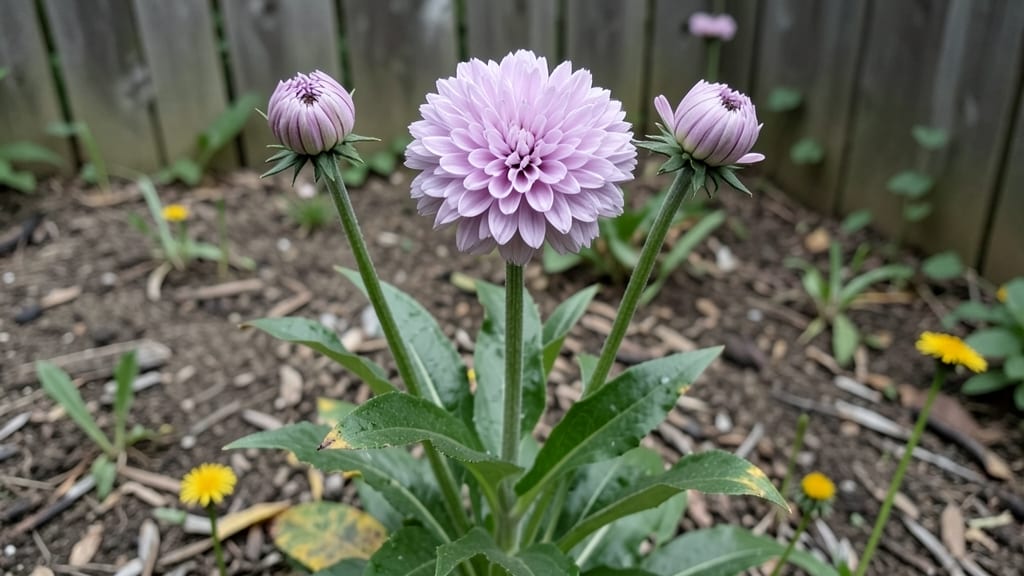
Double coneflower plants bring bold, layered blooms that refuse to quit—even when summer turns dry. 🌻 I learned the hard way that these aren’t your average daisies; they thrive on neglect, reward pollinators like crazy, and come back bigger every year.
The secret lies in mimicking their native prairie roots: full sun, well-draining soil, and a "set it and forget it" approach that still delivers jaw-dropping flowers.
Start with 3-4 inches of compost mixed into your native soil, then plant in spring or early fall when roots can establish before extreme heat. Space them 18-24 inches apart—they’ll spread, but not aggressively.
Water deeply once a week after planting, then let nature take over. These plants store moisture like pros, making them perfect for xeriscaping or low-maintenance borders.
By midsummer, you’ll have football-sized blooms that butterflies can’t resist, with petals so layered they look like double daisies. The stems stay sturdy if you deadhead spent blooms in early fall, and the roots toughen up for winter.
Even powdery mildew rarely touches them—just a light spray of neem oil if you spot white dust on leaves.
Works in USDA zones 3-9, from rocky slopes to clay soil. The only real mistake? Overwatering. Let the soil dry between waterings, and you’ll have years of effortless blooms that outshine store-bought cut flowers. Here’s how to keep them thriving season after season.
📚 In This Guide
- What you need
- Instructions
- Tips and common mistakes
- Wrapping up and next steps
What you need
- ● Double coneflower seeds, transplants, or divisions: Seeds: 10–20 seeds (or more for larger gardens) 🌱
- ● Transplants: 3–5 nursery-grown plants (spaced 12–18" apart)
- ● Divisions: 2–3 mature clumps (if propagating from existing plants)
- ● Well-draining soil: Native soil amended with compost (1–2 inches mixed into the top 6–8" of soil) 🌿
- ● Sunlight access: Full sun (6+ hours of direct light daily) or partial shade (for hotter climates)
- ● Watering can or hose with a gentle spray nozzle (for consistent moisture)
- ● Garden trowel or transplant spade (for digging holes)
- ● Garden gloves (to protect hands while handling soil and plants)
- ● Measuring tape or ruler (to ensure proper spacing)
- ○ Mulch (optional but recommended): 2–3 inches of organic mulch (e.g., shredded bark, straw, or wood chips) to retain moisture and suppress weeds
- ○ Fertilizer (optional): A low-phosphorus, balanced fertilizer (e.g., 10-10-10 or compost tea) applied lightly in early spring
- ● Pruners or shears (for deadheading spent blooms or shaping plants in late winter)
- ● Hardiness zones: Double coneflowers thrive in USDA Zones 3–9 🌡️
- ● Drought tolerance: Once established, they require minimal watering (water deeply 1–2 times per week during the first growing season).
- ● Soil pH: Prefers slightly acidic to neutral soil (pH 6.0–7.0).
- ● Pollinator-friendly tip: Plant near native grasses, bee balm, or black-eyed Susans to create a butterfly magnet! 🦋
Step-by-Step guide for planting and cultivating double coneflower
Here's how to establish these drought-tolerant perennials for years of vibrant blooms.
🌱 Step 1: Select the Perfect Planting Location
Double coneflowers thrive in full sun—choose a site that receives at least 6-8 hours of direct sunlight daily. I always look for spots with well-draining soil, as these plants despise soggy roots. If your soil is heavy clay, amend it with 2-3 inches of compost mixed into the top 12 inches of soil to improve drainage and fertility.
Test your soil's moisture by digging a 6-inch hole—if water pools instead of draining within 15 minutes, you'll need to improve drainage before planting. The ideal location also offers some afternoon shade in hot climates to prevent leaf scorch, though the blooms will still perform well in full sun.
🌿 Step 2: Prepare the Soil and Plant Bare-Root or Container-Grown Plants
For bare-root plants, soak the roots in lukewarm water for 1-2 hours before planting to rehydrate them. This gives the roots a head start and reduces transplant shock. Dig a hole twice as wide as the root ball but only as deep as the top of the root ball—planting too deep can suffocate the crown and lead to rot.
If using container-grown plants, gently remove them from their pots and loosen any circling roots with your fingers. The key is to handle the roots minimally to avoid damaging the delicate feeder roots. Place the plant in the hole so the top of the root ball sits level with the surrounding soil—this ensures proper water drainage and prevents crown rot.
💧 Step 3: Water Deeply and Mulch to Retain Moisture
Water the planting hole thoroughly before placing the plant in, then fill in around the roots with native soil. Press gently to remove air pockets but don't compact the soil—this can restrict root growth. After planting, water deeply to settle the soil and encourage root contact. You'll know you've watered enough when the soil 1 inch below the surface feels evenly moist.
Apply a 2-3 inch layer of organic mulch around the base of the plant, keeping it 2-3 inches away from the stem to prevent rot. I use shredded hardwood mulch because it breaks down slowly and improves soil structure over time. This mulch layer helps retain moisture, suppresses weeds, and regulates soil temperature—critical for drought-tolerant plants like coneflowers.
☀️ Step 4: Provide Minimal Care for Established Growth
Double coneflowers are remarkably low-maintenance once established. Water deeply once a week during the first growing season to encourage deep root development. After the first year, they typically require no supplemental watering in most climates. You'll know your plants are thriving when they produce multiple stems with dark green, upright foliage.
Fertilizer isn't usually necessary, but if your soil is particularly poor, apply a balanced, slow-release fertilizer in early spring. Avoid high-nitrogen fertilizers, as they promote leafy growth at the expense of blooms. Deadhead spent flowers in late summer to encourage a second round of blooms, though coneflowers often self-seed prolifically, creating naturalized drifts over time.
✂️ Step 5: Divide and Maintain for Long-Term Vigor
Every 3-4 years, divide mature clumps in early spring or fall to rejuvenate growth. Dig up the plant and separate the roots into smaller sections, ensuring each has at least one strong bud. Replant the divisions immediately in prepared soil and water thoroughly. This prevents the center of the plant from becoming bare and encourages more vigorous blooming.
Watch for signs of stress like yellowing leaves or wilting, which can indicate overwatering or poor drainage. If pests like aphids or Japanese beetles appear, treat with neem oil or insecticidal soap—coneflowers rarely suffer from serious diseases, making them a carefree addition to any garden.
Tips & tricks for perfect double coneflower planting
These pro insights will help you establish vibrant double coneflowers that thrive for years with minimal effort.
Sunlight Precision: That 6-8 hours of full sun requirement is non-negotiable for optimal blooming. In Step 1, I recommend placing your plants where they'll receive morning sun and afternoon shade in hot climates—this prevents leaf scorch while still delivering the sunlight they crave. Trust me, the difference in bloom quantity between perfect sun and marginal light is dramatic.
Watering Wisdom: When you're checking soil moisture in Step 3, dig your finger 1 inch below the surface—this is where roots actively absorb water. The 15-minute drainage test is crucial: if water pools after that time, you absolutely need to improve drainage before planting. I've seen too many coneflowers fail because of this overlooked step.
Mulch Mastery: That 2-3 inch layer of organic mulch isn't just decorative—it's a moisture regulator. In Step 3, keep it 2-3 inches away from the stem to prevent rot while still protecting roots. Pro tip: Refresh the mulch annually as it breaks down, adding a thin layer each spring to maintain its benefits throughout the growing season.
Division Timing: The 3-4 year division schedule in Step 5 is perfect for maintaining vigor, but there's a trick: divide in early spring when new growth begins. This gives roots time to establish before summer heat sets in. I've found that fall divisions also work well, but spring gives you a head start on the growing season.
Pro Tips for Double Coneflower Plants
- These pro insights will help you establish vibrant double coneflowers that thrive for years with minimal effort.
- Sunlight Precision: That 6-8 hours of full sun requirement is non-negotiable for optimal blooming.
- Watering Wisdom: When you're checking soil moisture in Step 3, dig your finger 1 inch below the surface—this is where roots actively absorb water.
Frequently asked questions
Got questions about growing and caring for double coneflower plants? You're not alone! Here are some of the most common queries—plus quick answers to help you keep your garden thriving.
How do I know if my double coneflower is healthy?
A healthy double coneflower has vibrant green, upright foliage and sturdy stems. Look for plentiful blooms (even if they’re not fully double) and no signs of wilting, yellowing, or brown spots. If leaves are drooping or flowers are sparse, it may need more water, sunlight, or nutrients. Pro tip: Check the roots—if they’re mushy or black, overwatering is likely the issue.
When is the best time to plant double coneflowers?
Plant them in early spring or early fall for the best results. This gives roots time to establish before extreme heat or cold. If you’re in a mild climate, fall planting is ideal—it encourages deeper root growth over winter. Avoid planting in peak summer unless you’re in a cooler region. Bonus: Direct sowing in spring works too, but start seeds indoors 6–8 weeks before the last frost for a head start.
Why aren’t butterflies visiting my double coneflowers?
Butterflies love double coneflowers, but a few factors might keep them away: lack of nectar (deadhead spent blooms), pesticides (skip chemical sprays), or shady spots (they prefer full sun). Try planting near other pollinator-friendly flowers like bee balm or milkweed. Troubleshoot: Ensure blooms are open and accessible—some double varieties have tightly packed petals, which can be tricky for butterflies.
How often should I water double coneflowers?
Once established, double coneflowers are drought-tolerant, but young plants need 1 inch of water per week. Water deeply 1–2 times per week during dry spells, focusing on the soil base (not the leaves). Overwatering can cause root rot, so let the top inch of soil dry out between waterings. Pro tip: Mulch around the base to retain moisture and suppress weeds.
Can I grow double coneflowers in containers?
Yes! Double coneflowers thrive in large containers (at least 12 inches deep) with well-draining soil. Use a balanced pH soil mix and ensure the pot has drainage holes. Choose compact varieties like ‘Double Delight’ for smaller spaces. Container plants may need more frequent watering than ground-planted ones, especially in hot weather. Bonus: Move pots to a sunny spot (6+ hours of light) for best blooms.
Wrapping up and next steps
Double coneflower plants are a low-maintenance, drought-resistant superstar for any garden—packing beauty, pollinator power, and resilience into one easy-care package! 🌻 Whether you’re a seasoned gardener or just starting out, these perennials prove that stunning blooms don’t require constant effort. Ready to transform your outdoor space while supporting local wildlife?
Your next step? Pick a sunny spot, grab some seeds or plants, and get growing! With minimal prep and maximum rewards, double coneflowers will reward you with vibrant colors and buzzing visitors for years to come. Happy planting! 🌱