
Lawn
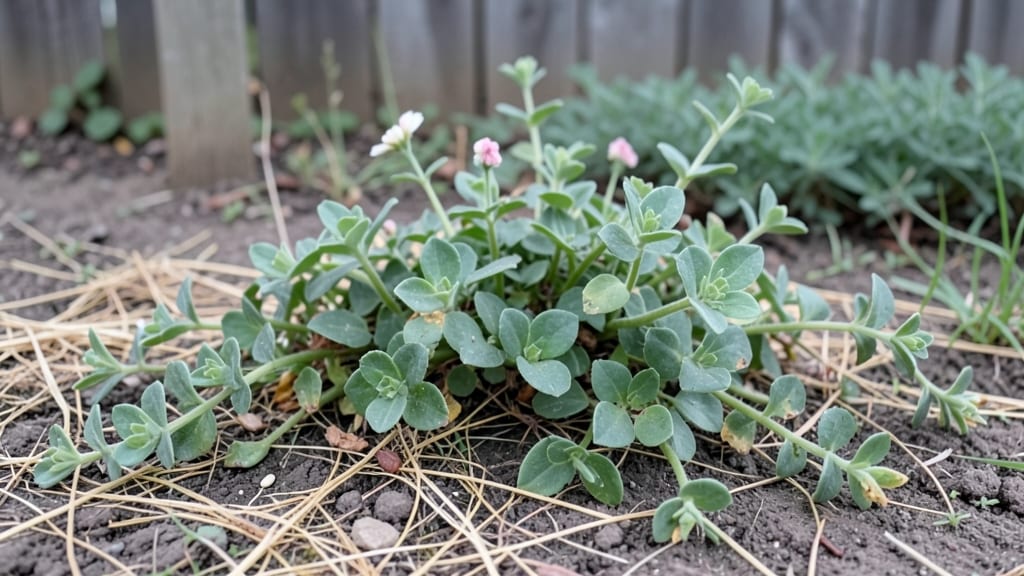
Mastering a Denver planting calendar is your ticket to a garden that thrives year after year 🌱—but get the timing wrong, and you’ll watch your seedlings freeze or bolt in the heat.
Denver’s high elevation and dramatic temperature swings mean the rules are different here than in lower-altitude cities. That first frost can sneak up in October, while summer heat arrives faster than you’d expect.
Whether you’re planting cool-season veggies like spinach or heat-lovers like tomatoes, nailing the schedule is the difference between a bountiful harvest and a sad, wilted mess.
This guide breaks down exactly what to plant when—from hardy March starts to late-October harvests—so you can work with Denver’s climate instead of against it.
We’ll cover frost dates, soil prep secrets, and the best varieties for USDA Zone 5b-6a, plus how to stretch your growing season with simple tricks like row covers.
Ready to grow like a pro? Let’s dive into the month-by-month plan that’ll have your garden looking like a postcard by summer.
Denver planting calendar by month: what to plant when for optimal growth
Denver’s 5,280-foot elevation and short growing season (about 165 frost-free days) mean timing is critical. The average last frost date is April 15, while the first frost typically arrives October 15.
This schedule balances cool-season crops that thrive in early spring and warm-season favorites that need heat to flourish.
To succeed, I focus on 4-6 weeks before last frost for hardy greens and root vegetables, while warm-season plants like tomatoes and peppers wait until 2-3 weeks after last frost. Denver’s dry climate also demands careful water management—especially for newly transplanted seedlings that struggle in our thin air.
Here’s my month-by-month breakdown, tailored to Denver’s USDA Zone 5b/6a and packed with local-friendly varieties that perform best in the Mile High City.
🌱 PRO TIP: Use row covers to extend spring planting by 2-3 weeks and protect tender plants from late frosts. For fall crops, cold frames can add 4-6 extra weeks of harvest time.
| Month | Plant | Action | Notes |
|---|---|---|---|
| March | Peas, Spinach, Lettuce, Kale, Onions, Potatoes | Direct sow or transplant | Use row covers for frost protection; soil temps should be 40°F+. |
| April | Carrots, Radishes, Beets, Broccoli, Cabbage, Herbs (Cilantro, Parsley) | Direct sow or transplant cool crops | Wait until April 15 for heat-loving plants; mulch to retain moisture. |
| May | Tomatoes, Peppers, Eggplant, Corn, Beans, Basil, Marigolds | Transplant seedlings; direct sow warm crops | Harden off seedlings first; black plastic mulch warms soil faster. |
| June | Cucumbers, Squash, Zucchini, Melons, Sunflowers, Nasturtiums | Direct sow; succession plant beans | Trellis vining plants to save space; water deeply 2-3x/week. |
| July | Green Onions, Bush Beans, Lettuce (shade-tolerant), Zinnias | Succession plant; harvest warm crops | Shade cloth for greens; watch for powdery mildew in humidity. |
| August | Kale, Spinach, Radishes, Turnips, Pansies, Snapdragons | Direct sow fall crops | Plant in late August for harvest before frost; fertilize lightly. |
| September | Garlic, Winter Squash, Broccoli, Cabbage, Daffodil Bulbs | Plant bulbs; transplant cool crops | Garlic needs 6+ weeks of cold; mulch heavily. |
| October | Cover crops (Clover, Winter Rye), Perennials, Bare-Root Roses | Plant
Key factors affecting Denver’s planting timeline: elevation, microclimates, and soil tipsDenver’s 5,280-foot elevation creates a unique gardening challenge because the air is thinner, and temperatures fluctuate more dramatically than at sea level. This means your last frost date often arrives later than in lower-altitude cities, and your growing season can feel shorter. For example, while coastal cities might see tomatoes thriving by May, Denver gardeners often wait until mid-June to plant heat-loving crops like peppers and eggplants. Another critical factor is Denver’s urban heat islands, where pavement and buildings trap heat, creating microclimates that can be 5-10°F warmer than surrounding areas. If you live near downtown or in a densely built neighborhood, you might start planting warm-season crops 1-2 weeks earlier than someone in the suburbs. Conversely, shaded yards or north-facing gardens may require delaying planting until soil temperatures consistently reach 60°F. Denver’s soil is another game-changer. Many areas have clay-heavy soil that drains poorly, while others feature sandy loam that dries out quickly. If your soil is clay-based, amend it with compost or organic matter to improve drainage and warmth retention. For sandy soils, add peat moss or coconut coir to help retain moisture and nutrients. Raised beds are a popular solution for both soil types, offering better control over drainage and temperature. ⚠️
⚠️ Denver’s Planting Calendar Warning
Don’t rely on national frost dates! Denver’s 5,280-foot elevation delays spring planting by 2-4 weeks compared to sea-level cities. Use local frost data (like April 15 for last frost) and adjust for your microclimate. Clay soil stays cold longer—wait for 60°F soil temps before planting warm crops. Containers warm faster than ground soil, so you can plant 1 week earlier in pots. Containers and raised beds also play a role in adjusting your planting timeline. Since they warm up faster than in-ground soil, you can often plant warm-season crops 1 week earlier in pots or raised beds. For example, if your ground soil isn’t ready for tomatoes until June 1, a raised bed might reach the ideal 70°F temperature by May 25. However, containers dry out more quickly, so watering consistency becomes even more critical in Denver’s dry climate. Shade vs. full-sun exposures further complicate timing. Full-sun plants like tomatoes and peppers need 6-8 hours of direct sunlight, but in Denver’s partial shade (common in urban areas), these crops may struggle. Opt for shade-tolerant varieties like ‘Solar Fire’ peppers or ‘Cherokee Purple’ tomatoes, which perform better in 4-6 hours of sun. Conversely, cool-season crops like lettuce and spinach thrive in partial shade and can be planted 4-6 weeks before your last frost date. To stay on track, monitor soil temperature with a soil thermometer—aim for 50°F for cool crops and 60-70°F for warm crops. Use mulch to regulate soil temperature and moisture, and consider season extenders like row covers or cold frames to push your planting windows earlier or later. With these adjustments, you can make Denver’s unique climate work in your favor! 🌱 |