
How To
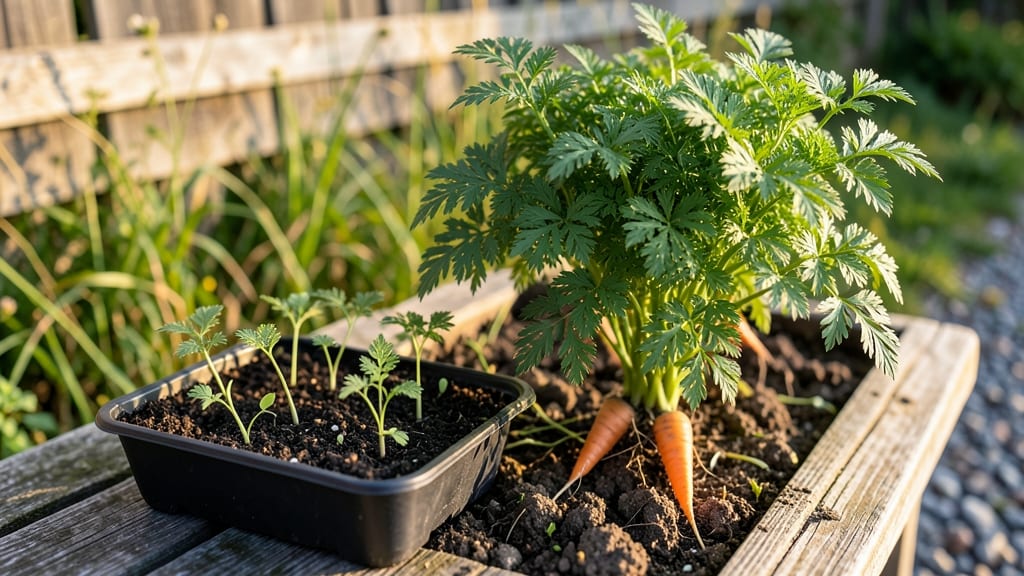
Creating a carrot planting calendar is the secret to harvesting sweet, crisp roots all season long—whether you're in a cool spring or a hot summer zone.
Timing is everything when growing sweet, crisp carrots—plant too early, and frost ruins your crop; too late, and summer heat turns them woody. I’ve lost entire batches to both mistakes, and I’m here to help you avoid them.
This month-by-month guide covers ideal planting windows for your USDA zone, soil prep tricks to prevent forking, and how to stretch your harvest with successive plantings—no green thumb required.
By the end, you’ll know exactly when to sow, how to adjust for your climate, and which varieties thrive in early spring or late fall for a year-round supply of homegrown 🥕.
Best months to plant carrots by US growing zones
Carrots thrive when planted at the right time—too early and frost stunts growth, too late and summer heat makes them bitter. The USDA growing zones (3-9) dictate your perfect planting window, with soil temperatures between 50-75°F being ideal.
Most gardeners aim for spring and fall plantings, but zone-specific adjustments ensure success year-round.
Your last frost date and first frost date are critical. For example, in Zone 5, you’ll plant 2-4 weeks before the last frost, while Zone 9 gardeners can sow year-round with proper watering.
Below, I’ve broken down the best months for each zone, including soil prep tips and seasonal success factors to maximize your harvest.
🌱
| USDA Zone | Best Planting Months | Soil Temp (°F) | Success Factors | Notes |
|---|---|---|---|---|
| 3-4 | Late May - Early June, July - August | 50-65°F | Short season; use cold-hardy varieties like 'Early Nantes' | Extend with row covers for fall harvests |
| 5-6 | March - April, August - September | 55-70°F | Spring: loose soil prevents forking; fall: succession plant every 2 weeks | Avoid planting after July 15 to prevent bolting |
| 7-8 | February - March, August - September | 60-75°F | Spring: heat-tolerant varieties like 'Danvers'; fall: shade cloth in late summer | Plant shallow in sandy soil to prevent cracking |
| 9-10 | January - February, September - October | 65-80°F | Year-round planting; mulch heavily in summer to retain moisture | Use drought-resistant varieties like 'Touchon' |
In Zones 3-4, where summers are short, focus on early spring and late summer plantings. Use black plastic mulch to warm the soil faster in spring, and opt for short-season varieties like 'Paris Market' that mature in 50-60 days.
These zones often struggle with rocky soil, so amend with compost to prevent forking.
For Zones 5-6, the classic spring and fall schedule works best. Start seeds indoors 4-6 weeks before the last frost, then transplant outdoors when soil reaches 55°F.
In fall, aim to plant by August 15 to harvest before the first frost. Succession planting every 2 weeks ensures a continuous harvest.
Gardeners in Zones 7-8 can enjoy year-round planting with adjustments. Spring plantings thrive with morning sun to avoid wilting, while fall crops benefit from light shade cloth in late summer. Choose heat-tolerant varieties like 'Golden Acre' for summer success, and always keep soil consistently moist to prevent woody roots.
In Zones 9-10, where winters are mild, carrots grow almost year-round. Plant January-February for spring harvests and September-October for winter storage. Use drip irrigation to maintain moisture in hot climates, and select drought-resistant varieties like 'Touchon' to avoid cracking. Mulch heavily to retain soil moisture and prevent bolting.
Regardless of your zone, always test your soil pH (ideal: 6.0-7.0) and remove rocks and clumps before planting. Carrots need deep, loose soil to grow straight—work in 2-3 inches of compost at least 2 weeks before sowing for best results.
🌿
Carrot planting schedule by month: what to do each season
Carrots thrive when planted at the right time—too early means frost damage, while late planting leads to tough, bitter roots. My month-by-month carrot planting schedule ensures you get crisp, sweet harvests year-round, whether you're in a cold northern climate or a warm southern region.
The key is succession planting and adjusting for your local frost dates.
For most gardeners, the best time to plant carrots is in early spring and late summer, but exact timing depends on your USDA hardiness zone. In cooler zones (3-5), start seeds indoors in March and transplant after the last frost.
In warmer zones (7-10), you can plant carrots almost year-round, with a break in peak summer heat.
- January-February: Prepare soil by adding compost and sand to loosen heavy clay. Start indoor seeds in zones 3-5 for early spring transplanting. Avoid planting outdoors—frost will kill tender seedlings.
- March-April: Sow seeds 1/4 inch deep in well-drained soil after the last frost date. Use row covers in cold zones to protect young plants. Thin seedlings to 2-3 inches apart once they sprout.
- May-June: Plant succession crops every 2-3 weeks for continuous harvests. Water deeply in the morning to prevent bolting (premature flowering). Mulch with straw to retain moisture and suppress weeds.
- July-August: Plant heat-tolerant varieties like 'Danvers' or 'Nantes' for a fall crop. Avoid planting in scorching heat—opt for shade cloth if temperatures exceed 85°F. Harvest spring-planted carrots before they become woody.
- September-October: Sow seeds for a fall/winter crop in cooler climates. Use row covers to extend the season. Harvest before the first hard frost. In mild zones, carrots can overwinter with protection.
- November-December: In warm zones, plant short-season varieties like 'Paris Market' for early spring harvests. In cold zones, focus on soil prep—add compost and plan next year’s beds. Avoid disturbing the soil where carrots grew to prevent pest buildup.
Companion planting is another trick I swear by to boost carrot yields. Pair them with onions, leeks, or rosemary to deter pests like carrot flies, while avoiding dill or parsley, which attract the same pests. Always keep the soil stone-free—rocks deform roots, leading to misshapen carrots.
Harvest timing is critical to prevent bolting (when carrots flower prematurely). Aim to harvest when roots reach 1-2 inches in diameter and tops are 6-8 inches tall. In my garden, I pull a few test carrots every 2 weeks starting at 60 days to check for readiness.
Store harvested carrots in sandy soil or a cool, dark place for long-term freshness.
With this schedule, you’ll enjoy fresh carrots from spring to fall, even in small spaces. Whether you’re growing Danvers for storage or Rainbow varieties for color, timing and soil prep make all the difference. Happy planting! 🥕