
Planting
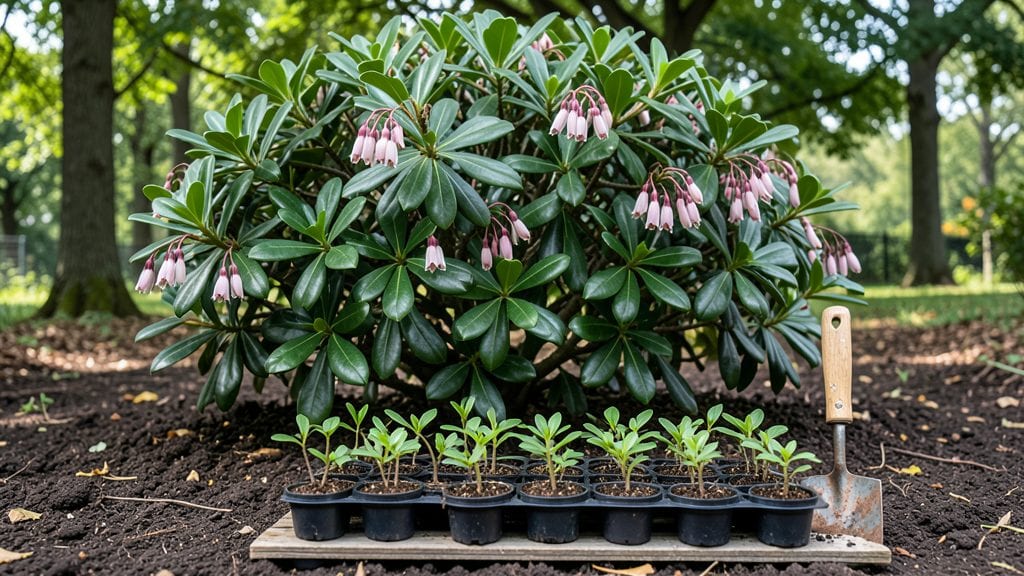
A Colorado planting calendar is your secret weapon for beating the state’s short growing season and unpredictable frost dates—whether you’re in Denver’s urban gardens or the thin air of the Rockies.
Miss the window by even a few weeks, and your 🌱 Calendar seedlings could bolt before summer arrives—or worse, freeze under a late spring frost. I’ve seen it happen more times than I’d like to admit, especially in USDA Zone 5 where the rules feel like they change daily.
This isn’t just about throwing seeds in the dirt and hoping for the best. Colorado’s high-altitude climate demands precision timing, from warm-season crops like tomatoes to cold-hardy greens that thrive in the cooler months.
One wrong move, and you’re either waiting until next year or dealing with stunted plants that never reach their full potential.
Here’s the breakdown you need: the exact months to plant, how to adjust for your elevation, and the critical tasks (like soil prep and mulching) that make all the difference between a thriving garden and a sad, half-dead patch by July.
Colorado planting calendar by month: what to plant when for each altitude zone
Colorado’s diverse altitude zones create unique gardening challenges. Front Range gardens (USDA zones 5–7) enjoy slightly longer growing seasons, while mountain regions (zones 3–5) face earlier frosts and cooler soils. Understanding these differences is key to timing your planting windows correctly.
For example, Denver’s average last frost is around May 15, but at 8,000 feet, it can occur weeks later—sometimes even in early June.
This guide breaks down monthly planting tasks for both cool-season crops (like spinach and peas) and warm-season starts (tomatoes, peppers). I’ll also highlight succession planting opportunities to maximize your harvest.
Whether you’re gardening in Fort Collins, Boulder, or Aspen, these adjustments will help you avoid common pitfalls like late-season frosts or stunted growth from cold soil.
🌱
In March, I focus on cool-season crops like peas and spinach, which thrive in Colorado’s early spring. Start seeds indoors for tomatoes and peppers—they need 6-8 weeks of warmth before transplanting.
Mountain gardeners should wait until soil temperatures reach at least 40°F to avoid stunted growth. A simple soil thermometer (just $10) helps track this critical detail.
By April, most Front Range gardens are ready for direct-sown vegetables like carrots and radishes. However, mountain regions often face delayed planting
Critical success factors for high-altitude Colorado gardens: soil, sun, and timing hacks
Colorado’s thin air and dramatic temperature swings make gardening a high-stakes game of strategy. The key to success lies in understanding how to adapt your approach for 7,000+ feet elevations, where frost can linger until June in mountain valleys.
I’ve learned that soil prep, sun exposure, and precise planting timing are non-negotiable—especially when your growing season might only span 90 days.
One of my biggest breakthroughs came when I started using row covers to extend the season by 3-4 weeks—critical for warm-season crops like tomatoes and peppers. But even with protection, choosing the right plant varieties makes all the difference.
At 5,000 feet, you’ll grow different crops than at 8,000 feet, and your watering schedule needs to account for evaporation rates that are 20% higher than at sea level.
Here’s the game-changing comparison that saved my high-altitude garden last year—showing which crops thrive at different elevations and why.
Best Crops by Elevation
- Potatoes – Plant March–April, harvest July–August
- Peas – Sow April–May, frost-hardy to 25°F
- Kale – Direct-sow March–September, cut-and-come-again
- Carrots – Start April–May, avoid rocky soil
- Potatoes – Plant May–June, harvest August–September
- Radishes – Fast 25-day harvest, sow May–July
- Spinach – Direct-sow May–June, bolt-resistant varieties
- Swiss Chard – Cold-tolerant, plant April–July
Timing is everything in Colorado’s short growing season. I’ve found that fast-maturing varieties are my secret weapon—think ‘Early Girl’ tomatoes (55 days) over heirlooms that take 80+ days.
For warm-season crops, wait until two weeks after your last frost date (usually mid-May in Denver, June in mountains) to plant. And never skip hardening off seedlings—Colorado’s dry winds will shock tender plants in minutes.
Watering presents another challenge. The thin air means plants lose moisture faster, so I water deeply every 2–3 days rather than light daily doses. A drip irrigation system with timers is worth every penny—it delivers water directly to roots and reduces evaporation.
I also mulch heavily with straw or wood chips to retain moisture and regulate soil temperature.
Don’t overlook soil amendments—Colorado’s native soil is often alkaline and nutrient-poor. I mix in compost and sulfur to lower pH for acid-loving plants like blueberries (yes, they can grow here!).
For vegetables, a balanced 10-10-10 fertilizer at planting time gives them the boost they need to thrive in thin, oxygen-poor air.
My final hack? Succession planting every 2–3 weeks ensures a continuous harvest. For example, I plant lettuce every 10 days from May through August—this way, I always have fresh greens even if an early frost hits.
And when summer winds down, I protect late crops with frost cloth until October.