
Plants
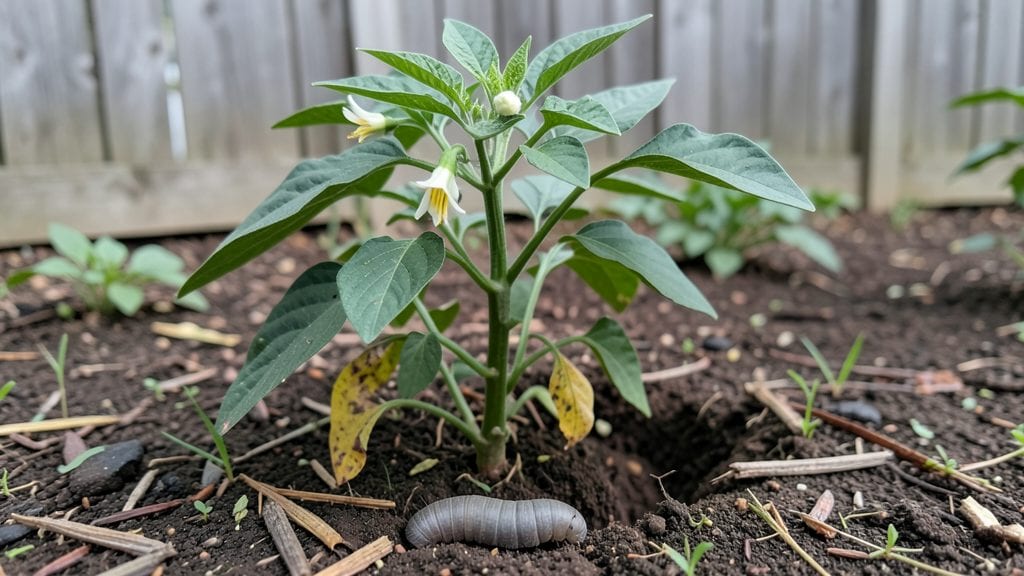
Cutworms on pepper plants can turn your thriving garden into a chewed-up mess overnight—those sneaky caterpillars hide during the day and go to work at night. 🌱 I’ve lost entire pepper seedlings to them, but I’ve also learned how to outsmart them with simple, effective barriers that actually work.
The key is acting fast before they strip your plants down to the stems.
Egg carton barriers are my go-to trick because they’re cheap, easy, and cutworms can’t climb through the slits. You’ll need just a few supplies: egg cartons, scissors, and some stakes to hold them in place.
The best part? This method works for tomatoes, eggplants, and other tender plants too—no chemicals, no fuss. Once you set them up, you’ll sleep better knowing your peppers are safe from midnight munchers.
Within days, you’ll see new growth pushing through because the cutworms can’t reach your plants. The barriers also deter other pests, so you’re solving two problems at once.
Plus, your peppers will mature faster without the stress of being chewed on. This isn’t just a quick fix—it’s a game-changer for anyone growing peppers in their garden.
Works in any climate, from containers to in-ground beds, and you can reuse the barriers season after season. The only thing you’ll be losing sleep over is how much you’ll harvest this year. Let’s get those peppers protected!
The Hidden Reasons Behind Cutworms
Cutworms may seem like a mysterious menace, but their presence on your pepper plants is usually tied to specific environmental and biological triggers. Understanding these causes is the first step to preventing future infestations. Let’s break down why these destructive caterpillars target your peppers—and how you can outsmart them.
Cutworms thrive in environments where they can hide undetected. Dense plantings, thick mulch layers, or unkempt garden beds create the perfect camouflage for these nocturnal pests. When pepper plants are spaced too closely, cutworms can move freely between them, feasting on stems at soil level without being spotted.
Why it happens:
- Lack of sunlight penetration – Weeds and overgrown foliage block light, keeping the soil moist and cool, which cutworms love.
- Reduced predator activity – Birds, toads, and other natural enemies avoid tangled, messy gardens, leaving cutworms unchecked.
- Moisture retention – Dense mulch or organic matter traps humidity, creating an ideal breeding ground for cutworm eggs and larvae.
Actionable fix:
- Thin out pepper plants to 12–18 inches apart for better airflow and visibility.
- Remove weeds and debris regularly (especially after rain).
- Use straw or coarse mulch instead of thick layers of wood chips to deter cutworms.
Cutworms are nocturnal climbers, meaning they emerge at dusk to chew through stems just above the soil line. Their activity peaks after rainfall or heavy watering, when the soil is soft and easy to penetrate.
Why it happens:
- High humidity – Cutworms prefer damp conditions, and moist soil makes it easier for them to move and hide.
- Cool evenings – Temperatures between 50–75°F (10–24°C) encourage their activity, while extreme heat or cold slows them down.
- Disturbed soil – Loose, tilled ground (like freshly planted beds) attracts cutworm eggs, as females lay them in loose, organic-rich areas.
Actionable fix:
- Water in the morning to allow soil to dry slightly before nightfall.
- Avoid over-fertilizing with nitrogen-rich compost, which can attract cutworms.
- Use row covers at dusk if you’ve had past infestations.
Cutworms aren’t born in the soil—they hatch from eggs laid by darkling beetles or armyworm moths.
These moths seek out dark, sheltered spots near pepper plants to deposit their eggs, often choosing areas with: - Freshly turned soil (from planting or weeding). - Low-growing plants (like basil or lettuce near peppers). - Organic mulch or leaf litter (which retains moisture).
Why it happens:
- Moths are drawn to pepper plants because they’re tender, young, and nutrient-rich—perfect for cutworm larvae.
- Night-blooming flowers (like evening primrose) can attract moths, increasing egg-laying near your garden.
- Wind or rain disperses eggs from nearby wild areas, landing on your pepper beds.
Actionable fix:
- Remove night-blooming weeds within 50 feet of pepper plants.
- Handpick moths at dusk (they’re slow fliers and easy to spot with a flashlight).
- Trap adult moths with a pheromone trap or a mercury-vapor lamp (if allowed in your area).
If you’ve grown peppers (or other solanaceous plants like tomatoes and eggplants) in the same spot year after year, cutworms have had time to establish themselves in the soil. These pests overwinter as pupae and re-emerge when conditions are favorable.
Why it happens:
- Larvae survive in the soil for months, waiting for the right moment to hatch.
- Monoculture gardening (planting the same crops repeatedly) depletes natural predators and encourages cutworm populations.
- Nearby wild hosts (like wild nightshades or volunteer tomatoes) provide a food source for moths, increasing egg-laying near your garden.
Actionable fix:
- Rotate pepper plants every 2–3 years to break the cutworm life cycle.
- Plant trap crops (like radishes or lettuce) away from peppers to lure cutworms.
- Encourage beneficial nematodes (Heterorhabditis bacteriophora) by adding compost tea to the soil in early spring.
Cutworms are most active during warm springs and cool summers, particularly in regions with:
- High rainfall (keeps soil moist and larvae active).
- Mild winters (allows pupae to survive and hatch earlier).
- Sudden temperature swings (stresses plants, making them more vulnerable).
Why it happens:
- Spring flushes of new pepper growth attract cutworms seeking fresh food.
- Early-season plantings (before soil warms) are more susceptible because cutworms are still active.
- Drought followed by rain can trigger a population explosion as eggs hatch en masse.
Actionable fix:
- Delay planting peppers until soil temperatures reach 60°F (15°C) to discourage early cutworm activity.
- Use floating row covers for the first 4–6 weeks after transplanting.
- Monitor weather forecasts—if heavy rain is predicted, inspect plants at dusk for signs of cutworm activity.
Quick Fixes for Wormy Pepper Plants
Cutworms may seem like a sneaky pest, but with the right strategies, you can save your peppers and keep your garden thriving. Below are targeted solutions based on the most common causes—from physical barriers to organic sprays—plus prevention tips to stop future attacks.
If cutworms are chewing stems at soil level, they haven’t yet burrowed deep. Act fast with these easy, no-chemical fixes:
🍳 DIY Egg Carton Collars (Best for Seedlings & Young Plants)
Cutworms love soft, tender stems—especially in seedlings. Egg cartons create a physical shield that pests can’t penetrate. How to do it: 1. Flip an egg carton upside down and cut it into individual cups (one per plant).
- Slide each cup over the stem, pressing the bottom edge into the soil (like a mini fence).
- Secure with soil or a toothpick if needed. ✅ Works for: Transplants, young peppers, and vulnerable herbs. 💡 Pro Tip: Use cardboard tubes (toilet paper rolls work too!) for thicker stems.
👨🍳 Collar Method with Hardware Cloth or Aluminum Foil
For mature plants or high-risk areas, hardware cloth (1/4-inch mesh) or crinkled foil wrapped around stems confuses and deters cutworms. Steps: 1. Cut a 6-inch strip of hardware cloth or foil.
- Wrap it tightly around the stem, burying 2 inches into the soil.
- Leave the top open (so the plant can grow) but fold edges inward to block entry. ✅ Bonus: Foil reflects light, disorienting cutworms.
If cutworms are already active, homemade sprays and traps can help reduce their numbers without harsh chemicals.
🔪 Diatomaceous Earth (DE) Dust (Safe & Effective)
Food-grade diatomaceous earth is a natural insecticide that dries out cutworm skin, killing them within 48 hours. How to apply: 1. Sprinkle a thin layer around the base of plants (avoid direct contact with leaves).
- Reapply after rain (DE loses effectiveness when wet).
- Wear a mask—it’s non-toxic but irritating to lungs. ⚠️ Warning: Not for use on flowering plants if bees are present (DE can harm them).
🍲 Beer Traps (Simple & Smelly Solution)
Cutworms are attracted to fermented scents. A beer trap lures them away from your peppers. DIY Beer Trap: 1. Fill a shallow dish (like a pie tin) with beer or wine.
- Bury it near plants at soil level (cutworms will crawl in and drown).
- Check daily and refresh the liquid every 2-3 days. ✅ Best for: Gardens with mild infestations.
🌿 Neem Oil Spray (Prevents Egg Laying)
Neem oil disrupts cutworm life cycles by repelling adults and killing eggs. Recipe:
- 1 tbsp neem oil
- 1 tsp mild dish soap (as an emulsifier)
- 1 quart water How to use: 1. Mix in a spray bottle and shake well.
- Spray on soil and lower leaves (especially at night when cutworms are active).
- Reapply every 5-7 days or after rain. 💡 Pro Tip: Spray in the evening—cutworms are most active then.
Cutworms are nocturnal, meaning they hide during the day and attack at night. A quick evening check can save your plants.
🕯️ Flashlight Hunt (Best for Heavy Infestations)
- Wait until dusk (when cutworms emerge).
- Shine a flashlight near plant bases—you’ll see gray or brown caterpillars curling up.
- Pick them off with gloved hands or a tweezers.
- Drop them in soapy water (instant kill) or relocate them far from your garden (they’ll likely die from exposure). ✅ Works best for: Small gardens or critical plants (like heirloom peppers).
The best defense? Stopping them before they start. Use these low-effort strategies to protect future harvests.
💡 Crop Rotation & Clean Garden Beds
- Avoid planting peppers, tomatoes, or eggplants in the same spot yearly (cutworms target these plants).
- Remove garden debris in fall/winter—cutworms overwinter in dead plants and mulch.
- Till soil in early spring to expose pupae (they’ll dry out).
🎯 Beneficial Nematodes (Underground Allies)
Heterorhabditis bacteriophora nematodes seek out cutworm larvae and paralyze them with bacteria. How to use: 1. Apply in evening (they’re sensitive to sunlight).
- Water soil thoroughly before and after.
- Reapply every 4-6 weeks during peak season. ✨ Bonus: They won’t harm plants, pets, or humans—just pests!
🌿 Companion Planting (Natural Deterrents)
Some plants repel cutworms or attract their predators. Try:
- Basil, mint, or thyme (strong scents mask pepper plants).
- Marigolds (release alpha-terthienyl, a natural cutworm repellent).
- Nasturtiums (trap cutworms away from peppers).
🌙 Solarization (For Severe Cases)
If your garden is heavily infested, solarization can kill cutworm eggs and larvae naturally. How to do it:
- Water soil deeply (to saturate).
- Cover beds with clear plastic (secured with bricks or soil).
- Leave for 4-6 weeks (sun heats soil to 120°F+, killing pests). ⚠️ Best for: Early spring prep before planting.
| Problem | Quick Fix | Prevention Step |
|---|---|---|
| New seedlings being cut | Egg carton collars | Use hardware cloth for mature plants |
| Active chewing at night | Beer traps + neem spray | Install solarization in fall |
| Heavy infestation | Handpicking + DE dust | Introduce beneficial nematodes |
| Recurring issues | Crop rotation + companion plants | Till soil in early spring |
Remember: The key is speed—cutworms strike fast, but with these methods, you can protect your peppers and enjoy a bountiful harvest! 🌶️💪
Frequently asked questions
How do I know if my pepper plants have cutworms?
Look for clean-cut stems just above the soil line—cutworms chew through plants like scissors. Check at dusk with a flashlight; you’ll spot gray or brown caterpillars (1-2 inches long) curling up when disturbed. Young plants may wilt suddenly or collapse entirely.
Can I use chemical pesticides to kill cutworms?
Yes, but organic methods are safer for peppers. Bt (Bacillus thuringiensis) is a natural bacterial spray that targets caterpillars without harming beneficial insects. For severe cases, pyrethrin-based sprays work fast, but avoid them near flowering plants to protect pollinators.
Why do cutworms only attack at night?
Cutworms are nocturnal to avoid predators like birds and lizards. They thrive in cool, damp evenings (50–75°F) when soil is soft for burrowing. Their moth parents lay eggs in sheltered spots, and larvae emerge after dark to feed undetected.
Will cutworms harm my pepper fruits once they grow?
No—they only target stems and seedlings. Once peppers mature, cutworms lose interest as the plants become too tough. Focus on protecting young plants with barriers (like egg cartons) until they’re established. Mature peppers can handle occasional cutworm pressure.
How long do I need to keep barriers like egg cartons up?
Keep them in place for 4–6 weeks after transplanting, or until peppers are 2–3 inches tall with sturdy stems. After that, cutworms are less of a threat. Remove barriers when plants outgrow them to avoid restricting growth.