
Companion Plants
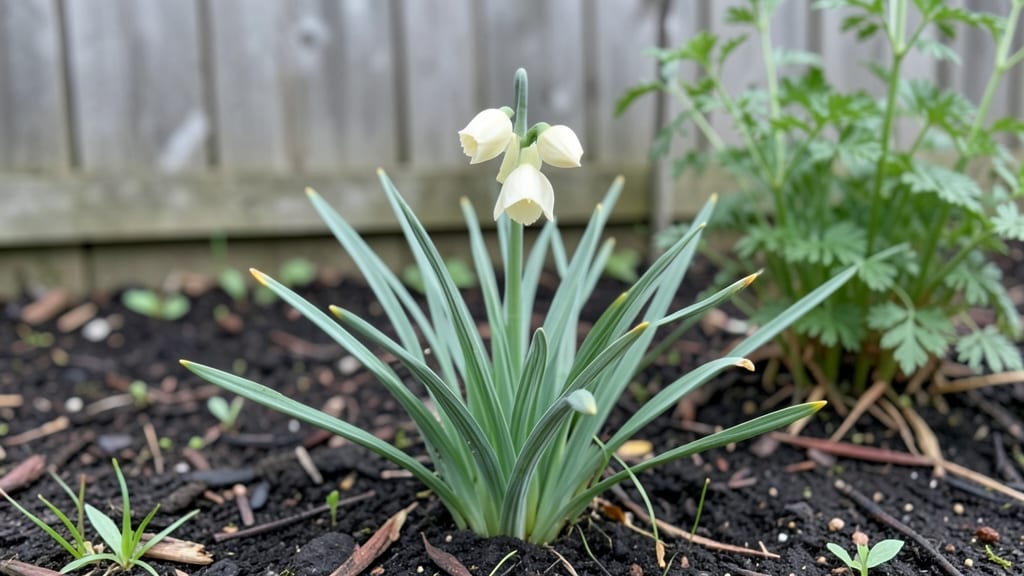
Growing blind daffodil plants transforms your garden into a fragrant magnet for early pollinators while keeping year-round greenery. 🌱 I planted mine last October, and now they’re the first blooms of spring, with their sweet scent drawing bees before other flowers even wake up.
These aren’t your typical daffodils—they skip the showy petals but pack a punch with their long-lasting foliage and clumping habit.
The secret to their success lies in well-draining soil and a sunny spot, even if it’s not perfect. They thrive in containers too, making them ideal for patios or balconies where space is tight.
Once established, they multiply like crazy, forming dense clumps that suppress weeds and stay lush through winter. Just avoid soggy soil—they’ll rot faster than you can say “paperwhite.”
By late spring, you’ll have a carpet of glossy green leaves that outlasts most perennials, plus clusters of tiny, intensely fragrant blooms in late winter or early spring.
The scent alone makes them worth growing, but their ability to naturalize and spread means fewer gaps in your garden beds. They’re the unsung heroes of early-season color.
Whether you’re filling a shady corner, brightening a dull winter border, or just want bees to visit sooner, blind daffodils deliver. They’re tougher than they look—drought-tolerant once established and resistant to deer and rabbits. Here’s how to get them thriving in your space.
Why Daffodils Stay Blind
Blind daffodil plants—those stunning, flowerless varieties—delight gardeners with their lush foliage and year-round greenery. But why do some daffodils refuse to bloom? The answer lies in a mix of genetic quirks, environmental factors, and even age-related shifts.
Let’s break down the science behind their "blindness" and what you can do about it.
Some daffodils are naturally blind due to genetics. Varieties like "Felix," "Tête-à-Tête," or "Ice Follies" are bred to prioritize foliage over flowers, making them ideal for ground cover. These plants carry a recessive gene that suppresses blooming while enhancing leaf production.
Why it happens:
- Flower suppression genes (like those in Narcissus tazetta hybrids) redirect energy toward robust, evergreen leaves instead of floral structures.
- Polyploid varieties (e.g., triploid daffodils) often produce sterile or underdeveloped flowers, focusing instead on vegetative growth.
- Hybrid vigor in some cultivars prioritizes hardiness and foliage over showy blooms.
Actionable insight: 🌱 If you love the look but want some flowers, try planting blind daffodils alongside traditional blooming varieties—they’ll still thrive while adding color to your garden.
Daffodils are tough, but they’re not invincible. Poor growing conditions can trick them into skipping their floral phase. Here’s how:
| Stressor | Effect on Blooming | How to Fix It |
|---|---|---|
| Too much shade | Stunted growth, no flowers | Move to full sun (6+ hours/day) or a lightly shaded spot (they tolerate partial shade but may bloom less). |
| Overwatering | Root rot, energy diverted to survival | Ensure well-draining soil (sandy loam ideal) and water only when the top 2" of soil is dry. |
| Nutrient imbalance | Excess nitrogen = lush leaves, no flowers | Use a low-nitrogen, high-phosphorus fertilizer (e.g., 5-10-10) in early spring. |
| Extreme heat/cold | Shocked plants delay blooming | Mulch in winter and provide afternoon shade in hot climates. |
Why it happens:
- Nitrogen-heavy soils (like fresh compost or lawn clippings) fuel leafy growth at the expense of flowers.
- Competition for resources (e.g., weeds stealing nutrients) weakens the plant’s ability to produce blooms.
- Sudden temperature swings (like late frosts) can damage flower buds before they open.
Pro tip: 💡 Test your soil’s pH (ideal: 6.0–7.0)—acidic or alkaline extremes can stunt blooming.
Young daffodil plants often take 2–3 years to establish roots and energy reserves before flowering. Blindness in mature plants, however, usually signals a deeper issue.
Why it happens:
- First-year plants prioritize root and foliage growth over blooms (a survival strategy).
- Over-mature bulbs (5+ years old) may produce fewer flowers as energy shifts to bulb division.
- Dormant-phase confusion: If planted too late in the season, the bulb may not complete its growth cycle before winter.
Actionable fix: ✂️ Divide clumps every 3–5 years to rejuvenate blooming. Dig up bulbs in late summer, separate offsets, and replant. ⏰ Plant bulbs in fall (6–8 weeks before first frost) to ensure proper dormancy and spring readiness.
Fungal infections (like basal rot) or pests (e.g., daffodil fly larvae) can weaken bulbs, preventing flowering.
Why it happens:
- Fungal infections (e.g., Fusarium) rot bulbs, starving the plant of energy.
- Pests (like narcissus flies) lay eggs in bulbs, causing decay and stunted growth.
- Viral infections (rare but possible) disrupt normal flowering cycles.
Prevention checklist: 🛡️ Rotate planting sites to avoid soil-borne pathogens. 🕵️ Inspect bulbs before planting—discard any with soft spots or mold. 🌿 Use organic fungicides (neem oil) if fungal issues arise.
Daffodils multiply via offsets, but too many bulbs competing for space can lead to blind foliage.
Why it happens:
- Bulb congestion forces plants to focus on leaf production to photosynthesize enough energy for survival.
- Shaded centers of dense clumps receive less light, further reducing blooms.
Solution: 🔄 Thin out clumps in early spring, removing small offsets to give remaining bulbs room to breathe. 🌱 Interplant with shallow-rooted companions (like ajuga or creeping thyme) to improve airflow and light penetration.
Revitalize Your Daffodil Garden
Blind daffodil plants (Narcissus pseudonarcissus) can lose their charm when they fail to bloom or suffer from poor health, but the good news is that most issues have simple fixes. Below, we’ll tackle common problems with practical, step-by-step solutions—plus tips to keep your garden thriving year after year.
Cause: Over time, daffodil bulbs multiply and crowd each other, leading to weak stems, fewer blooms, or no flowers at all. Solution:
- 🔥 Dig Up & Divide – In early spring (after blooming) or fall, carefully lift the bulbs with a fork or trowel. Gently separate clusters, discarding soft or mushy bulbs.
- 👨🍳 Replant Strategically – Space bulbs 6 inches apart in well-draining soil. Avoid planting too deep (6 inches max).
- 🌡️ Mulch Lightly – Add 2 inches of organic mulch (like shredded leaves) to retain moisture without suffocating roots.
💡 Pro Tip: If your daffodils aren’t blooming, overcrowding is often the culprit. Dividing bulbs every 3–4 years keeps them healthy and flowering.
Cause: Shady spots or nutrient deficiencies starve daffodils, leading to sparse or no flowers. Solution:
- 🌿 Move to Sun – Daffodils thrive in full sun (6+ hours/day). If your garden is shady, transplant them to a sunnier location.
- 🍽️ Fertilize Right – Apply a balanced, low-nitrogen fertilizer (like 5-10-10) in early spring. Avoid high-nitrogen feeds—they promote leaves over blooms!
- 🥗 Feed After Blooming – Once flowers fade, switch to a phosphorus-rich fertilizer (like 10-20-10) to encourage next year’s buds.
✨ Bonus: Deadhead spent blooms to redirect energy into bulb strength for future flowers.
Cause: Slugs, aphids, or fungal diseases (like basal rot) can weaken or kill daffodils. Solution:
- 🐌 Slug & Snail Barriers – Create a copper tape barrier around plants or use diatomaceous earth (food-grade) in early evening.
- 🐜 Aphid Control – Spray infested stems with soapy water (1 tsp mild soap + 1 quart water) or introduce ladybugs (natural predators).
- 🌧️ Prevent Fungal Issues – Improve drainage by amending soil with sand or compost. Avoid overhead watering—water at the base instead.
🎯 Prevention Tip: Plant daffodils near alliums (garlic, chives, or onions)—their scent repels many pests!
Cause: Daffodils hate soggy soil (leading to rot) or drought stress (causing weak growth). Solution:
- 💦 Water Deeply, Infrequently – Water once a week (or more in drought) for 10–15 minutes to encourage deep roots.
- 🚰 Improve Drainage – If your soil stays wet, mix in perlite or coarse sand when replanting.
- 🌧️ Mulch for Moisture – A 2-inch layer of straw or pine needles keeps soil cool and retains moisture.
🔥 Warning: Yellowing leaves? Check for overwatering—daffodils prefer slightly dry conditions after blooming.
- 📅 Plant in Fall – Daffodils need 6–8 weeks of cool weather to establish roots.
Plant bulbs in October or November. - 🍂 Leave Foliage Until Yellow – Don’t cut back leaves until they brown naturally—this feeds the bulb for next year! - 🔄 Rotate Plantings – Every few years, move bulbs to a new spot to prevent disease buildup.
With these fixes, your blind daffodils will soon burst into vibrant blooms and stay healthy for seasons to come! 🌼✨
Frequently asked questions about blind daffodil plants
Why are these called "blind" daffodils?
These plants are called "blind" because they're bred to focus on lush foliage rather than producing flowers. Varieties like 'Ice Follies' and 'Felix' prioritize dense, evergreen leaves through genetic suppression of blooming, making them perfect for ground cover and year-round greenery.
Can blind daffodils still produce flowers?
Most true blind varieties won't bloom, but some may produce tiny, sterile flowers. If you want blooms, consider planting them alongside traditional daffodils—they'll still thrive while adding floral interest to your garden. The foliage alone provides enough beauty for many gardeners!
How do I prevent my blind daffodils from spreading too aggressively?
To control their spread, divide clumps every 3-4 years in early spring or fall. Simply dig up the bulbs, separate the offsets, and replant only what you want to keep. This also improves air circulation and prevents overcrowding, which can reduce foliage quality.
Are blind daffodils deer-resistant?
Yes! These plants are generally deer-resistant due to their toxic sap, which deters browsing. Their tough foliage and strong scent make them an excellent choice for gardens where deer are a problem, while still providing beautiful greenery year-round.
Can I grow blind daffodils in containers?
They thrive in containers with well-draining soil and get at least 6 hours of sunlight daily. Use pots with drainage holes and plant bulbs 6 inches apart. They're perfect for patios, balconies, or even as fragrant houseplants in winter.