
Companion Plants
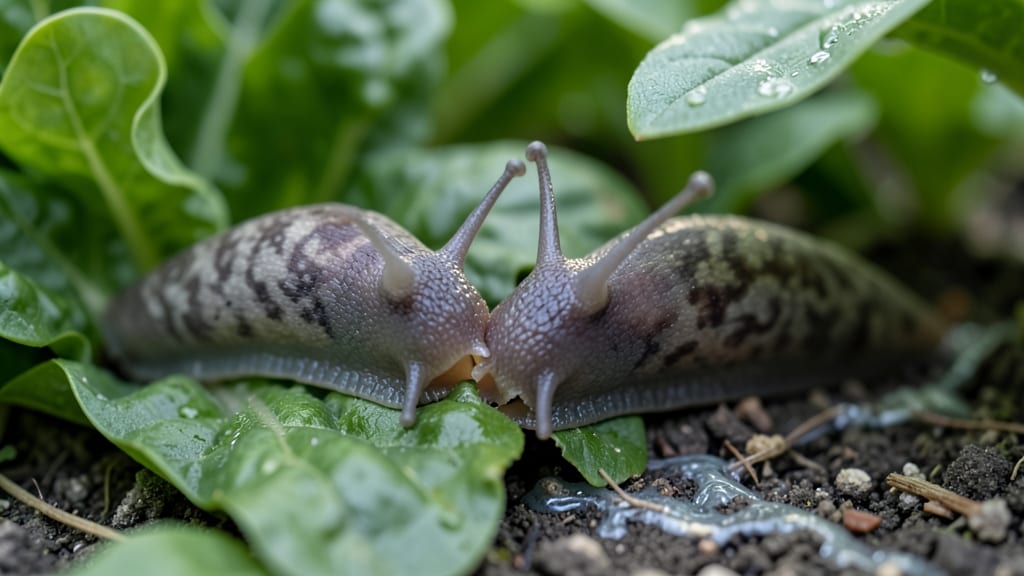
Slugs eating plants is the gardener’s silent nightmare, turning your lush greens into skeleton leaves overnight. 🌱 I’ve lost count of the times I’d wake up to find my hosta leaves looking like Swiss cheese—until I discovered these natural barriers that actually stop them.
The key is combining physical obstacles with plants slugs avoid. Copper tape around pots, crushed eggshells, and even diatomaceous earth create barriers they can’t cross. I’ve also planted garlic and thyme nearby—slugs despise the smell—and seen a dramatic drop in damage within weeks.
You’ll reclaim your garden without chemicals, watching your plants thrive while slugs get the hint. The best part? These methods work for vegetables, flowers, and even houseplants when brought outside. Let’s make your garden slug-proof for good.
Whether you’re dealing with a small patio or a full garden bed, these solutions adapt easily. The secret is consistency—slugs give up when they can’t find a way in. Ready to take back your plants?
The Hidden Triggers Behind Plant Devouring
Slugs aren’t just random plant predators—they’re highly motivated by a mix of environmental cues, biological needs, and even human gardening habits. Understanding why they target your greens is the first step to outsmarting them. Below, we break down the science-backed reasons slugs see your garden as an all-you-can-eat buffet.
Slugs are 80-90% water by weight, and they need constant hydration to survive. Without a damp environment, their slimy bodies dry out and die within hours. Here’s how moisture draws them in:
- Overnight Dew & Rain: Slugs emerge after dark when humidity peaks. Gardens with shady, sheltered spots retain moisture longer, creating ideal slug highways.
- Overwatered Soil: While plants need water, soggy soil is a slug’s dream. Test moisture levels: Stick your finger 2 inches deep—if it’s damp, you’re inviting slugs.
- Mulch & Leaf Litter: Organic mulch (like shredded leaves or wood chips) traps moisture and provides hiding spots. Problem: A 1-inch layer of mulch can turn your garden into a slug hotel.
💡 Pro Tip: Water in the morning instead of evening to let soil dry slightly by nightfall. Use drip irrigation to avoid wetting foliage, which slugs lap up like a cocktail.
Slugs are nocturnal and avoid predators (like birds and frogs) by staying hidden during the day. Their feeding frenzies happen under cover of darkness—here’s why your garden is their favorite hideout:
- Low Light Areas: Slugs prefer shady, damp spots where they can stay cool and moist. Dense foliage or structures (like fences or sheds) create perfect ambush zones.
- Ground-Level Feasting: Most slugs can’t climb smooth surfaces (like glass or metal), so they target low-growing plants or those with broad, flat leaves (e.g., lettuce, hostas).
- Human-Made Havens: Pots, rocks, and even cardboard mulch provide daytime shelters. Slugs squeeze into tiny gaps—just 0.08 inches wide!
🔥 Action Step: Remove ground-level debris daily (especially after rain). Use upright planters or elevated beds to limit access to young plants.
Not all plants are equal in the eyes of a slug. They’re drawn to soft, water-rich, and nutrient-dense foliage. Here’s the menu they’re obsessed with:
| 👍 Slug Favorite Foods | 👎 Slug-Deterrent Plants | Why? |
|---|---|---|
| Lettuce, Spinach | Rosemary, Thyme | High moisture + tender leaves = easy snack. |
| Hostas, Caladiums | Lavender, Geraniums | Stiff, aromatic leaves repel slugs. |
| Strawberries, Tomatoes | Marigolds, Nasturtiums | Sweet, juicy fruits attract slugs. |
| Basil, Parsley | Garlic Chives, Onions | Strong smells mask plant scents. |
✨ Science Note: Slugs use their osmphidia (chemical-sensing organs) to detect volatile organic compounds (VOCs) in plants. Herbs like mint release menthol, which confuses their navigation system.
Slug populations explode during specific conditions. Here’s when they’re most active:
- Spring & Fall: Mild, damp weather (50–70°F) is prime slug real estate. Eggs hatch in spring, and adults seek food before winter.
- After Rain: Slugs double in size within 24 hours of heavy rain, making them hungrier and more mobile.
- Warm Nights: Temperatures above 60°F encourage slug activity, while frost kills them off.
📊 Data Point: A single slug can lay 40–50 eggs in a season. Without intervention, one generation can become a thousands-strong army in months.
Sometimes, well-meaning gardening practices backfire spectacularly. Here’s how:
- Over-Fertilizing: Nitrogen-rich soil makes plants softer and more appealing. Slugs can detect fertilizer residues on leaves.
- Monoculture Gardens: Planting only one type of crop (like a veggie patch) gives slugs a feast-or-famine buffet. Diversity confuses them.
- Ignoring Early Signs: Slugs start with small, irregular holes on leaf edges. By the time you see large damage, they’ve already moved on.
🎯 Fix It: Rotate crops annually and interplant slug-repellent herbs (like chives) between vulnerable plants.
Natural Ways to Stop Plant Munching
Now that you know why slugs are feasting on your garden, it’s time to take action! The good news? You don’t need harsh chemicals to keep these slimy pests at bay. Instead, try these effective, eco-friendly solutions tailored to the most common causes of slug damage.
Slugs thrive in soggy soil, so reducing moisture is key. Here’s how:
- 🔥 Improve Drainage – Amend heavy clay soil with compost or sand to help water drain faster.
- 🍳 Water in the Morning – Avoid evening watering, which leaves dew on leaves (a slug magnet).
- 👨🍳 Use Mulch Strategically – Opt for gravel or coarse wood chips instead of fine mulch, which retains moisture.
💡 Pro Tip: If your garden is naturally damp, plant slug-resistant varieties like lavender, thyme, or rosemary—they’re aromatic and slugs avoid them!
If you’ve spotted slug trails, act fast before they multiply.
- 🥘 Beer Traps – Bury a shallow dish filled with beer near affected plants. Slugs crawl in and drown—no chemicals needed! - 🔪 Handpick at Night – Use a flashlight after dark when slugs are most active.
Drop them in soapy water (humane and effective). - ⏰ Copper Barriers – Wrap copper tape around pots or raised beds. The mild electric shock repels slugs naturally.
✨ Bonus: Place crushed eggshells or diatomaceous earth around plants—both irritate slugs’ soft bodies.
Not all plants are slug buffets! Swap vulnerable greens for:
| Slug Lovers (Avoid) | Slug Haters (Plant Instead) |
|---|---|
| Lettuce, Kale, Spinach | Marigolds, Geraniums, Snapdragons |
| Hostas, Impatiens | Rosemary, Sage, Oregano |
| Tomatoes (young plants) | Nasturtiums, Alyssum, Fennel |
🎯 Smart Tip: Interplant slug magnets (like lettuce) between slug-resistant flowers to distract pests away from your prized veggies.
Let nature do the work! Attract slug-eating allies like:
- 🐸 Frogs & Toads – Add a small pond or shallow dish of water to lure them in.
- 🐞 Ground Beetles & Centipedes – Leave leaf litter in shady spots—they hunt slugs!
- 🐦 Birds & Hedgehogs – Provide bird feeders or a hedgehog-friendly habitat (like a small pile of leaves).
🔥 Quick Fix: Sprinkle wood ash around plants—it creates a barrier slugs dislike while adding nutrients to the soil.
To keep slugs from returning: ✅ Rotate crops to disrupt slug life cycles. ✅ Keep grass short—tall grass hides slugs and eggs. ✅ Use raised beds—slugs struggle to climb. ✅ Plant slug-repelling herbs (mint, garlic, chives) near vulnerable plants.
With these simple, slug-proof strategies, your garden will stay lush—and slug-free! 🚫🐌
Frequently asked questions about slugs devouring gardens
Why do slugs prefer certain plants over others?
Slugs target plants with soft, water-rich leaves like lettuce or hostas because they're easy to consume. They avoid tough, aromatic plants like rosemary or thyme because their strong scents and textures irritate slugs' sensitive bodies. The key is planting slug-resistant varieties near vulnerable crops to create natural barriers.
How quickly can slugs destroy a garden?
A single slug can eat up to 50 square inches of leaves per night—that's about the size of a dinner plate! Without intervention, a small garden can become severely damaged in just 3-5 days during peak slug season (spring/fall). Early detection and barriers are critical to preventing total loss.
Are beer traps actually effective against slugs?
Yes, beer traps work because slugs are attracted to the yeast and alcohol fumes. A shallow dish of beer buried flush with soil will drown slugs within hours. For best results, place traps near slug activity zones at dusk when they're most active. Refresh the beer every 2-3 days for continuous protection.
Can I use coffee grounds to repel slugs?
Coffee grounds create a physical and chemical barrier that slugs avoid. Sprinkle used grounds around plants or mix them into soil—the caffeine and grit irritate slugs' slimy bodies. Reapply after rain as it washes away. This method is especially effective for container gardens.
What's the best time of day to check for slugs?
Go slug hunting after dark with a flashlight when they're most active. Early evening (just after sunset) is ideal—slugs emerge from hiding to feed. For daytime checks, look under boards, rocks, or dense foliage where they hide from predators. Always wear gloves as slugs can carry parasites.