
Pruning
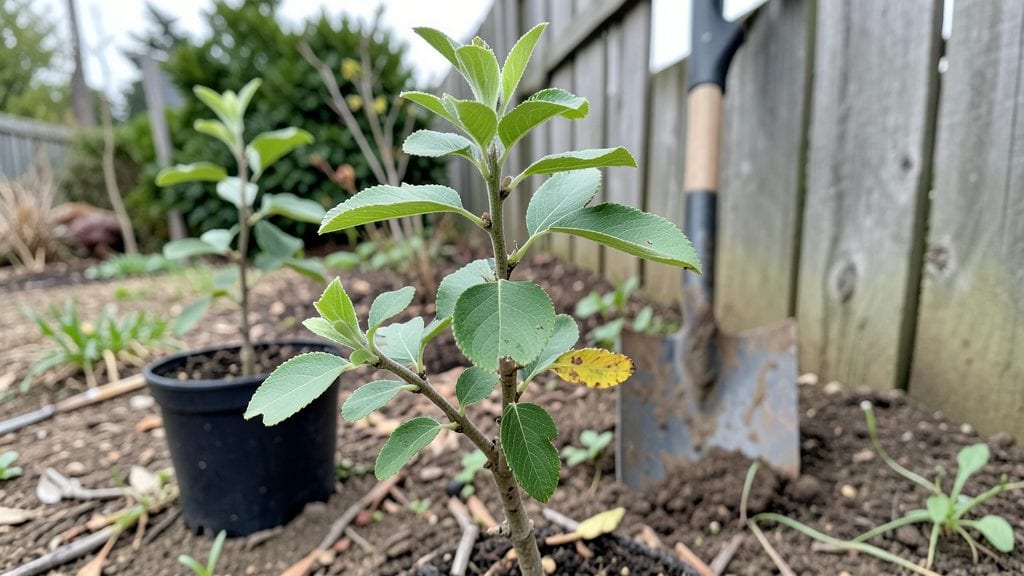
Planting a crab apple tree unlocks four-season interest with almost no fuss. ✨ I’ve watched mine go from bare branches in winter to white blossoms in spring, glossy fruit in fall, and fiery foliage in autumn—all while requiring less pruning than most fruit trees.
The key is getting it in the ground right, and I’ll walk you through every step so you end up with a tree that thrives with minimal effort.
Start by choosing a spot with full sun (at least 6 hours daily) and well-draining soil—crab apples hate soggy roots. Dig a hole twice as wide as the root ball but no deeper, then loosen the soil around it to encourage root spread.
Spring or early fall are the best times to plant, when temperatures are mild and moisture is consistent. For young trees, a 5-foot diameter planting zone gives them room to establish without competition.
Once planted, water deeply to settle the soil, then add 2-3 inches of mulch (keeping it 6 inches from the trunk) to retain moisture and suppress weeds. The first year is all about patience: water weekly if rainfall is light, and avoid heavy pruning—just remove dead branches.
By year two, you’ll see new growth, and by year three, those iconic clusters of fruit will start appearing.
This tree handles neglect surprisingly well, but a little attention goes a long way. Fertilize lightly in early spring, and watch for pests like apple maggots—organic sprays work fine.
With the right spot and basic care, your crab apple will reward you for years with color, texture, and wildlife-friendly fruit, even if you’re not a pruning perfectionist.
📚 In This Guide
- What you need
- Instructions
- Tips and common mistakes
- Wrapping up and next steps
What you need
- ● Crab apple tree sapling (1-3, depending on desired spacing—check your variety’s mature size for guidance)
- ● Shovel or trowel (for digging—opt for a round-point shovel for ease)
- ● Garden gloves (a durable pair to protect your hands from thorns and soil)
- ● Compost or well-aged manure (5-10 gallons, mixed into the planting hole)
- ● Mulch (2-3 inches of organic mulch like wood chips or straw to retain moisture)
- ● Watering can or hose with a gentle spray nozzle (for post-planting hydration)
- ○ Staking materials (optional but helpful): 2-3 wooden stakes (4-6 feet tall)
- ● Soft tree ties or garden twine (to secure the sapling without damaging the trunk)
- ● Soil tester kit (to check pH—crab apples prefer slightly acidic to neutral soil (pH 6.0-7.0))
- ● Root stimulator (like mycorrhizal fungi or a powdered root booster)
- ● Tree guard or protective collar (to shield young bark from rodents or lawnmowers)
- ● Post-hole digger (if staking is needed in hard or rocky soil)
- ● Pruning shears (for trimming any damaged branches after planting)
Instructions for planting a crab apple tree
Here’s how to plant your crab apple tree for vibrant growth and seasonal interest.
🪴 Step 1: Choose the Perfect Planting Spot
Crab apple trees thrive in full sun—select a location with at least 6-8 hours of direct sunlight daily. They tolerate a range of soil types but prefer well-draining, slightly acidic soil with a pH between 5.5 and 7.0. Avoid low-lying areas where water pools after rain, as soggy roots lead to root rot.
Dig a hole twice as wide as the tree’s root ball but only as deep as the container’s base. Loosen the soil at the bottom with a shovel to encourage root spread. If your soil is heavy clay, mix in a few inches of compost to improve drainage. This ensures roots can establish quickly without suffocating.
🌱 Step 2: Prepare the Tree for Planting
Remove the tree from its container and gently loosen the roots with your fingers if they’re circling tightly. Prune any broken or damaged roots with clean, sharp pruners. This step prevents girdling and encourages outward root growth. If the tree has a root ball wrapped in burlap, leave it intact unless it’s tightly bound.
Place the tree in the hole so the top of the root ball sits 1-2 inches above ground level. This prevents water from pooling around the trunk, which can cause rot. Fill the hole halfway with soil, then water deeply to settle it. Adjust the tree’s position if needed before backfilling completely.
💧 Step 3: Backfill and Mulch for Long-Term Health
Fill the hole with the remaining soil, pressing lightly to remove air pockets. Water again to ensure the soil settles around the roots. Once settled, add a 3-inch layer of mulch (like wood chips or shredded bark) around the base, keeping it 6 inches away from the trunk. Mulch retains moisture and regulates soil temperature, but too much can smother the roots.
Water the tree deeply right after planting to help the soil compact and eliminate air gaps. Over the next 2-3 weeks, water once a week unless rainfall provides at least 1 inch of moisture. Avoid overwatering—crab apple trees are drought-tolerant once established, and soggy soil invites disease.
☀️ Step 4: Provide Support and Seasonal Care
If your tree is young or top-heavy, install a stake or tree tie to support it against wind. Use a soft, breathable material (like fabric strips) to avoid girdling the trunk as it grows. Prune only to remove dead or crossing branches in late winter or early spring. Crab apple trees need minimal pruning—focus on shaping rather than heavy cuts.
Fertilize lightly in early spring with a balanced, slow-release fertilizer (like 10-10-10) if your soil is poor. Over-fertilizing encourages weak growth and reduces disease resistance. In fall, add another 1-2 inches of mulch to protect roots from winter temperature swings. With proper care, your tree will reward you with spring blooms, summer shade, and autumn fruit for decades.
Tips & tricks for perfect crab apple tree planting
Between us, planting a crab apple tree is easier than you think—but these small details make all the difference for long-term success.
The Sunlight Factor: That 6-8 hours of sunlight isn't just a suggestion—it's non-negotiable for healthy growth. I've planted trees in partial shade, and while they survive, they never produce the same vibrant blooms or fruit. If your yard has areas with less sunlight, consider planting near a southern-facing wall or fence that reflects light. Trust me on this: the difference in growth and fruit production is dramatic.
Root Ball Prep: When you're loosening those circling roots in Step 2, don't rush—this is where most planting mistakes happen. I like to use my fingers to gently separate the roots, working them outward like a fan. If you notice any roots growing into a tight spiral, make a clean cut with pruners to prevent girdling. The goal is to encourage outward growth, not keep roots trapped in a circle that'll strangle itself as the tree matures.
Mulch Magic: That 3-inch layer of mulch around your tree's base isn't just decoration—it's a moisture regulator and temperature insulator. I've seen people overdo it and smother the trunk, which can cause rot. Keep that mulch 6 inches away from the trunk and never pile it higher than 3 inches. For extra protection, I add a 1-2 inch layer in fall to shield roots from winter temperature swings.
Watering Wisdom: The 2-3 week watering schedule is perfect, but here's the thing about crab apple trees: they're actually drought-tolerant once established. The key is that first critical period. After planting, I water deeply every week unless we get at least 1 inch of rain. After 3 weeks, I switch to watering only during dry spells. Overwatering is the #1 cause of root rot in these trees—soak the soil, then let it dry slightly between waterings.
Pro Tips for Crab Apple Tree Planting
- Between us, planting a crab apple tree is easier than you think—but these small details make all the difference for long-term success.
- The Sunlight Factor: That 6-8 hours of sunlight isn't just a suggestion—it's non-negotiable for healthy growth.
- Root Ball Prep: When you're loosening those circling roots in Step 2, don't rush—this is where most planting mistakes happen.
Frequently asked questions
Got questions about crab apple tree planting?
Here are some common ones to help you get started with confidence!
When is the best time to plant a crab apple tree?
The ideal time to plant a crab apple tree is in early spring (before buds break) or fall (4–6 weeks before the first frost). This gives roots time to establish before extreme temperatures. Avoid planting in summer heat or winter freezes.
How far apart should I space crab apple trees?
Space your trees 15–25 feet apart for full-grown canopies. If planting near a fence or wall, leave at least 8–10 feet of clearance. Proper spacing ensures airflow, reducing disease risk and making future pruning easier.
Can I plant a crab apple tree in a small yard?
Yes! Dwarf varieties (like 'Dolgo' or 'Centennial') grow 15–20 feet tall and thrive in tight spaces. Just ensure it gets 6+ hours of sunlight daily. Container planting is also an option for patios or balconies!
Why are my crab apple tree leaves turning yellow?
Yellow leaves often signal overwatering, nutrient deficiency (like iron), or fungal issues. Check soil moisture (roots need well-draining soil) and inspect for pests. A balanced fertilizer in spring can help, but prune affected branches to improve airflow.
Do crab apples need pruning if they’re low-maintenance?
While crab apples require less pruning than fruit trees, light annual pruning (removing dead/diseased wood) keeps them healthy. Prune in late winter to shape the tree and encourage blooms. Avoid heavy cuts—focus on airflow and structure!
Wrapping up and next steps
Planting a crab apple tree is a rewarding way to add year-round beauty to your landscape with minimal upkeep—especially when it comes to pruning! 🌳 From vibrant spring blooms to striking fall foliage and even winter interest, these trees offer effortless elegance.
Whether you’re a seasoned gardener or just starting out, the key is choosing the right variety, preparing the soil, and giving your tree the best start.
Ready to transform your yard? Take the next step:
- Mark your calendar for fall planting (the ideal time for most regions).
- Grab your tools and review our step-by-step guide.
- Watch your crab apple tree thrive—and enjoy the compliments!