
Pruning
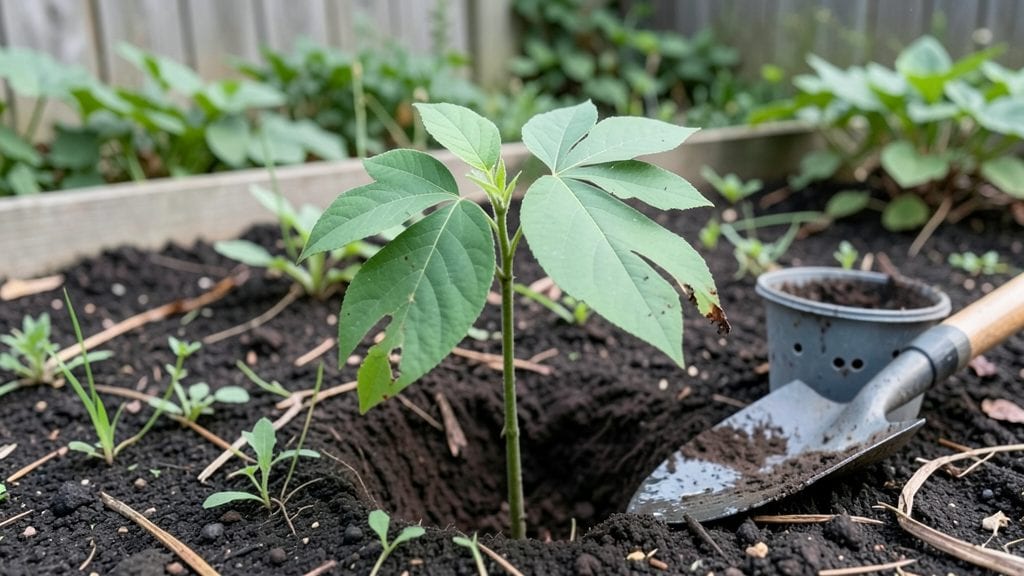
Planting a buckeye tree means adding a low-maintenance powerhouse to your landscape—one that thrives year-round with stunning foliage and minimal fuss. 🌿 I’ve grown both Ohio buckeye (Aesculus glabra) and horse chestnut (Aesculus hippocastanum), and the right spot can mean the difference between a tree that flourishes and one that struggles.
The key? Well-drained soil, plenty of sunlight, and a little patience during the first few years.
You’ll need a shovel, compost, and a 5- to 10-gallon container for smaller trees, but the real secret is the soil. Buckeyes hate soggy roots, so if your yard stays wet, amend the planting hole with sand or gravel.
For spacing, give mature trees 30 to 40 feet of room—they’re not shrubs, but they’re not giants either. Water deeply after planting, then keep the soil moist but not soaked for the first 6 to 8 weeks.
The payoff? A tree that stays vibrant green through summer, turns golden in fall, and drops glossy buckeyes (or horse chestnuts) in late autumn. These aren’t just pretty—they’re ecological workhorses, feeding wildlife and resisting pests better than many ornamentals.
Plus, they rarely need pruning, which means more time enjoying them and less time fussing.
Whether you’re in the South or Midwest, buckeyes adapt well—just avoid planting in areas with heavy frost pockets. Here’s how to get started without the common mistakes that trip up beginners.
📚 In This Guide
- What you need
- Instructions
- Tips and common mistakes
- Wrapping up and next steps
What you need
- ● Buckeye seeds or sapling: 1–3 seeds (if starting from scratch) or 1 healthy 1–3 gallon container sapling (nursery-grown).
- ● High-quality soil: 5–10 cubic feet of well-draining, slightly acidic soil (pH 6.0–7.0). Mix in compost (2–3 gallons) for nutrients.
- ● Planting site: A sunny spot (6+ hours of light/day) with space for the tree’s mature size (20–40 feet wide).
- ● Water: 5–10 gallons per tree (for initial planting) + consistent moisture (1–2 gallons weekly for the first year).
- ● Shovel or trowel: 1 medium-sized shovel (for digging) or a hand trowel (for smaller holes).
- ● Garden gloves: 1 pair (to protect hands from thorns or rough bark).
- ● Mulch: 2–3 inches of organic mulch (wood chips or pine straw) to retain moisture.
- ○ Stakes & ties (optional): 2–3 stakes + soft ties (if planting in windy areas).
- ○ Fertilizer (optional): Slow-release, balanced fertilizer (10-10-10) for young trees.
- ● 🌡️ Timing: Plant seeds in fall (they need cold stratification) or saplings in early spring.
- ● ✨ Soil test: Check soil pH—buckeyes prefer slightly acidic conditions. Adjust with sulfur if needed.
- ● 🔥 Thorns: Wear gloves! Buckeye saplings have sharp thorns—protect your hands!
Step-by-Step guide to planting a buckeye tree for long-term success
This hardy native tree thrives with minimal fuss—just follow these precise steps.
🌱 Step 1: Choose the Right Planting Site and Prepare the Soil
Buckeye trees love full sun to partial shade—at least 6 hours of direct sunlight daily. Avoid low-lying areas where cold air settles, as young trees are sensitive to frost pockets. Test your soil’s drainage by digging a 12-inch deep hole; if water pools after 30 minutes, amend with 2-3 inches of compost or sand.
These trees tolerate a range of soil types but perform best in well-draining, slightly acidic to neutral soil (pH 6.0-7.5). If your soil is heavy clay, mix in 1 part compost to 3 parts native soil to improve aeration. The root system spreads wide, so avoid planting near sidewalks or foundations—give it 30 feet of clearance for mature growth.
🪴 Step 2: Dig the Planting Hole and Position the Sapling
Dig a hole twice as wide as the root ball but no deeper—buckeyes dislike being planted too low, which can suffocate roots. The top of the root ball should sit 1-2 inches above ground level to prevent waterlogging. Gently loosen any circling roots with your fingers before placing the tree in the hole.
Position the sapling so the most vigorous side faces south for optimal sunlight exposure. Avoid burying the graft union (the swollen area near the base) if you’re planting a grafted variety. Backfill the hole with the native soil you removed, tamping down lightly in 2-inch layers to eliminate air pockets. Water deeply to settle the soil around the roots.
💧 Step 3: Water Thoroughly and Apply Mulch
After planting, water the tree with 10-15 gallons of water to encourage root expansion into the surrounding soil. The goal is to moisten the root zone 12-18 inches deep. Let the water soak in completely before adding a 3-inch layer of mulch (wood chips or shredded bark) over the root zone, keeping it 6 inches away from the trunk to prevent rot.
Mulch helps retain moisture and regulates soil temperature, but avoid piling it against the trunk—this creates a moist environment that attracts pests. Water once weekly for the first month (or more in extreme heat), then taper to every 2-3 weeks once established. Young buckeyes are drought-tolerant but benefit from consistent moisture during their first growing season.
☀️ Step 4: Provide Support and Monitor Growth
If your sapling is top-heavy, stake it temporarily with 2-3 stakes positioned 12-18 inches from the trunk and secured with flexible ties. Remove stakes after 6-12 months to avoid girdling the trunk. Buckeyes grow 1-2 feet per year initially, so prune only to remove dead or crossing branches—never "thin" for shape in early years.
Watch for signs of stress: yellowing leaves may indicate overwatering, while crispy edges suggest underwatering. These trees are generally pest-resistant, but keep an eye out for borers or scale in dry conditions. Fertilize lightly in spring with a balanced 10-10-10 formula only if growth is slower than expected—buckeyes rarely need supplements in healthy soil.
Tips & tricks for planting a buckeye tree
A few strategic moves will help your buckeye tree establish strong roots and thrive for decades. Here's what I've learned from years of working with these resilient natives.
Soil Test First: Before amending your soil, grab a simple pH test kit (available at garden centers for under $10). Buckeyes prefer slightly acidic to neutral soil (pH 6.0-7.5), and adjusting the pH before planting can prevent future stress. If your soil tests outside this range, you'll need to amend with lime (to raise pH) or sulfur (to lower it) before planting—this is especially important in clay-heavy soils where drainage becomes an issue. The 30-minute drainage test in Step 1 is your first clue about what amendments you might need.
Root Ball Preparation: When you remove the sapling from its container, gently tease apart the outer edges of the root ball with your fingers to encourage roots to spread outward rather than circling. This simple step prevents girdling—a common issue where roots grow in tight circles and strangle the trunk as the tree matures. I always do this right after removing the tree from its container but before placing it in the hole, as specified in Step 2.
Watering Wisdom: The 10-15 gallons of water recommended in Step 3 should be applied slowly over 20-30 minutes to allow proper absorption. Use a soaker hose or watering can with a gentle flow to prevent runoff, especially in sandy soils where water drains too quickly. After the initial watering, check the moisture level 12-18 inches deep with your finger—it should feel damp but not soggy. This deep watering encourages roots to grow downward rather than staying shallow.
Mulch Layering: When applying that 3-inch layer of mulch, consider using a combination of wood chips and shredded bark for better moisture retention and insulation. I like to add a thin layer of straw or leaves first to prevent direct contact between the mulch and tree trunk, which can create a barrier that traps moisture against the bark. Remember to keep the mulch 6 inches away from the trunk to maintain proper airflow and prevent rot, as mentioned in Step 3.
Pro Tips for Planting A Buckeye Tree
- A few strategic moves will help your buckeye tree establish strong roots and thrive for decades.
- Soil Test First: Before amending your soil, grab a simple pH test kit (available at garden centers for under $10).
- Root Ball Preparation: When you remove the sapling from its container, gently tease apart the outer edges of the root ball with your fingers to encourage roots to spread outward rather than circling.
Frequently asked questions
Got questions about planting your own buckeye tree? You’re not alone! Here are some of the most common queries—plus straightforward answers to help you get started with confidence.
When is the best time to plant a buckeye tree?
Plant your buckeye tree in early spring (March–April) or fall (September–October). These seasons offer mild temperatures and ample moisture, giving roots time to establish before extreme weather. Avoid planting in summer heat or winter frost, which can stress young trees.
How deep and wide should I dig the planting hole?
The hole should be twice as wide as the tree’s root ball (but no deeper). Buckeyes thrive when planted at the same soil level as their nursery container. Loosen the surrounding soil to encourage root spread—think of it like giving your tree’s roots a cozy, roomy bed to stretch out in!
Why aren’t my buckeye seeds sprouting? What’s going wrong?
Buckeye seeds need stratification—a cold, moist period—to break dormancy. Plant them in fall or soak in water for 24 hours, then refrigerate for 3–4 months before planting outdoors. Patience is key: germination can take 6–12 months. If seeds rot, they may be too old or damaged.
Can I grow a buckeye tree in a container?
Yes, but it’s tricky! Buckeyes grow large (30–50 feet tall) and prefer deep roots. Use a 15+ gallon container with drainage holes and plant in well-draining soil. Expect to repot every 2–3 years. For best results, transition to ground planting within 5–7 years—these trees love stretching their legs!
Are buckeye trees toxic to pets or kids?
All parts of the buckeye tree—leaves, seeds, and bark—contain toxic compounds (like aesculin) that can cause vomiting or diarrhea if ingested. Keep seeds and fallen leaves out of reach. If your pet nibbles on one, contact a vet or poison control center immediately. Better safe than sorry!
Wrapping up and next steps
Planting a buckeye tree is a rewarding way to add year-round beauty and low-maintenance charm to your landscape. With its striking foliage, unique seed pods, and minimal pruning needs, this tree is perfect for both beginners and seasoned gardeners.
Whether you’re drawn to its easy care or its ornamental appeal, your buckeye tree will thrive with the right location and a little attention.
Now that you’re ready to plant, take the next step—mark your calendar for the ideal season (spring or early fall) and gather your tools. Watch your buckeye grow into a stunning centerpiece that brings joy for decades to come! 🌳✨