
Planting
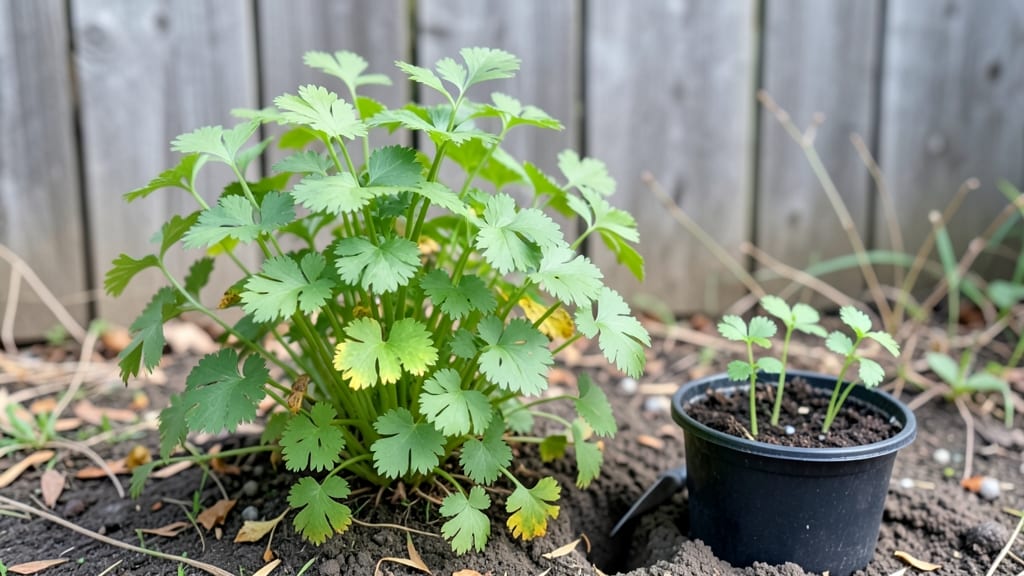
Here are cilantro planting tips you’ll want to bookmark—those first bright green leaves appear faster than you'd expect. 🌱 I’ve learned the hard way that cilantro hates being transplanted, so I now direct-sow seeds every spring and fall, letting them grow right where they belong.
The secret? Soft soil, shallow planting, and patience—because cilantro’s slow start fools even experienced gardeners.
Start with loose, well-draining soil rich in organic matter—cilantro roots are shallow and need air. Plant seeds just ¼ inch deep, spaced 6-12 inches apart, since they’ll spread as they grow.
Keep the soil consistently moist (not soggy) and give them 6+ hours of sunlight daily—too much heat sends cilantro bolting faster than you can say "salsa night."
📚 In This Guide
- What you need
- Instructions
- Tips and common mistakes
- Wrapping up and next steps
What you need
- ● Cilantro seeds: 1–2 packets (about 100–200 seeds) of organic, non-GMO seeds for best results.
- ● Potting soil: 5–10 lbs of high-quality, well-draining potting mix (or garden soil amended with compost).
- ● Containers or garden bed: Containers: 6–12-inch deep pots (at least 1 per plant or 3–4 seeds per 6-inch pot).
- ● Garden bed: Full sun to partial shade (4–6 hours of sunlight daily).
- ● Watering can or spray bottle: For gentle, even moisture (avoid soaking seeds!).
- ○ Fertilizer (optional but helpful): Balanced organic fertilizer (e.g., 10-10-10) or compost tea for nutrient boost.
- ○ Row cover or shade cloth (optional): Lightweight fabric to protect seedlings from harsh sun or pests.
- ● 🌡️ Temperature: Ideal germination range is 60–75°F (15–24°C). Avoid planting in extreme heat.
- ● 🔥 Spacing: Sow seeds ½ inch deep, 6–12 inches apart (or thin seedlings to this spacing).
- ● ✨ Soil pH: Aim for slightly acidic to neutral (6.2–7.0) for optimal growth.
Step-by-step guide to growing cilantro from seed
Here’s how to cultivate vibrant, bolt-resistant cilantro that thrives from seed to harvest.
🌱 Step 1: Prepare the Soil and Plant Seeds
Cilantro thrives in well-draining, nutrient-rich soil with a pH between 6.2 and 6.8. Mix the 3 gallons of potting mix with ½ cup compost to boost fertility and improve moisture retention. Fill your 4-inch pots (or a single 12-inch container) with this blend, leaving ½ inch of space below the rim for watering.
Scatter 10-12 cilantro seeds per pot, pressing them ¼ inch deep into the soil. Space seeds 1 inch apart—crowding leads to weak, leggy plants. Gently pat the soil to ensure good seed-to-soil contact, then mist with warm water until the surface is evenly damp. Avoid soaking; cilantro seeds need consistent moisture but despise soggy conditions.
💧 Step 2: Maintain Moisture and Light for Germination
Keep the soil consistently moist (not wet) during germination, which typically takes 7-14 days. Place the pots in a warm, shaded area (ideal temperature: 65-75°F) until sprouts appear. Use a humidity dome or cover with plastic wrap to retain moisture, but remove it as soon as seedlings emerge to prevent fungal growth.
Once the first true leaves (not the initial cotyledons) appear, move the pots to a location with 4-6 hours of indirect light daily. Direct sunlight at this stage can scorch tender seedlings. Watch for yellowing leaves—a sign of overwatering or poor drainage. If this happens, let the soil dry slightly between waterings.
☀️ Step 3: Transition to Full Sun and Fertilize
After 3-4 weeks, when seedlings have 3-4 sets of true leaves, gradually introduce full sun (6+ hours daily). Harden off cilantro by placing it outside for 1 hour the first day, increasing exposure by 1 hour daily over 5-7 days. This prevents shock and bolting (premature flowering).
Once hardened off, feed cilantro with ½ teaspoon of balanced liquid fertilizer (10-10-10) diluted in 1 gallon of water every 2-3 weeks. Avoid over-fertilizing—too much nitrogen promotes leafy growth at the expense of flavor. Water at the base, keeping the soil evenly moist but never waterlogged. Yellowing lower leaves? That’s normal—just trim them to encourage new growth.
✂️ Step 4: Harvest and Encourage Regrowth
Harvest cilantro when the outer leaves reach 3-4 inches tall, snipping stems just above a leaf node to stimulate bushier growth. For a steady supply, pick outer leaves first, leaving the inner stems intact. Avoid cutting more than ⅓ of the plant at once—aggressive harvesting stresses cilantro and speeds up bolting.
To prolong the harvest season, succession plant every 2-3 weeks after the first frost. Cilantro bolts quickly in heat, so opt for shade-tolerant varieties like ‘Santo’ or ‘Calypso’ if your summers are hot. If bolting occurs, harvest the seeds for later planting—they’re great for spicy Mexican salsa verde!
Tips & tricks for perfect cilantro growth
Here's what I've learned after years of growing cilantro—these tricks will help you avoid the most common pitfalls and get a bountiful harvest.
Soil Preparation Secret: The pH range of 6.2-6.8 is crucial for cilantro's health, but don't stop at just mixing potting soil and compost. I add a handful of perlite or vermiculite to improve drainage—cilantro hates soggy roots. For extra insurance, sprinkle a thin layer of sand on top before planting seeds to prevent crusting when you water. This keeps moisture consistent while preventing compaction that can suffocate young roots.
Germination Game-Changer: That 7-14 day germination window can feel like forever, but you can cut it down significantly. After planting your 10-12 seeds per pot, place them in a plastic bag (not sealed) and store in a warm, dark closet for the first 3 days. The humidity helps seeds absorb moisture faster, and darkness prevents premature stretching. Once you see sprouts, move to indirect light immediately to prevent leggy growth.
Light Transition Strategy: The shift from indirect to full sun in Step 3 is where most people lose their cilantro to bolting. Start by placing pots in morning sun only for the first 2 days of hardening off. Gradually increase exposure by moving to afternoon sun on day 3, then full sun by day 5. This gradual approach mimics natural shade progression and gives your plants time to adjust their chlorophyll production.
Harvesting Hack: When harvesting those 3-4 inch outer leaves, use clean, sharp scissors instead of your fingers. Cut at a 45-degree angle just above a leaf node to encourage lateral branching. I've found that harvesting in the morning (when oils are most concentrated) gives the freshest flavor. Store harvested cilantro wrapped in a damp paper towel in the fridge—it stays crisp for up to 5 days this way.
Pro Tips for Cilantro Planting Tips
- Here's what I've learned after years of growing cilantro—these tricks will help you avoid the most common pitfalls and get a bountiful harvest.
- Soil Preparation Secret: The pH range of 6.2-6.8 is crucial for cilantro's health, but don't stop at just mixing potting soil and compost.
- Germination Game-Changer: That 7-14 day germination window can feel like forever, but you can cut it down significantly.
Frequently asked questions
When is the best time to plant cilantro?
Cilantro thrives in cool weather—plant seeds 2–4 weeks before your last frost date in spring or 6–8 weeks before the first fall frost. Avoid hot summers; it bolts (goes to seed) quickly in temperatures above 75°F (24°C). For year-round harvests, try succession planting every 3 weeks!
How do I prevent cilantro from bolting?
Bolting (premature flowering) happens due to heat or long daylight. To delay it:
- Use shade cloth (30–50%) in peak summer.
- Harvest leaves regularly to encourage bushier growth.
- Choose slow-bolting varieties like ‘Santo’ or ‘Calypso.’
- Avoid overwatering—consistent moisture (not soggy soil) helps.
Can I grow cilantro indoors or in containers?
Cilantro grows well in 5–6 inch deep containers with drainage holes. Use a sunny windowsill (6+ hours of light) or a grow light. Opt for smaller varieties like ‘Slow Bolt’ or ‘Green Mountain’ for better indoor success. Keep soil moist but not waterlogged.
What pests or diseases should I watch for?
Common issues include:
- Aphids: Spray with water or neem oil.
- Spider mites: Increase humidity or use insecticidal soap.
- Fungal diseases (like downy mildew): Improve airflow, avoid overhead watering.
- Cilantro rust: Remove infected leaves and rotate crops next season.
Prevention tip: Rotate planting spots yearly and keep the garden clean!
What can I do with cilantro if it flowers or goes to seed?
Don’t toss it! Flowering cilantro (called coriander) is edible and aromatic:
- Use seeds for spice blends, bread, or pickling.
- Add flowers to salads, garnishes, or infused oils.
- Save seeds for next year’s planting—they’re easy to dry and store.
Pro tip: Let a few plants bolt intentionally for seeds!
Wrapping up and next steps
Growing cilantro from seed is a rewarding journey that brings fresh, vibrant flavors to your kitchen! 🌱 With the right light, soil, and care, you’ll enjoy a bountiful harvest in no time.
Whether you’re a beginner or a seasoned gardener, these tips ensure your cilantro thrives—so grab those seeds and get planting!
Ready to take the next step? Start small—try a container on your balcony or a small patch in your garden—and watch your green thumb grow! 🌿 For even more success, experiment with companion planting or succession sowing to keep your cilantro supply fresh year-round.