
Planting
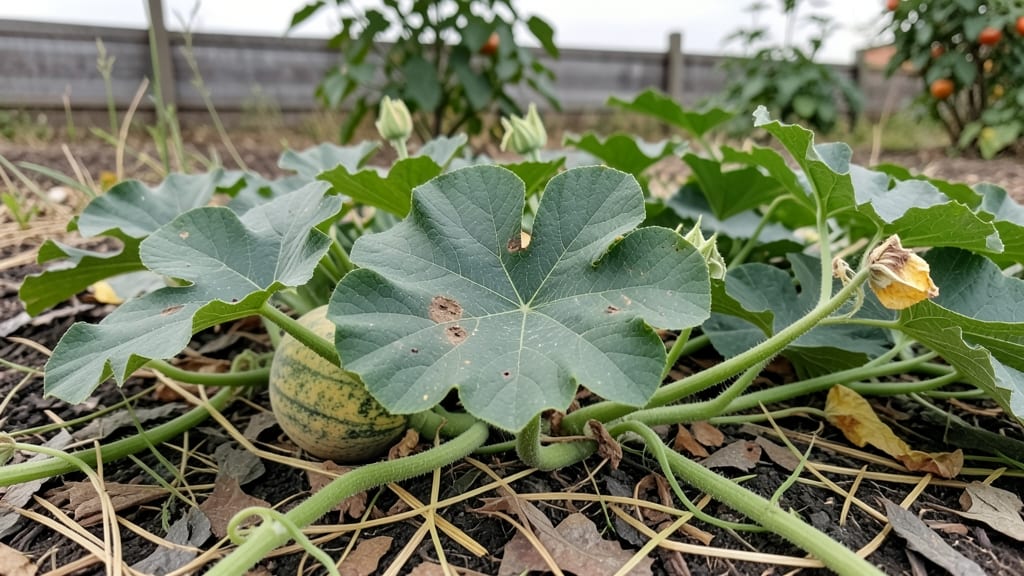
Scrolling through those vibrant cantaloupe plant images online can’t compare to the magic of watching your own vines sprawl across the garden like a sunlit river of green, their fuzzy fruits ripening to golden perfection. 🌿 I still remember the first time I saw cantaloupes growing in my own backyard—their broad, lobed leaves and tendrils stretching toward the sky made me realize how much beauty hides in edible plants.
These vines thrive in warm climates, sprawling 6-10 feet across if given space, but they can also be trained up trellises to save room. The plants produce bright yellow flowers that hum with bees, and within weeks, those flowers turn into the sweet, aromatic melons we love.
Whether you're designing a pollinator-friendly garden or maximizing small spaces, cantaloupes bring both function and beauty.
Imagine your garden in late summer: the air thick with the scent of ripe cantaloupes, their netting peeking through the leaves. The vines create a stunning visual contrast against other plants, and the fruit itself becomes a centerpiece—whether displayed on a table or tucked into a raised bed.
This isn't just about growing food; it's about creating a garden that feels alive and inviting.
From classic varieties like 'Athena' to smaller 'Minnesota Midget' for containers, there's a cantaloupe for every space. Whether you're planning a trellis, a companion planting scheme, or simply letting the vines roam free, these images will show you how to make cantaloupes the star of your garden. Let's get inspired!
📚 In This Guide
- What you need
- Instructions
- Tips and common mistakes
- Wrapping up and next steps
What you need
- ● Cantaloupe Seeds: Choose high-quality, disease-resistant varieties (e.g., Hale’s Best, Athena, or Ambrosia). Start with 3–5 seeds per plant (or more if planting in rows).
- ● Garden Space: Outdoor Garden: A sunny spot with 6–8 hours of direct sunlight daily and well-draining soil (sandy loam ideal). Allocate 3–4 feet of space per plant (or 2–3 feet in containers).
- ○ Containers (Optional): Large pots (12–18 inches deep and 18–24 inches wide) with drainage holes. Use 1–2 plants per container.
- ● Soil: Mix 1 part compost with 2 parts garden soil (pH 6.0–6.8). Avoid heavy clay.
- ● Fertilizer: Starting: Balanced fertilizer (10-10-10) or compost tea at planting.
- ● Maintenance: Low-nitrogen, high-potassium fertilizer (5-10-10) when vines start running (follow package rates).
- ● Watering Supplies: Drip irrigation or soaker hose (to keep roots moist but avoid wetting leaves).
- ● Watering can (for seedlings or containers).
- ● Mulch: Straw or black plastic mulch (to retain moisture and suppress weeds; apply after soil warms).
- ○ Trellis or Support (Optional):strong> For bush varieties (e.g., Athena), a small cage or stakes can help manage vines.
- ● Row Covers: Lightweight fabric to protect seedlings from pests or cold snaps.
- ● Pruning Shears: For trimming excessive vines or dead leaves.
- ● pH Test Kit: To monitor soil acidity (aim for 6.0–6.8).
- ● Harvest Knife: A small, sharp knife for cleanly cutting ripe cantaloupes.
- ● Camera or Sketchbook: 📸 Capture those cantaloupe plant images for your garden journal!
Step-by-Step guide to growing cantaloupe vines for stunning garden photos
Here’s how to grow cantaloupe plants that look as vibrant in photos as they taste in your kitchen.
🌱 Step 1: Choose the Perfect Planting Spot
Cantaloupe thrives in full sun, so pick a location that gets at least 8 hours of direct sunlight daily. I always scout for a spot with southern exposure—this ensures the vines get the warmth they need to produce sweet, flavorful fruit. The soil should drain well, so avoid low-lying areas where water pools after rain.
Before planting, loosen the soil to a depth of 12 inches using a garden fork. This helps roots spread easily and prevents waterlogging. If your soil is heavy clay, mix in a few inches of compost to improve drainage and fertility. Cantaloupe plants are heavy feeders, so rich soil is key for those lush, photogenic vines.
☀️ Step 2: Plant Seeds or Transplants at the Right Time
Wait until the soil temperature reaches at least 70°F before planting—cantaloupe seeds won’t germinate in cooler soil. I test this by placing a thermometer in the ground for a few days; if it’s consistently warm, it’s time to go. Plant seeds ½ inch deep, spacing them 6 inches apart in rows that are 6 feet apart.
If you’re using transplants, space them 18-24 inches apart to give the vines room to sprawl. Thin seedlings to the strongest plant per spot once they’re 2 inches tall. This prevents overcrowding, which leads to weaker vines and smaller fruit—neither of which will look great in photos.
💧 Step 3: Water Deeply and Maintain Consistent Moisture
Water cantaloupe plants 1-2 inches per week, keeping the soil evenly moist but not soggy. I use a soaker hose to deliver water directly to the base, which reduces leaf wetness and prevents fungal diseases. Avoid wetting the leaves, especially in the morning—this helps keep the vines looking healthy and disease-free for those perfect garden shots.
Mulch around the base with 2-3 inches of straw or shredded leaves to retain moisture and suppress weeds. This also keeps the soil cool, which is especially important in hot climates where cantaloupe can struggle. Watch for wilting leaves—this is your cue to water more frequently, especially during dry spells.
✂️ Step 4: Prune and Train Vines for Strong Growth
Cantaloupe vines can grow 6-10 feet long, so give them support if needed. I use tomato cages or a trellis to keep vines off the ground, which improves air circulation and makes the plants look more structured in photos. Prune any suckers (side shoots) that form in the leaf axils—these drain energy from the main plant and fruit production.
Remove any yellow or diseased leaves immediately to keep the plant healthy. This also ensures the vines stay lush and green, perfect for vibrant garden images. When flowers appear, hand-pollinate them by gently shaking the vines in the morning—this boosts fruit set and leads to bigger, sweeter cantaloupes.
🌿 Step 5: Harvest at Peak Ripeness for the Best Photos
Cantaloupes are ready to harvest when the stem slips easily from the vine and the fruit has a strong, sweet scent near the stem. I also check for a creamy color on the underside of the fruit—this is a sure sign of ripeness. Harvest in the morning when the fruit is cool and the vines are still dewy for the best photos.
Use a sharp knife or pruners to cut the fruit from the vine, leaving a 1-inch stem. Handle the cantaloupes gently to avoid bruising, which can spoil their appearance and flavor. Store them in a cool, dry place until you’re ready to enjoy—or photograph—their sweet, sun-ripened glory.
Tips & tricks for perfect cantaloupe plant images
Here's what I've learned after growing cantaloupe plants that look as stunning in photos as they taste in your kitchen.
Timing is Everything: The 8 hours of daily sunlight in Step 1 is non-negotiable for vibrant vines. I've seen cantaloupe plants wilt dramatically when they don't get enough sun—especially in cloudy weather. If you're in a region with shorter daylight hours, consider using reflective surfaces like white walls or mirrors to bounce extra light onto your plants.
Soil Temperature Matters: That 70°F soil temperature in Step 2 is crucial—cantaloupe seeds won't germinate below this. I've learned to test soil temperature for 3 consecutive days before planting. If your mornings are still chilly, wait a few more days. You can also use black plastic mulch to warm the soil faster if you're eager to plant.
Visual Cues for Healthy Growth: In Step 3, watch for the 1-2 inches of weekly watering to create that perfect balance. Overwatering shows up as yellowing leaves, while underwatering causes leaves to curl. I've found that morning watering (before 10am) prevents fungal issues better than evening watering. The mulch layer also helps maintain that consistent moisture without the mess of daily watering.
Pruning for Photogenic Plants: When training vines in Step 4, remember that cantaloupe vines can sprawl 6-10 feet—but they look best when contained. I use a combination of tomato cages and lightweight trellis netting to create a structured look for photos. Prune those suckers regularly (about every 2 weeks) to keep energy focused on fruit production rather than unnecessary growth.
Pro Tips for Cantaloupe Plant Images
- Here's what I've learned after growing cantaloupe plants that look as stunning in photos as they taste in your kitchen.
- Timing is Everything: The 8 hours of daily sunlight in Step 1 is non-negotiable for vibrant vines.
- Soil Temperature Matters: That 70°F soil temperature in Step 2 is crucial—cantaloupe seeds won't germinate below this.
Frequently asked questions
How long does it take for a cantaloupe plant to produce fruit?
A cantaloupe plant typically takes 80 to 100 days from seed to harvest, depending on the variety and growing conditions. Fast-maturing varieties like 'Hale’s Best' or 'Ambrosia' may fruit in as little as 75 days, while heirlooms like 'Athena' can take closer to 100 days. Pro tip: Plant seeds early in warm climates or wait until after the last frost in cooler areas for best results!
Can I grow cantaloupes in containers or do they need a garden bed?
Yes! Cantaloupes thrive in containers if given enough space—at least 10-15 gallons per plant and a depth of 12+ inches. Opt for large pots or grow bags with drainage holes, and use lightweight potting mix. Watch out: Container-grown cantaloupes may produce smaller fruit, so choose compact varieties like 'Tasty Jewel' or 'Minnesota Midget.'
What are the most common pests or diseases affecting cantaloupe plants?
Cantaloupes are prone to cucumber beetles, aphids, and squash vine borers, which can damage leaves and fruit. Diseases like powdery mildew (grayish-white coating) or fusarium wilt (yellowing leaves) are also common. Preventative tip: Use row covers early in the season, rotate crops annually, and remove infected plants immediately to stop spread.
What’s the best time of day to photograph cantaloupe plants for vibrant images?
For bright, vibrant cantaloupe plant images, shoot during early morning (within an hour of sunrise) or late afternoon (golden hour, 1-2 hours before sunset). These times offer soft, diffused light that enhances colors and reduces harsh shadows. Bonus: Dew on leaves or morning sunlight filtering through vines adds a magical touch!
Can I grow cantaloupes indoors under grow lights?
While possible, cantaloupes are heavy feeders and need ample space, making indoor growth challenging. If attempting, use a large container (20+ gallons), full-spectrum LED grow lights (12-16 hours/day), and a warm (70-90°F) environment. Reality check: Outdoor growth is far more rewarding—save indoor setups for smaller melons like honeydew or cucumbers!
Wrapping up and next steps
Growing cantaloupe plants is a rewarding journey that brings vibrant foliage and sweet, juicy fruit right to your doorstep! 🌱 Whether you're a seasoned gardener or just starting out, these cantaloupe plant images and tips will inspire you to create a thriving garden.
Now that you’re armed with the right knowledge—from soil prep to pest control—it’s time to roll up your sleeves and get planting!
Ready to take the next step? Start small with a few plants and watch your garden transform into a cantaloupe paradise. Happy gardening! 🌞