Planting
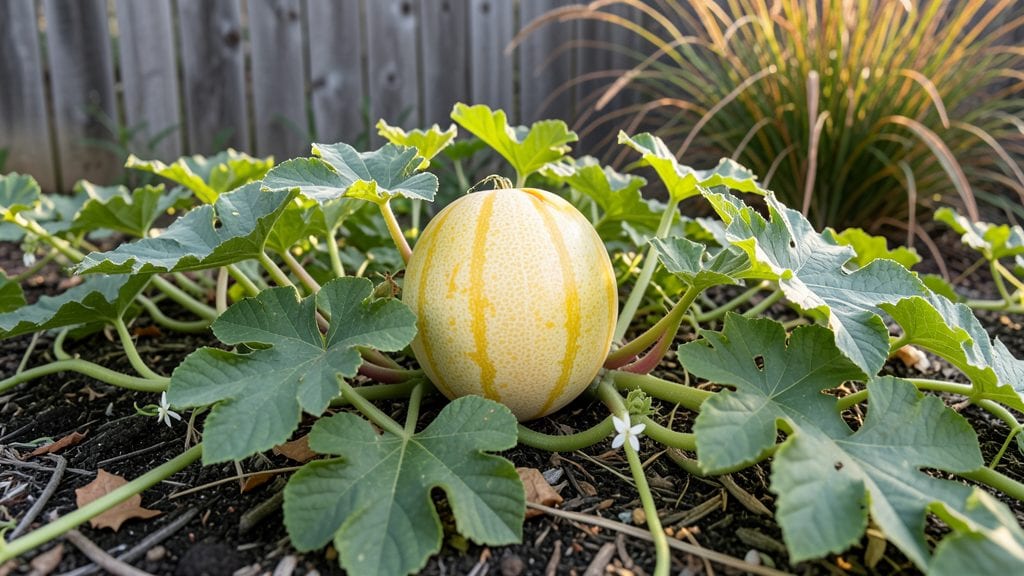
A yellow watermelon plant isn’t just a cosmetic issue—it’s a cry for help from your vines. 🌱 I’ve seen healthy green plants turn pale yellow overnight, and the culprit is almost always one of five hidden problems: nutrient starvation, fungal pressure, pest damage, watering extremes, or environmental stress.
The good news? Each has a specific fix, and I’ll walk you through diagnosing the exact cause in your garden.
The first step is checking the soil and leaves like a detective. Yellowing between veins? Likely iron deficiency or overwatering. Yellowing with brown spots? Fungal disease or pest feeding. Start with a simple soil test or flip over a few leaves—you’ll spot the clues within minutes.
Most gardeners overlook the roots first, but compacted or waterlogged soil is often the real villain.
Once you identify the problem, the solutions are straightforward: adjust your watering routine, apply targeted fertilizers, or introduce beneficial insects. I’ve revived yellowing plants in as little as 7-10 days by fixing just one of these issues.
The key is acting before the yellow spreads to the stems—because once it does, the plant’s ability to produce sweet fruit is at risk.
Prevention is simpler than recovery: mulch to retain moisture, rotate crops yearly, and monitor both sides of leaves for early signs. With these adjustments, your watermelon plants will stay vibrant, productive, and ready to deliver bold blooms and ripe fruit all season long.
Root Causes of Yellowing Leaves
Yellowing leaves on your watermelon plant can be frustrating, but understanding the science behind it helps you take targeted action. Here’s why it happens—and how to fix it before your harvest suffers.
Yellowing leaves often signal a nutrient imbalance, where your plant isn’t getting what it needs to thrive. The most common culprits?
- 💡 Nitrogen Deficiency (Most Common) - Symptoms: Older leaves turn pale yellow or yellow-green, while veins stay green. Growth slows, and stems become weak. - Why it happens: Nitrogen is the building block of chlorophyll (the green pigment in leaves).
Without enough, your plant can’t produce energy efficiently. - Actionable fix: - Test your soil (pH 6.0–6.8 is ideal for watermelons). - Apply a balanced fertilizer (10-10-10 or 5-10-10) at planting and again when vines start running. - Organic option: Use composted manure or blood meal (high in nitrogen).
- 💡 Iron or Magnesium Deficiency (Chlorosis)
- Symptoms: Yellowing between veins (interveinal chlorosis), often starting on new leaves (iron) or older leaves (magnesium).
- Why it happens:
- Iron: Poorly drained or alkaline soil (pH >7.0) locks out iron, even if it’s present.
- Magnesium: Over-fertilizing with nitrogen or calcium-heavy water can leach magnesium away.
- Actionable fix:
- For iron: Apply chelated iron or iron sulfate + lower soil pH with sulfur or peat moss.
- For magnesium: Use Epsom salt (magnesium sulfate)—dissolve 1 tbsp per gallon of water and spray leaves weekly.
Watermelons are thirsty but hate soggy feet—water stress in either direction triggers yellowing.
- 💧 Overwatering (Root Rot Risk) - Symptoms: Yellowing starts at the bottom, leaves feel slimy or mushy, and roots may smell rotten. - Why it happens: Poor drainage or overly frequent watering drowns roots, cutting off oxygen.
Fungal pathogens like Pythium thrive in waterlogged soil. - Actionable fix: - Check soil moisture—stick your finger 2 inches deep; water only if dry. - Improve drainage with perlite, sand, or raised beds. - Avoid wetting leaves (water at the base in the morning).
- 💧 Underwatering (Stress Signals) - Symptoms: Yellowing edges that crisp or curl, drooping leaves, and slow growth. - Why it happens: Watermelons need 1–2 inches of water per week (more in heat).
Skimping causes osmotic stress, where cells lose turgor pressure. - Actionable fix: - Deep watering (soak roots, not just the surface). - Mulch heavily (straw or black plastic) to retain moisture. - Drip irrigation > sprinklers (prevents evaporation and leaf burn).
Sometimes, the problem isn’t you—it’s the weather or critters wreaking havoc.
- ☀️ Too Much Sun (Leaf Scorch)
- Symptoms: Yellow patches with brown, crispy edges, often on exposed leaves.
- Why it happens: Intense afternoon sun (especially in hot climates) causes oxidative damage—like a sunburn for plants.
- Actionable fix:
- Provide shade cloth (30–50%) during peak heat (12–4 PM).
- Space plants 3–4 feet apart for airflow.
- Water deeply in the morning to cool leaves.
- 🐛 Pest Damage (Sap-Suckers)
- Symptoms: Yellowing with sticky residue (honeydew), spider webs, or tiny holes in leaves.
- Common culprits:
- Aphids, spider mites, or whiteflies weaken leaves by sucking sap, starving them of nutrients.
- Actionable fix:
- Blast off pests with a strong spray of water.
- Neem oil spray (1 tsp neem oil + 1 tsp dish soap per quart of water).
- Release beneficial insects (ladybugs, lacewings).
- 🌡️ Temperature Swings - Symptoms: Yellowing after a cold snap or heatwave, often with purple tinges (phosphorus deficiency stress). - Why it happens: Watermelons hate temps below 50°F or above 95°F.
Extreme heat stops nutrient uptake, while cold disrupts root activity. - Actionable fix: - Use row covers for early spring/fall planting. - Plant in late spring (after last frost) for ideal 75–90°F growing temps.
If yellowing spreads rapidly with spots, lesions, or wilting, a pathogen may be to blame.
- 🍄 Powdery Mildew
- Symptoms: Yellow patches with white, powdery fungus on tops of leaves.
- Why it happens: High humidity + poor airflow encourages Erysiphe cichoracearum spores to spread.
- Actionable fix:
- Space plants for airflow (avoid overcrowding).
- Spray with baking soda mix (1 tbsp baking soda + 1 tsp soap + 1 gallon water) weekly.
- 🍅 Bacterial Leaf Spot
- Symptoms: Yellow halos around water-soaked brown spots.
- Why it happens: Bacteria (Xanthomonas) thrive in wet leaves from overhead watering.
- Actionable fix:
- Remove infected leaves immediately (don’t compost—bag them!).
- Copper fungicide spray (follow label rates).
Before diving into treatments, eliminate the easiest fixes: ✅ Check soil moisture (stick your finger in—don’t guess!). ✅ Inspect leaves for pests (flip them over—aphids love the undersides). ✅ Test pH (a cheap soil test kit saves time and money).
Yellowing leaves are rarely a death sentence—they’re your plant’s way of screaming for help. Act fast, and your watermelon vines will bounce back with bold green leaves and sweet fruit in no time! 🍉✨
Revive Your Watermelon Plant Now
If your yellow watermelon plant is struggling, don’t panic—most issues have simple fixes! Below, we’ll tackle the most common problems with clear, step-by-step solutions. Whether it’s wilting leaves, poor growth, or blossom-end rot, these fixes will get your plant back on track.
And don’t forget: prevention is key to keeping your watermelon thriving all season long. 🌱💧
H3: 🔍 Diagnose the Problem First Yellow leaves can mean different things. Check if:
- The yellowing starts at the bottom (often a sign of overwatering or root rot).
- The yellowing appears between veins (likely a nitrogen deficiency).
- The leaves feel soggy (overwatering) or crispy (underwatering).
H3: 💧 Adjust Watering Habits Watermelons need consistent moisture but hate soggy roots.
- For overwatering: Let the top 1–2 inches of soil dry out before watering again. Improve drainage by adding compost or perlite to heavy soil.
- For underwatering: Water deeply 2–3 times per week (more in extreme heat). Use drip irrigation to keep roots evenly moist.
H3: 🌿 Feed for Lush Growth If yellowing is due to nutrient deficiency:
- For nitrogen deficiency (pale yellow leaves): Apply a balanced fertilizer (10-10-10) or compost tea every 2–3 weeks.
- For magnesium deficiency (yellow between veins): Sprinkle Epsom salt (1 tbsp per gallon of water) around the base monthly.
- For potassium deficiency (yellow edges): Use a banana peel tea (steep peels in water for 24 hours) or a potassium-rich fertilizer.
💡 Pro Tip: Test your soil’s pH (ideal: 6.0–6.8). Too acidic or alkaline soil locks out nutrients. Amend with lime (to raise pH) or sulfur (to lower it) if needed.
H3: 💦 Hydrate Properly Wilting often means thirsty roots or heat stress.
- Water early in the morning to reduce evaporation.
- Mulch heavily (2–3 inches of straw or wood chips) to retain moisture and cool roots.
- Avoid wetting leaves to prevent fungal diseases like powdery mildew.
H3: 🌡️ Beat the Heat Watermelons wilt in temperatures above 90°F (32°C).
- Shade cloth (30–50%) can protect plants during peak heat.
- Prune lower leaves to improve airflow and reduce stress.
- Harvest early if vines collapse—ripe watermelons won’t sweeten further on the vine.
H3: 🐞 Check for Pests Wilting can also signal squash vine borers or aphids.
- Handpick large pests or spray with neem oil (mix 2 tbsp neem oil + 1 tsp mild soap in 1 gallon of water).
- Wrap stems with aluminum foil at the base to deter borers.
H3: 💧 Maintain Steady Moisture Blossom-end rot is caused by calcium deficiency (often from inconsistent watering).
- Water deeply and regularly—never let soil dry out completely.
- Use calcium-rich amendments like crushed eggshells or gypsum (mix 1 cup per plant into soil).
H3: 🌱 Improve Soil Health
- Add compost (1–2 inches around the base) to boost calcium and organic matter.
- Avoid heavy fertilizers (like high-nitrogen ones) that stress plants.
H3: 🍅 Harvest Early if Needed If rot appears, pick the fruit immediately—it won’t improve. Focus on preventing it in future plants.
H3: 🌞 Ensure Proper Pollination Watermelons need bees or wind to pollinate.
- Plant bee-friendly flowers (like marigolds or sunflowers) nearby.
- Hand-pollinate by gently brushing flowers with a paintbrush if bees are scarce.
H3: 🌡️ Keep Temps Ideal
- Too hot (>95°F/35°C) or too cold (<55°F/13°C) can prevent fruit set.
- Use row covers in early spring or late summer to protect flowers.
H3: 🍽️ Feed for Flowering
- Switch to a phosphorus-heavy fertilizer (like 5-10-10) when flowers appear to encourage fruiting.
Keep your watermelon plant healthy with these easy maintenance habits:
- ✅ Rotate crops—never plant watermelons in the same spot two years in a row to prevent disease buildup.
- ✅ Choose disease-resistant varieties (like ‘Sugar Baby’ or ‘Crimson Sweet’).
- ✅ Monitor soil moisture—use a moisture meter or stick your finger in the soil to check depth.
- ✅ Remove weeds—they compete for nutrients and spread pests.
- ✅ Harvest promptly—overripe watermelons attract pests and diseases.
With these fixes, your yellow watermelon plant will bounce back—and you’ll be feasting on sweet, juicy fruit in no time! 🍉🎉
Frequently asked questions
Why are my watermelon leaves turning yellow but staying green near the veins?
This classic pattern signals iron or magnesium deficiency (called interveinal chlorosis). For iron, your soil may be too alkaline—amend with chelated iron or sulfur to lower pH. For magnesium, mix 1 tablespoon Epsom salt per gallon of water and spray leaves weekly. Test soil pH first—ideal range is 6.0–6.8.
Can I still save my watermelon if the leaves are yellow?
Yes! Act fast—yellowing often means the plant is stressed but not dead. Focus on fixing the root cause: adjust watering (deep soak 2–3 times/week), apply targeted fertilizer, or treat pests. If caught early, watermelons can recover and still produce fruit. Just monitor soil moisture and prune damaged leaves to redirect energy.
How do I tell if my watermelon plant is overwatered vs. underwatered?
Check the leaves and soil: Overwatered plants have yellowing at the bottom, mushy leaves, and may smell rotten at the roots. Underwatered plants show yellowing edges that crisp up, drooping, and dry soil 2+ inches deep. Stick your finger in the soil—if it’s soggy, cut back; if bone-dry, water deeply at the base.
Will yellow leaves affect the taste or size of my watermelon?
Not necessarily! The fruit forms from the vines and flowers, not the leaves. However, severe yellowing (especially from nutrient deficiencies or disease) can reduce yield or sweetness. Fix the issue ASAP, and your watermelons should still grow—just prioritize healthy leaves for best flavor. Harvest when the tendril near the stem turns brown.
What’s the fastest way to fix yellowing from pests like aphids?
Blast off pests with a strong spray of water first, then apply neem oil (1 tsp neem + 1 tsp soap per quart of water). For heavy infestations, release ladybugs or lacewings (natural predators) or wrap stems with aluminum foil to block squash vine borers. Repeat every 3–5 days until pests disappear.