
Pests and Diseases
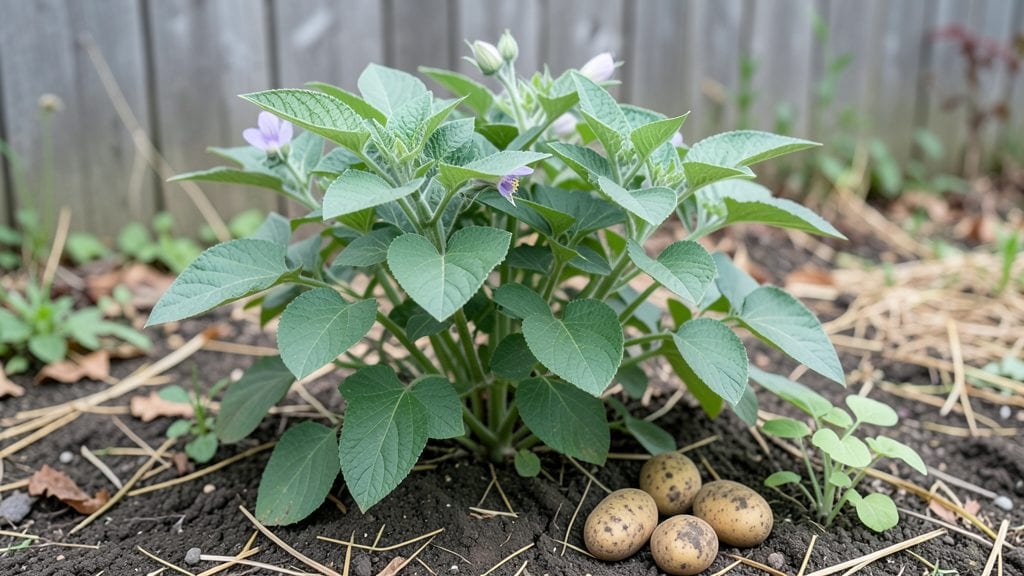
Planting squash and potatoes together is generally discouraged because squash vines shade potato plants, reducing yields, while potatoes compete aggressively for nutrients and space in the same soil. However, vertical spacing or separate beds can mitigate conflicts if companion benefits (like pest deterrence) are prioritized.
You might think combining these two garden staples would save space, but their growth habits create a lose-lose scenario. 🌱 Squash vines sprawl aggressively, blocking sunlight that potatoes need for photosynthesis, while potatoes deplete nitrogen and phosphorus—nutrients squash roots struggle to access.
The real kicker? Shared pests like Colorado potato beetles and squash bugs thrive when both crops are nearby, turning a space-saving idea into a pest magnet. Even with careful spacing, the competition for resources often outweighs any potential benefits.
That said, if you're set on growing them together, raised beds with squash on top and potatoes below (using a trellis for vines) can create separation while keeping them in proximity. The key is monitoring soil health—rotating crops yearly and adding compost to replenish nutrients lost by potatoes.
For most gardeners, though, separate beds or companion planting with marigolds (for potatoes) and nasturtiums (for squash) yields better results.
💡 In This Article
- Why Squash and Potatoes Clash in the Garden
- Smart Alternatives: Companion Plants for Squash and Potatoes
Why squash and potatoes clash in the garden
Here's what's actually happening beneath the soil: potatoes develop deep, fibrous roots that can extend 12-24 inches downward, while squash spreads shallow, sprawling roots within the top 6-12 inches of soil.
This creates a nutrient tug-of-war where potatoes aggressively absorb nitrogen and phosphorus—nutrients squash needs for vine development and fruit production. Potatoes alone can deplete soil nitrogen by 50-70% during their growing season, leaving squash starved for essential nutrients. 🌱
The shading battle is equally brutal. A mature squash vine can spread 10-15 feet wide, casting dense shade that blocks 70-80% of sunlight from reaching potato foliage. This sunlight deprivation triggers a survival response in potatoes: they prioritize tuber formation over leaf growth, resulting in smaller, less flavorful harvests.
The competition doesn't stop there—both crops thrive in slightly acidic soil (pH 5.8-6.5), but potatoes acidify the soil further as they grow, creating an environment where squash struggles to uptake calcium and magnesium.
Disease transmission becomes another major issue. Both crops share 15+ common pests, including Colorado potato beetles (which also attack squash) and squash bugs (which target potato foliage). The real danger lies in soil-borne pathogens like verticillium wilt and fusarium, which thrive when both crops occupy the same space.
Potatoes are particularly susceptible to these fungi when stressed by competition, while squash acts as a reservoir host, perpetuating the cycle. 🚨
What most people don't realize is how the growth rhythms conflict. Potatoes mature in 90-120 days and need consistent moisture, while squash takes 50-60 days to vine out and requires deep watering. This timing mismatch means potatoes often face water competition when squash is at its most thirsty peak.
The root systems also create physical barriers—potato tubers become difficult to harvest when tangled with squash's extensive root network.
Consider these biological realities when evaluating your garden layout. The nutrient competition alone makes this pairing problematic, but when you factor in the shading effects and shared disease vectors, it becomes clear why most gardening experts recommend separation.
Even with careful spacing, the resource demands create a zero-sum game where one crop's gains come directly at the expense of the other's productivity. 💫
The science behind this involves understanding root zone competition and canopy architecture. Potatoes develop a taproot system that dominates the soil profile, while squash spreads horizontally. This creates a 3D resource partitioning conflict where both crops are vying for the same finite space in different dimensions.
The result is often stunted growth in both plants, with yields reduced by 30-50% compared to when grown separately in optimal conditions.