
Plants
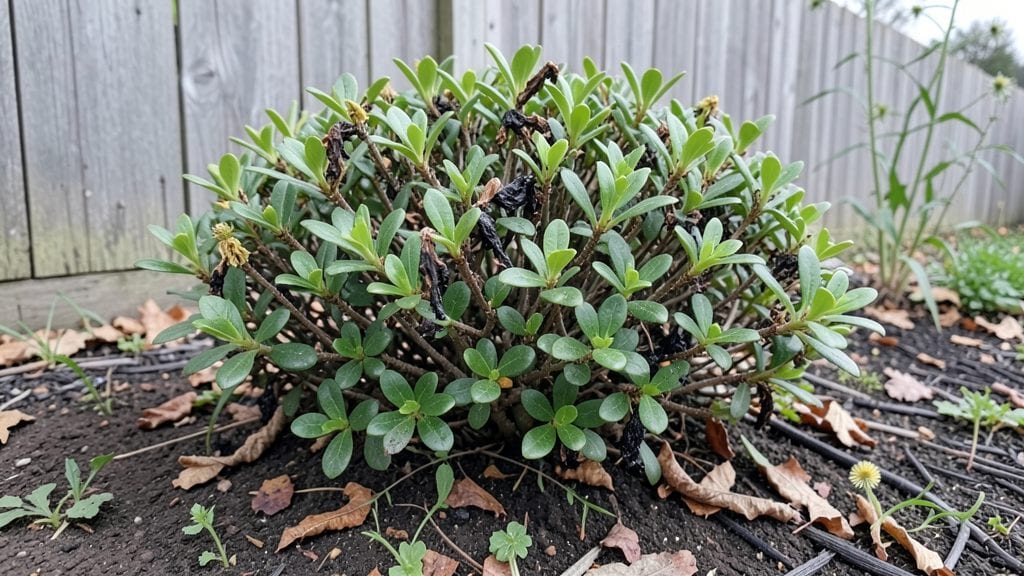
Boxwood blight can turn your garden from lush to leafless in weeks, and yes, it absolutely spreads to other plants—especially if you're not careful. 🌿 I've seen entire hedges collapse after just one infected branch touched a healthy plant, and the fungus doesn't even need rain to hop from leaves to soil.
The key to saving your garden lies in spotting the signs early: dark, greasy spots on leaves, blackened stems, and a white fungal mat that looks like cotton candy gone wrong.
The worst part? This blight thrives on boxwoods but doesn’t stop there—it’ll attack other evergreens like yews and inkberry if given half a chance.
The good news is that prevention is simpler than you’d think: isolate infected plants immediately, sterilize your pruners with bleach between cuts, and avoid overhead watering, which spreads spores like confetti.
Even my most stubborn blight cases turned around after I swapped out my old pruners for new ones and stopped mulching too close to the stems.
Once you catch it, you’ll need to prune out infected parts (and dispose of them in sealed bags—don’t compost them!), then treat the remaining plant with a fungicide like chlorothalonil. Within weeks, you’ll see fresh green growth pushing through, and the risk to your other plants drops dramatically.
The real secret? Resistant varieties like ‘Green Velvet’ boxwoods—these tough guys rarely show symptoms, even in blight-prone areas.
Here’s the thing about boxwood blight: it’s not a death sentence for your garden, but it is a wake-up call to treat your plants like the delicate ecosystems they are.
With the right steps, you’ll protect your hedges, your yews, and even those prized hostas that blight can sometimes sneak into. Let’s get your garden back to thriving.
How Fungal Pathogens Jump Plants
Boxwood blight, caused by the fungus Calonectria pseudonaviculata (formerly Cylindrocladium pseudonaviculatum), spreads like a stealthy intruder—silently hitching rides on tools, soil, and even the wind. But why does this happen?
The answer lies in the fungus’s survival strategies and the way gardeners (and nature) unknowingly facilitate its movement. Let’s break down the key reasons this disease becomes a plant-hopping menace.
The primary culprit behind boxwood blight’s spread is its spore-based reproduction cycle. Here’s how it works:
- Spore Production: Infected boxwood leaves, stems, or soil host microscopic spores that mature in damp, shady conditions (ideal for boxwood’s preferred habitat). These spores are lightweight and airborne, drifting on breezes or splashing via rain to nearby plants.
- Germination Triggers: Spores germinate when they land on moist surfaces—like healthy plant leaves or garden tools—creating new infection points. Even a single spore can start a colony.
- Rapid Multiplication: Once established, the fungus grows aggressively in warm (60–80°F), humid environments, producing thousands of spores per day to colonize new hosts.
💡 Pro Tip: Boxwood blight spores can survive in soil or debris for years, waiting for the right conditions to reactivate. That’s why old garden waste or mulch piles become hidden reservoirs.
Humans are the unwitting vectors in this equation. Pruners, shears, gloves, and even watering cans can carry infected plant material from one boxwood to another—or to unrelated plants like holly, camellia, or viburnum (which are also susceptible). Here’s how it happens:
| Tool/Action | How It Spreads | Risk Level |
|---|---|---|
| Pruning infected boxwood | Spores cling to blades and are transferred to healthy cuts or leaves. | ⚠️ High |
| Reusing pots or containers | Soil or debris from infected plants harbors spores, contaminating new plantings. | ⚠️ High |
| Sharing tools between plants | Cross-contamination occurs when tools touch multiple species. | ⚠️ Extreme |
| Composting infected leaves | Heat may kill the fungus, but spores can survive in cooler piles, reinfecting plants later. | ⚠️ Moderate |
🔥 Critical Step: Always sterilize tools with 70% rubbing alcohol or a 10% bleach solution between uses. For tools like shears, scrub blades with a stiff brush to remove hidden spores.
Boxwood blight thrives in specific environmental conditions, which also create the perfect storm for spread:
- High Humidity (70%+): Spores require moisture to germinate. Foggy mornings or dense foliage trap humidity, accelerating infection.
- Rain or Overhead Watering: Water droplets splash spores from infected leaves onto healthy plants—like a fungal game of telephone. Drip irrigation reduces this risk.
- Slow-Drying Foliage: Boxwood’s thick leaves hold moisture longer, giving spores extended access to penetrate plant tissue.
- Warm Temperatures (60–80°F): The fungus grows fastest in this range, making late spring to early fall the peak spread season.
🌡️ Climate Connection: Regions with mild, wet winters (like the Pacific Northwest or Southeast U.S.) see year-round blight activity, while drier climates may have seasonal flare-ups.
Boxwood blight doesn’t discriminate—it targets any susceptible plant within range. When boxwoods (or other hosts) are planted too closely together, the fungus has a highway to jump from one to another:
- Poor Air Circulation: Dense plantings create shady, humid microclimates where spores linger and thrive.
- Shared Root Zones: Contaminated soil or mulch can infect neighboring plants through roots or foliage contact.
- Wildlife Vectors: Birds or insects may unintentionally transfer spores on feet or bodies when moving between plants.
🎯 Spacing Solution: Space boxwoods 3–4 feet apart and avoid planting them near susceptible species like:
- Holly (Ilex spp.)
- Camellia
- Viburnum
- Pieris
- Andromeda
✨ Prevention Hack: Interplant boxwoods with blight-resistant species like Abelia, Garrya, or Lonicera to create a natural barrier.
Stopping Boxwood Blight Before It Spreads
Boxwood blight is a sneaky disease that can wreak havoc on your garden if left unchecked. The good news? With the right steps, you can contain, treat, and prevent it from jumping to other plants.
Below, we break down the solutions by cause—so you can act fast and protect your greenery.
If you spot boxwood blight, don’t wait. The fungus spreads quickly through spores, and once it takes hold, it’s hard to reverse. Here’s how to handle it:
- 🔪 Prune infected leaves, stems, or branches—cut at least 6 inches below the visible damage to ensure you remove the fungus.
- 🗑️ Dispose of infected plant material properly—do not compost. Seal it in a plastic bag and throw it in the trash (not your yard waste bin).
- 🚫 Avoid pruning when plants are wet—this spreads spores. Wait for dry conditions.
Pro Tip: 💡 Sterilize your pruners with rubbing alcohol between cuts to prevent cross-contamination.
Boxwood blight spores can linger on tools, soil, and even your shoes. A deep clean is non-negotiable:
- 🧴 Sterilize pruners and shears—use a 10% bleach solution (1 part bleach to 9 parts water) or 70% isopropyl alcohol. Let soak for 1 minute, then rinse.
- 🧹 Disinfect garden tools and pots—wipe down with the same bleach solution or a commercial fungicide.
- 👟 Clean shoes and clothing—spores can hitch a ride. Rinse off outdoor gear with water or use a disinfectant spray.
- 🌱 Remove and replace contaminated mulch or soil—sterilize the area with a fungicide like copper-based products.
Pro Tip: 🌡️ If possible, avoid working in the garden when it’s damp—spores spread faster in wet conditions.
If boxwood blight is already in your garden, preventative fungicides can be a game-changer. Here’s how to use them effectively:
- 💊 Choose the right fungicide—look for products containing copper, propiconazole, or myclobutanil. These are labeled for boxwood blight.
- 🌧️ Apply before rain—fungicides wash off easily, so treat plants when dry weather is forecasted.
- 🕒 Follow label instructions—overapplying won’t help and can harm plants. Typically, 2–4 applications spaced 7–14 days apart work best.
- 🌱 Treat all susceptible plants—even if they look healthy, nearby boxwoods, hollies, and camellias should get a protective spray.
Pro Tip: ✨ For organic gardens, neem oil or potassium bicarbonate can help, though they’re less effective than chemical fungicides.
Prevention is the best defense. Keep boxwood blight from entering your garden in the first place:
- 🛑 Quarantine new plants—keep them separate for 2–4 weeks before introducing them to your garden. Check for signs of blight first.
- 👀 Inspect plants weekly—look for dark, greasy spots on leaves or stems. Early detection = easier treatment.
- 📦 Avoid buying from infected nurseries—if a store has blight in their plants, skip it. Support reputable growers.
- 🌿 Space plants properly—good airflow reduces humidity, which slows fungal growth. Prune for airflow if needed.
Pro Tip: 🎯 Label your plants—this helps track which ones need treatment and prevents accidental cross-contamination.
Once you’ve dealt with an outbreak, keep it from coming back with these habits:
- 🌧️ Improve drainage—boxwood blight thrives in soggy soil. Raise beds or add compost to help water drain faster.
- ☀️ Encourage sunlight—shady, damp areas are blight hotspots. Trim overgrown plants to let light in.
- 🍂 Clean up fallen leaves and debris—spores hide in organic matter. Remove and dispose of it properly.
- 🌿 Choose resistant varieties—some boxwoods (like Buxus ‘Green Velvet’) are less susceptible. Ask your nursery for recommendations.
Pro Tip: 🔥 If you’ve had blight before, rotate fungicides yearly to prevent resistance.
With these steps, you can stop boxwood blight in its tracks and keep your garden thriving. Act fast, stay vigilant, and your plants will thank you!
Frequently asked questions about boxwood blight spread
Which plants are most at risk from boxwood blight?
While boxwoods are the primary targets, this fungus also attacks holly, camellia, pieris, viburnum, and inkberry. Evergreens with dense foliage in shady, humid areas are especially vulnerable. Even non-host plants nearby can get infected if spores splash during rain or watering.
How quickly can boxwood blight spread to other plants?
Under ideal conditions (warm, humid weather), spores can infect new plants within 7-14 days of initial exposure. Wind, rain, or contaminated tools accelerate spread—some gardeners report entire hedges collapsing in just 2-3 weeks if left untreated.
Can boxwood blight survive in soil between seasons?
Yes! The fungus can persist in soil or organic debris for years in dormant form. Cold winters may slow it down, but spores reactivate when temperatures rise above 60°F. This is why old mulch piles or compost become hidden infection sources.
What's the safest way to dispose of infected boxwood?
Never compost infected plants—seal them in plastic bags and throw them in the trash (not yard waste). For large quantities, contact your local waste service—they may have special protocols for diseased plant material to prevent spread.
Will fungicides prevent spread to other plants?
Yes, but only if applied proactively to all susceptible plants in the area. Copper-based or propiconazole fungicides create a protective barrier, but they won't cure existing infections. Apply when dry weather is forecasted for best results.