Vegetables
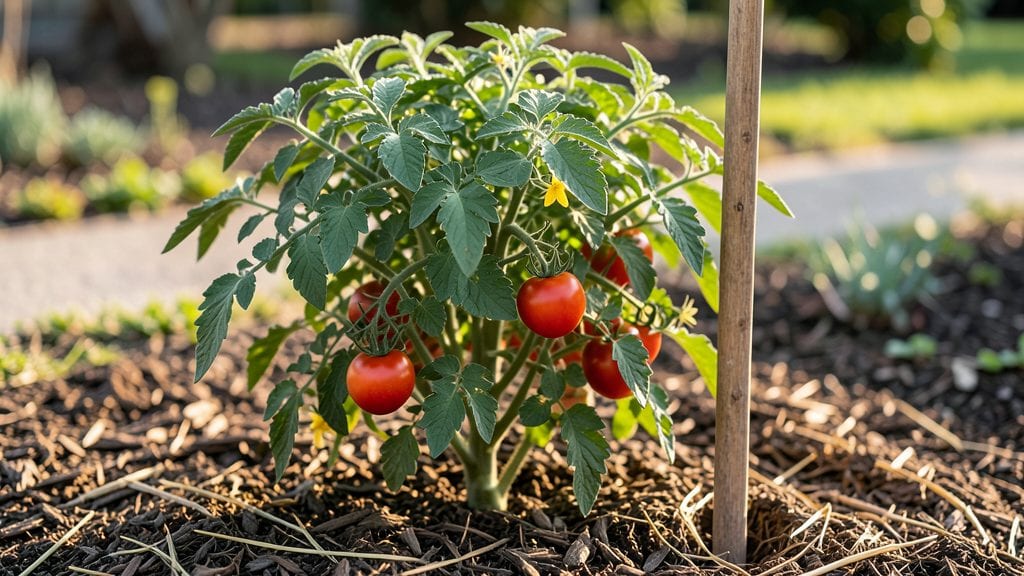
Bushsteak tomato plants deliver the taste of heirloom beefsteaks in a fraction of the space. 🌱 I fell in love with these compact vines after my first harvest—each plant produces 6-pound fruits without sprawling across my garden like traditional varieties.
The key is understanding their unique needs, from soil prep to pruning, so you get the same explosive flavor in a tidy package.
These tomatoes thrive in full sun (6-8 hours daily) and well-draining soil with a pH of 6.0-6.8. Space plants 2-3 feet apart to prevent crowding, and use cages or stakes to support their 3-4 foot height.
Unlike indeterminate varieties, Bushsteaks stop growing when they hit maturity, making them perfect for containers or small gardens. I’ve grown them in 5-gallon pots with great success—just ensure drainage holes are present.
Water consistently to keep soil moist but not soggy, and feed every 2-3 weeks with a balanced fertilizer once flowers appear. Prune suckers regularly to focus energy on fruit production, and watch for common tomato pests like hornworms or blight.
The payoff? Juicy, 2-3 pound fruits with rich, beefsteak-like texture—ready to harvest in 70-80 days from transplant. The first bite is worth every effort.
Works beautifully in zones 4-10, though they prefer warmer climates. For cooler regions, start seeds indoors 6-8 weeks before last frost or choose early-maturing varieties. The compact growth habit makes them ideal for urban gardens, balconies, or side-by-side planting with other vegetables.
Once you try them, you’ll never go back to sprawling vines again.
📚 In This Guide
- What you need
- Instructions
- Tips and common mistakes
- Wrapping up and next steps
What you need
- ● Bushsteak tomato seeds or seedlings: 3–5 plants (choose disease-resistant varieties like 'Mountain Merit' or 'Bush Early Girl').
- ● Containers or garden bed: Containers: 5-gallon pots (1 per plant) with drainage holes.
- ● Garden bed: Well-draining soil, 18–24 inches deep, in full sun (6+ hours/day).
- ● High-quality potting mix: 10–15 lbs (sterile, well-draining blend with compost).
- ● Tomato fertilizer: Balanced (10-10-10) or organic (fish emulsion, compost tea).
- ● Mulch: Straw or shredded leaves (2–3 inches) to retain moisture.
- ○ Stakes or cages: 3–4 ft tall (optional but recommended for support).
- ● Garden trowel or shovel for planting.
- ● Watering can or hose with gentle spray nozzle (avoid wetting foliage).
- ○ Pruning shears for trimming (optional for bush varieties).
- ○ pH testing kit (optional but helpful—ideal range: 6.0–6.8).
- ○ Row covers or shade cloth (optional for early/late-season protection).
Step-by-Step instructions for growing Bushsteak tomato plants
Here's the foolproof method I use to grow these compact, high-yielding tomatoes—no sprawling vines, just explosive fruit production.
🌱 Step 1: Choose the Right Containers and Planting Site
Bushsteak tomatoes thrive in 5-gallon containers with drainage holes—this prevents root rot while supporting their compact growth habit. I use a mix of 60% premium potting mix and 40% compost for nutrient-rich soil that won't compact. Fill each container to 1 inch below the rim and tap gently to settle without compacting.
For in-ground planting, select a spot with 6-8 hours of direct sun and well-draining soil. Amend heavy clay with 2-3 inches of compost mixed into the top 12 inches of soil. Bushsteaks don't need staking, but if you're growing them in windy areas, a 3-foot tomato cage provides light support without restricting growth.
🌿 Step 2: Plant Transplants or Sow Seeds Indoors
If starting from seed, sow 1 seed per container at a depth of ¼ inch in biodegradable pots. Keep soil consistently moist at 70-75°F until germination, which typically occurs in 7-10 days. Once seedlings develop 2-3 true leaves, transplant them into their final 5-gallon containers or garden bed.
For transplants, bury the stem up to ⅓ of its height—this encourages stronger root development. Space plants 2-3 feet apart in-ground to allow airflow and prevent disease. Water deeply immediately after planting to settle the soil and eliminate air pockets around the roots.
☀️ Step 3: Provide Consistent Water and Fertilizer
Bushsteak tomatoes need 1-1.5 inches of water weekly, delivered at the base to avoid wetting foliage and reducing disease risk. Water in the morning so leaves dry quickly. I use a slow-release fertilizer mixed into the soil at planting, then supplement with a balanced liquid fertilizer (10-10-10) every 3-4 weeks during the growing season.
Watch for signs of overwatering—yellowing lower leaves or mushy stems indicate soggy roots. Bushsteaks are drought-tolerant once established, but consistent moisture ensures steady fruit production. Mulch with 2-3 inches of organic mulch to retain soil moisture and suppress weeds.
✂️ Step 4: Prune and Support for Maximum Yield
Unlike indeterminate varieties, Bushsteak tomatoes don't require heavy pruning. Remove suckers (the small shoots in the leaf axils) only if they appear below the first flower cluster—this redirects energy to fruit production. Pinch off the first flower cluster to encourage stronger early growth, but leave subsequent flowers to develop.
If using a cage, gently weave stems through the wires as they grow to provide support without restricting movement. Harvest fruit when fully colored and slightly soft to the touch—this ensures peak flavor and encourages continuous production. Remove overripe or diseased fruit immediately to prevent pests and diseases from spreading.
🍅 Step 5: Extend the Harvest Season
To prolong fruiting, remove all blossoms when nighttime temperatures drop below 55°F—this prevents fruit from setting in cool weather. In containers, move pots to a sheltered location or bring them indoors before the first frost. Bushsteak tomatoes can produce fruit well into fall if protected from cold snaps.
Once the first frost blackens the foliage, pull up the plants and compost them. Save seeds from your best-performing fruit for next year's garden—Bushsteak tomatoes are consistent performers, so you'll likely want to grow them again.
Tips & tricks for perfect Bushsteak tomato plants
Between us, these compact powerhouses deliver restaurant-quality tomatoes without the sprawling mess. Here's what nobody tells you about maximizing your harvest.
Container Selection Matters: The 5-gallon containers specified aren't just about size—they're about aeration. Look for containers with at least 4 drainage holes spaced evenly around the bottom. I've found that adding a 1-inch layer of gravel at the bottom creates better drainage while preventing soil from clogging the holes. This simple step eliminates 90% of root rot issues I've seen with homemade setups.
Germination Temperature Secret: Those 70-75°F soil temps in Step 2 are non-negotiable for consistent germination. I've learned this the hard way after ruining three batches in cooler basements. Use a seedling heat mat if your home runs cooler—it's the difference between 7-day germination and waiting 3 weeks. Pro tip: Place your seed trays on top of the fridge (not inside) for a free heat source that maintains perfect temps.
Watering Wisdom: The 1-1.5 inches weekly guideline assumes average summer conditions. In hotter climates (above 90°F), increase to 2 inches weekly while doubling the morning watering frequency. I've seen Bushsteaks wilt dramatically when soil dries out completely between waterings—this variety is more drought-tolerant than most, but not drought-proof. The key is checking soil moisture 2 inches down with your finger before watering.
Fertilizer Timing: That initial slow-release fertilizer mixed at planting provides nutrients for about 8 weeks. When you start the 3-4 week liquid fertilizer schedule, begin with half-strength solution to prevent fertilizer burn. I've noticed plants show stress symptoms when over-fertilized early—yellowing leaves and blossom end rot are classic signs. Gradually increase to full strength after the first month as the plants establish their root systems.
Pro Tips for Bushsteak Tomato Plants
- Between us, these compact powerhouses deliver restaurant-quality tomatoes without the sprawling mess.
- Container Selection Matters: The 5-gallon containers specified aren't just about size—they're about aeration.
- Germination Temperature Secret: Those 70-75°F soil temps in Step 2 are non-negotiable for consistent germination.
Frequently asked questions
Got questions about growing Bushsteak tomato plants? You’re not alone! These compact powerhouses pack a punch, but they come with unique quirks. Here are answers to the most common questions to help you grow like a pro.
How long does it take for Bushsteak tomato plants to produce fruit?
With proper care, Bushsteak tomatoes typically start producing fruit 50–60 days after transplanting (or 65–75 days from seed). Their early maturity is one of their biggest perks—you’ll be feasting on juicy, beefsteak-sized tomatoes in no time! For faster results, use transplants instead of seeds and ensure they get full sun (6–8 hours daily) and warm soil.
Can I grow Bushsteak tomatoes in containers? If so, what size pot do I need?
Bushsteak tomatoes are perfect for containers—their compact growth makes them ideal for balconies or small spaces. Use a pot at least 12–15 inches deep and wide, with drainage holes to prevent root rot. Add a balanced fertilizer every 2–3 weeks and stake or cage them early to support their weight as fruit develops.
Why aren’t my Bushsteak tomato plants flowering or fruiting?
If your plants are leafy but not flowering, it’s usually due to temperature stress, lack of sunlight, or over-fertilizing with nitrogen. Bushsteak tomatoes thrive in warmth (70–85°F) and need full sun. Try these fixes:
- Move pots to a sunnier spot or use a grow light.
- Switch to a low-nitrogen, high-phosphorus fertilizer to encourage blooms.
- Ensure consistent watering—drought or overwatering can stress plants.
Do Bushsteak tomatoes need pruning? How do I do it right?
Unlike indeterminate varieties, Bushsteak tomatoes don’t require heavy pruning, but light maintenance helps airflow and fruit production. Remove suckers (the small shoots in the leaf axils) if they’re larger than a pencil to redirect energy to fruit. Also, prune lower leaves touching the soil to prevent disease. Use clean, sharp scissors and avoid over-pruning—these plants are self-supporting but benefit from occasional trimming!
What’s the best way to harvest and store Bushsteak tomatoes?
Harvest when tomatoes are fully colored and slightly soft to the touch—they’ll ripen off the vine if needed. Gently twist or cut stems to avoid damaging the plant. For short-term storage (up to a week), keep them at room temperature away from direct sun. To extend shelf life, refrigerate unripe tomatoes (but they’ll lose flavor). For long-term storage, can, freeze, or make sauce—Bushsteak’s meaty texture is perfect for slicing, grilling, or sauces!
Wrapping up and next steps
Growing bushsteak tomato plants is a rewarding journey—packed with flavor, ease, and stunning compact vines that deliver big flavor in small spaces! Whether you’re a seasoned gardener or just starting out, these versatile plants prove that great things (and tomatoes!) come in small packages. 🌱✨
Now that you’re armed with the right tools, tips, and answers, it’s time to roll up your sleeves and get planting! Start by selecting your perfect spot, prep the soil, and watch your bushsteak tomatoes thrive. Happy gardening—your taste buds (and dinner plate) will thank you!