
Planting
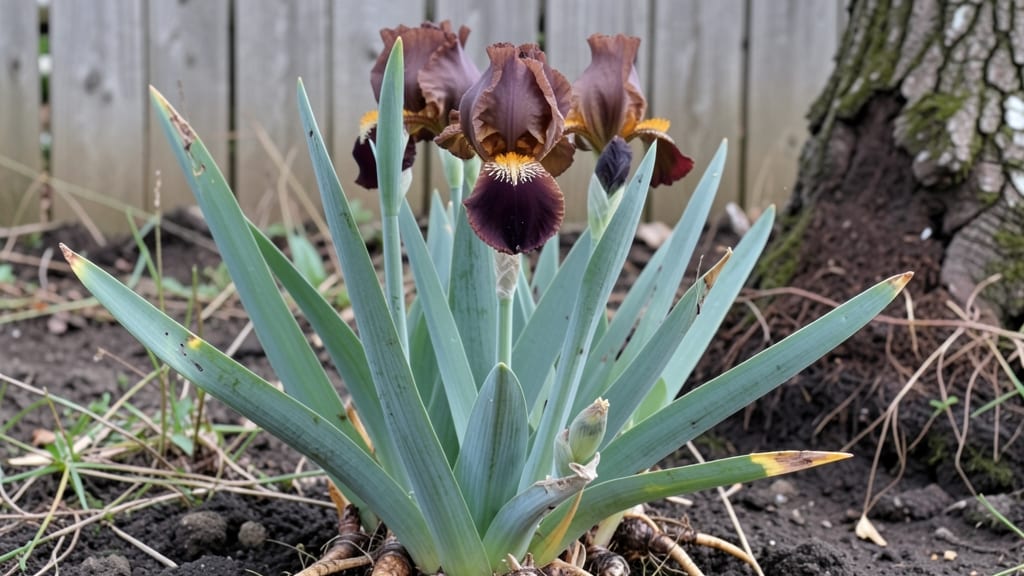
My brown iris plant looked like a lost cause—until I discovered this root-soaking trick that brought it back to life. 🌱 The moment I saw those crispy edges and yellowing leaves, I knew something was seriously wrong, but it turned out the fix was simpler than I expected.
Brown irises usually signal one of three problems: fungal infections like iris borer, rotting roots from overwatering, or nutrient starvation. Most gardeners reach for fungicides first, but the real game-changer is often a 10-minute root soak in a diluted hydrogen peroxide solution.
I’ve revived three plants this way—even ones that looked beyond saving.
After soaking, the roots drink up fresh nutrients while the solution kills lurking pathogens. Within 2-3 weeks, you’ll see new growth pushing through, and by next season, your irises will be blooming like they never left.
The best part? This method prevents future browning by strengthening roots from the start.
Works for both bearded and Siberian irises, and it’s just as effective for plants struggling from heat stress or poor soil. Let’s get those roots healthy again—your irises will thank you with vibrant blooms by spring.
Root Causes of Browning
Understanding why your iris leaves or blooms turn brown is the first step to bringing them back to life. Often, the issue stems from environmental stress, improper care, or hidden pests. Let’s break down the most common culprits and why they damage your irises.
When temperatures soar or your iris isn’t getting enough water, the plant reacts by browning leaves or wilting blooms. Iris roots are fibrous but shallow, meaning they dry out quickly in hot, dry conditions.
Without adequate moisture, cells in the leaves and petals lose turgor pressure, leading to crispy, brown edges.
Why it happens:
- Water loss exceeds uptake: High evaporation rates in summer or windy conditions pull moisture from the plant faster than roots can absorb it.
- Root suffocation: Overly dry soil can cause roots to retract, reducing their ability to absorb water and nutrients.
- Oxidative damage: Prolonged drought triggers the production of harmful free radicals, which break down chlorophyll (the green pigment in leaves), causing browning.
Actionable fix: Water deeply at the base (not overhead) during heatwaves, and mulch around the plant to retain soil moisture. Aim for 1–1.5 inches of water per week, adjusting for rainfall.
Brown, mushy patches on leaves or stems—especially after rain—are often a sign of fungal infections like iris leaf spot (Drechslera iridis) or root rot (Phytophthora or Fusarium). Fungi thrive in damp, stagnant conditions, attacking weakened plants.
Why it happens:
- Poor drainage: Waterlogged soil cuts off oxygen to roots, creating the perfect breeding ground for fungi.
- High humidity: Fungal spores spread easily in moist air, especially if leaves stay wet overnight.
- Weakened defenses: Stressed plants (from drought, poor soil, or nutrient deficiencies) are more susceptible to infections.
Actionable fix:
- Improve drainage by amending soil with sand or perlite and avoid overwatering.
- Remove and dispose of infected foliage immediately (don’t compost it!).
- Apply copper fungicide or a baking soda spray (1 tsp baking soda + 1 quart water + a drop of dish soap) as a preventive measure.
Tiny invaders like thrips, aphids, or iris borers can cause brown speckling, curled leaves, or hollow stems. These pests feed on plant sap, injecting toxins that discolor and weaken the iris over time.
Why it happens:
- Thrips: These tiny insects pierce cells to feed, causing silver or brown streaks on petals and leaves.
- Iris borers: Larvae burrow into stems, creating entry points for bacteria and fungi, leading to blackened, wilted foliage.
- Aphids: Cluster on new growth, sucking sap and excreting sticky honeydew, which attracts sooty mold (a black fungal growth).
Actionable fix:
- Handpick large pests (like borers) or spray with neem oil (a natural insecticide).
- Introduce beneficial insects like ladybugs or lacewings to control aphids.
- Prune heavily infested stems and dispose of them in sealed bags.
Brown, crunchy leaf tips or yellowing between veins can signal fertilizer burn or salt buildup from tap water or synthetic nutrients. Irises prefer low-nitrogen, well-balanced fertilizers—too much salts or chemicals disrupt cellular function.
Why it happens:
- Salt accumulation: Excessive fertilizers or hard water leave behind salts that osmotically dehydrate plant cells, causing browning.
- pH imbalance: Irises thrive in slightly acidic to neutral soil (pH 6.0–7.0). Over-alkaline soil (from lime or synthetic fertilizers) locks out nutrients like iron, leading to chlorosis (yellowing) and eventual browning.
- Herbicide drift: Nearby lawn treatments (like glyphosate) can bleach or brown iris leaves if sprayed accidentally.
Actionable fix:
- Flush the soil with water to reduce salt buildup.
- Test soil pH and amend with elemental sulfur (to lower pH) or peat moss (to raise it slightly).
- Switch to organic, slow-release fertilizers (like compost or bone meal) and avoid synthetic salts.
Brown, brittle leaves or stunted growth may indicate a lack of essential minerals like potassium, magnesium, or iron. While irises are hardy, chronic deficiencies weaken them over time.
Why it happens:
- Potassium deficiency: Causes brown edges on older leaves (a sign of poor water regulation).
- Magnesium deficiency: Leads to interveinal browning (brown patches between leaf veins).
- Iron deficiency: Results in yellowing between veins (chlorosis), which progresses to brown as the plant struggles.
Actionable fix:
- Conduct a soil test to identify specific deficiencies.
- Apply Epsom salt (for magnesium) or iron chelate (for iron) following package instructions.
- Top-dress with compost in early spring to replenish organic matter naturally.
Harsh winds, hail, or even mechanical damage (like from lawnmowers) can tear or bruise iris foliage, leading to brown patches. Additionally, winter freeze damage can cause leaves to turn brown and crispy.
Why it happens:
- Windburn: Dries out leaf edges, causing brown, papery tips.
- Hail or trampling: Crushed cells can’t recover, leading to necrotic (dead) brown spots.
- Winter desiccation: Frost can freeze and rupture cell walls, killing tissue.
Actionable fix:
- Stake tall irises in windy areas or plant them in sheltered spots.
- Mulch heavily in winter to insulate roots from freeze-thaw cycles.
- Avoid mowing over iris clumps—hand-weed instead to prevent damage.
Revive Your Dying Blooms Today
When your irises start showing signs of distress—like browned leaves, limp stems, or faded petals—don’t panic! With the right care, you can bring them back to life and even prevent future issues.
Below are practical, step-by-step solutions tailored to the most common causes of browning in irises, along with prevention tips to keep your plants thriving.
Fix: The first step is to stop the waterlogging immediately. Irises hate soggy roots, which can lead to rot and browning.
- 🔥 Drain the soil: If your iris bed feels damp after a few hours of rain, it’s time to improve drainage.
Mix sand or perlite into the soil (about 20-30%) to create air pockets. - 👨🍳 Elevate the plants (if needed): If your garden has heavy clay soil, consider planting irises in raised beds or containers with drainage holes. - 🥘 Water wisely: Only water when the top 1-2 inches of soil are dry.
Use a soaker hose or drip irrigation to avoid wetting the leaves, which can encourage fungal issues.
💡 Prevention Tip: Plant irises in full sun (6+ hours daily) and ensure they’re in well-draining soil. A mulch layer (2-3 inches) helps retain moisture without suffocating roots.
Fix: If your irises are turning brown in hot, direct sunlight, they may be sunburned. This is common in newly planted or recently transplanted irises.
- 🌡️ Provide afternoon shade: Use a light shade cloth (30-50%) or plant them near taller perennials that offer natural shade in peak afternoon heat. - 💧 Increase water slightly: During extreme heat, give them a deep watering every 2-3 days to help them cope. - ✨ Avoid fertilizing in summer: High nitrogen in hot weather can stress plants further.
Wait until early spring or fall to feed them.
💡 Prevention Tip: If you’re in a very hot climate, choose heat-tolerant iris varieties like Iris germanica or Iris pallida, which handle sun better.
Fix: Browning edges or spots on leaves? Fungal infections thrive in humid, wet conditions.
- 🔪 Prune infected leaves: Use sterilized pruners to cut off brown or spotted leaves at the base.
Dispose of them in the trash (not compost). - 🌡️ Improve airflow: Space plants 12-18 inches apart and avoid overcrowding. - 🍎 Apply fungicide (if needed): For severe cases, use a copper-based fungicide or neem oil spray every 7-10 days until the issue clears.
💡 Prevention Tip: Water at the base (not overhead) and remove debris around plants to reduce fungal spores.
Fix: Chewed leaves, holes, or sawdust-like frass? Pests are likely the culprit.
- 🔥 Handpick or spray pests: For thrips or aphids, blast them off with a strong stream of water or use insecticidal soap. - 🥘 Treat iris borers early: If you see sawdust-like frass or wilted stems, cut open the rhizome to remove larvae.
Apply beneficial nematodes or Bt (Bacillus thuringiensis). - 🌡️ Use row covers: For severe infestations, cover new growth with fine mesh netting until pests decline.
💡 Prevention Tip: Plant irises in well-draining soil (pests love soggy conditions) and rotate crops if pests are a recurring issue.
Fix: If leaves are brown at the tips with yellowing in between, your iris may need micronutrients.
- 📊 Test your soil: A simple soil test kit (available at garden centers) can tell you if you’re missing iron, magnesium, or potassium.
- 💪 Fertilize correctly: Use a balanced, slow-release fertilizer (10-10-10) in early spring and a low-nitrogen, high-potassium fertilizer in fall to encourage root health.
- 🍎 Add organic matter: Mix in compost or worm castings to improve soil structure and nutrient availability.
💡 Prevention Tip: Avoid over-fertilizing—too much nitrogen can burn roots and make irises more susceptible to disease.
If your irises are wilting, brown, and lifeless, try this emergency root soak:
- 🔪 Dig up the rhizome carefully, removing old leaves.
- 🌡️ Soak in water + hydrogen peroxide (1 tbsp per gallon) for 10-15 minutes to kill fungi/bacteria.
- 💧 Replant in fresh, well-draining soil and water lightly for the first week.
- ✨ Keep out of direct sun for 3-5 days to reduce stress.
💡 Pro Tip: This works best in early spring or fall when irises are naturally dormant.
✅ Water deeply but infrequently (1-2 times per week, more in heat). ✅ Prune dead leaves in early spring to encourage new growth. ✅ Fertilize in spring and fall (not summer!). ✅ Watch for pests early—act fast to prevent spread. ✅ Improve soil drainage if browning persists.
With these fixes, your irises should bounce back within 2-4 weeks—and with proper care, they’ll reward you with vibrant blooms for years to come! 🌸✨
Frequently asked questions
Why are my iris leaves turning brown at the tips?
Brown tips on iris leaves usually indicate underwatering or salt buildup from hard water or over-fertilizing. Irises prefer consistent moisture but hate soggy roots—aim for 1-1.5 inches of water per week. Flush the soil with water to remove excess salts, then adjust your watering routine to keep soil evenly moist but not waterlogged.
Can I save an iris plant with brown, mushy stems?
Yes, but act fast! Mushy stems signal root rot from overwatering or poor drainage. Dig up the rhizome, trim away any soft, blackened tissue with sterilized pruners, then soak the healthy roots in a 1:10 hydrogen peroxide solution for 10 minutes to kill fungi. Replant in fresh, well-draining soil with sand or perlite mixed in, and avoid watering for 3-5 days to let roots recover.
How do I tell if brown spots are from pests or disease?
Pest damage (like thrips or iris borers) often shows as tiny holes, frass (sawdust-like debris), or curled leaves, while fungal issues (like leaf spot) appear as dark, water-soaked patches with yellow halos. Check the undersides of leaves for pests—if you see them, use neem oil or insecticidal soap. For fungal spots, prune infected areas and apply copper fungicide.
Is it safe to prune brown iris leaves?
Prune brown or yellow leaves in early spring (after new growth appears) using sterilized shears. Cut back to 1-2 inches above the rhizome to encourage fresh foliage. Avoid pruning in fall—irises need their leaves to photosynthesize for next year’s blooms. Dispose of pruned leaves in the trash (not compost) to prevent spreading disease.
Will my iris bloom again if the leaves are brown?
Yes, but healthy roots are key! If the rhizome (thick underground stem) is firm and plump, your iris can still bloom. Focus on reviving the roots first: soak in a hydrogen peroxide solution, replant in fresh soil, and avoid stress (like overwatering or full sun). With proper care, you’ll see new leaves and blooms within 4-6 weeks, even if the current foliage is damaged.