
Watering
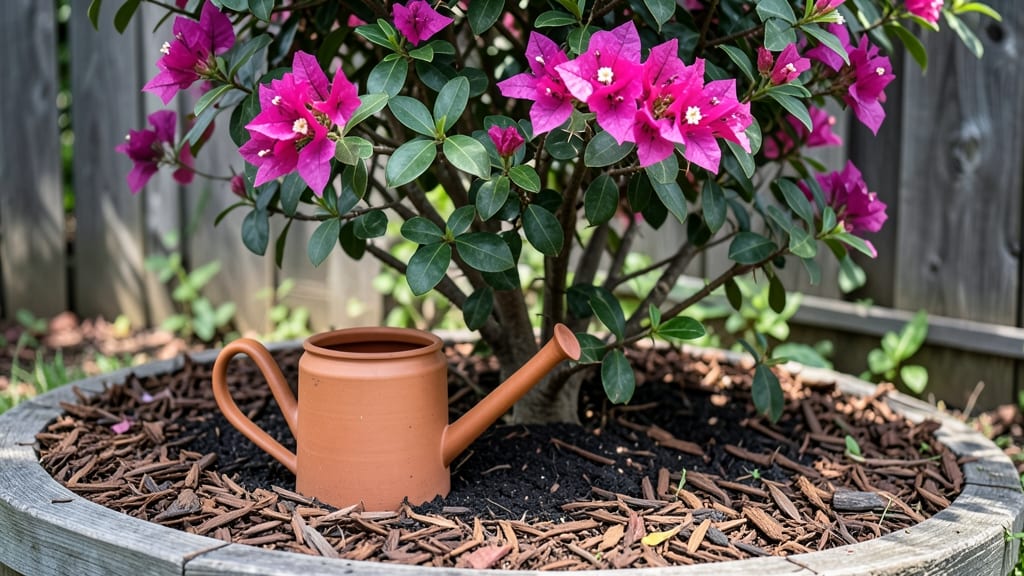
Watering a bougainvillea plant properly is the key to those stunning, vibrant blooms 🌸 — and it’s easier than you think, once you know the drought-resistant tricks.
Struggling to keep your bougainvillea blooming year-round? The secret isn’t hidden in fancy fertilizers—it’s in mastering its drought-resistant watering needs. Get the schedule right, and you’ll transform your plant from wilting to vibrant in just weeks.
This tropical beauty thrives on neglect, but it still needs a smart approach. Too much water, and you’ll drown its roots; too little, and those bright blooms will fade. The trick is deep, infrequent watering that mimics its natural habitat.
In this guide, I’ll break down the exact watering schedule, how to tell if you’re overdoing it, and the one trick that keeps bougainvilleas blooming even in the hottest months.
Bougainvillea watering schedule: how often to water for optimal growth
Mastering your bougainvillea watering schedule is the key to vibrant blooms and lush growth. Unlike thirsty houseplants, bougainvilleas are drought-tolerant natives that despise soggy roots. The trick? Mimic their natural habitat with deep, infrequent watering—especially during their active growing seasons.
Overwatering is the #1 killer, but even slight dehydration causes those stunning paper-like bracts to wilt faster than you'd expect.
Your bougainvillea’s water needs shift dramatically with seasonal changes and soil type. Sandy soil drains water like a sieve, while clay holds moisture like a sponge.
Even the container size matters—potted plants dry out 3x faster than in-ground specimens. Let’s break down the science-backed schedule so you can water with confidence, not guesswork.
| Season | Watering Frequency | Soil Moisture Test | Watering Depth | Key Adjustments |
|---|---|---|---|---|
| Spring | Every 5-7 days (established plants) | Top 2-3 inches dry | 1-1.5 gallons per watering | Increase slightly if new growth appears |
| Summer | Every 3-5 days (intense heat) | Top 1-2 inches dry | 1.5-2 gallons per watering | Water early morning to prevent evaporation |
| Fall | Every 7-10 days (reduced growth) | Top 3-4 inches dry | 1 gallon per watering | Cut back as temperatures drop |
| Winter | Every 3-4 weeks (minimal watering) | Top 4-5 inches dry | 0.5-1 gallon per watering | Only water if pot feels light |
| Potted Bougainvillea | Every 2-3 days (dries faster) | Top 1 inch dry | 0.5-1 gallon per watering | Use terracotta pots for better drainage |
| Sandy Soil | Every 2-3 days (drains quickly) | Top 0.5-1 inch dry | 1-1.5 gallons per watering | Mulch to retain moisture |
| Clay Soil | Every 7-10 days (holds moisture) | Top 3-4 inches dry | 0.5-1 gallon per watering | Avoid waterlogging root zones |
Don’t rely on a calendar—your bougainvillea’s thirst changes daily. Stick your finger 2 inches deep into the soil. If it feels dry, it’s time to water. For container-grown plants, lift the pot: if it’s light, water immediately. Pro tip: Use a moisture meter for accuracy, especially in hot climates where evaporation speeds up.
Newly planted bougainvilleas need extra attention—water every 2-3 days for the first 2 weeks to help roots establish. After that, taper off to the seasonal schedule above. The goal is to encourage deep root growth, not shallow, weak roots that beg for frequent watering.
Think of each watering as a long drink rather than a quick sip.
Watch for wilting bracts (the colorful parts) as a sign of thirst, but don’t confuse them with leaf drop, which often signals overwatering. Bougainvilleas are masters of water conservation, so they’ll drop leaves to survive drought—but they’ll never recover from root rot caused by soggy soil.
Always water at the base of the plant, not overhead, to protect those delicate paper-like bracts from fungal diseases.
In summer heat, mulch around your bougainvillea with 2-3 inches of organic mulch (like wood chips) to lock in moisture and keep roots cool. For container plants, add a layer of gravel or pebbles at the bottom before soil to improve drainage.
If you’re traveling, set up a self-watering system or ask a neighbor to water deeply once every 5 days—but never let the soil stay soggy for more than 24 hours.
Winter is the easiest season—your bougainvillea’s water needs drop to a bare minimum. In USDA Zones 9b-11, you might only need to water once a month unless you’re in a windy or dry microclimate.
If your plant is dormant (no new growth), hold off until you see buds forming in spring. The key is to avoid winter watering unless absolutely necessary, as it can stimulate rot in cold, wet soil.
One common mistake is watering on a schedule without checking soil moisture. Bougainvilleas in shade or humid climates need 30-50% less water than those in full sun. Always adjust based on weather conditions, not just the season.
For example, after a heavy rain, skip watering entirely—even if it’s "time" according to your schedule.
Signs of overwatering vs. Underwatering bougainvillea (and how to fix it)
Your bougainvillea might look lush, but soggy soil or bone-dry roots can silently sabotage its vibrant blooms. The key is spotting stress signals early—yellowing leaves or drooping stems aren’t always obvious.
Unlike thirsty succulents, bougainvilleas store minimal water, making them highly sensitive to moisture extremes. Even a slight imbalance can trigger root rot or stunted growth, so let’s decode the clues.
Start by checking the soil moisture 2 inches below the surface. Stick your finger in—if it feels damp, you’re likely overwatering. If it’s dry as a bone, your plant is crying out for hydration.
Bougainvilleas thrive on drought tolerance, so their roots crave air almost as much as water. The moment you see mushy stems or blackened roots, it’s a red flag that your watering schedule is too generous.
Overwatering
Underwatering
Fix Overwatering: Stop watering immediately. Repot in well-draining mix (cactus soil + perlite). Prune rotted roots with sterilized shears.
Fix Underwatering: Deep-water until it drains from the bottom. Mulch with gravel to retain moisture. Water morning-only to prevent evaporation.
If your bougainvillea shows yellowing leaves but the soil is dry, you’re likely dealing with underwatering. The plant sheds foliage to conserve moisture, but the bright pink/purple bracts (the "flowers") will fade first.
Grab a moisture meter—these $10 tools save bougainvilleas from irreversible damage. Aim for 60-70% drainage; anything less suffocates roots.
For root rot, act fast. Remove the plant, rinse roots under cool water, and trim away blackened sections with sterilized pruners. Repot in a container with drainage holes and a mix of sand and cactus soil.
Avoid watering for 3-5 days to let wounds heal. Pro tip: Add orchid bark to improve aeration.
To prevent future stress, adjust your watering schedule by season. In summer heat, water every 3-4 days at the base—never overhead. In winter dormancy, cut back to monthly.
Always water in the morning so foliage dries by evening, reducing fungal risks. A self-watering pot with a wick system can automate this for potted bougainvilleas.
Watch for flower drop as another warning sign. While bougainvilleas naturally shed blooms, a sudden surge means stress—likely overwatering or nutrient burn. Flush the soil with water 3x the pot’s size to leach excess salts, then fertilize lightly with half-strength bloom booster.
Prune 1/3 of the plant in spring to encourage fresh, vibrant growth.