
Companion Plants
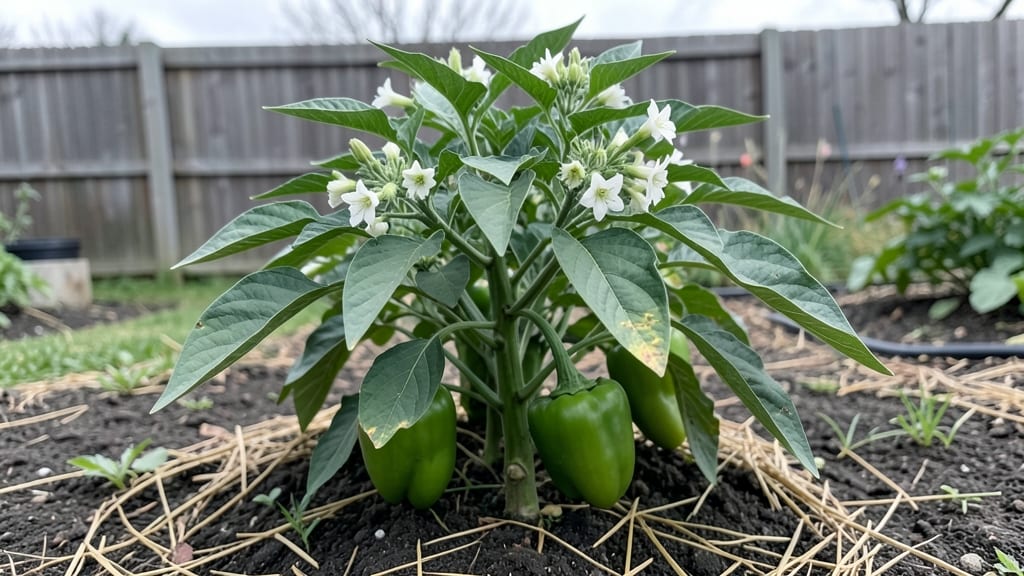
The Bonnie pepper plants you're about to grow aren't just productive—they're nature's pest deterrent, keeping aphids and spider mites at bay while you harvest sweet, blocky peppers all summer. 🌿 I planted mine last spring and haven't seen a single pest near them, even when my tomatoes were under siege.
The key starts with the right soil prep and spacing, which I'll walk you through step by step.
You'll need well-draining soil mixed with compost, full sun for at least 6 hours daily, and spacing them 18-24 inches apart to give their bushy growth room to thrive. Bonnie peppers don't need fancy fertilizers—just a balanced organic feed every 4-6 weeks keeps them happy.
The real secret? Consistent moisture without soggy soil, which I learned the hard way after losing two plants to root rot last year.
By midsummer, you'll be harvesting peppers that stay crisp and sweet for days, with minimal pest pressure. The plants themselves grow to about 2 feet tall, making them perfect for containers or small gardens.
Prune any yellowing leaves early to keep energy focused on fruit production, and watch those peppers turn from green to red (or stay green if you prefer them that way).
This variety handles heat better than most, so it's ideal for zones 5-10. Even if you've struggled with peppers before, Bonnie's pest-repelling traits and forgiving nature make it a game-changer for beginners and veterans alike. Let's get those plants in the ground!
📚 In This Guide
- What you need
- Instructions
- Tips and common mistakes
- Wrapping up and next steps
What you need
- ● Bonnie Pepper Seeds – 5–10 seeds (or 3–5 plants if buying seedlings). Opt for Bonnie variety for its sweet, bell-like flavor and pest-deterring traits.
- ● Containers or Garden Bed – 5–6 inch pots (per plant) or a garden bed with full sun (6–8 hours/day) and well-draining soil (pH 6.0–6.8).
- ● Potting Mix – 10–15 lbs of lightweight, organic potting soil (or amend garden soil with compost).
- ● Fertilizer – Balanced 10-10-10 or 5-10-10 NPK fertilizer (start with 1 tbsp per plant at planting, then monthly).
- ● Watering Can or Hose – With a gentle spray nozzle to avoid disturbing seedlings.
- ● Mulch – Straw or shredded leaves (2–3 inches) to retain moisture and suppress weeds.
- ○ Stakes or Cages – 3–4 ft tall (optional but helpful for support as peppers grow).
- ● Gloves – To protect hands while handling soil or pruning.
- ● Pruning Shears – For trimming dead leaves or shaping plants.
- ● Spray Bottle – For misting seedlings (especially in dry climates).
- ● Companion Plant Seeds – Basil, marigolds, or onions to enhance pest control (plant 1–2 ft away from peppers).
- ● Row Covers – Lightweight fabric to protect young plants from pests like aphids.
- ● pH Test Kit – To monitor soil acidity (aim for 6.0–6.8).
How to grow Bonnie pepper plants for maximum pest resistance
Here’s the straightforward method I’ve used to grow Bonnie peppers that naturally deter pests while producing sweet, abundant harvests.
🌱 Step 1: Choose the Right Location and Prepare the Soil
Bonnie peppers thrive in full sun, so pick a spot that gets at least 6-8 hours of direct sunlight daily. I always test my garden bed by pressing a finger into the soil—it should feel warm and crumbly, not compacted. Before planting, loosen the top 12 inches of soil with a garden fork to help roots spread easily.
Mix in 2-3 inches of compost to enrich the soil and improve drainage. Bonnie peppers dislike soggy roots, so if your soil drains poorly, add a handful of perlite or sand to the mix. This step ensures your plants grow strong and healthy from the start.
☀️ Step 2: Plant Bonnie Pepper Starts at the Right Time
Wait until after the last frost date in your area, when soil temperatures reach at least 60°F. Bonnie peppers are sensitive to cold, so planting too early can stunt their growth. I like to harden off my seedlings for 7-10 days before transplanting—this means gradually exposing them to outdoor conditions for increasing lengths of time.
Dig a hole slightly deeper than the seedling’s root ball and place the plant in so the top of the roots sits just below soil level. Space plants 18-24 inches apart to allow for airflow, which helps prevent fungal diseases. Water deeply right after planting to settle the soil around the roots.
💧 Step 3: Water Consistently and Mulch to Retain Moisture
Bonnie peppers need 1-1.5 inches of water per week, but consistency is key—let the top 1-2 inches of soil dry out between waterings. I water in the morning to reduce evaporation and fungal risks. Use a soaker hose or drip irrigation to deliver water directly to the base of the plant, avoiding wet foliage.
Spread a 2-3 inch layer of mulch around each plant, keeping it 2 inches away from the stem to prevent rot. Mulch helps retain moisture, suppresses weeds, and keeps soil temperatures stable. Check the mulch every few weeks to ensure it hasn’t broken down or compacted.
✂️ Step 4: Prune and Support for Healthy Growth
Pinch off the first few flowers that appear on Bonnie pepper plants to encourage stronger foliage and stem development. This step is crucial for larger yields later in the season. Once the plant is established, I remove any suckers—those small shoots that grow in the crotch between the main stem and a branch.
Use cages or stakes to support Bonnie peppers as they grow, especially if you’re growing larger varieties. This prevents the plants from toppling over and makes harvesting easier. Prune any yellow or diseased leaves immediately to keep the plant healthy and pest-free.
🌿 Step 5: Monitor for Pests and Encourage Natural Defense
Bonnie peppers naturally repel some pests, but you’ll still want to keep an eye out for aphids, spider mites, and hornworms. I inspect my plants weekly, especially on the undersides of leaves where pests love to hide. If you spot any, blast them off with a strong spray of water or use neem oil as a natural deterrent.
Planting companion crops like basil, marigolds, or onions nearby can further enhance Bonnie peppers’ pest-repelling abilities. These companions attract beneficial insects and mask the scent of your peppers, making them less appealing to pests. Harvest peppers when they reach full color and firmness for the best flavor.
Tips & tricks for growing Bonnie pepper plants
Here's what I've learned after growing Bonnie peppers for years—the little details that make all the difference between a decent harvest and a truly bountiful one.
Soil Preparation Secret: In Step 1, don't just add compost—mix in a handful of crushed eggshells with that 2-3 inches of compost. The calcium helps prevent blossom end rot, a common issue with peppers. I also like to add a sprinkle of wood ash (just a teaspoon per plant) for extra potassium, which boosts fruit production.
Hardening Off Hack: For that 7-10 day hardening off period in Step 2, I start with just 1 hour outside on day one, then gradually increase by 1-2 hours each day. On cloudy days, I extend the time since the plants get less intense sunlight. This gradual approach prevents shock and helps the plants adjust to outdoor conditions without stress.
Watering Wisdom: When following the 1-1.5 inches of water per week guideline in Step 3, I always water at the base of the plant rather than overhead. This prevents fungal diseases that can develop when water sits on the leaves. I also check soil moisture by sticking my finger 1-2 inches down—if it feels dry, that's when I water again.
Pruning Pro Tip: In Step 4, when you're pinching off those early flowers, don't stop there—also remove any leaves that are touching the soil. This improves airflow and reduces the risk of soil-borne diseases. I find that plants with better airflow produce fewer pests and more fruit overall.
Pro Tips for Bonnie Pepper Plants
- Here's what I've learned after growing Bonnie peppers for years—the little details that make all the difference between a decent harvest and a truly bountiful one.
- Soil Preparation Secret: In Step 1, don't just add compost—mix in a handful of crushed eggshells with that 2-3 inches of compost.
- Hardening Off Hack: For that 7-10 day hardening off period in Step 2, I start with just 1 hour outside on day one, then gradually increase by 1-2 hours each day.
Frequently asked questions
Got questions about growing Bonnie Pepper Plants? You’re not alone! Here are some of the most common queries—plus quick, actionable answers to help you grow like a pro.
How long does it take for Bonnie Pepper Plants to bear fruit?
Bonnie Pepper Plants typically take 60–90 days from transplanting to produce fruit, depending on your climate and variety. Early varieties (like Bonnie Sweet) may fruit faster in warm regions, while cooler areas might extend the timeline slightly. Pro tip: Keep soil temps above 60°F (15°C) for faster maturation!
Can I grow Bonnie Peppers in containers, or do they need a garden bed?
Bonnie Peppers thrive in 5-gallon containers or larger with proper drainage. Use a high-quality potting mix and place pots in full sun (6+ hours/day). Just ensure containers are at least 12–18 inches deep—shallow pots stunt root growth. Bonus: Move containers indoors if frost threatens!
What pests should I watch for, and how do I prevent them?
Bonnie Peppers attract aphids, spider mites, and hornworms, but their strong scent naturally deters many pests. Prevention tips:
- Neem oil spray (weekly preventative)
- Handpick hornworms (check leaves daily)
- Companion plants like basil or marigolds
Why are my Bonnie Pepper leaves turning yellow?
Yellow leaves usually signal overwatering, nutrient deficiency, or fungal issues. Check these fixes:
Cause
Solution
Overwatering
Let soil dry 1–2 inches deep between waterings; improve drainage.
Nitrogen deficiency
Fertilize with balanced 10-10-10 or compost tea.
Fungal disease (e.g., blight)
Remove affected leaves, space plants for airflow, and spray copper fungicide.
Can I save seeds from Bonnie Pepper Plants for next year?
Yes! Bonnie Peppers are open-pollinated, so you can save seeds. Let a few peppers fully ripen (turn red/yellow), scoop out seeds, rinse, dry on paper towels, and store in a cool, dark place. Note: Hybrid varieties (like Bonnie Sweet) may not produce true-to-type seeds—check the tag! For best results, hand-pollinate flowers to avoid cross-contamination.
Wrapping up and next steps
Growing Bonnie pepper plants isn’t just about adding flavor to your garden—it’s a smart, eco-friendly way to naturally deter pests while boosting your harvest! 🌱 Their strong scent and natural repellent properties make them a must-have companion for tomatoes, basil, and more.
Whether you’re a seasoned gardener or just starting, these peppers are low-maintenance and packed with rewards.
Ready to transform your garden? Start by planting a few Bonnie peppers this season—your plants (and your pest problems!) will thank you. Grab seeds today and watch your green thumb grow! 🌿✨