Companion Plants
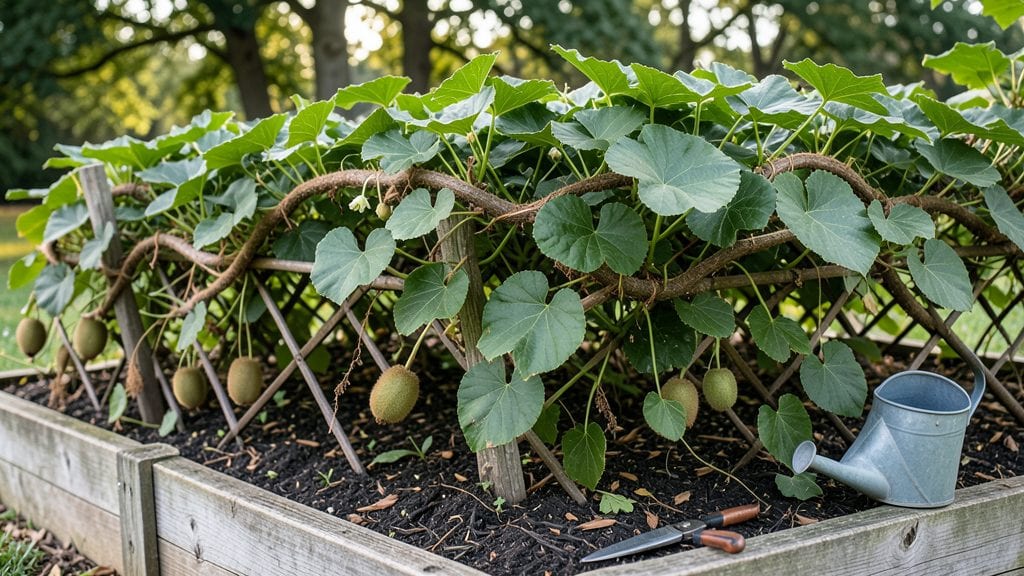
Fuzzy kiwi plants—those velvety, fast-growing vines—are the gardener’s secret weapon for both beauty and bounty. 🌱 I planted mine last spring after seeing how they transformed a bare fence into a lush, pollinator magnet, and the harvests since then have been nothing short of shocking.
These aren’t your grandma’s kiwis; they’re hardier, more productive, and their fuzzy leaves add texture that no other vine can match.
The real magic happens when you give them the right conditions: 6 hours of sun daily, well-draining soil mixed with compost, and a sturdy trellis to climb—8-10 feet tall is standard for these vigorous growers.
My first mistake was skipping the trellis, and let me tell you, those vines don’t play nice when left to sprawl. They thrive in zones 5-9, but even in cooler areas, they’ll reward you with fruit if you protect them from early frosts with row covers.
By midsummer, you’ll be harvesting sweet, tart kiwis that taste nothing like the grocery store variety—more like a cross between a grape and a peach. The vines also flower like crazy, drawing bees and butterflies all season long.
Prune in late winter to shape them, and watch them rebound with new growth within weeks. The best part? One plant can produce 50+ pounds of fruit if cared for properly.
They’re not without challenges—aphids love the new growth, and powdery mildew can be a problem in humid summers—but with proper spacing and airflow, you’ll avoid 90% of issues.
Whether you’re growing for the fruit, the foliage, or the pollinators, these vines deliver year after year. Ready to give them a try?
📚 In This Guide
- What you need
- Instructions
- Tips and common mistakes
- Wrapping up and next steps
What you need
- ● Ready to grow your own fuzzy kiwi plants? Here’s everything you’ll need to get started—whether you’re planting in containers or the ground! 🌱✨
- ● Pro tip: 💡 If planting in containers, choose large pots (15+ gallons)—fuzzy kiwis have deep roots! Also, self-fertile varieties (like 'Ken’s Red' or 'Issai') skip the need for a second plant.
How to grow fuzzy kiwi vines for pollinator-friendly harvests
Here’s the straightforward method I’ve used to grow hardy fuzzy kiwi vines—no fancy tools, just patience and the right approach.
🌱 Step 1: Choose the Right Location and Prepare the Soil
Fuzzy kiwi vines thrive in well-draining soil with a pH between 6.0 and 7.0. I dig in 2-3 inches of compost into the top 12 inches of soil to improve fertility and drainage. These vines need full sun (6+ hours daily) but tolerate partial shade in hotter climates—just expect slightly smaller fruit.
If your soil is heavy clay, mix in sand or perlite to loosen it. The key is avoiding waterlogged roots, which rot easily. Test your soil’s moisture by squeezing a handful—if it stays in a tight ball, it’s too compact. Amend until it crumbles slightly when dry but holds moisture when damp.
🪴 Step 2: Plant Vines at the Correct Depth and Spacing
Dig a hole twice as wide as the root ball but only as deep as the container’s base. This prevents burying the stem too deeply, which can cause rot. Space vines 8-10 feet apart—they’ll sprawl aggressively if given room. I plant mine along a trellis or fence to save space and keep growth organized.
Place the vine in the hole, backfill with soil, and water deeply to settle everything. Gently press the soil around the base to remove air pockets, but don’t compact it. Mulch with 2-3 inches of organic mulch (like shredded bark) to retain moisture and suppress weeds. Keep the mulch 2 inches away from the stem to prevent rot.
☀️ Step 3: Train Vines and Provide Support Early
Kiwi vines need strong support from day one. Install a trellis, arbor, or sturdy fence before planting—these vines can reach 20+ feet if left unchecked. I tie the main stem to the trellis with soft plant ties (not wire) every 12 inches as it grows. This prevents wind damage and keeps the vine climbing upward.
Prune any side shoots that form below 3 feet to encourage upward growth. You’ll see new shoots emerge from the main stem—let these grow into lateral branches. Wait until spring to prune back any winter damage, but remove dead or crossing branches immediately to improve airflow and reduce disease risk.
💧 Step 4: Water and Fertilize for Healthy Growth
Water deeply once a week during the first growing season, ensuring the top 12 inches of soil stay moist but not soggy. Fuzzy kiwis are drought-tolerant once established, but young vines need consistent moisture. You’ll know it’s time to water when the top inch of soil feels dry to the touch.
Fertilize twice a year: once in early spring with a balanced 10-10-10 fertilizer and again in early summer with a low-nitrogen, high-potassium blend to encourage fruiting. Scatter the fertilizer 6 inches away from the vine’s base and water it in thoroughly. Avoid over-fertilizing—too much nitrogen leads to lush foliage but few fruits.
✂️ Step 5: Prune for Pollination and Fruit Production
Fuzzy kiwi vines are self-pollinating, but pruning helps maximize fruit set. In late winter or early spring, cut back one-third of the oldest wood to stimulate new growth. Remove any weak, diseased, or crossing branches to improve airflow and sunlight penetration.
After flowering, thin clusters to 3-4 fruits per shoot—this ensures larger, healthier kiwis. You’ll see small, fuzzy fruits develop in late summer. Harvest when they’re soft to the touch and have a sweet aroma, usually in fall or early winter. Leave a few to ripen on the vine for pollinators to enjoy.
Tips & tricks for growing fuzzy kiwi vines
Here's what I've learned after growing fuzzy kiwi vines for years—these tricks make all the difference between struggling plants and thriving harvests.
Soil Preparation Secret: Don't just amend the top few inches of soil! I've found that digging 2-3 inches of compost into the top 12 inches of soil creates a nutrient-rich zone that encourages deep root growth. For clay-heavy soils, mix in sand or perlite all the way down to the 12-inch mark—this prevents waterlogging at the root level where it matters most. The squeeze test is your friend: if soil stays in a tight ball when squeezed, keep amending until it crumbles slightly.
Support System Strategy: Install your trellis or fence before planting—I can't stress this enough. These vines grow aggressively, and retrofitting support later often damages the delicate stems. For maximum stability, use a trellis with horizontal wires spaced 12 inches apart. This gives you more attachment points for the vine's tendrils as it grows. I also recommend using soft plant ties (not wire) to gently secure the main stem—wire can cut into the bark as the vine thickens.
Pruning Timing Tip: The late winter/early spring pruning in Step 5 is your chance to shape the vine's future. Cut back one-third of the oldest wood to encourage new growth from the base, but leave some mature branches—they produce the best fruit. I mark the branches I'm keeping with a flag so I don't accidentally prune them later. After flowering, thin fruit clusters to 3-4 fruits per shoot—this might seem counterintuitive, but it ensures each kiwi gets enough nutrients to reach its full sweet potential.
Watering Wisdom: That "deeply once a week" guideline in Step 4 works perfectly in most climates, but here's the catch: the top 12 inches of soil should stay moist, not the surface. Use a moisture meter or stick your finger down to check—if the soil at 2-3 inches deep feels dry, it's time to water. In hotter months, you might need to water twice a week, but always let the top inch dry out between waterings to prevent fungal issues. Mulch helps tremendously here by locking in moisture and keeping roots cool.
Pro Tips for Fuzzy Kiwi Plants
- Here's what I've learned after growing fuzzy kiwi vines for years—these tricks make all the difference between struggling plants and thriving harvests.
- Soil Preparation Secret: Don't just amend the top few inches of soil!
- Support System Strategy: Install your trellis or fence before planting—I can't stress this enough.
Frequently asked questions
Got questions about growing fuzzy kiwi plants? You’re not alone—these unique vines spark curiosity! Here are answers to the most common queries to help you thrive with your pollinator-friendly harvest.
What’s the difference between fuzzy kiwi and hardy kiwi?
Fuzzy kiwi (Actinidia arguta) is a cold-hardy, non-climbing vine with edible, fuzzy-skinned fruit (like a mini kiwi). Hardy kiwi (Actinidia kolomikta) has similar traits but often grows larger and may need male/female pairs for pollination. Fuzzy kiwi is easier for small spaces and milder climates!
How long does it take for fuzzy kiwi plants to bear fruit?
Patience is key! Fuzzy kiwi vines typically take 2–3 years to establish and produce fruit, though some may yield in the first year if planted as mature specimens. Ensure you have both male and female plants (or a self-pollinating variety) for a harvest.
Can fuzzy kiwi grow in containers? What size pot do I need?
Fuzzy kiwi thrives in containers if given enough space. Use a 15–20 gallon pot with drainage holes and a trellis for support. Choose a lightweight, well-draining potting mix and fertilize regularly. Just be ready to overwinter pots indoors in cold climates.
Do fuzzy kiwi plants attract pests? How do I keep them healthy?
These vines are generally pest-resistant, but watch for aphids or spider mites. Spray with neem oil or introduce ladybugs for natural control. Prune regularly to improve airflow, and mulch to retain moisture. Overwatering can lead to fungal issues—keep soil slightly dry.
What’s the best way to harvest fuzzy kiwi fruit?
Harvest when fruit is soft to the touch and changes color (usually late summer to fall). Twist gently to detach—don’t pull! Store at room temp for a few days or refrigerate for up to 2 weeks. The fuzzy skin is edible but can be peeled if preferred.
Pro Tip:
Need a quick fix? Try Actinidia polygama, a self-pollinating fuzzy kiwi variety that simplifies planting. Just ensure your trellis is sturdy—these vines can grow 20+ feet in a season!
Wrapping up and next steps
Growing fuzzy kiwi plants is a rewarding way to boost your garden’s pollinator appeal while enjoying a unique, year-round harvest. These hardy vines thrive with minimal fuss—just provide sturdy support, well-draining soil, and a little patience.
Whether you’re a seasoned gardener or a beginner, their resilience and beauty make them a fantastic addition to any outdoor space.
Ready to dive in? Start by selecting the perfect spot in your garden, gather your supplies, and watch as your fuzzy kiwi vines transform into a thriving, pollinator-friendly haven. Happy planting! 🌱✨