
Companion Plants
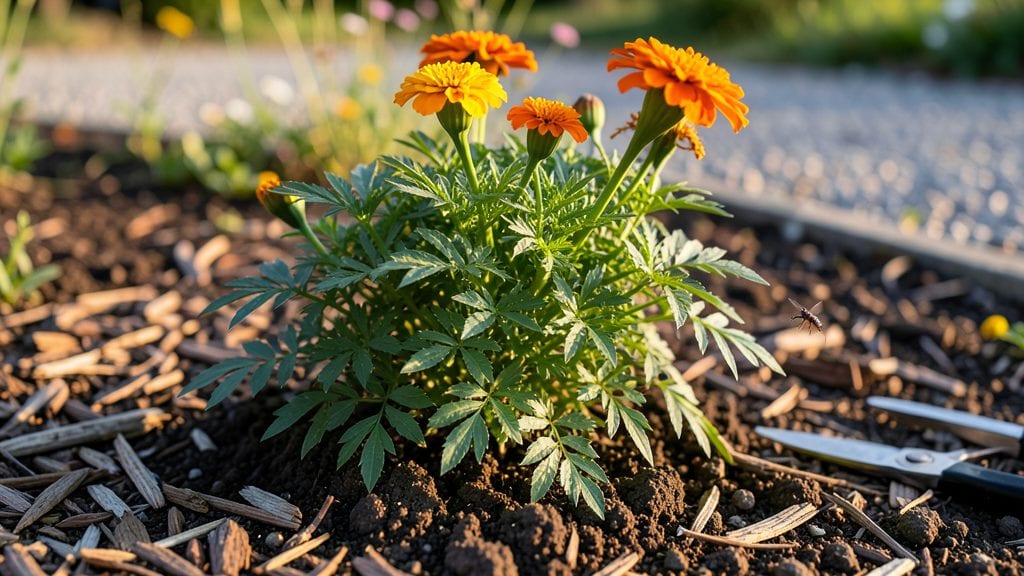
Flies hate these plants more than they hate anything else in your garden. 🌿 I learned this the hard way after my strawberries became a buffet for fruit flies last summer—until I planted a border of marigolds and lavender. The difference was shocking.
Marigolds release a compound called limonene that flies despise, while lavender’s strong fragrance masks the scents that attract them. Basil works the same way, confusing flies with its minty aroma. Plant these near your veggies, herbs, or compost piles for instant relief—no chemicals needed.
You’ll notice fewer flies within days, and your plants will thank you with healthier growth. The best part? These plants also repel mosquitoes, aphids, and even some beetles. Just avoid overcrowding them—flies are sneaky, and they’ll find weak spots.
For extra protection, add a shallow dish of apple cider vinegar and dish soap as a fly trap nearby. The combo of plants and traps creates an impenetrable barrier. Your garden will stay fly-free all season long.
📚 In This Guide
- What you need
- Instructions
- Tips and common mistakes
- Wrapping up and next steps
What you need
- ● Plants: Basil (Ocimum basilicum) – 3-5 plants (potted or in-ground)
- ● Lavender (Lavandula) – 2-3 plants (drought-tolerant varieties like 'Munstead')
- ● Mint (Mentha) – 1-2 plants (preferably peppermint or spearmint)
- ● Marigolds (Tagetes) – 5-10 plants (French or African varieties work best)
- ● Garlic (Allium sativum) – 1-2 cloves planted (or 3-4 mature plants)
- ● Rosemary (Rosmarinus officinalis) – 1-2 plants (upright varieties recommended)
- ● Soil & Containers (if needed): Well-draining potting mix (5-10 gallons, depending on pot size)
- ● Containers (10-12" diameter for herbs; 6" for marigolds)
- ● Organic compost (1-2 cups per plant)
- ● Tools: Garden trowel or hand shovel
- ● Pruning shears (for trimming)
- ● Watering can or hose with a gentle spray nozzle
- ○ Gloves (optional, for handling mint or garlic)
- ● Citronella plants (Cymbopogon nardus) – 1-2 plants (for strong fly-repelling scent)
- ● Catnip (Nepeta cataria) – 1-2 plants (flies and cats dislike it!)
- ● Fly traps (DIY or store-bought, like apple cider vinegar traps)
- ● Mulch (straw or wood chips to retain moisture and deter pests)
- ● Label markers (to track plant varieties)
Step-by-step guide to planting fly-repelling garden allies
Here's how to create a fly-free zone using nature's best pest-deterring plants.
🌱 Step 1: Choose Your Fly-Repelling Plants
Start with these proven fly deterrents: lavender (strong scent confuses flies), basil (contains oils that repel mosquitoes and flies), marigolds (emit a smell flies avoid), and mint (crush leaves to release fly-repelling compounds). I always plant lavender first—its compact size makes it perfect for borders or containers near seating areas.
For maximum impact, select at least two different types from this list. Flies hate the combined scent profiles of diverse plants. If you're working with limited space, prioritize basil and marigolds—they're the most effective at repelling common house and garden flies.
🪴 Step 2: Prepare Planting Locations
Flies thrive in shady, damp areas, so position your plants in full sun to partial shade (at least 4-6 hours of sunlight daily). Clear away any debris or standing water from the planting zones first—flies breed in stagnant moisture. I dig a hole twice as wide as the root ball but only as deep.
For container gardening, use pots with drainage holes and fill with well-draining potting mix. Place containers near entry points, patios, or outdoor dining areas where flies are most problematic. If planting in ground beds, space plants 12-18 inches apart to allow airflow and prevent overcrowding.
☀️ Step 3: Plant and Water Establishments
Remove plants from their nursery pots and gently loosen the roots if they're circling. Place each plant in its prepared hole, ensuring the top of the root ball sits level with the soil surface—burying too deep suffocates stems. Fill the hole with soil and press lightly around the base to eliminate air pockets.
Water deeply right after planting to settle the soil and encourage root growth. Use 1 gallon of water per plant for ground beds or ½ gallon per container. Avoid wetting the foliage—focus water at the base. You'll know the roots are happy when the soil holds moisture but doesn't feel soggy after 24 hours.
🌿 Step 4: Maintain Plants for Maximum Fly Repellency
Keep your fly-repelling plants thriving by watering 1-2 times weekly during dry spells, depending on your climate. Overwatering creates the damp conditions flies love, so always check that the top 2 inches of soil are dry before watering again. Fertilize lightly every 4-6 weeks with a balanced, water-soluble fertilizer.
Regular pruning keeps plants vigorous and scent-strong. Trim back leggy growth or spent flowers to encourage bushier, denser foliage. For herbs like basil and mint, pinch off the top sets of leaves to promote more leaf production—the more leaves, the stronger the fly-repelling scent.
✂️ Step 5: Enhance Fly-Repelling Power
Crush a few leaves of basil or mint between your fingers and rub them on your skin or clothing—flies will avoid you immediately. Place fresh cuttings of these herbs in small bowls near doors or windows as a natural fly trap. I also like to create herb sachets by drying lavender and mint together and placing them in mesh bags around the garden.
Combine your fly-repelling plants with other pest-deterring allies like rosemary, lemon balm, or catnip for a multi-layered defense. The more diverse your plantings, the less chance flies have to find a comfortable spot. Within 3-4 weeks, you'll notice a significant reduction in flies around your planting areas.
Tips & tricks for perfect fly-repelling plant gardens
These simple strategies will help you maximize the effectiveness of your fly-deterring plants and create a truly pest-free outdoor space.
Location Strategy: Place your fly-repelling plants near high-traffic areas where flies tend to gather—patios, picnic tables, and entry points. I've found that positioning them within 3-4 feet of seating areas creates an invisible barrier that flies instinctively avoid. For maximum impact, create a perimeter around your outdoor living space using a combination of basil and marigolds—these two work exceptionally well together.
Plant Diversity Matters: While each of your chosen plants has fly-repelling properties, flies are less likely to land when they encounter multiple strong scents. I always include at least two different types in each planting area. For example, pair lavender with mint near windows or combine basil and marigolds along walkways. The more diverse your plantings, the less chance flies have to find a comfortable spot.
Container Gardening Tips: If you're using containers, opt for larger pots (at least 12-inch diameter) to accommodate the root systems of your fly-repelling plants. Place containers near entry points or under windows where flies commonly enter. For extra effectiveness, create a "fly trap" container by planting basil and mint together—their combined scent creates a powerful deterrent. Remember to use well-draining potting mix to prevent the damp conditions flies love.
Seasonal Maintenance: During peak fly season (late spring through summer), increase your maintenance routine. Prune your plants weekly to maintain their scent strength and encourage new growth. For herbs like basil and mint, pinch off the top sets of leaves regularly to promote bushier plants with more fly-repelling foliage. In fall, harvest and dry some of your plants to create sachets for indoor use during winter months.
Pro Tips for Plants Flies Hate
- These simple strategies will help you maximize the effectiveness of your fly-deterring plants and create a truly pest-free outdoor space.
- Location Strategy: Place your fly-repelling plants near high-traffic areas where flies tend to gather—patios, picnic tables, and entry points.
- Plant Diversity Matters: While each of your chosen plants has fly-repelling properties, flies are less likely to land when they encounter multiple strong scents.
Frequently asked questions
Got questions about using plants to keep flies away? You’re not alone! Here are some of the most common queries—and their answers—to help you make the best choices for your garden or home.
Which plants are the most effective at repelling flies?
Some of the top fly-repelling plants include basil, lavender, marigolds, mint, rosemary, and citronella. These plants release strong scents that flies find unbearable. For best results, plant them near entry points, patios, or problem areas like compost bins.
How long does it take for these plants to start working?
Most fly-repelling plants begin to show effects within 2–4 weeks of planting, once they’ve established strong roots and scent production. Fast-growing herbs like basil and mint may start working in 1–2 weeks, but consistency is key—keep them healthy and well-watered for maximum impact.
Can I use these plants indoors to keep flies away?
Potted herbs like basil, mint, or lavender are perfect for indoor fly control. Place them near windows, doors, or kitchen areas where flies are a nuisance. Just ensure they get enough sunlight (a sunny windowsill works great) and fresh air to thrive.
What if flies are still bothering me after planting these?
If flies persist, try combining plants (e.g., basil + marigolds) or adding fly traps like yellow sticky traps near the area. Poor plant health (wilting, pests) can reduce effectiveness—check for adequate water, sunlight, and soil quality. For severe infestations, consider natural sprays like neem oil as a backup.
Are there any plants flies actually love that I should avoid?
Flies are often drawn to rotting fruit, overripe produce, fermenting liquids, and decaying organic matter. While not plants, these attract flies—so keep compost bins sealed, clean up spills, and avoid overwatering plants that may rot. Also, some flowers like dandelions can attract flies, so remove them if needed.
Wrapping up and next steps
Discovering the plants flies hate is like unlocking nature’s secret weapon for a pest-free garden! 🌿 From marigolds to basil, these botanical allies don’t just look great—they actively repel those pesky insects with their scent, texture, or chemical defenses.
The best part? You don’t need harsh chemicals to keep your garden thriving.
Ready to transform your outdoor space? Start by integrating just one or two of these powerhouse plants into your garden or containers. Monitor their impact over time, and watch as your garden becomes a fly-free oasis—naturally! 🌟
Next step: Grab a few seeds or seedlings and plant them today. Your future self (and your plants!) will thank you.