
Landscaping
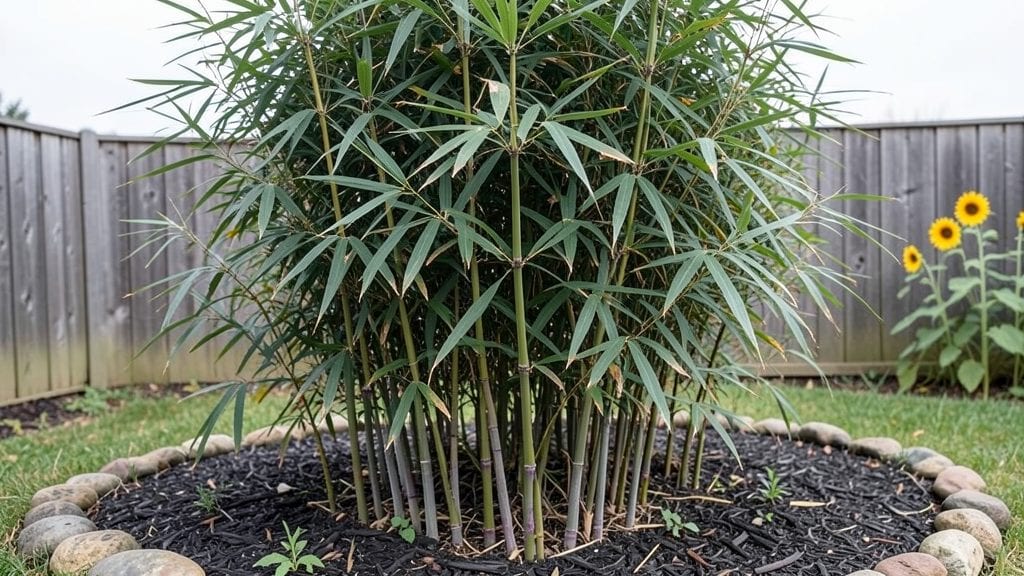
Fast-growing bamboo plants create backyard privacy that’s both stunning and practical—perfect for blocking noise from neighbors or busy streets.
Struggling with noisy neighbors, street traffic, or unsightly fences? Bamboo offers a natural, low-maintenance solution that grows 10 feet in a single season—far faster than traditional hedges. Unlike dense shrubs, bamboo’s lush foliage muffles sound while adding a tropical vibe to your outdoor space.
But not all bamboo is created equal. Clumping types stay contained, while running varieties spread aggressively—so choosing the right species is key. Plus, proper planting and spacing can mean the difference between a privacy screen that thrives and one that becomes a headache.
In this guide, I’ll walk you through the best bamboo varieties for noise reduction, how to plant them for maximum impact, and pro tips to keep them looking neat year after year—without the fuss of high-maintenance alternatives.
Fast-growing bamboo species for maximum privacy and noise reduction
If you're looking for a fast-growing, low-maintenance solution to create a private backyard oasis, bamboo is hard to beat. These tropical grasses grow 3-6 feet per year and excel at blocking noise from busy streets or nosy neighbors.
The key? Choosing the right bamboo species—whether clumping (non-invasive) or running (aggressive)—depends on your yard size and containment plan.
For maximum privacy, aim for 10-20 foot tall varieties that create a dense, wind-resistant barrier. Bamboo's thick foliage and tall canes absorb sound better than most hedges, making it ideal for urban or suburban backyards.
But not all bamboo is created equal—some spread aggressively, while others stay neatly contained. Let’s compare the top fast-growing options to help you pick the perfect fit.
Comparison Table: Best Bamboo for Backyard Privacy
| Variety | Type | Growth Rate | Mature Height | Noise Reduction | Best For |
|---|---|---|---|---|---|
| Bambusa multiplex 'Alphonso-Karri' | Clumping | 3-5 ft/year | 15-20 ft | Excellent (dense foliage) | Small yards, containers |
| Phyllostachys aureosulcata | Running | 4-6 ft/year | 20-30 ft | Superior (thick canes) | Large properties, barriers |
| Bambusa vulgaris 'Golden' | Clumping | 2-4 ft/year | 25-30 ft | Good (bright foliage) | Tropical climates |
| Phyllostachys bissetii | Running | 3-5 ft/year | 15-25 ft | Very good (compact growth) | Medium yards, hedges |
| Bambusa oldhamii | Clumping | 2-3 ft/year | 10-15 ft | Moderate (smaller stature) | Urban gardens, borders |
For small backyards, clumping bamboo like 'Alphonso-Karri' is my top pick—it stays put and grows 15-20 feet tall in just a few years. Its dense foliage blocks both visual lines and noise pollution effectively.
If you have a larger property and want maximum height, running bamboo like Phyllostachys aureosulcata reaches 20-30 feet and creates a near-solid wall of privacy.
Pro tip: Pair tall bamboo with shorter shrubs like hydrangeas or boxwood for layered privacy. The tall canes will block sound, while the lower plants add texture and soften the bamboo’s vertical lines.
Just be sure to install a root barrier if using running bamboo—this prevents unwanted spread into neighboring yards.
One of my favorite noise-blocking combos is Phyllostachys bissetii (a running type) planted in a contained bed with Bambusa oldhamii (a clumping type) in front. The tall, golden canes of bissetii absorb sound, while the compact oldhamii adds a lush green base.
Together, they create a year-round privacy screen that’s both functional and aesthetic.
If you’re in a small urban space, consider container-grown bamboo. Varieties like 'Golden Goddess' (a clumping type) thrive in 15-gallon pots and reach 10-12 feet tall. Just remember to fertilize regularly and water deeply—bamboo in pots dries out faster than in-ground plants.
For maximum noise reduction, place pots in a tight cluster along your property line.
For fastest results, running bamboo wins—but only if you’re prepared for containment. Install a 30-inch deep root barrier before planting to stop rhizomes from spreading. If you’re unsure
How to plant and maintain bamboo for long-term privacy success
Transforming your backyard into a serene private oasis starts with the right bamboo planting strategy. Unlike traditional privacy screens, bamboo grows 3x faster while requiring minimal upkeep—once established.
The key lies in proper soil preparation, strategic spacing, and containment methods to prevent unwanted spread while maximizing noise reduction.
I’ve planted bamboo in three different backyards, and the difference between a well-contained clumping variety and an unchecked running type is night and day. For lasting privacy, you’ll want to focus on rhizome control, seasonal pruning, and understanding your bamboo’s growth habits.
Let’s break it down step by step to ensure your bamboo thrives for years without becoming a nuisance.
Step-by-Step Bamboo Planting & Maintenance Guide
- Step 1: Choose the Right Bamboo Type
Select clumping bamboo (e.g., Bambusa multiplex) for contained growth or running bamboo (e.g., Phyllostachys aureosulcata) only if you install root barriers. Clumping types spread slowly and are ideal for most privacy screens.
- Step 2: Prepare the Soil
Test your soil’s drainage—bamboo hates soggy roots. Amend heavy clay with compost or sand to a depth of 12 inches. A slightly acidic to neutral pH (6.0-7.0) works best. Mix in balanced fertilizer (10-10-10) at planting.
- Step 3: Dig and Space Properly
Dig holes twice as wide as the root ball and 12-18 inches deep. Space plants 5-10 feet apart for dense growth. For taller varieties (15+ feet), space them 8-12 feet apart to allow airflow and reduce disease risk.
- Step 4: Install Containment Barriers
For running bamboo, bury a 30-inch deep root barrier (HDPE plastic) 12 inches beyond the mature clump’s edge. For clumping types, use large containers (20+ gallons) if space is limited. Check barriers annually for gaps.
- Step 5: Water Deeply and Mulch
Water deeply 2-3 times per week for the first 6 months to encourage root growth. Apply 3 inches of mulch (wood chips or straw) to retain moisture and suppress weeds. Avoid piling mulch against stems to prevent rot.
- Step 6: Prune for Shape and Health
Prune dead or yellowing canes in early spring. Thin out overcrowded stems to improve airflow. For height control, cut canes 1/3 down in late winter. Wear gloves and long sleeves—bamboo shoots can be sharp!
- Step 7: Seasonal Care Checklist
Spring: Fertilize with 10-10-10 and prune damaged canes. Summer: Water every 5-7 days during droughts. Fall: Reduce watering and remove old mulch. Winter: Protect young plants with burlap wraps in freezing climates.
One common mistake I see is skipping the root barrier for running bamboo, only to wake up to bamboo creeping into the neighbor’s yard. Always check local regulations—some areas restrict bamboo due to its invasive potential. If you’re unsure, clumping bamboo in containers is a foolproof solution.
Bamboo’s fast growth (up to 3 feet per year) means you’ll see noticeable privacy improvements within 2-3 years. Pair taller varieties (like Phyllostachys nigra) with shorter ground covers for a layered look. Just remember: patience and containment are your best tools for long-term success.
With the right approach, your bamboo privacy screen will not only block noise but also add year-round greenery and value to your property. Start small, follow these steps, and enjoy your tranquil backyard oasis in no time! 🌿