Pruning
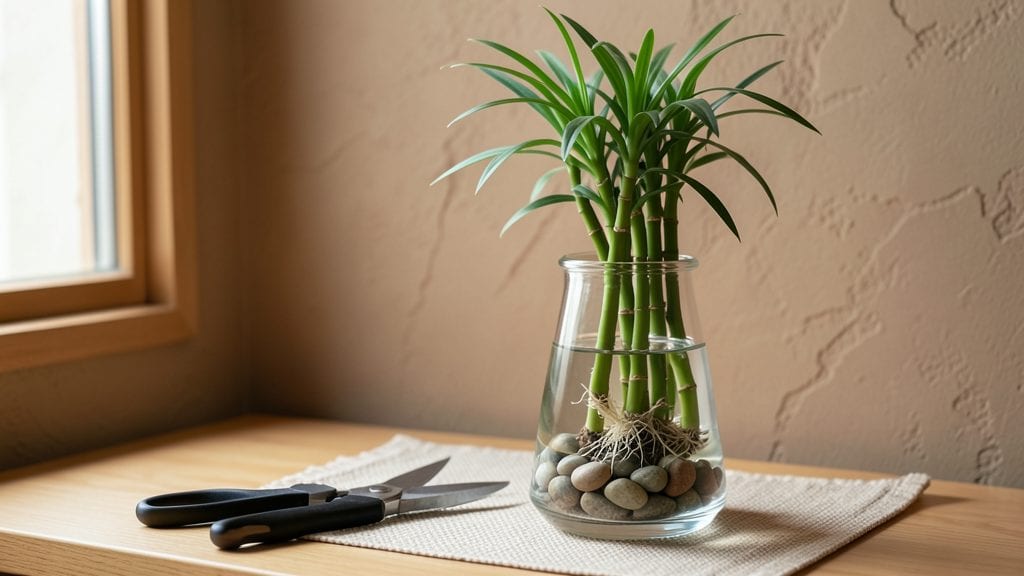
Pruning bamboo plants keeps them lush and contained without wrecking their roots—once you know the right moves. ✨ I’ve turned aggressive runners into tidy, productive plants just by timing cuts and using the correct tools, and you can too.
The key isn’t brute force; it’s working with how bamboo grows, whether you’re shaping an ornamental clump or stopping it from taking over the yard.
You’ll need sharp bypass pruners, gloves, and a clear day for visibility—no fancy equipment required. Running bamboo needs deeper cuts to control rhizomes, while clumping types respond to lighter trims. Start with the oldest canes first (they’re hollow inside) to avoid damaging the plant’s energy flow.
Most pruning happens in late winter or early spring, but light maintenance trims keep things manageable year-round.
By summer, you’ll see fresh green shoots emerging where you pruned, and the plant will look fuller than ever. The right cuts encourage new growth while keeping the plant’s energy focused on what you want—whether that’s a privacy screen or a decorative border.
This method works for both ornamental and functional bamboo, so you get beauty and control.
Fair warning: bamboo’s aggressive roots mean you’ll need to repeat this every 6–12 months, but the payoff is worth it. Once you master the rhythm, pruning becomes second nature—and your neighbors will wonder how you keep yours so neat. Let’s get those shears out and make it happen.
📚 In This Guide
- What you need
- Instructions
- Tips and common mistakes
- Wrapping up and next steps
What you need
- ● Pruning shears: Bypass pruners (sharp, 5-7" blades) for clean cuts on smaller stems.
- ● Loppers: Bypass or anvil type (12-18" blades) for thicker bamboo stalks (1-2" diameter).
- ○ Hedge shears: Adjustable, 12-18" for shaping clumps or dense foliage (optional but handy for uniform trims).
- ● Saw: Pruning or handsaw for stubborn, oversized stalks (3"+ diameter).
- ● Gloves: Heavy-duty, cut-resistant (gardening or pruning gloves) to protect hands from sharp edges.
- ● Disinfectant: Rubbing alcohol (70%+) or bleach solution (1:9 ratio) to sterilize tools between cuts (prevents disease spread).
- ○ Pruning sealant: Optional but recommended (e.g., tree wound paint) for large cuts to minimize sap loss.
- ● Safety glasses: Protect your eyes from debris when cutting thick stalks.
- ● Long sleeves/pants: Wear closed-toe shoes and long clothing to avoid scratches or sap irritation.
- ● Ladder or step stool: If bamboo reaches 6+ feet tall, use a stable ladder for high trims.
- ● Trash bags or compost bin: For disposing of pruned material (bamboo decomposes quickly!).
- ● Weather check: Prune on a dry, calm day—avoid windy or rainy conditions.
Step-by-step instructions for pruning bamboo plants
Here's how to control your bamboo's spread without harming its roots or stunting growth.
🌿 Step 1: Identify the Right Time to Prune
Late winter or early spring—just before new shoots emerge—is the best time to prune bamboo. This gives the plant time to recover before summer's heat. Look for dormant canes (thin, brown stems) and new growth (green shoots at the base). Prune only the dormant canes now; wait until summer to trim any leggy growth.
If you're pruning for shape or aesthetics, you can do light trimming throughout the growing season. But never cut more than one-third of the plant's foliage at once—this stresses the plant. I always check the weather first; pruning in mild, dry conditions (between 50-75°F) ensures faster healing.
✂️ Step 2: Gather Tools and Prepare the Plant
You’ll need sharp pruning shears (for small canes) and loppers (for thicker stems), plus a disinfectant (like rubbing alcohol) to clean your tools between cuts. Wipe down blades before and after pruning to prevent spreading disease. Remove any dead or diseased canes first—they’re easy to spot as brown, hollow stems or those with black spots.
Step back and examine the plant’s structure. Bamboo grows in clumps, with each cane emerging from the rhizome (underground stem). If you’re dealing with running bamboo (aggressive spreaders), focus on cutting canes at the base to redirect energy. For clumping bamboo, prune to open up the center and improve airflow.
🌱 Step 3: Trim Dormant Canes and Shape the Plant
Start by cutting back last year’s dormant canes to about 6-12 inches above the ground. This encourages fresh, vigorous growth from the base. For thicker canes, make a clean cut at a 45-degree angle just above a bud or node (the bump where leaves or branches grow). Avoid leaving stubs—they can rot and attract pests.
For shaping, trim back any canes that are crowding the center or growing too close together. Aim to create an open, airy structure—this prevents fungal issues and lets sunlight reach the inner stems. If you’re pruning for height, cut no more than 1-2 feet off the top of mature canes. You’ll see new shoots emerge from the nodes below your cut within 2-4 weeks.
💧 Step 4: Post-Pruning Care to Encourage Recovery
Water the plant deeply after pruning to help it recover. Bamboo has deep roots, so aim for 1-2 gallons per clump—enough to soak the soil 6-8 inches down. Avoid fertilizing right after pruning; wait 4-6 weeks to give the plant time to establish new growth. If you notice yellowing leaves, it’s a sign of stress—just reduce watering slightly until new shoots appear.
Keep an eye out for new shoots emerging from the base. These are your plant’s way of replacing what you’ve cut. If you’re dealing with running bamboo, you might also see suckers (new shoots growing away from the main clump). These can be pulled out by hand or cut at the base to prevent spreading. Mulch around the plant with 2-3 inches of organic mulch to retain moisture and suppress weeds.
⏰ Step 5: Monitor and Maintain Year-Round
Check your bamboo every 4-6 weeks during the growing season for new growth or signs of stress. If you see thin, weak canes, it’s a sign the plant needs more sunlight or nutrients. In late summer, do a light trim to remove any leggy or overcrowded growth. This keeps the plant compact and encourages bushier growth.
Winter is the time to protect your bamboo if you live in a cold climate. Once temperatures drop below 20°F, wrap the base of the plant with burlap or frost cloth to shield the rhizomes. In spring, remove any frozen or damaged canes before new growth starts. With consistent pruning, your bamboo will stay healthy, contained, and full of life for years.
Tips & tricks for perfect bamboo pruning
These simple strategies will help you maintain your bamboo's health while keeping its growth under control—without damaging those vital roots.
Timing is Everything: The late winter or early spring window is critical because it gives your bamboo time to recover before summer's heat stress. I've learned the hard way—pruning too late in spring can leave your plant vulnerable to heat damage. If you missed the ideal window, wait until summer for light shaping trims, but never cut more than one-third of the foliage at once. That rule is non-negotiable for plant health.
Tool Prep Prevents Problems: Cleaning your pruning shears and loppers with rubbing alcohol between cuts isn't just about hygiene—it's about protecting your entire plant. I've seen fungal infections spread through dirty tools that looked perfectly clean. For thicker canes, make that 45-degree angle cut just above a bud or node. This isn't just a technical detail—it's what determines whether your plant will regrow properly or leave unsightly stubs that rot.
Watering Wisdom: After pruning, that deep watering (1-2 gallons per clump) isn't optional—it's essential for recovery. The soil needs to be soaked 6-8 inches down to reach those deep roots. I've noticed plants recover fastest when watered immediately after pruning, especially in hot weather. And here's the thing about mulch: that 2-3 inch layer isn't just for looks—it helps retain moisture and keeps weeds from competing with your bamboo's recovery efforts.
Seasonal Strategy: In winter, when temperatures drop below 20°F, that burlap wrap around the base isn't just protection—it's insurance against root damage. I've seen bamboo rhizomes freeze and die when left exposed. The key is to remove any frozen or damaged canes in spring before new growth starts. This might seem like an extra step, but it's what keeps your bamboo thriving year after year.
Pro Tips for Pruning Bamboo Plant
- These simple strategies will help you maintain your bamboo's health while keeping its growth under control—without damaging those vital roots.
- Timing is Everything: The late winter or early spring window is critical because it gives your bamboo time to recover before summer's heat stress.
- Tool Prep Prevents Problems: Cleaning your pruning shears and loppers with rubbing alcohol between cuts isn't just about hygiene—it's about protecting your entire plant.
Frequently asked questions
Got questions about pruning bamboo? You’re not alone! Here are answers to the most common concerns—whether you're a newbie or a seasoned gardener looking to refine your technique.
When is the best time to prune bamboo?
The ideal time is late winter or early spring (just before new growth starts). For running bamboo, prune aggressively in fall to control spread. Avoid heavy pruning in summer—it stresses the plant. Pro tip: If you must prune in summer, do it gradually over several weeks to minimize shock.
How do I prune bamboo without damaging the roots?
Focus on above-ground pruning—never dig near the rhizomes. Cut canes at a <45° angle just above a node (the bump where leaves grow) to encourage bushier growth. For clumping bamboo, remove dead or weak canes first. Never prune more than 1/3 of the plant at once.
Can I prune bamboo in winter?
Yes, but with caution! Prune only dormant bamboo (non-evergreen types) in late winter (when temps are above freezing). Avoid pruning evergreen bamboo in winter—it’s already stressed. If you must prune, wait until spring for best results. Bonus: Mulch heavily after winter pruning to protect roots.
What if my bamboo keeps spreading even after pruning?
Running bamboo is stubborn! If it’s still spreading, try these fixes:
- Barrier installation: Bury a hard plastic or metal barrier (at least 30" deep) around the root zone.
- Root pruning: Dig a trench 12–18" deep around the perimeter to sever rhizomes (do this in fall).
- Chemical control: Use triclopyr-based herbicides (like Ortho Groundclear) on new shoots sparingly.
For clumping bamboo, the spread is natural—just prune aggressively to shape it.
Is there a way to prune bamboo without cutting canes?
If you hate the look of cuts, try these low-impact alternatives:
- Thinning: Remove every other cane to reduce density and improve airflow.
- Weaving: Train canes into a living fence by weaving them through a trellis or wire frame.
- Bending: Gently bend young canes downward and secure them with stakes to encourage bushier growth.
Note: These methods work best for clumping bamboo or slow-spreading varieties.
Wrapping up and next steps
Pruning bamboo isn’t just about keeping it in check—it’s about encouraging healthier growth, preventing unwanted spread, and maintaining that lush, vibrant look you love. 🌿 By mastering the right techniques (like cane removal or selective thinning) and timing them correctly, you’ll enjoy year-round harmony without harming those vital roots.
Ready to take the next step? Grab your pruners, mark your calendar for the best seasons, and transform your bamboo into a well-behaved, thriving feature of your garden!
Pro tip: 💡 Start small—prune just a few canes at first to build confidence, then expand as you gain experience. Happy pruning!