
Pests
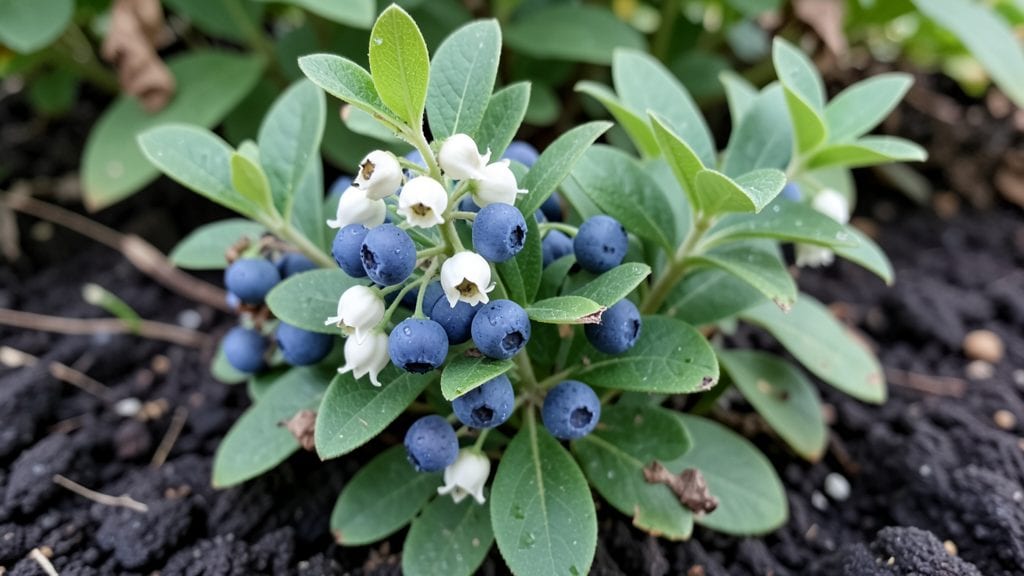
Blueberry plants are deer-resistant enough that most gardeners never face nibbling issues—thanks to their waxy leaves, tart berries, and subtle toxicity. 🌿 I’ve grown blueberries for years, and deer in my area treat them like the last option on their menu, even when everything else is munched down.
The real question isn’t if they’ll eat them, but how to keep them from browsing your garden entirely—because deer will still snack on tender new shoots if given the chance.
Their natural defenses—thorny canes, a slightly bitter scent, and mild cyanide compounds in leaves—deter most browsers, but deer are opportunists. Young plants under 3 feet tall are most vulnerable, as are newly planted shrubs with soft growth.
I’ve seen deer ignore mature bushes but strip entire rows of strawberries planted nearby. The key is combining their built-in protection with smart deterrents like fencing (8-foot tall is ideal) or commercial repellents with rotten-egg smells.
If you’re worried, focus on protecting new growth and fruit clusters with netting or prune lower branches to raise them above deer height. Even with these steps, blueberries stay one of the most deer-proof shrubs in my yard—so much so that I’ve never had to resort to extreme measures.
The berries stay plump, the plants thrive, and I get to enjoy that first harvest without stress.
This works best in areas with moderate deer pressure. In heavy browsing zones, add a second layer of protection like motion-activated sprinklers or plant them near deer-repelling companions like lavender or Russian sage. The goal is to make your blueberries the last thing they think of snacking on—not the first.
📚 In This Guide
- What you need
- Instructions
- Tips and common mistakes
- Wrapping up and next steps
What you need
- ● Blueberry plants (choose rabida or lowbush varieties—deer tend to avoid them!): 2–6 plants (depending on desired yield and space)
- ● Container-grown or bare-root (spring/fall planting recommended)
- ● Deer-resistant companion plants (to mask blueberry scent): Lavender (1–3 plants per 5 sq ft)
- ● Rosemary (1–2 bushes)
- ● Russian sage (3–5 plants for borders)
- ● Physical barriers (deer are clever but not great climbers!): 8-foot tall deer fence (use 16-gauge hardware cloth or plastic mesh)
- ● Wire mesh tree guards (6–8 ft tall, 1-inch grid)
- ● Plastic tree collars (for young saplings, 4–6 ft tall)
- ● Repellents (natural or commercial): Commercial sprays (e.g., Deer Out® or Liquid Fence®—follow label instructions)
- ● Homemade mix: 1 gallon water + 1 tbsp cayenne pepper + 1 tbsp garlic powder (reapply every 2–3 days)
- ● Mulch (to deter deer and retain moisture): Wood chips or pine straw (2–3 inches deep)
- ● Gravel or crushed stone (as a perimeter barrier)
- ● Motion-activated sprinklers (e.g., ScareCrow®) – startles deer with water bursts.
- ● Ultrasonic repellents (battery-powered devices emitting high-frequency sounds).
- ● Dog or livestock (goats, llamas, or even a well-trained dog can patrol your garden!).
- ● Reflective tape or old CDs (hang from branches to create visual distractions).
- ● Garden flags or pinwheels (to create movement and deter browsing).
Why blueberry bushes stay safe from deer (and how to make them even tougher)
Blueberries are one of the few plants deer leave alone—here’s why, plus extra tricks to keep them untouched.
🌿 Step 1: Understand Why Deer Avoid Blueberries Naturally
Deer typically skip blueberry bushes because of their tough, waxy leaves and prickly stems, which make them unappealing to nibble. The shrubs also produce small, tart berries that aren’t as sweet as deer’s usual targets like hostas or roses. Their aromatic foliage can even deter browsing animals with its subtle pine-like scent.
However, if deer are desperate (like in winter or drought), they may sample young shoots or berries. The key is to enhance the natural defenses rather than relying solely on them. Healthy plants with thick canes and abundant foliage are far less tempting than stressed or overripe bushes.
☀️ Step 2: Plant in the Right Location to Deter Deer
Position your blueberries where deer least frequent. Deer avoid open, sunny areas with good visibility, so plant them in well-lit spots near your home, patios, or along driveways. They also dislike windy locations, as the movement startles them. If your yard is heavily wooded, create a 3-foot buffer of deer-resistant plants like boxwood, lavender, or Russian sage around the perimeter.
Another trick: Plant blueberries near other deer-deterring shrubs like barberry, cotoneaster, or viburnum. The combined scent and texture make the area less inviting. Avoid placing them near water sources or dense cover, where deer feel safe grazing.
🪴 Step 3: Use Physical Barriers for Extra Protection
For young plants or high-risk areas, install chicken wire or hardware cloth around the base, burying it 6 inches deep to prevent digging. Deer can jump over fences, so keep barriers at least 8 feet tall if they’re a persistent problem. A deer-resistant fence made of 8-inch mesh works well for established bushes.
If you notice deer investigating, add reflective tape or old CDs to the fence—movement and light flashes scare them off. Avoid plastic scarecrows or loud noises, as deer quickly adapt. Instead, rely on subtle, visual deterrents that blend into the landscape.
✂️ Step 4: Maintain Plant Health to Reduce Appeal
Healthy blueberries are less likely to attract deer because they’re less palatable. Prune regularly to remove dead or weak branches, which can signal vulnerability. Keep the area around the base weed-free, as deer graze on low-lying vegetation first. Mulch with wood chips or pine straw to suppress weeds and improve soil, making the plant stronger.
Water deeply but infrequently—blueberries hate soggy roots but also struggle in drought. Aim for 1-1.5 inches of water per week, adjusting for rain. Stress-free plants are less likely to be targeted, even by hungry deer.
💧 Step 5: Add Natural Deer Repellents (When Needed)
If deer still bother your bushes, apply commercial deer repellents with ingredients like rotten egg scent or putrescent garlic. Reapply every 4-6 weeks or after rain. For a DIY option, mix 1 part hot pepper sauce with 3 parts water, spray on foliage, and reapply weekly. Deer avoid the spicy, strong smell.
Rotate repellents seasonally—deer adapt quickly to one scent. In late summer, prune back any damaged branches and fertilize lightly to encourage new growth. A thick, bushy plant is far less appealing than a sparse one.
Tips & tricks for protecting blueberry bushes from deer
Here's what nobody tells you about giving your blueberry bushes that extra layer of defense against deer—tricks that go beyond the basics.
Location is Everything: In Step 2, when you're choosing a spot for your blueberries, prioritize areas with natural deer deterrents like open sunlight and wind. Deer avoid these spots because they feel exposed. I've noticed that planting near patios or driveways works best—the movement and noise from people actually scares them off naturally.
Barrier Installation Secrets: For Step 3, when setting up physical barriers, bury that chicken wire or hardware cloth at least 6 inches deep—deer are sneaky diggers! I learned this the hard way after losing two young plants to determined digging. Also, if you're using reflective tape, space it about 12 inches apart so the flashes create a confusing visual effect that deer find unsettling.
Healthy Plants Deter Deer: In Step 4, maintaining your bushes isn't just about looks—it's about making them less appealing. I've found that mulching with pine straw actually works double duty: it suppresses weeds (which deer love) while also giving off that pine scent deer dislike. Plus, healthy bushes with thick canes look more established and less vulnerable to browsing.
Repellent Rotation Strategy: For Step 5, don't rely on just one repellent—deer get used to scents fast. I rotate between commercial products and my DIY hot pepper spray every 4-6 weeks. The key is to keep them guessing. Also, always apply repellents in the early morning when dew is present—they'll stick better and last longer through the day.
Pro Tips for Are Blueberry Plants Deer Resistant
- Here's what nobody tells you about giving your blueberry bushes that extra layer of defense against deer—tricks that go beyond the basics.
- Location is Everything: In Step 2, when you're choosing a spot for your blueberries, prioritize areas with natural deer deterrents like open sunlight and wind.
- Barrier Installation Secrets: For Step 3, when setting up physical barriers, bury that chicken wire or hardware cloth at least 6 inches deep—deer are sneaky diggers!
Frequently asked questions
Got questions about deer resistance in blueberry bushes? You’re not alone! Here are some of the most common concerns—and straightforward answers to keep your plants thriving.
Are blueberry plants truly deer-resistant, or just less appealing?
While blueberries aren’t fully deer-proof, their bitter, waxy leaves and tough stems make them a low-priority snack for most deer. However, hungry herds in winter or drought may still nibble. Think of them as "deer-deterrent light" rather than armor.
When are blueberry plants most vulnerable to deer damage?
Deer are picky timing bandits! Newly planted bushes (first year) and late summer/early fall (when berries ripen) are peak risk. Young shoots in spring are also tempting. Pro tip: Monitor these windows closely and use temporary fencing or repellents if needed.
What’s a better deer-resistant alternative to blueberries?
If deer are relentless, try these highly resistant shrubs:
- Boxwood (leathery leaves = deer’s worst nightmare)
- Oakleaf hydrangea (bitter foliage)
- Russian olive (fragrant but unpalatable)
- Potentilla (hairy stems deter chewing)
Pair them with deer-resistant perennials like lavender or catmint for extra protection.
How can I boost blueberry plant protection if deer are still eating them?
Layer these low-effort strategies:
- Wrap trunks with hardware cloth (deer can’t gnaw through it).
- Apply commercial repellents (like Deer Out!) every 4–6 weeks.
- Plant deer-deterrent companions nearby (e.g., garlic, rosemary).
- Use motion-activated sprinklers to startle them away.
Pro tip: A mix of physical barriers + repellents works best!
What do I do if deer already damaged my blueberry plants?
Don’t panic! Prune chewed leaves/stems to encourage new growth, and fertilize lightly to help recovery. If the damage is severe (<50% of the plant), consider root hormone treatments or replanting. Spring is the best time to assess and act.
Wrapping up and next steps
Blueberry plants are naturally deer-resistant thanks to their tough leaves, thorns, and bitter taste—but they’re not invincible! 🌿 With the right strategies, like repellents, fencing, or companion planting, you can give your bushes extra protection while enjoying their sweet rewards.
Ready to safeguard your garden? Start by picking one or two methods from this guide and watch your blueberries thrive—deer-free!