
Watering
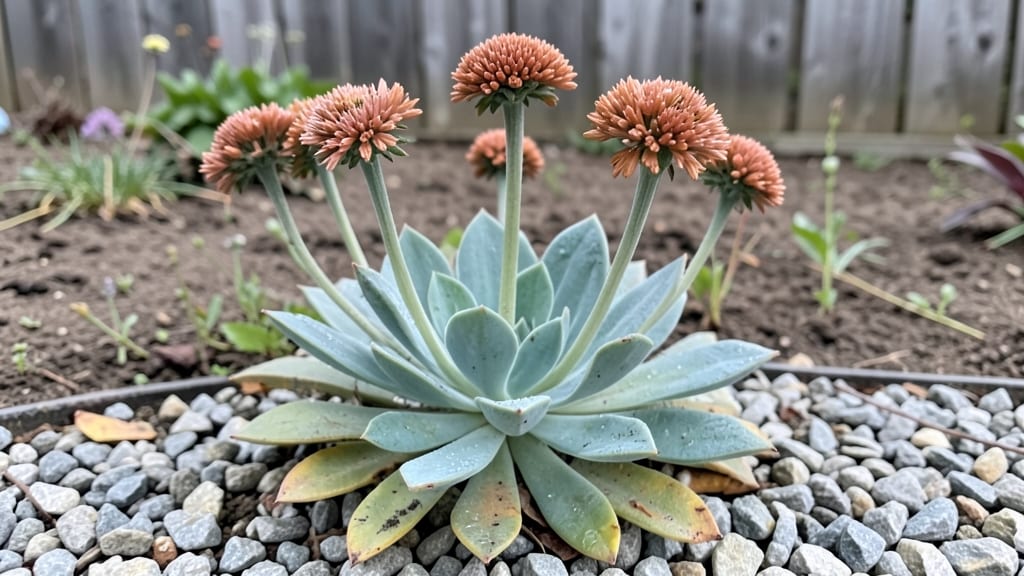
Water-resistant plants turn soggy spots into lush gardens. 🌿 I’ve turned my family’s perpetually damp corner into a thriving woodland edge—no more root rot, just velvety ferns and bold asters that drink up the excess moisture instead of drowning.
The right plants don’t just survive wet soil; they love it, turning what feels like a problem into your garden’s secret weapon.
These plants need three things: soil that drains eventually (even if it’s slow), shade or dappled light to prevent evaporation, and a little help from organic mulch to keep roots cozy. Hostas, for example, grow like gangbusters in wet conditions, while switchgrass and sedges handle standing water like a champ.
And yes, you can even grow edible options like watercress or mint—just contain them before they take over.
By summer’s end, you’ll have a garden that stays green when others wilt, with foliage so dense it outcompetes weeds. The air smells fresher too—earthy, not musty—and you’ll finally stop stressing about rain delays. Let’s pick the perfect plants for your soggy patch and keep them happy all season.
Works for rain gardens, low spots, or any area where water pools. Here’s how to set them up right from day one—no guesswork, just growth. The best part? These plants ask for almost no extra care once established. Your damp soil just became your easiest garden spot.
📚 In This Guide
- What you need
- Instructions
- Tips and common mistakes
- Wrapping up and next steps
What you need
- ● Water-resistant plant varieties (5–10 plants): Cattails (Typha spp.) – 3–5 plants
- ● Sweet flag (Acorus calamus) – 2–3 plants
- ● Blue flag iris (Iris versicolor) – 3 plants
- ● Soft rush (Juncus effusus) – 4–5 plants
- ○ Optional: Carex sedges (e.g., Carex oshimensis) – 3 plants
- ● Well-draining soil amendments: Peat moss or coconut coir (5–10 lbs)
- ● Perlite or pumice (3–5 lbs)
- ● Compost (10–15 lbs, for nutrients)
- ● Container or garden bed: For containers: 5–10 gallon pots with drainage holes (1 per plant)
- ○ For in-ground: Raised bed frame (optional, 4’x4’ or larger) or amended native soil
- ● Basic gardening tools: Trowel or hand shovel
- ● Garden gloves (1 pair)
- ● Pruners (for trimming)
- ○ Testing & maintenance: pH test kit (optional, for soil acidity check)
- ○ Moisture meter (optional, to monitor soil dampness)
- ● Mulch (straw or wood chips, 2–3 inches thick)
- ● Prerequisites: Full or partial sun exposure (6+ hours/day)
- ● Access to water (for consistent moisture)
- ● Patience! Water-resistant plants thrive in consistently wet (not waterlogged) conditions.
How to select and plant water-resistant plants for boggy areas
Here’s how to transform soggy spots into lush, low-maintenance gardens using nature’s toughest plants.
🌱 Step 1: Choose Plants That Thrive in Wet Conditions
Start with species bred for moisture—cattails, sweet flag, and marsh marigolds top the list. These plants not only tolerate wet soil but actually need it to flourish. I avoid anything with fine roots (like ferns) because they rot quickly in standing water. Instead, focus on plants with thick rhizomes or hollow stems that channel excess moisture away from roots.
Check plant tags for terms like "bog garden" or "wetland native"—these are your best bets. If you’re unsure, test your soil: if water lingers for more than 24 hours after a rain, you’ve got a true wet spot. Here’s the thing—don’t force drought-lovers into these conditions. They’ll yellow, wilt, or worse, invite fungal diseases.
🪴 Step 2: Prepare the Soil for Optimal Drainage
Even water-resistant plants need some airflow. Loosen the top 6 inches of soil with a fork to break up compaction, then mix in 1 part sand (like coarse builder’s sand) to 3 parts native soil. This improves drainage without removing the moisture these plants crave. I skip peat moss here—it holds too much water and can suffocate roots.
If your area has standing water, create gentle slopes or berms to encourage slow drainage. A slight grade of 1 inch per 10 feet helps water move naturally. Avoid deep digging—these plants thrive in shallow, saturated conditions. After amending, let the soil settle for 24 hours before planting. You’ll see the difference when roots meet loose, oxygen-rich soil instead of compacted clay.
☀️ Step 3: Plant at the Right Depth and Spacing
Dig holes twice as wide as the root ball but only as deep as the container’s base. Water-resistant plants hate having their crowns buried—this causes rot even in tough species. I plant the top of the root ball just below soil level, then backfill with the amended mix. Press gently around the edges to eliminate air pockets.
Space plants 12-18 inches apart for medium-sized varieties (like sweet flag) and 24 inches for larger ones (like cattails). Crowding leads to competition, and in wet soil, that means stunted growth or fungal spread. Water deeply after planting to help roots settle, but avoid puddles. You’ll know it’s right when the soil looks damp but not soggy at the surface.
💧 Step 4: Maintain Moisture Without Overwatering
Water-resistant plants need consistent moisture, not soggy conditions. After establishment, these plants usually self-regulate—rainfall keeps them happy, and their deep roots access water naturally. The only time I water is during extended dry spells (more than 7 days without rain), and even then, I focus on deep, infrequent watering rather than light sprinkles.
Watch for yellowing leaves—this often signals too much water, not too little. If you see it, reduce watering and improve drainage by adding a 1-inch layer of gravel around the base (but not touching the stems). Mulch with 2-3 inches of wood chips to retain moisture and suppress weeds, but keep it 6 inches away from stems to prevent rot.
✂️ Step 5: Prune and Divide for Long-Term Health
Cut back dead or brown foliage in early spring to encourage new growth. For plants like sweet flag, I shear back one-third of the clump annually to prevent overcrowding. This also improves airflow, reducing the risk of fungal diseases. Use clean, sharp shears and disinfect them with rubbing alcohol between cuts—damp conditions spread pathogens fast.
Divide clumps every 3-4 years in early spring. Dig up the plant, separate the rhizomes with a knife, and replant the healthiest sections. This rejuvenates the plant and gives you free material for expanding your wet garden. Here’s the trick: keep the central crown intact—this ensures the new plant has energy to regrow. Discard any mushy or discolored rhizomes immediately.
Tips & tricks for perfect water resistant plant gardens
Transforming soggy spots into thriving gardens takes more than just picking the right plants—it’s about working with nature’s quirks. Here’s what I’ve learned after turning multiple problem areas into lush, low-maintenance landscapes.
Soil Settlement Strategy: That 24-hour soil settling period in Step 2 isn’t just recommended—it’s crucial. I’ve seen too many gardeners rush ahead and end up with compacted soil that prevents proper root development. After amending, I like to lightly water the amended area and cover it with a tarp overnight. This helps the soil particles fully integrate before planting, especially in clay-heavy areas.
Plant Selection Pro Tip: When choosing between cattails, sweet flag, and marsh marigolds, consider your site’s sunlight. Cattails thrive in full sun but can tolerate partial shade, while sweet flag handles both sun and shade beautifully. Marsh marigolds prefer partial shade—plant them where they’ll get morning sun and afternoon shade for best results. I always check the plant tags for light requirements before making my final selections.
Drainage Visual Cue: The 1-inch-per-10-feet slope mentioned in Step 2 might sound technical, but here’s how I think about it: if you pour a cup of water on your prepared area, it should take about 30 seconds to drain away completely. If it pools or takes longer, you need to adjust your slope. For larger areas, I use a level and a straight board to create consistent grades—this makes all the difference in preventing waterlogging.
Pruning Technique: That one-third annual pruning for sweet flag in Step 5 works wonders for airflow, but here’s the secret: time it right. I always prune right after the first flush of new growth in early spring—this gives the plant energy to recover before summer heat. And never use hedge trimmers! Sharp pruners create cleaner cuts that heal faster, reducing the risk of disease in those damp conditions.
Pro Tips for Water Resistant Plants
- Transforming soggy spots into thriving gardens takes more than just picking the right plants—it’s about working with nature’s quirks.
- Soil Settlement Strategy: That 24-hour soil settling period in Step 2 isn’t just recommended—it’s crucial.
- Plant Selection Pro Tip: When choosing between cattails, sweet flag, and marsh marigolds, consider your site’s sunlight.
Frequently asked questions
Got questions about water-resistant plants? You’re not alone!
Whether you’re dealing with soggy soil or just curious about tough, thriving greenery, here are the answers you need.
Can water-resistant plants survive in standing water?
Most water-resistant plants prefer moist (not waterlogged) soil. While they tolerate wet conditions better than others, standing water can still cause root rot over time. Choose plants like cattails or swamp milkweed for true waterlogged spots—but always ensure good drainage where possible!
When is the best time to plant water-resistant varieties?
Plant in early spring or fall for optimal success. These seasons offer cooler temps and steady moisture, giving roots time to establish before extreme heat or frost. Avoid planting in peak summer unless you’re in a shady, consistently damp area.
What if my water-resistant plant still looks wilted?
Wilting can signal overwatering, poor drainage, or pests. Check the soil—if it’s muddy or smells sour, cut back on water. For pests, inspect leaves for holes or sticky residue. Yellowing leaves? It might need more sunlight or better airflow.
Are there any water-resistant plants for indoor spaces?
Try peperomia, ZZ plants, or cast iron plants—they thrive in humid indoor conditions without drowning. Place them in well-draining pots with occasional misting (but avoid soggy saucers!).
Can I convert a regular plant into a water-resistant one?
Not exactly—but you can train some plants to tolerate moisture better! Gradually increase watering for drought-lovers like succulents (though they’ll never love soggy soil). For true water resistance, start with native wetland species or hybrids bred for resilience.
Wrapping up and next steps
Transforming soggy soil into a thriving garden is totally doable with the right water-resistant plants! 🌱 Whether you’re dealing with a damp yard, rain-soaked pots, or a low-lying area, these hardy picks—like cattails, sweet flag, or marsh marigolds—can turn challenges into lush, low-maintenance beauty.
Remember, the key is amending soil, improving drainage, and choosing plants that love moisture.
Ready to give your garden a fresh start? Start small—pick one plant, prep the soil, and watch it flourish! 🌟 For extra inspiration, explore native plant databases or local nurseries to find the perfect match for your space.