
Pruning
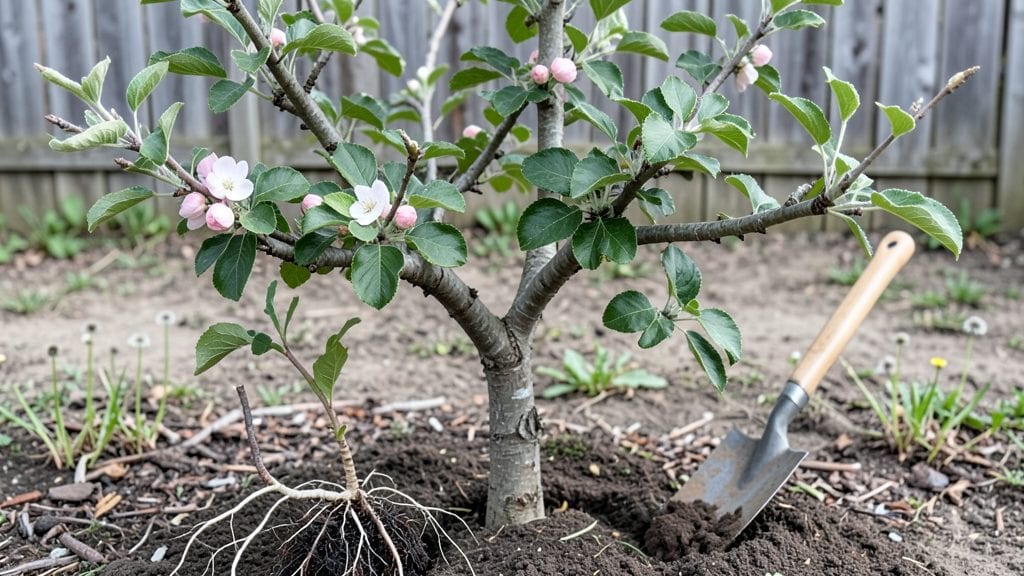
Planting apple trees in the right zones means the difference between a thriving orchard and a sad, stunted sapling. 🌱 I’ve learned that USDA hardiness zones only tell part of the story—chilling hours and frost dates matter just as much, especially when picking varieties that’ll actually fruit where you live.
Northern gardeners need cold-hardy varieties like Honeycrisp or McIntosh, which handle zones 3-6 and need 500-800 hours of winter chill. Southern growers, meanwhile, should reach for heat-tolerant types like Anna or Ein Shemer, which thrive in zones 7-9 with 200-400 hours of chill.
Soil drainage is non-negotiable—apple roots rot in soggy ground, so raised beds or well-amended clay help.
Once you’ve matched your zone and variety, planting becomes straightforward: dig a hole twice as wide as the root ball, set the tree at the same depth it grew in the nursery, and water deeply to settle the soil.
Within 3-5 years, you’ll see full production—if you’ve picked the right match for your climate.
Regional tweaks matter: Pacific Northwest growers should prioritize disease-resistant varieties, while Southwest planters need drought-tolerant rootstocks. The key is starting with the right foundation—then letting nature do the rest.
📚 In This Guide
- What you need
- Instructions
- Tips and common mistakes
- Wrapping up and next steps
What you need
- ● Apple tree sapling: Choose a variety suited to your planting zone (e.g., disease-resistant cultivars like 'Liberty' or 'Honeycrisp').
- ● Shovel or spade: A 12-inch-wide digging tool for planting holes (2–3 times wider than the root ball).
- ● Garden fork or tiller: For loosening compacted soil (especially in clay-heavy zones).
- ● Compost or well-aged manure: 5–10 gallons to enrich the planting hole.
- ● Mulch (wood chips, straw, or pine needles): 2–4 inches to retain moisture and suppress weeds.
- ○ Staking kit (optional but recommended for young trees): Includes 2–3 wooden stakes (4–5 ft tall) and soft tree ties.
- ● Pruning shears: For trimming damaged roots or branches during planting.
- ● Watering can or hose with a gentle spray nozzle: To hydrate the tree post-planting.
- ● Soil test: Check pH (ideal: 6.0–7.0) and nutrient levels via a local extension office kit.
- ● Sunlight assessment: Ensure your spot gets 6–8 hours of direct sun daily (critical for fruiting!).
- ● Frost-free date: Plant after the last frost in your zone (verify via USDA Plant Hardiness Zone Map).
- ● Pollination plan: If growing a single variety, plant a second compatible tree within 50–100 feet.
How to choose the perfect apple tree planting zone for your climate
Here’s how to match your region to the right apple varieties—no guesswork, just thriving fruit.
🌱 Step 1: Identify Your USDA Hardiness Zone
Apple trees thrive best within their native cold-hardiness range, so start by locating your USDA Plant Hardiness Zone (find yours via the USDA zone map or a local extension office). Most commercial apple varieties are bred for Zones 4-8, but some cold-hardy types (like 'Honeycrisp' or 'McIntosh') handle Zone 3 winters with ease.
This zone determines both winter survival and summer heat tolerance. For example, a Zone 5 tree might struggle in Zone 9’s scorching summers, while a Zone 7 tree could freeze in Zone 4’s harsh winters. Check the minimum winter temperature range for your zone—apples need at least 200-400 chill hours (below 45°F) annually to set fruit properly.
☀️ Step 2: Match Varieties to Your Microclimate
Not all zones are equal—even within a zone, elevation, wind exposure, and soil drainage create microclimates. For instance, a Zone 6 valley might see 5°F colder winters than a nearby hillside. Research local apple varieties that thrive in similar conditions—extension offices often publish regional recommendations.
If you’re in a warmer zone (7-9), opt for heat-tolerant varieties like 'Anna' or 'Dorsett Golden,' which handle 100°F+ summers better than northern types. In colder zones (3-5), prioritize early-blooming varieties like 'Cortland' or 'Empire' to avoid late spring frosts damaging flowers.
🪴 Step 3: Consider Pollination and Sun Requirements
Most apple trees need cross-pollination from a different variety (check labels for "self-pollinating" exceptions). Plant at least two compatible varieties within 50-100 feet of each other for reliable fruit set. For example, 'Gala' and 'Fuji' pollinate each other, but 'Granny Smith' requires a separate pollinator.
Apples demand full sun (6-8 hours daily)—partial shade reduces fruit quality and increases disease risk. In hotter zones (8-9), afternoon shade helps prevent sunburn on fruit. If your yard has limited sun, choose dwarf varieties (like 'Liberty') that tolerate slightly shadier conditions.
⏰ Step 4: Time Planting for Optimal Establishment
Plant bare-root trees in early spring (before bud break) or late fall (6-8 weeks before first frost) to give roots time to establish before extreme temperatures. Container-grown trees can go in year-round, but spring planting ensures the tree isn’t stressed by summer heat.
In warmer zones (7-9), avoid planting in mid-summer—the heat stresses roots before they adjust. If you must plant in summer, mulch heavily (3-4 inches of organic mulch) and water deeply twice weekly to keep soil moist until roots spread.
🌿 Step 5: Adjust for Wind and Soil Conditions
Wind can dry out leaves and break branches, so plant trees sheltered from prevailing winds or use a windbreak (like a fence or shrubs). In exposed areas, choose dwarf or semi-dwarf varieties that handle stress better than standard trees.
Apples prefer well-draining, slightly acidic soil (pH 6.0-6.5). Test your soil—amend heavy clay with compost or sand, and lime acidic soil if needed. In containers, use a loamy potting mix with 10% perlite for drainage, and repot every 2-3 years to refresh nutrients.
Tips & tricks for perfect apple tree planting zones
Planting an apple tree that thrives in your climate isn't just about picking the right variety—it's about understanding the subtle details that make all the difference. Here's what I've learned from years of orchard planning that will help you avoid common pitfalls and maximize your tree's potential.
Chill Hours Matter More Than You Think: While the USDA zone gives you a starting point, the real game-changer is verifying your area's actual chill hours (below 45°F). Many gardeners assume they're in Zone 5 but discover they only get 300 chill hours instead of the required 400. Check local weather records or ask your extension office—some varieties like 'Honeycrisp' need those extra cold hours to set fruit properly. If you're in a marginal zone, consider cold-hardy varieties like 'McIntosh' that thrive with fewer chill hours.
Microclimate Mapping is Your Secret Weapon: I've seen orchards fail in Zone 6 when they should have thrived—all because the trees were planted in a cold air pocket. Use your phone's temperature app to monitor your yard for a week in winter. If your spot consistently runs 5°F colder than the official zone, you can plant varieties suited for a colder zone. Conversely, a sunny south-facing slope might be 5°F warmer, allowing you to grow varieties that need slightly warmer conditions.
Sunlight Strategy for Different Zones: In hotter zones (7-9), the 6-8 hours of sunlight rule still applies, but timing matters. Plant trees where they get morning sun and afternoon shade—this prevents fruit sunburn while maintaining photosynthesis. For cooler zones (3-5), prioritize south-facing locations to maximize winter sunlight exposure, which helps prevent winter dieback. If you're working with limited sun, dwarf varieties like 'Liberty' are your best bet—they tolerate partial shade better than standard trees.
Soil Testing Can't Be Skipped: That well-draining, slightly acidic soil (pH 6.0-6.5) isn't just a suggestion—it's non-negotiable for apple trees. I've seen beautiful orchards fail because the soil was too alkaline or compacted. Test your soil before planting, and don't just rely on visual inspection. If your soil is too acidic, lime it gradually over 2-3 years. For heavy clay, amend with compost and sand before planting, and consider raised beds if drainage remains poor. Containers need that loamy mix with perlite, but don't forget to repot every 2-3 years to prevent nutrient depletion.
Pro Tips for Apple Tree Planting Zones
- Planting an apple tree that thrives in your climate isn't just about picking the right variety—it's about understanding the subtle details that make all the difference.
- Chill Hours Matter More Than You Think: While the USDA zone gives you a starting point, the real game-changer is verifying your area's actual chill hours (below 45°F).
- Microclimate Mapping is Your Secret Weapon: I've seen orchards fail in Zone 6 when they should have thrived—all because the trees were planted in a cold air pocket.
Frequently asked questions
Got questions about planting apple trees in the right zones? You’re not alone! Here are answers to the most common concerns—from climate specifics to troubleshooting tips—to help you grow a thriving orchard.
What are the best USDA apple tree planting zones?
Apple trees thrive in USDA Zones 3–8, but the best zones depend on the variety. Cold-hardy types like Honeycrisp or McIntosh excel in Zones 3–6, while milder climates (Zones 7–8) suit Fuji or Gala. Always check your local zone and match it to your tree’s needs!
When is the best time to plant an apple tree?
Plant in early spring or fall (4–6 weeks before frost) for ideal root establishment. Spring planting (March–April) lets roots grow before summer heat, while fall (September–October) avoids winter stress. Avoid planting in extreme heat or cold—roots need stable soil temps!
Can I grow apple trees in containers or small spaces?
Yes! Dwarf or semi-dwarf varieties (like Columnar or Spindle types) thrive in 5–15 gallon containers or tight spaces. Use well-draining soil, large pots (at least 18" deep), and prune regularly. Just ensure they get 6+ hours of sunlight daily—even in containers!
Why is my apple tree struggling in its planting zone?
Common issues include poor drainage, fire blight (bacterial infection), or pests like aphids. Check soil moisture, prune infected branches, and use organic sprays (neem oil) if needed. If leaves yellow or wilt, test for soil pH (ideal: 6.0–6.5) or root rot.
Do I need two apple trees for pollination?
Most apple trees are self-pollinating but produce more fruit with a pollinator. Plant two compatible varieties (check bloom times!) within 50–100 feet for cross-pollination. Some varieties (like Granny Smith) are self-fruitful, but yields may be lower.
Wrapping up and next steps
Choosing the right apple tree planting zones is the first step to growing a bountiful, healthy orchard—so you’re already on the right track! 🌳 By matching your climate to the best varieties and preparing your soil, you’ve set the stage for success.
Now, all that’s left is to plant with confidence and nurture your trees with care.
Ready to take the next step? Start by selecting your apple varieties based on your zone, then dig in and plant with patience. Your future harvest—and the joy of homegrown apples—will make every effort worth it!