
Trees
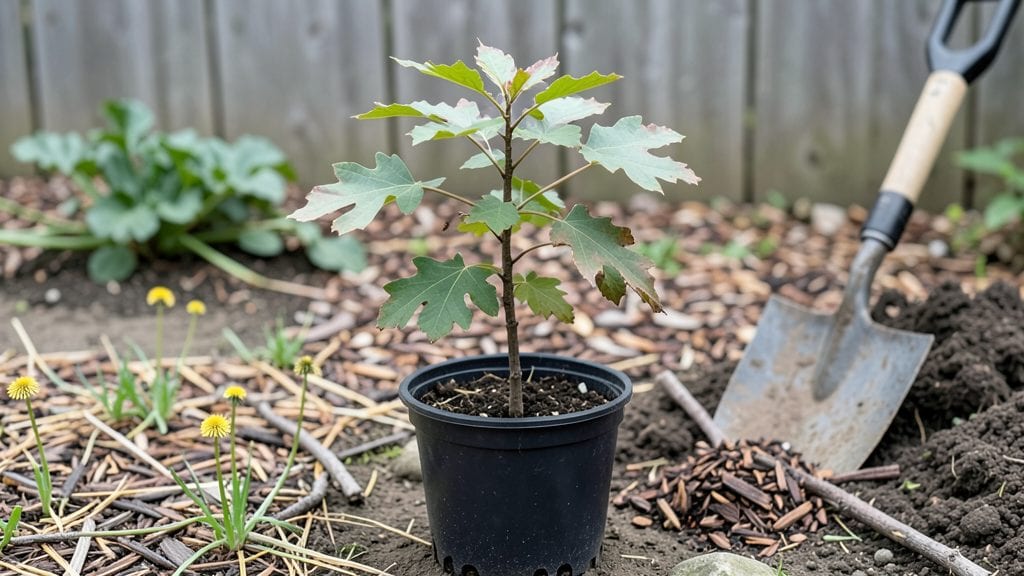
Knowing when to plant trees in fall is crucial—aim for late September through early November in most areas, as this window lets roots strengthen before winter while avoiding summer's harsh heat. The combination of cooler air and increased autumn rains creates perfect conditions for young trees to thrive.
This timing isn't just about avoiding summer's heat—it's about giving roots a head start before dormancy sets in. 🌳 In colder regions, you might need to plant earlier (around September), while warmer southern zones can extend planting into November or even December in mild winters.
The key is working with your local frost dates and soil moisture levels, which often peak during fall's transition months.
The right preparation makes all the difference. Testing soil pH and adding compost before planting ensures proper nutrient uptake, while proper mulching helps retain moisture. Evergreens and deciduous trees both benefit, though species like oaks and maples establish particularly well when planted in fall.
💡 In This Article
- Fall Tree Planting Timeline by Climate Zones
- Preparing Soil and Trees for Fall Planting
Fall tree planting timeline by climate Zones
Understanding your USDA hardiness zone determines the exact window for planting. In Zones 3-6 (northern regions like Minnesota or Maine), aim for late August through mid-October—soil temperatures stay above 50°F while frost isn't imminent.
The key is planting 4-6 weeks before ground freezes, giving roots time to establish before dormancy. For example, in Zone 5 (Chicago area), September 15-October 15 is prime time when average soil temps hover around 55°F—ideal for root growth.
Southern zones (7-10) have more flexibility due to milder winters. In Zones 7-9 (Atlanta to California), October through November works best, with soil temps remaining above 60°F longer. Zone 9 (Houston) can even extend planting to December if rainfall is adequate.
The critical factor is avoiding summer's 90°F+ soil temperatures, which stress young roots. In Florida's Zone 10, planting can occur year-round, but fall still offers optimal moisture levels.
What most gardeners miss is how frost-free dates interact with soil conditions. In Zones 4-6, planting too late (after November 1) risks roots freezing before establishment.
Use the "10-10-10 rule": 10 weeks before first frost, 10 inches deep hole, and 10 gallons of water weekly for the first season. For instance, in Zone 6 (Denver), planting after October 20 often fails because soil temps drop below 45°F—too cold for root development.
Evergreens like pine or spruce have different needs than deciduous trees. In Zones 5-8, evergreens need 6-8 weeks of root establishment before winter, so plant them 2 weeks earlier than deciduous species.
For example, a white pine in Zone 7 should go in by October 1, while a red maple can wait until October 15. The science? Evergreens transpire (lose water) year-round, so they need deeper, faster root growth.
Soil moisture plays a hidden role. In Zones 3-5, fall's first 1-2 inches of rain trigger root growth, but drought in Zones 8-10 can stall planting. Test soil moisture by squeezing a handful—if it crumbles, it's dry; if it sticks, it's too wet.
In Zone 9's dry spells, consider drip irrigation for 2 weeks post-planting to compensate. The goal is 60-70% soil moisture during root establishment.
Pro tip: Use your local cooperative extension service for precise frost dates. For example, Purdue Extension (Zone 5) recommends planting before October 15, while UC Master Gardeners (Zone 9) suggest November 1-December 15.
These adjustments account for microclimates—urban areas stay warmer than rural zones, delaying frost by 1-2 weeks. Always check 3 years of historical data to account for climate variability.