
Companion Plants
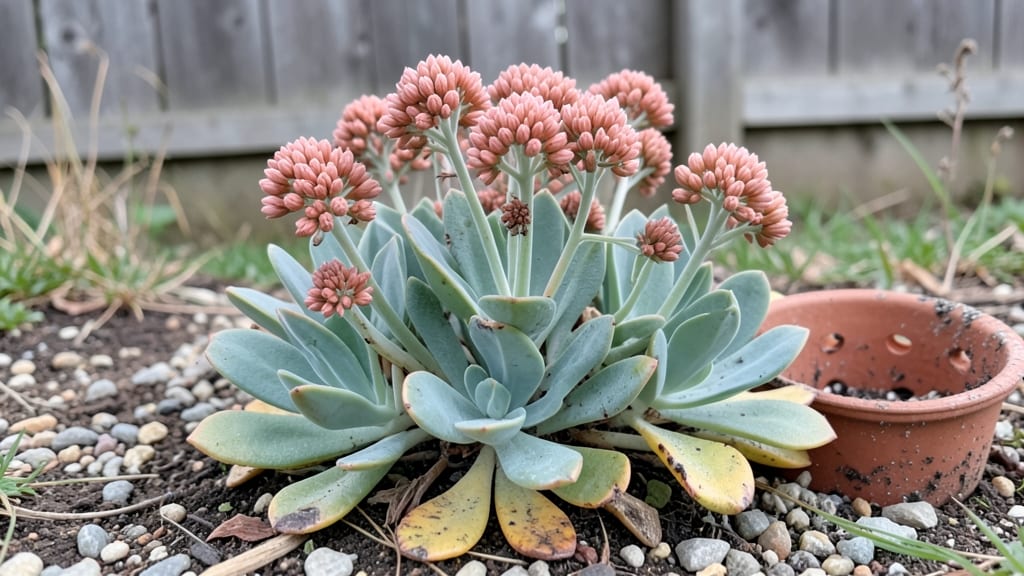
Your tiny balcony can become a lush green retreat with the right apartment patio plants—no yard required. 🌿 I’ve turned my 6x8-foot concrete slab into a thriving mini-garden by choosing plants that fit snugly in pots and handle city living like pros.
The key? Matching their needs to your space, from sun-loving herbs to shade-tolerant ferns that won’t wilt when summer heat hits.
Start with containers that maximize vertical space—hanging baskets for trailing plants, stacked pots for herbs, and deep planters for root crops like radishes. Most apartment-friendly plants thrive in 5-10 gallon pots, and you’ll save water by grouping plants with similar needs together.
My go-to lineup includes mint in a hanging pot, pepper plants in 5-gallon containers, and basil tucked next to the door for easy snipping.
By mid-summer, you’ll have a patio that’s both functional and stunning—think fragrant lavender brushing your arm as you sip coffee, or crisp lettuce ready to harvest for salads.
The best part? These plants clean the air, reduce stress, and make your urban home feel like a peaceful escape. Let’s get your balcony blooming without the chaos.
Whether you’ve got full sun or just a dappled shade corner, there’s a plant (and pot) for every spot. The secret is starting small, testing what works, and letting your green thumb grow—one container at a time.
📚 In This Guide
- What you need
- Instructions
- Tips and common mistakes
- Wrapping up and next steps
What you need
- ● Containers: 2–4 space-saving planters (8–12 inches deep, with drainage holes). Opt for lightweight materials like terracotta, fiberglass, or recycled plastic.
- ○ Optional: Hanging baskets (for trailing plants like string of pearls or petunias) or vertical planters (to maximize vertical space).
- ● Soil: 1–2 bags of high-quality potting mix (avoid garden soil—it compacts easily). Look for blends labeled "organic" or "well-draining".
- ○ Optional: Perlite or vermiculite (1 small bag) to improve drainage.
- ● Plants: 3–5 low-maintenance, space-saving plants like: Succulents (e.g., haworthia or echeveria)
- ● Herbs (e.g., basil, thyme, or mint in small pots)
- ● Compact vegetables (e.g., cherry tomatoes or lettuce)
- ● Trailing plants (e.g., pothos or nasturtiums)
- ● Tools: Trowel or small hand shovel
- ● Gloves (to protect your hands from soil and thorns)
- ● Watering can or spray bottle (with a fine mist setting for delicate plants)
- ○ Optional: Pruning shears (for trimming overgrown foliage) or a moisture meter (to track soil hydration).
- ● Extras (for ambiance & function): Decorative pebbles or mulch (to retain moisture and add aesthetics)
- ● Solar-powered LED lights (for evening ambiance)
- ● Windbreak (e.g., a small lattice screen) if your patio is exposed to harsh winds.
- ● ✅ Sunlight assessment: Measure how many hours of direct/indirect sunlight your patio gets daily. Match plants to light conditions (e.g., succulents for full sun, ferns for shade).
- ● ✅ Weight limits: Ensure your balcony or railing can support the weight of containers (especially when watered). Aim for 10–20 lbs per planter as a safe rule.
- ● ✅ Drainage plan: Place containers on saucers or trays to catch excess water and prevent leaks below.
- ○ Optional but helpful: Sketch a simple layout to visualize plant placement and spacing.
How to create a thriving apartment patio garden
Maximize your small space with these smart strategies for lush, low-maintenance greenery.
🪴 Step 1: Choose the Right Containers for Your Space
Start with containers that fit your patio dimensions and drainage needs. I like mixing hanging baskets for trailing plants, window boxes for vertical growth, and shallow planters for herbs. Make sure each has drainage holes—waterlogged roots kill plants faster than you'd think.
For a 4-plant setup, use one 12-inch diameter pot for a focal plant like a small citrus tree, two 8-inch pots for medium plants like herbs or peppers, and one hanging basket for trailing plants like nasturtiums. Group containers close together to create a cohesive look.
☀️ Step 2: Select Plants That Thrive in Small Spaces
Pick plants that love containers and suit your light conditions. For full sun patios, try dwarf varieties like bush tomatoes, peppers, or compact rosemary. If your space gets only partial sun, opt for fuchsias, coleus, or parsley—they handle shade better.
Trailing plants like petunias or ivylavender or mint—to bring life to the space. Check each plant's mature size to avoid overcrowding.
💧 Step 3: Master Watering for Small Containers
Containers dry out faster than garden beds, so water deeply every 2-3 days until water runs out the drainage holes. Stick your finger 1 inch into the soil—if it feels dry, it's time to water. Overwatering is just as bad as underwatering, so let the top layer dry slightly between sessions.
Use a self-watering planter if you travel often, or place a tray under pots to catch excess water. Mulch the soil surface with 1 inch of pebbles or bark to slow evaporation. You'll notice plants perk up faster and stay healthier when moisture is consistent.
✂️ Step 4: Prune and Maintain for Long-Term Growth
Pinch back leggy stems to encourage bushier growth, and trim dead flowers regularly to keep plants producing. I prune once a week during peak growing season, using clean scissors to avoid tearing leaves. For trailing plants, gently weave stems through the basket's sides to create a fuller look.
Fertilize lightly every 4-6 weeks with a balanced liquid fertilizer. Too much fertilizer burns roots, so always dilute it to half-strength. Watch for pests like aphids—spray with soapy water if you spot them early. A little maintenance keeps your patio garden looking fresh all season.
🌿 Step 5: Rotate and Refresh Seasonally
Swap out plants every 3-4 months to keep your patio vibrant. In spring, plant cool-season crops like lettuce or pansies. Switch to heat-loving plants like basil or zinnias in summer. Fall brings in kale or chrysanthemums, and winter can feature hardy herbs or ornamental grasses.
Clean containers at season's end with a 10% bleach solution to kill pests and diseases. Store them in a dry place until next season. This rotation keeps your space dynamic and prevents soil depletion. You'll love how fresh everything looks each time you step outside.
Tips & tricks for perfect apartment patio gardens
Here's what nobody tells you about making your small-space garden thrive without the guesswork.
Container Placement: Position your 12-inch pot and 8-inch pots where they'll receive their ideal light conditions—don't just place them randomly. Rotate containers every 3-4 months to ensure even sunlight exposure, especially for trailing plants like petunias that may grow toward the light. I learned this the hard way when my mint plant grew lopsided toward the window!
Soil Selection: Skip the cheap potting mix—look for one specifically formulated for containers with added perlite or vermiculite. This improves drainage and prevents waterlogging, which is especially critical for your shallow planters. I've had the best results with a mix that's 60% potting soil, 30% perlite, and 10% compost. This blend keeps moisture consistent while preventing root rot.
Trailing Plant Care: For your hanging baskets, use a lightweight growing medium and avoid overwatering—they dry out faster than you'd expect. I found that watering from the bottom (by placing the basket in a tray of water for 10 minutes) gives more even moisture distribution. Also, trim trailing stems regularly to prevent them from becoming too heavy and tearing the basket.
Seasonal Transition Strategy: When rotating plants every 3-4 months, harden off new plants gradually to avoid shock. Place them in partial shade for a few hours on the first day, then increase exposure over 3-5 days. This mimics natural conditions and gives plants time to adjust. I've seen dramatic differences in survival rates when I skip this step—plants wilt dramatically when moved directly from indoors to full sun.
Pro Tips for Apartment Patio Plants
- Here's what nobody tells you about making your small-space garden thrive without the guesswork.
- Container Placement: Position your 12-inch pot and 8-inch pots where they'll receive their ideal light conditions—don't just place them randomly.
- Soil Selection: Skip the cheap potting mix—look for one specifically formulated for containers with added perlite or vermiculite.
Frequently asked questions
Got questions about transforming your apartment patio into a lush green space? Here are some of the most common concerns—and their solutions—to help you grow with confidence!
What are the best low-maintenance plants for small apartment patios?
Opt for hardy, drought-tolerant varieties like succulents (e.g., snake plant or jade), herbs (basil, thyme, or mint), or compact shrubs (e.g., dwarf boxwood or ferns). These thrive in pots, require minimal watering, and adapt well to urban environments. Pro tip: Choose plants with similar water needs to simplify care!
How often should I water my patio plants in an apartment?
Watering depends on your plants and climate, but a general rule is 1–2 times per week for most container plants in warm weather. Check soil moisture with your finger—if the top inch is dry, it’s time to water. Morning watering reduces evaporation, and drip irrigation systems can automate care for busy schedules.
Can I use any container for patio plants, or are there restrictions?
Most containers work, but prioritize drainage holes to prevent root rot. Materials like terracotta, plastic, or fiberglass are great, while wooden boxes may need waterproofing. Size matters too—small plants need 6–12" pots, while larger shrubs or trees require 18"+ containers. Repurpose: Old buckets, bathtubs, or even hanging pockets can add charm!
How do I protect my plants from strong sun or wind on a balcony?
Use shade cloth (30–50% coverage) for direct sun exposure, and position heavy pots against walls or railings to shield them from wind. Self-watering planters with windbreaks (like bamboo screens) also help. For extreme conditions, move delicate plants indoors during heatwaves or storms. Bonus: Variegated plants tolerate sun better than solid-green varieties.
What should I do if my patio plants get pests like aphids or spider mites?
Start with a mild soap spray (1 tsp dish soap + 1 quart water) or neem oil to deter pests naturally. For severe infestations, isolate the plant and wipe leaves with rubbing alcohol (70% isopropyl). Encourage beneficial insects like ladybugs or lacewings by planting companion flowers (e.g., marigolds). Prevent: Avoid overwatering and remove dead leaves promptly!
Wrapping up and next steps
Transforming your apartment patio into a lush green oasis is easier—and more rewarding—than you think! 🌿 With the right space-saving plants, even the tiniest balcony can bloom with life, offering fresh air, beauty, and a touch of nature just steps from your door.
Whether you’re drawn to cascading ferns, fragrant herbs, or vibrant succulents, the key is to start small, stay consistent, and let your creativity grow.
Ready to turn your patio into a thriving garden? Pick one plant to begin this weekend—your future self (and your plants!) will thank you. Happy gardening! 🌱