
Pests
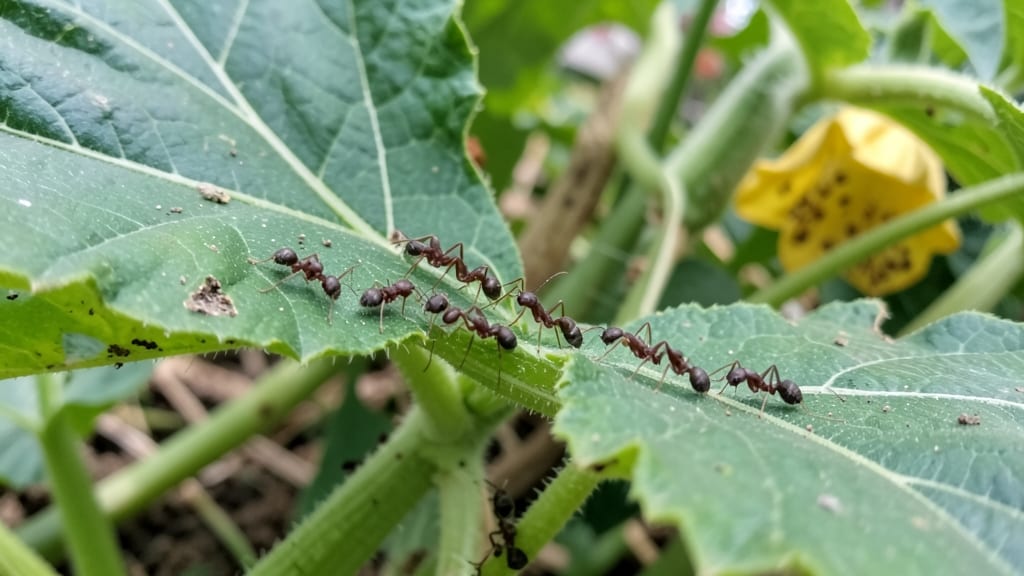
Ants on squash plants don’t just march—they’re plotting. 🌿 I’ve watched these tiny invaders turn thriving vines into aphid buffets and contaminated fruit overnight, and I’m sharing the exact 24-hour barriers that stop them in their tracks without chemicals.
The key? Disrupt their trails, starve their colonies, and outsmart their farmhand instincts.
Most gardeners panic and reach for sprays, but ants are just the middlemen. They’re farming aphids for honeydew, and those sticky trails wreck your harvest. My go-to? A borax-soapy water mix along their paths (safe for plants, deadly for ants) plus crushed eggshells as a physical barrier.
You’ll see fewer ants within hours, and the aphids follow soon after.
By morning, your squash plants will look like they’ve been given a second chance. The vines stay strong, the fruit stays clean, and you avoid the heartbreak of ruined harvests. This isn’t just damage control—it’s a long-term ant-proofing system that keeps your garden thriving without toxic residues.
Works for any squash variety—zucchini, pumpkins, even cucumbers—and scales from a single plant to an entire patch. No more watching your hard work get hijacked by tiny freeloaders. Let’s reclaim your garden, one disrupted trail at a time.
📚 In This Guide
- What you need
- Instructions
- Tips and common mistakes
- Wrapping up and next steps
What you need
- ● Diatomaceous earth (food-grade): 1 small bag (1–2 lbs) – non-toxic, crushes ants naturally
- ● Sticky traps (yellow or clear): 2–3 traps – monitor ant activity and disrupt trails
- ● Cinnamon powder: 1 small container – natural repellent (ants hate the scent!)
- ● Spray bottle (8 oz): 1 – for DIY sprays (soapy water or vinegar mix)
- ○ Gloves (optional but recommended): 1 pair – protects hands from powdery residues
- ● Small shovel or trowel: 1 – for creating barriers around plant bases
- ● Watering can or hose: 1 – for rinsing plants post-treatment
- ● Essential oil blend: 5–10 drops (peppermint, lemon, or tea tree oil) – boosts repellent power
- ● Copper tape (1-inch width): 1 roll – electrical barrier for stubborn trails
- ● Beneficial nematodes: 1 pack – long-term soil pest control (if ants persist)
- ● Plant-based mulch (cedar or citrus peels): Small pile – natural ant deterrent around stems
Ants on squash plants: natural barriers that actually work fast
Here’s how to create fast-acting, non-toxic defenses that stop ants from marching through your squash patch within a day.
🪴 Step 1: Create a Diatomaceous Earth Barrier
Sprinkle a 1-inch wide band of food-grade diatomaceous earth (DE) around the base of each squash plant, about 6 inches from the stem. This microscopic powder dehydrates ants instantly but is harmless to plants once settled. I like to apply it in the early morning when dew is present—this helps the DE cling better to the soil and plant stems.
Use a fine-mesh strainer or sieve to distribute the DE evenly without clumping. Focus on the soil surface and the first 2 inches of the plant stem, as this is where ants typically climb. Reapply after heavy rain, as water washes DE away. The key is persistence—ants will find new paths, so check daily until they stop appearing.
💧 Step 2: Set Up a Vinegar Trap System
Mix 1 part white vinegar with 1 part water in a shallow dish and place it near the squash plants. The strong smell disrupts ant trails and masks the plant scents that attract them. I place these traps 12 inches away from the plants so they don’t harm beneficial insects like bees or ladybugs.
Refresh the vinegar solution every 48 hours—stale vinegar loses its effectiveness. For stubborn infestations, add 2 drops of dish soap to the mix. The soap breaks down the ants’ waxy outer layer, accelerating their demise. This method works best when combined with DE, as vinegar repels while DE eliminates.
☀️ Step 3: Install a Physical Barrier with Copper Tape
Wrap 1-inch wide copper tape around the top of each squash plant stem, about 4 inches above the soil line. Ants avoid copper because it gives them a mild electric shock when they cross it. Secure the tape tightly with a twist tie or plant clip so it doesn’t flap in the wind.
Extend the copper tape 6 inches outward from the stem to create a full barrier. This stops ants from climbing up and protects the leaves where they often lay eggs. If you’re dealing with a large squash patch, prioritize the youngest plants first—they’re the most vulnerable. Copper tape lasts for 2-3 weeks before needing replacement, so have extras on hand.
✂️ Step 4: Prune and Monitor for Hidden Nests
Inspect the undersides of leaves and the base of the plant stems for ant trails or tiny mounds of soil—signs of hidden nests. Use tweezers or a small knife to carefully remove any visible ant colonies, then dispose of them in soapy water. I like to do this in the late afternoon when ants are less active.
Trim any yellowing or damaged leaves that might harbor ants or their aphid prey. Dispose of pruned material in a sealed bag to prevent reinfestation. After pruning, reapply the DE barrier and check the copper tape for gaps. Ants are persistent, so daily inspections for the first 72 hours are critical to breaking their cycle.
⏰ Step 5: Reinforce with Cinnamon or Cayenne Powder
Dust the soil surface and lower stems with cinnamon or cayenne pepper powder—both are natural ant repellents. The strong scent confuses their trail-following instincts. I mix 1 tablespoon of cinnamon with 1 tablespoon of flour to make it easier to apply evenly. Sprinkle lightly to avoid clumping.
Reapply every 3-4 days or after rain, as the scent dissipates quickly. This step is optional but highly effective for preventing ants from returning. Avoid using near edible parts of the plant if you plan to harvest within 48 hours of application, as the strong scent can linger. For a stronger effect, combine with the vinegar traps for a two-pronged defense.
Tips & tricks for natural ant barriers on squash plants
These battle-tested strategies will help you create an impenetrable defense against ants in your squash patch—without resorting to harsh chemicals. The key is combining multiple methods for maximum effectiveness.
Layering is Everything: Ants are resourceful, so don't rely on just one barrier. I've found that using all five methods together creates a multi-layered defense system that's nearly impossible for them to penetrate. Start with the diatomaceous earth barrier in Step 1 as your foundation, then add the vinegar traps and copper tape as your second and third lines of defense. The pruning in Step 4 removes their nesting sites, while the cinnamon powder acts as a final deterrent. This layered approach disrupts their entire foraging cycle.
Timing Secret: The first 72 hours are critical for breaking the ants' cycle. During this period, check your defenses daily—especially after rain, which can wash away the diatomaceous earth. I schedule my morning garden routine to include these inspections, making it a habit rather than a chore. Look for new ant trails or bridges they might be building across your barriers. If you catch them early, you can redirect their entire colony before they establish new routes.
Equipment Upgrade: For the diatomaceous earth application in Step 1, I recommend using a fine-mesh strainer or a small hand-held duster. This ensures even distribution without clumping, which is crucial for effectiveness. The powder needs to form a continuous barrier—any gaps will allow ants to bypass it. I also keep a small spray bottle of water handy to lightly mist the area after application. This helps the DE settle into the soil and plant stems more effectively, especially in dry conditions.
Preventative Maintenance: The vinegar traps in Step 2 require refreshing every 48 hours to maintain their effectiveness. I've found that adding a few drops of dish soap to the vinegar solution creates a more potent repellent. The soap breaks down the ants' protective wax coating, making them more vulnerable to the vinegar's acidic properties. Place these traps strategically—about 12 inches away from your plants—to create a scent barrier that confuses their trail-following instincts while protecting beneficial insects.
Pro Tips for Ants On Squash Plants
- These battle-tested strategies will help you create an impenetrable defense against ants in your squash patch—without resorting to harsh chemicals.
- Layering is Everything: Ants are resourceful, so don't rely on just one barrier.
- Timing Secret: The first 72 hours are critical for breaking the ants' cycle.
Frequently asked questions
Got questions about those tiny but pesky ants on your squash plants? You’re not alone! Here are some of the most common concerns—and quick solutions—to keep your garden thriving without the hassle.
Why are ants suddenly on my squash plants?
Ants often flock to squash plants because they’re attracted to aphids (tiny sap-sucking pests) or the plant’s sweet nectar. They don’t directly harm squash, but they can protect aphids from natural predators like ladybugs, making the problem worse.
Will ants ruin my squash harvest?
No, ants themselves won’t eat or damage your squash—but their aphid "farmers" can weaken plants by draining nutrients. Heavy infestations may lead to stunted growth or distorted leaves, so act fast to protect your yield!
What’s the fastest way to get rid of ants in 24 hours?
Try a vinegar spray (1:1 vinegar-water mix) or diatomaceous earth around the base of plants. For a natural barrier, wrap tree bands soaked in coffee grounds or cinnamon around stems—ants hate these scents! Repeat every few days if needed.
Are there ant-repelling plants I can add near my squash?
Yes! Plant basil, mint, or tansy nearby—their strong scents confuse ants. Avoid planting near aphid-loving herbs like dill or fennel, though. Companion planting is a low-effort, long-term fix!
My ants keep coming back—what’s the best long-term fix?
Combine prevention + disruption:
- Remove aphids with a strong spray of water (ants will leave without their "livestock").
- Use borax bait stations (safe for plants, deadly for ants) away from squash.
- Encourage native predators like lacewings or parasitic wasps—they’ll outcompete ants naturally.
Can I use chemical pesticides on ants near squash?
We don’t recommend it—chemicals can harm pollinators and leave residues on edible squash. Stick to organic methods like soapy water sprays or neem oil (diluted) for a safer approach. Your garden—and your dinner plate—will thank you!
Wrapping up and next steps
Discovering ants on your squash plants doesn’t have to be a cause for panic—it can actually be a sign of a thriving ecosystem! 🌱 These tiny workers often help control pests like aphids, and with the right natural barriers, you can keep them (and your plants) happy in just 24 hours.
Whether you’re using sticky barriers, diatomaceous earth, or simple deterrents like citrus peels, you’re already on the path to a healthier garden.
Take that first step today: inspect your plants, set up your chosen barrier, and watch your squash thrive—naturally and effortlessly. Your garden (and your squash!) will thank you. 🌿