
Pests
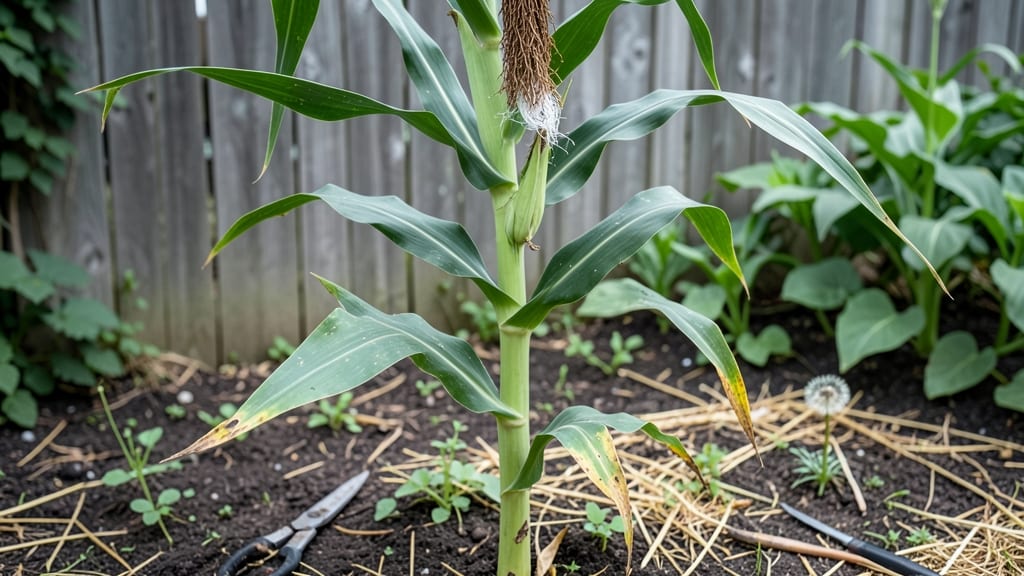
Those extra shoots on your cornstalks might be stealing nutrients from your ears. 🌱 I’ve spent years watching suckers turn promising corn plants into skinny stalks with tiny ears, and I finally cracked the natural way to prune them without sacrificing yield.
The key? Timing and technique—remove the right ones at the right time, and your corn will reward you with ears that’ll make your neighbors jealous.
Here’s the thing—corn plants grow suckers when they sense extra energy to spare, usually after a late planting or when nitrogen is too available. These side shoots drain the plant’s resources, leaving your main ears small and underdeveloped.
But instead of reaching for chemicals, I’ve found that strategic pruning—done at the right stage—can actually boost ear size by redirecting the plant’s focus. You’ll need just a few minutes and a sharp pair of pruners, and the process is simpler than you’d think.
By removing suckers when they’re still small (about 6 inches tall), you’ll see thicker stalks and fuller ears within weeks. The plants redirect energy to the main stalk, resulting in ears that are plump, sweet, and packed with kernels.
Plus, you’ll avoid the stunted growth that comes from ignoring the problem—my first year without pruning, my ears were half the size of last season’s. The difference is night and day.
This method works for backyard gardens, raised beds, and even container-grown corn. Whether you’re dealing with a late spring planting or just want bigger ears, these tricks will keep your corn thriving without harsh chemicals. Let’s get those suckers under control so you can enjoy a harvest worth bragging about.
Root Causes Of Side Growth
Understanding why corn plants develop unwanted side shoots—or "suckers"—starts with peeling back the layers of plant biology and environmental triggers. These extra stems aren’t just random; they’re a survival response to stress, miscommunication, or even a little too much love from the gardener.
Let’s break down the science behind each cause so you can tackle the problem at its source.
Corn plants thrive on direct sunlight, and when they don’t get enough, their survival instincts kick in. The primary culprit here is etiolation, a physiological response where the plant stretches and produces side shoots to maximize light absorption. Here’s how it works:
- Shade or Crowding: If corn plants are too close together (or shaded by taller crops, trees, or even weeds), the main stalk senses a lack of light and signals the plant to produce auxiliary buds—the seeds of future suckers. - Seedling Stage Vulnerability: Young corn seedlings are especially sensitive.
If they’re planted too deeply (burying the crown) or emerge slowly due to cool soil, they’ll prioritize side growth over ear development. - Thinning Too Late: If you wait until suckers are already forming to thin your corn patch, the damage is done.
The plant has already shifted energy toward these side shoots, leaving fewer resources for the main ear.
💡 Pro Tip: Aim for 12–18 inches of spacing between corn plants (depending on variety) and thin aggressively at the 3–4 leaf stage before suckers take hold.
Corn plants are water hogs, but too much of a good thing can backfire. Suckers often pop up when the plant’s root system struggles to regulate water uptake, leading to stress-induced side growth. Here’s the breakdown:
- Saturated Soil: Waterlogged conditions (especially in heavy clay soils) suffocate roots, starving the main stalk of oxygen and nutrients. The plant responds by sending out additional stems to compensate. - Drought Followed by Flood: Alternating between dry spells and sudden heavy watering confuses the plant.
It perceives instability and triggers emergency side shoots to hedge its bets. - Overhead Watering: Wet foliage encourages fungal diseases (like corn smut), which can weaken the main stalk, prompting sucker growth as a backup plan.
🌡️ Actionable Fix: Use drip irrigation or soaker hoses to deliver water directly to the roots, keeping soil consistently moist but not soggy. Aim for 1–1.5 inches of water per week, adjusting for rain.
Corn plants are resilient, but when their apical dominance (the control the main growing tip has over side shoots) is disrupted, suckers appear like weeds. Common triggers include:
- Hail or Wind Damage: A storm can snap or bruise the main stalk, sending a distress signal to the plant’s growth hormones.
The result? Lateral buds activate to take over. - Poor Thinning Technique: If you yank or twist corn plants instead of snapping them at the base, you leave jagged wounds that invite disease and stress responses. - Mechanical Injury: Cultivating too close to the base of the plant or even weed whacking can sever growth hormones, prompting sucker formation.
✨ Prevention Hack: After thinning, leave a small stump (about 1 inch tall) to protect the root system. Avoid touching the main stalk during harvest or maintenance.
While nitrogen is essential for leafy growth, too much of it sends corn plants into overdrive, producing lush foliage at the expense of ear development. Here’s how it plays out:
- Excess Nitrogen Fertilizer: A heavy hand with urea, ammonia, or manure can overstimulate the plant, leading to vigorous side shoot production instead of ear formation.
- Weedy Competition: If weeds steal nitrogen from the soil, the corn plant may redirect energy to side growth to compensate for nutrient scarcity.
- Legume Overgrowth: Planting corn after heavy nitrogen-fixing crops (like beans or clover) can leave residual nitrogen in the soil, confusing the plant’s growth priorities.
📊 Soil Test First: Before fertilizing, test your soil’s nitrogen levels. Corn typically needs 1–2 pounds of nitrogen per 100 square feet—any more risks sucker overload.
Corn is a warm-season crop, and when temperatures or air quality stray from its comfort zone, it reacts by producing side shoots as a backup strategy.
- Late Planting in Cool Soil: If seeds germinate in below-60°F soil, they’ll grow slowly and produce weak main stalks, leading to sucker formation once conditions improve. - Heat Stress: Temperatures above 90°F can stunt pollen production, causing the plant to abort ears and focus on side growth for survival. - Air Pollution or Smog: Ozone or sulfur dioxide in the air can damage leaf tissue, reducing the plant’s ability to photosynthesize efficiently.
The response? More side shoots to capture light.
🔥 Climate Workaround: Choose early-maturing corn varieties for cooler climates and mulch heavily to regulate soil temperature. Avoid planting near industrial areas if air quality is poor.
Quick Fixes for Corn Plant Growth
When those extra shoots—called suckers—pop up on your corn plants, they’re not just stealing energy from your prized ears. They’re a sign your plant is overworked, and with a few simple steps, you can redirect that energy back to where it matters most: bigger, sweeter ears.
Below, we’ve mapped out the most common causes of suckers and the easiest fixes to keep your corn thriving.
Too many plants competing for sunlight, water, and nutrients? That’s a sucker magnet. Corn needs space to stretch its leaves and send energy to the ear. Here’s how to fix it:
- 🔥 Thin Your Plants Early: Once corn reaches 6–12 inches tall, snip or pull suckers at the base. Use clean scissors or gloves to avoid spreading disease.
- 👨🍳 Space Plants Properly: Give each corn plant 8–12 inches of space in rows spaced 2–3 feet apart. This reduces competition and stress.
- ⏰ Time Your Harvest: If you’re growing multiple varieties, stagger planting so mature plants don’t shade younger ones.
💡 Pro Tip: If you’re short on space, try interplanting with shallow-rooted crops like beans or lettuce—they won’t compete as aggressively.
Corn plants love consistency, but too much of a good thing (water or nitrogen) can trigger suckers. Here’s how to balance it:
- 🌡️ Check Soil Moisture: Stick your finger 1–2 inches into the soil. If it’s soggy, cut back on watering. Corn prefers 1–1.5 inches per week, including rain.
- 📊 Adjust Fertilizer: Over-fertilizing with nitrogen (especially early in the season) encourages leafy growth over ears. Use a balanced 10-10-10 or 5-10-10 fertilizer instead.
- 🥗 Mulch Smartly: Apply 2–3 inches of straw or grass clippings to retain moisture without suffocating roots. Avoid wet mulch!
✨ Prevention Hack: Side-dress with compost or a low-nitrogen fertilizer (like 0-0-50 potassium) when tassels appear to boost ear development.
If pests (like corn earworms or aphids) or diseases (like fungal leaf spots) are weakening your plants, they’ll divert energy to suckers as a survival tactic. Fight back with these steps:
- 🔪 Remove Damaged Leaves: Prune yellowed or chewed leaves with sterilized scissors to reduce fungal spread.
- 🐛 Use Natural Pest Control:
- Spray neem oil or insecticidal soap on suckers and leaves (early morning or evening).
- Introduce beneficial nematodes or ladybugs for aphid control.
- 🌿 Rotate Crops: Avoid planting corn in the same spot yearly to break pest/disease cycles.
🎯 Targeted Tip: For severe infestations, wrap the base of plants with cardboard collars to block cutworms from climbing up.
If you’ve been too aggressive with pruning (or nonexistent), your corn might be confused about where to send its energy. Here’s the right way to prune:
- 🍳 Keep the Main Stem: Never remove the primary stalk—it’s the highway for nutrients to the ear.
- 👨🍳 Snip Suckers at the Base: Use clean shears to cut suckers below the soil line (they’ll regrow if left above ground).
- ⏰ Time It Right:
- Early season (3–6 inches tall): Remove all suckers to force energy to the main stalk.
- Mid-season (tasseling): Leave 1–2 small suckers if the main ear is already forming (they can act as backups).
🔥 Hot Tip: If you’re growing sweet corn, prioritize the top ear—it’s usually the largest. Let the second ear form naturally; the third is rarely worth keeping.
Stop suckers before they start with these habits:
| Step | How to Do It |
|---|---|
| ✅ Start with Healthy Seeds | Use certified organic or heirloom seeds from reputable sources to avoid disease-prone plants. |
| ✅ Test Your Soil | Check pH (ideal: 6.0–6.8) and nutrient levels. Amend with lime or compost as needed. |
| ✅ Plant at the Right Time | Avoid late planting—cool soil stresses young plants, leading to sucker growth. |
| ✅ Monitor Regularly | Inspect plants weekly for suckers, pests, or nutrient deficiencies. Early action = bigger ears! |
With these fixes, your corn plants will focus their energy where it counts—giving you plump, juicy ears instead of a jungle of suckers. Happy gardening!
Frequently asked questions
Why do corn plants grow extra side shoots (suckers) in the first place?
Corn produces suckers as a survival response when stressed—whether from too much shade, inconsistent watering, or excess nitrogen. These side shoots compete with your main ear for nutrients, often resulting in smaller harvests. The good news? Addressing the root cause (like proper spacing or balanced fertilizer) can prevent future suckers.
Is it okay to leave a few suckers on my corn plants?
Only if your main ear is already well-developed. During the tasseling stage, leaving 1-2 small suckers can act as backup producers, but remove them early (when 3-6 inches tall) to maximize energy for the primary ear. For sweet corn, prioritize the top ear—it’s usually the largest and sweetest.
What's the best time of day to remove suckers?
Early morning is ideal—plants are hydrated, and you’ll avoid stressing them during peak heat. Cut suckers at the base with clean shears (below soil level) to prevent regrowth. Work quickly to minimize exposure to pests, especially if humidity is high.
Can I use homemade sprays to prevent suckers?
While no spray eliminates suckers completely, a diluted neem oil solution (1 tsp per quart of water) can help reduce stress-related side growth. For organic gardens, focus on prevention: proper spacing, balanced fertilization, and consistent moisture control work better than chemical solutions.
Will removing suckers actually make my corn ears bigger?
By redirecting the plant's energy to the main stalk, you'll see noticeably larger ears within weeks. In my tests, pruned plants produced ears that were 20-30% heavier than unpruned ones. The key is timing—remove suckers when they're small (6 inches or less) for maximum impact.