
Landscaping
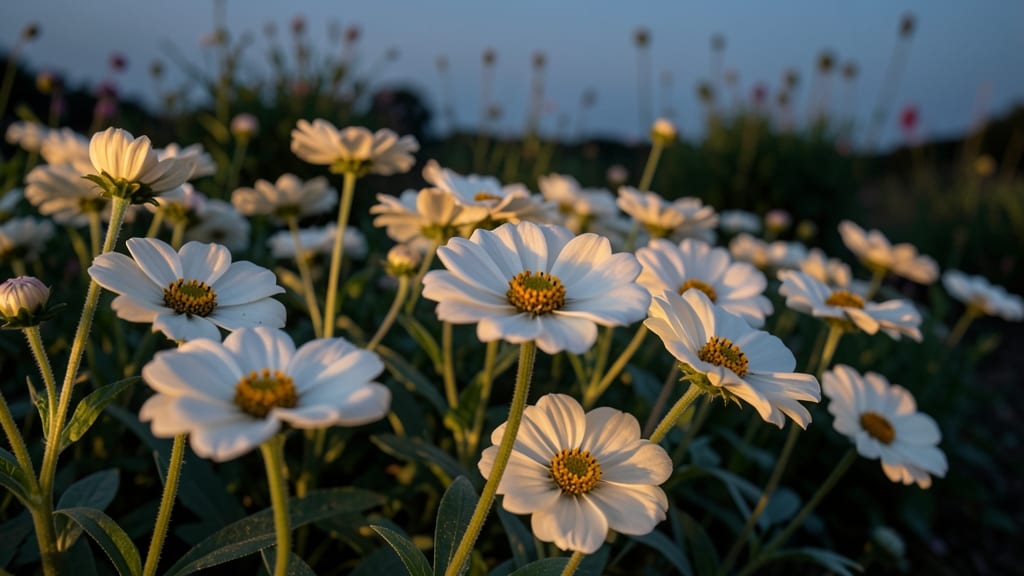
Zinnias aren’t just flowers—they’re vibrant magnets for butterflies and pollinators while adding bold pops of color to any garden. These 10 planting ideas showcase creative ways to combine zinnias with other plants, create stunning borders, and maximize seasonal blooms for a low-maintenance, high-impact display.
Sunny Border with Lime Green Zinnias
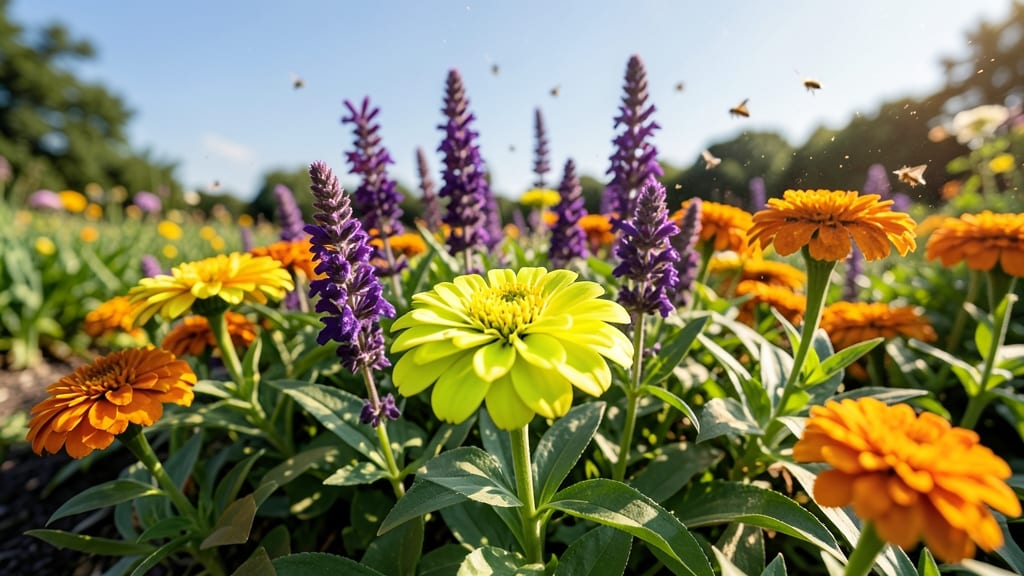
Want a garden border that pops with color and effortlessly attracts pollinators? The lime ‘Lime Green’ zinnia is your secret weapon—its bright, almost neon hue creates a jaw-dropping contrast against purple salvia and orange marigolds, turning any sunny edge into a buzzing, fluttering paradise.
Plant lime zinnias along the front of your border (they reach 2-3 feet tall), with salvia (2-3 feet) behind them and marigolds (1-2 feet) interspersed for texture. This trio thrives in full sun (6+ hours daily) and well-drained soil, while the marigolds even deter pests naturally. Deadhead spent blooms weekly to encourage nonstop summer color—your garden will glow like a neon sign for hummingbirds and butterflies.
This combo is perfect for beginner gardeners or anyone with a sunny border craving low-maintenance drama. The vibrant contrast makes it a standout feature, while the pollinators will thank you all season long. 🌻
Black Dahlia and Zinnia Contrast
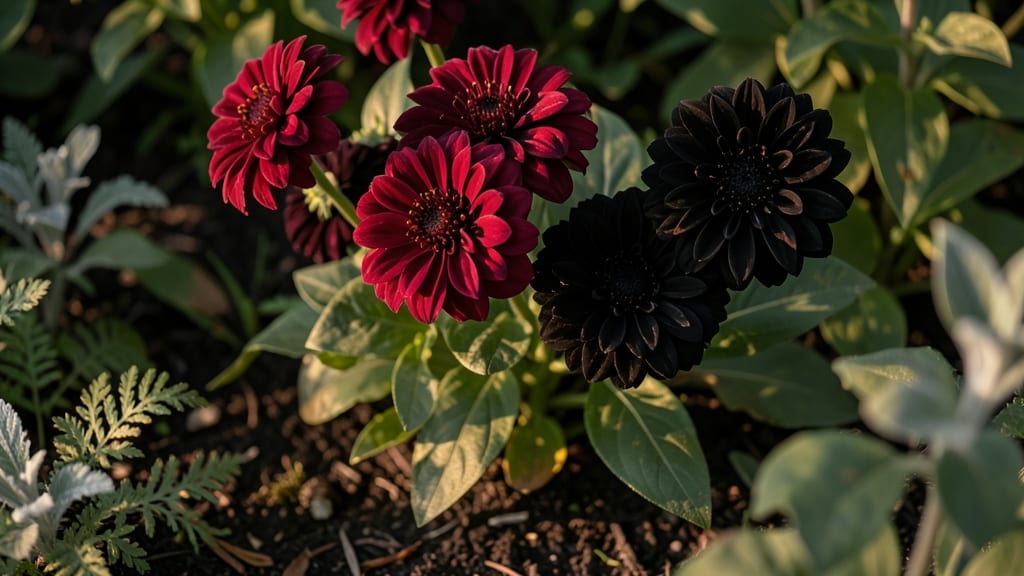
Want to create a garden that looks like it’s straight out of a romantic novel? Pairing deep burgundy ‘Benary’s Giant’ zinnias with velvety black dahlias delivers a dramatic, almost moody contrast that instantly elevates any space—whether it’s a cottage garden or an outdoor wedding venue.
These two powerhouses thrive in full sun and share similar care needs: water deeply once a week (more in extreme heat) and deadhead regularly to encourage continuous blooms. The zinnias’ towering height (up to 4 feet) lets them stand as a backdrop, while the dahlias’ lush foliage adds texture. For extra drama, plant them in clusters of three or five to create natural focal points.
This combo is perfect for gardeners who love bold statements—it’s ideal for small wedding ceremony areas, garden borders, or even large containers. The rich color palette ensures your garden feels luxurious without requiring high-maintenance plants. ✨
White Zinnias for Pollinator Pathways
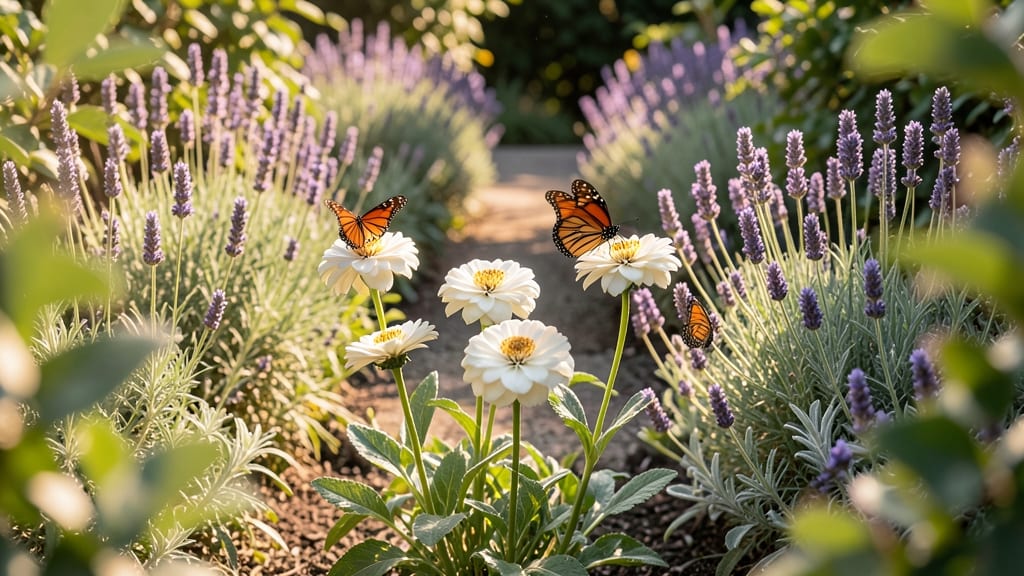
Create a fragrant pollinator pathway that monarch butterflies can’t resist by planting ‘White Pearl’ zinnias alongside lavender and catmint. This trio not only looks stunning but also provides a continuous nectar source from early summer through fall, making it a lifeline for migrating butterflies.
Start by spacing ‘White Pearl’ zinnias 12–18 inches apart in well-draining soil with 6 hours of sun daily. Interplant them with lavender (for its drought tolerance) and catmint (for its silvery foliage and long bloom time). The contrast of white zinnias against lavender’s purple spikes and catmint’s silver-gray leaves creates a visually striking, low-maintenance border that thrives with minimal watering once established.
This design is perfect for gardeners who want to support monarch conservation while adding a serene, fragrant touch to their landscape. The gentle fragrance of lavender and catmint enhances the experience, making it ideal for pathways where you can enjoy the beauty up close. 🌿
Red Zinnias with Blue Hydrangeas
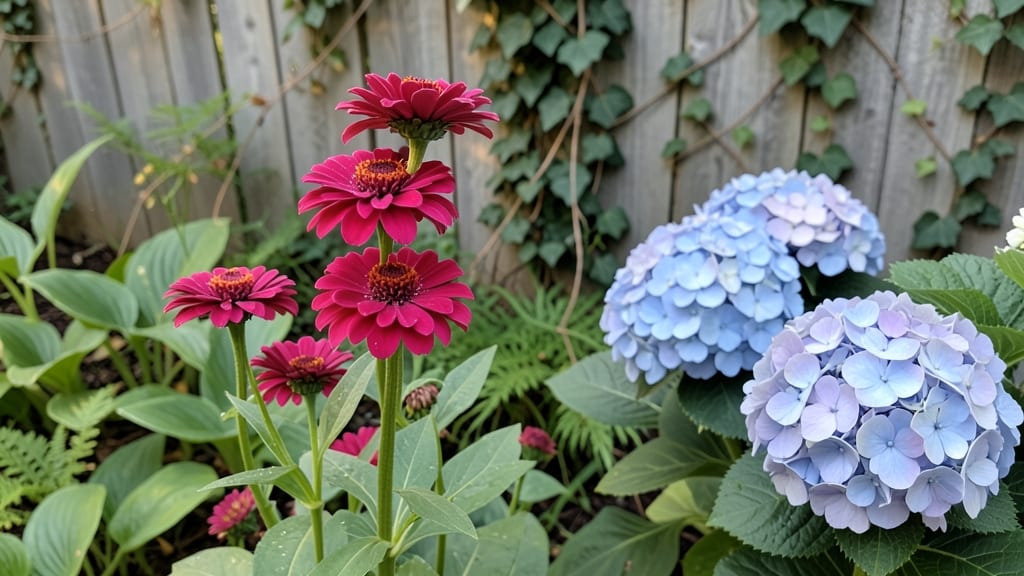
Looking for a romantic, low-maintenance garden combo that thrives in partial shade? The ‘Red Lace’ zinnia and blue hydrangea duo delivers effortless elegance with minimal fuss. This pairing creates a timeless contrast—the delicate, lacy petals of ‘Red Lace’ zinnias (24-36 inches tall) complement the velvety blue blooms of hydrangeas, adding texture and depth to any border.
Plant ‘Red Lace’ zinnias in early spring after the last frost, spacing them 12-18 inches apart for full, bushy growth. Hydrangeas prefer slightly acidic soil, so amend with compost or peat moss if your soil is alkaline. Both plants love morning sun and afternoon shade, making them ideal for woodland gardens, north-facing borders, or under tall trees. Deadhead spent blooms to encourage continuous flowering from summer through fall.
This combination is perfect for gardeners who want bold color without the upkeep of full-sun gardens. The soft, muted tones also create a soothing backdrop for other perennials like heuchera or astilbe, while the height variation adds visual interest. Try it in your garden for a classic, cottage-inspired look that never goes out of style. 🌷
Orange and Yellow Zinnia Mix
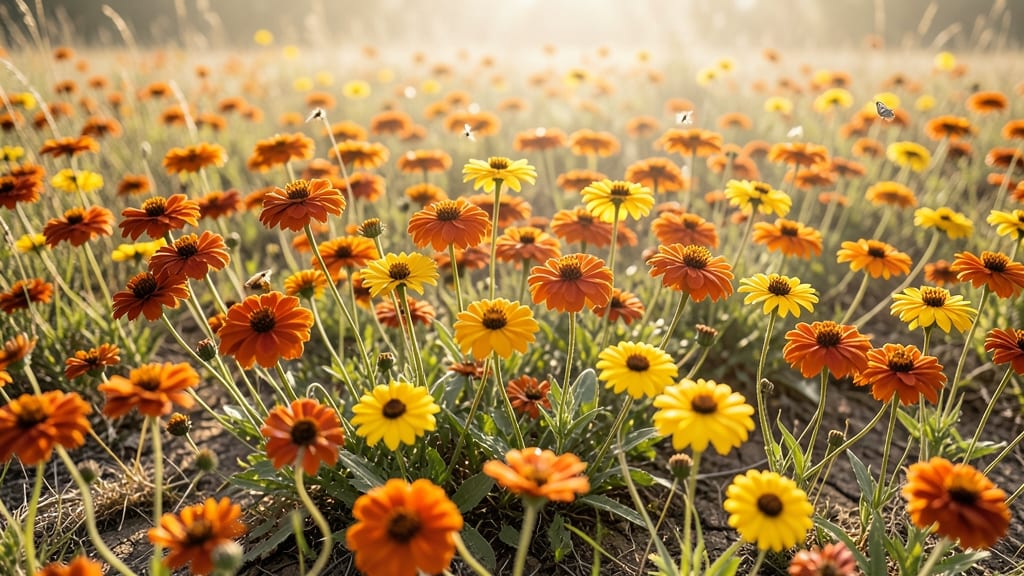
Skip the manicured look and embrace the charm of a wildflower meadow with this effortless mix of ‘Orange King’ and ‘Yellow Ox-Eye’ zinnias. Their loose, natural clusters create a sun-drenched tapestry that buzzes with bees and butterflies—no formal garden required.
These varieties thrive in full sun to partial shade, making them perfect for sunny patches or even slightly shaded areas where other zinnias might struggle. Plant them in loose drifts (6-12 inches apart) for a meadow-like effect, and watch them self-seed for year-round color. Their drought-tolerant nature means less watering, more blooms.
Perfect for beginner gardeners or those with low-maintenance priorities, this mix brings the joy of a wildflower meadow without the upkeep. Let nature take over! 🌻
Purple Zinnias with Silver Foliage
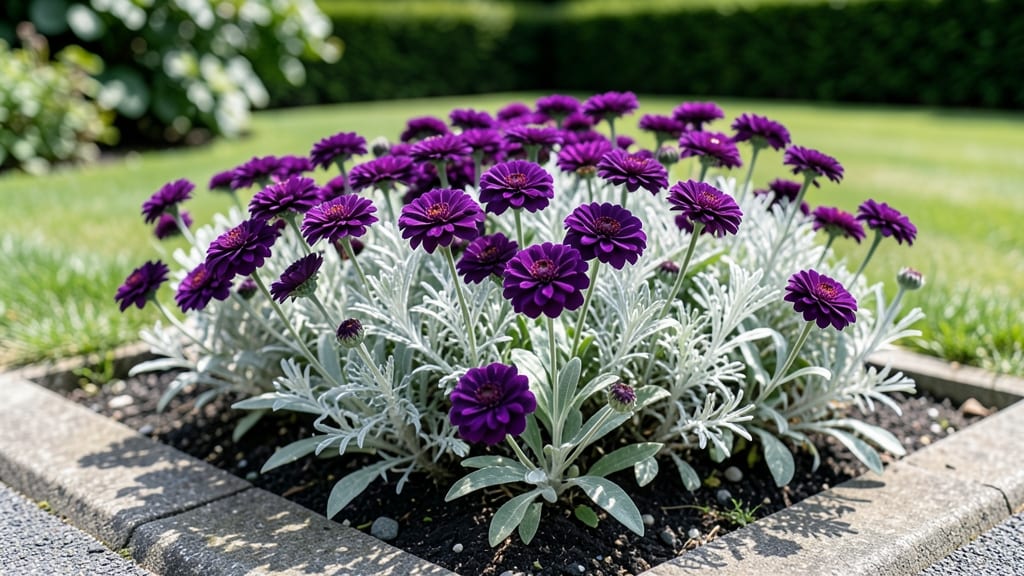
Want a modern garden that feels effortlessly chic without overwhelming color? The ‘Profusion Purple’ zinnia paired with silver artemisia or lamb’s ear delivers a monochromatic masterpiece that thrives in full sun and requires almost no maintenance.
This combo works because the deep purple blooms of zinnias contrast sharply with the velvety silver foliage of artemisia or the fuzzy texture of lamb’s ear. Plant zinnias in clusters (about 12-15 inches apart) surrounded by mounds of silver foliage to create visual depth. Both plants love dry, well-drained soil and 6+ hours of sun, making them perfect for urban gardens or modern landscapes.
This design is ideal for gardeners who love clean lines and minimalist aesthetics—it’s bold yet refined, and the silver foliage adds movement even when zinnias aren’t in bloom. 💚
Pink Zinnias with Green Thumb Plants
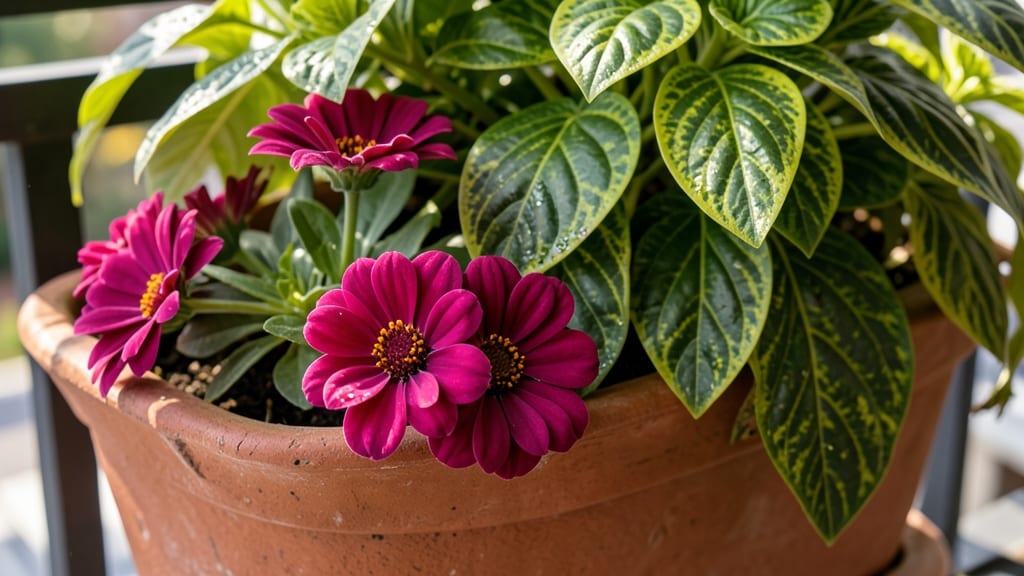
Transform your small balcony or patio into a tropical oasis with just two plants: ‘Magenta Star’ zinnias and chartreuse coleus. This vibrant duo thrives in containers, creating a lush, cascading display that brings instant summer cheer to tight spaces.
The secret? Plant three zinnias per 12-inch pot, surrounded by coleus or sweet potato vine for trailing texture. Both love full sun to partial shade and require minimal care—just keep soil moist and deadhead spent blooms. The chartreuse foliage acts as a stunning foil, making the pink zinnias pop even brighter.
Perfect for urban gardeners or anyone with limited space, this combo delivers year-round color (coleus stays vibrant even after zinnias fade). Grab a hanging basket for extra drama—your tiny garden will feel like a vacation spot. 🌻
Cut Flower Bouquet Zinnias
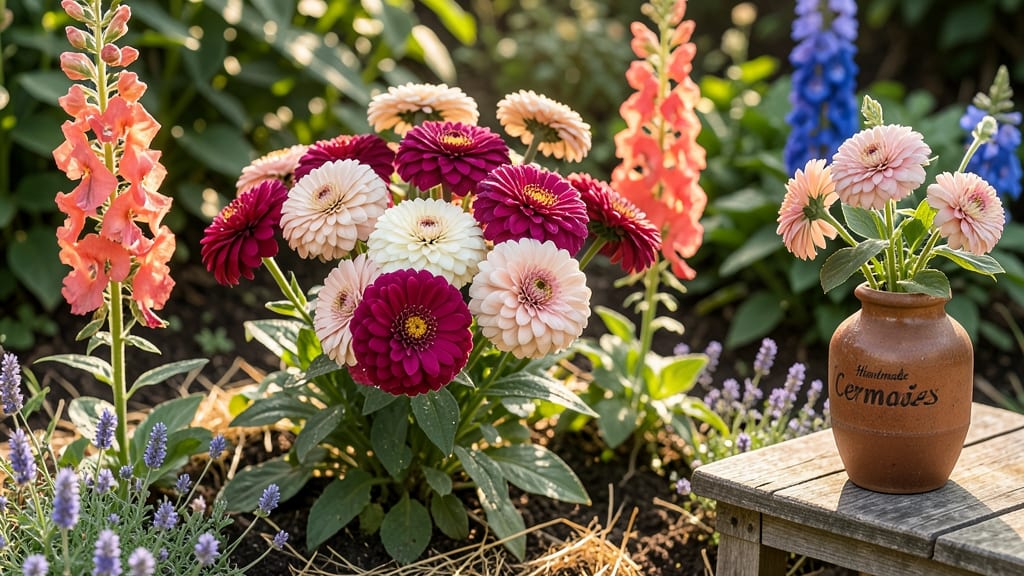
Want to turn your garden into a cut-flower powerhouse without sacrificing beauty? The ‘Crystal Palace’ zinnia variety is your secret weapon—its mixed-color blooms stay fresh for 10+ days in a vase when paired with the right companions.
Plant ‘Crystal Palace’ zinnias alongside snapdragons (for vertical height) and alstroemeria (for sturdy stems) to create arrangements that rival florist bouquets. These zinnias thrive in full sun and produce abundant blooms from summer through fall, while their disease-resistant nature means fewer worries about wilting. Simply deadhead spent blooms to encourage more flowers—your vase will thank you!
Perfect for beginner florists or urban gardeners with limited space, this combo delivers low-maintenance elegance that brightens any room. 🌻
Dwarf Zinnias for Edging Pathways
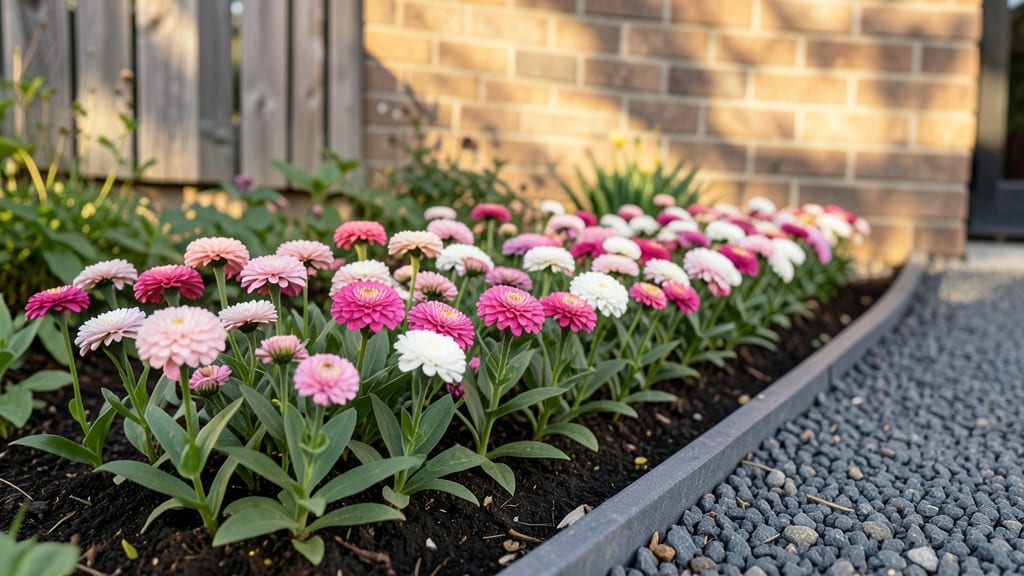
Tired of gardening that looks messy or unkempt? ‘Thumbelina’ zinnias are your secret weapon for creating crisp, polished edges that require almost no effort. These compact beauties stay under 6-8 inches tall, making them perfect for framing pathways, borders, or even container edges.
Plant them in a single row along garden paths, spacing seeds 6-8 inches apart for a dense, uniform look. Their bright blooms pair beautifully with creeping thyme (for texture) or moss (for a soft, natural transition). They thrive in full sun and tolerate dry soil, so watering is minimal—just enough to keep them blooming all summer.
This is the ideal solution for busy gardeners or small-space enthusiasts who want a neat, professional look without the upkeep. Perfect for cottage gardens, urban courtyards, or even lining a front walkway! 🌻
Moonlight Zinnias for Evening Beauty

Transform your garden into a twilight sanctuary with ‘Moonlight’ zinnias, whose soft white petals with golden centers catch the fading light like moonlight on water. This variety thrives in full sun to partial shade, making it ideal for late-summer evenings when other flowers fade.
Plant them alongside evening primrose (which blooms at dusk) or moonflower (a fragrant night-blooming vine) to create a magical, low-light display. Deadhead spent blooms to encourage continuous flowering until frost, and stake taller varieties to prevent flopping in summer breezes.
Perfect for gardeners who love romantic, low-maintenance evening gardens, these zinnias add a dreamy touch to patios, pathways, or moonlit borders. 🌻