
Companion Plants
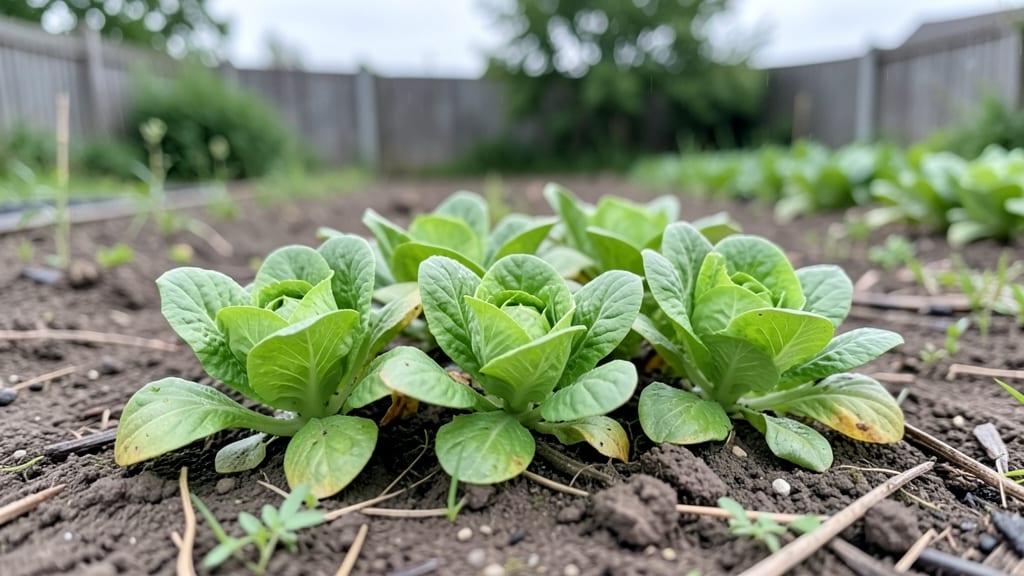
Thirty-day salads start with these tender young lettuce plants—soft, velvety leaves just waiting to transform your kitchen into a harvest station. 🌱 I remember my first batch: tiny seedlings that grew into crisp heads faster than I expected, proving that patience pays off in the freshest greens possible.
The key isn't complicated—it's about keeping them happy from day one, and I'm sharing exactly how to do that without stress or guesswork.
You'll need a sunny spot getting at least 6 hours of light daily, a well-draining soil mix (think 50% compost, 30% garden soil, and 20% perlite), and a consistent watering routine—never soggy, never dry.
Transplant seedlings carefully, keeping roots intact, and space them 8-12 inches apart for room to grow. The first two weeks are critical: too much heat or drought sends them bolting, and nobody wants bitter lettuce before harvest time.
By following these simple steps, you'll harvest lush, tender leaves in just 30 days—plenty for sandwiches, salads, or even cooking. The secret is regular harvesting: pinch off outer leaves as they grow, and the plant keeps producing fresh growth for weeks.
No wilting, no pests, just steady, reliable greens that make every bite taste like summer.
Works for all lettuce varieties—romaine, butterhead, leaf lettuce—and even thrives in containers if space is tight. Once you master this, you'll never buy store-bought again. Let's get those plants growing strong!
📚 In This Guide
- What you need
- Instructions
- Tips and common mistakes
- Wrapping up and next steps
What you need
- ● Seeds: Fast-growing lettuce varieties like Buttercrunch, Leaf Lettuce, or Romaine (1–2 packets, ~50–100 seeds total).
- ● Seed Starting Mix: Lightweight, sterile potting soil (1–2 cubic feet, or enough to fill seed trays).
- ● Containers: Seed trays with drainage holes (1–2 trays, 10x20 inches each).
- ● OR Biodegradable peat pots (50–100 pots, 2–3 inches in diameter).
- ● Watering Can or Spray Bottle: With a fine mist nozzle for gentle watering.
- ○ Grow Lights (Optional but Recommended): LED or fluorescent lights (1–2 bulbs, 12–16 inches above seedlings for 12–14 hours/day).
- ● Fertilizer: Balanced liquid fertilizer (e.g., 10-10-10) or organic compost tea (diluted as directed).
- ● Gloves: Gardening gloves to protect your hands.
- ○ Small Hand Trowel: For transplanting seedlings (optional but helpful).
- ● Sunlight Access: A sunny windowsill (south-facing) or a greenhouse setup.
- ● Temperature Control: Ideal range: 60–65°F (15–18°C) for germination; avoid frost.
- ● Patience (and a Calendar!): Mark your planting date—lettuce is ready in just 30 days!
- ● Humidity dome or plastic wrap to retain moisture during germination.
- ● Companion plants like radishes or carrots to deter pests.
- ● Organic mulch (e.g., straw) to retain soil moisture after transplanting.
- ● pH test kit to ensure soil pH is between 6.0–7.0 (lettuce loves slightly acidic soil).
Step-by-step instructions for growing young lettuce plants
Here’s how to coax tender, fast-harvest lettuce from seed—no fancy gear required.
🌱 Step 1: Start Seeds Indoors or Direct-Sow in Cool Soil
Lettuce thrives when soil stays between 55-65°F, so wait until nighttime temperatures drop below 70°F before direct-sowing outdoors. If your spring is late, start seeds indoors 4-6 weeks before the last frost date using a seed-starting tray with sterile seed-starting mix. Press seeds ¼ inch deep, spacing them ½ inch apart—lettuce germinates best in clusters.
Keep the tray in a bright, indirect light spot (like a north-facing windowsill) and maintain moisture by misting daily. Germination takes 5-10 days—you’ll know it’s working when you see tiny green hooks breaking the soil surface. If sowing directly outside, scatter seeds thinly and cover with ¼ inch of mix, then water gently to avoid displacing them.
💧 Step 2: Thin Seedlings for Stronger Growth
Once seedlings develop first true leaves (the second set after the initial cotyledons), thin them to 1-2 inches apart to prevent competition. Use a small pair of scissors to snip unwanted seedlings at soil level—this avoids disturbing roots of the plants you’re keeping. I always thin in stages: first to 1 inch apart, then again to 2 inches when they’re 2-3 inches tall.
Thinning might seem cruel, but crowded lettuce bolts (goes to seed) faster. You’ll notice the remaining plants perk up within days, with deeper green leaves and sturdier stems. Water the base after thinning to settle the soil and encourage root growth.
☀️ Step 3: Provide Consistent Moisture and Partial Shade
Lettuce roots are shallow, so keep the soil evenly moist—never soggy. Water in the early morning so leaves dry by evening, reducing fungal risks. If your climate is hotter than 75°F, provide afternoon shade using a lightweight shade cloth (30-50% block). You’ll see wilting or yellowing leaves if it’s too dry or hot.
Fertilize lightly with a balanced organic fertilizer (like 5-5-5) 2 weeks after thinning, using half the recommended dose. Over-fertilizing leads to bitter leaves. Mulch with 1 inch of straw to retain moisture and suppress weeds—lettuce hates competition.
✂️ Step 4: Harvest Outer Leaves for Continuous Yield
Young lettuce is ready to harvest 30-40 days after sowing when leaves reach 3-4 inches tall. Use clean sharp scissors to snip the outer leaves just above a leaf node (where new growth emerges). This encourages the plant to produce more leaves—you’ll get multiple harvests from one plant.
Harvest in the morning when leaves are crispest. Rinse gently under cool water, then dry with a salad spinner or paper towels. If your lettuce bolts (sends up a tall flower stalk), harvest the inner leaves immediately—they’ll still be tender, and you can compost the outer leaves.
🌿 Step 5: Extend the Season with Succession Planting
For a continuous supply, sow new seeds every 2 weeks until 6 weeks before your first fall frost. Lettuce grows well in cool weather, so a second planting in late summer often thrives into early autumn. Choose bolt-resistant varieties like ‘Black Seeded Simpson’ or ‘Salad Bowl’ if your summers are warm.
If frost threatens, protect plants with a floating row cover or move containers indoors near a bright window. With proper care, you’ll enjoy fresh, homegrown lettuce for months—no store-bought salad mix needed.
Tips & tricks for perfect young lettuce plants
Here's what I've learned after growing tender lettuce for years—these tricks make all the difference between floppy, bitter greens and crisp, delicious harvests.
Soil Temperature Secrets: The 55-65°F range is non-negotiable for germination and growth. I use a soil thermometer to monitor temps—if your soil feels cooler than 65°F, cover seed trays with clear plastic wrap to create a mini greenhouse effect until you see those first green hooks. When nighttime temps drop below 70°F, that's your cue to direct-sow outdoors for best results.
Thinning Technique That Changed Everything: Don't just yank seedlings—use clean scissors to snip at soil level. I've found that disturbing roots during thinning causes stress that leads to bolting. The two-stage thinning process (first to 1 inch, then to 2 inches) gives plants just enough space to develop strong root systems before they compete for nutrients. You'll notice the remaining plants perk up within days with deeper green leaves.
Lighting Hacks for Seedlings: North-facing windows provide perfect indirect light, but if your seedlings look leggy (long stems, small leaves), they need more. I supplement with a simple LED grow light on a timer (12-14 hours/day) just 4-6 inches above the trays. This prevents the "stretching" that makes seedlings weak and prone to bolting when transplanted.
Watering Wisdom: The key is consistency—never let soil dry out completely, but avoid soggy conditions that invite rot. I water in the morning so leaves dry by evening, and I've found that using a spray bottle for misting keeps seeds evenly moist without disturbing them. After thinning, water at the base rather than overhead to prevent fungal diseases from settling on leaves.
Pro Tips for Young Lettuce Plants
- Here's what I've learned after growing tender lettuce for years—these tricks make all the difference between floppy, bitter greens and crisp, delicious harvests.
- Soil Temperature Secrets: The 55-65°F range is non-negotiable for germination and growth.
- Thinning Technique That Changed Everything: Don't just yank seedlings—use clean scissors to snip at soil level.
Frequently asked questions
Got questions about growing and harvesting young lettuce plants? You're not alone!
Here are some of the most common queries—plus quick, practical answers to help you grow crisp, ready-to-eat lettuce in just 30 days.
How do I know when young lettuce plants are ready to harvest?
Young lettuce is typically harvestable when the leaves reach about 2–3 inches long and are tender enough to eat raw. For leaf lettuces (like butterhead or romaine), snip outer leaves as soon as they’re big enough—this encourages regrowth! For head lettuces (like iceberg), wait until the head is firm but still loose.
Can I harvest young lettuce plants multiple times?
Cut-and-come-again harvesting works perfectly for loose-leaf varieties. Simply snip the outer leaves when they’re 2–3 inches tall, leaving the inner leaves to keep growing. With proper care (water, sunlight, and nutrients), you can harvest the same plant 3–5 times before bolting (going to seed).
What should I do if my young lettuce plants bolt (go to seed) too quickly?
Bolting happens when lettuce senses heat or stress. To delay it:
- Keep temps cool: Use shade cloth (30–50%) in hot weather.
- Water consistently: Avoid drying out soil—drought stress speeds up bolting.
- Try heat-tolerant varieties: Opt for ‘Black Seeded Simpson’ or ‘Jericho’ for warmer climates.
Are young lettuce plants safe to eat raw, or should I cook them?
Young, tender lettuce leaves are perfectly safe and delicious raw! They’re packed with vitamins (A, K, and folate) and have a mild, sweet flavor. For extra safety, rinse leaves thoroughly under cool water before eating. If you prefer cooked lettuce, lightly sautéing or wilted in dishes works too—just avoid overcooking to preserve nutrients.
What can I plant alongside young lettuce to improve growth?
Lettuce thrives with companion plants that deter pests and improve soil. Great pairings include:
- Carrots: Repel aphids and share space well.
- Marigolds: Deter pests like slugs and rabbits.
- Chives or onions: Naturally repel lettuce moths.
- Avoid planting near: Celery, parsley, or fennel (they compete for nutrients).
Wrapping up and next steps
Growing young lettuce plants is a rewarding and fast-paced adventure—just 30 days to a fresh, crisp harvest! 🌱 Whether you're a seasoned gardener or a curious beginner, these quick-growing greens prove that homegrown goodness is always within reach.
With the right companion plants and care, you’ll enjoy a steady supply of nutrient-packed leaves to brighten up salads, sandwiches, or snacks.
Now that you’re armed with tips and tricks, why not take the next step? Start small with a container or patch of soil, experiment with varieties, and watch your garden thrive. Happy planting—and soon, you’ll be savoring the taste of success, one leaf at a time! 🌿✨