
Light Requirements
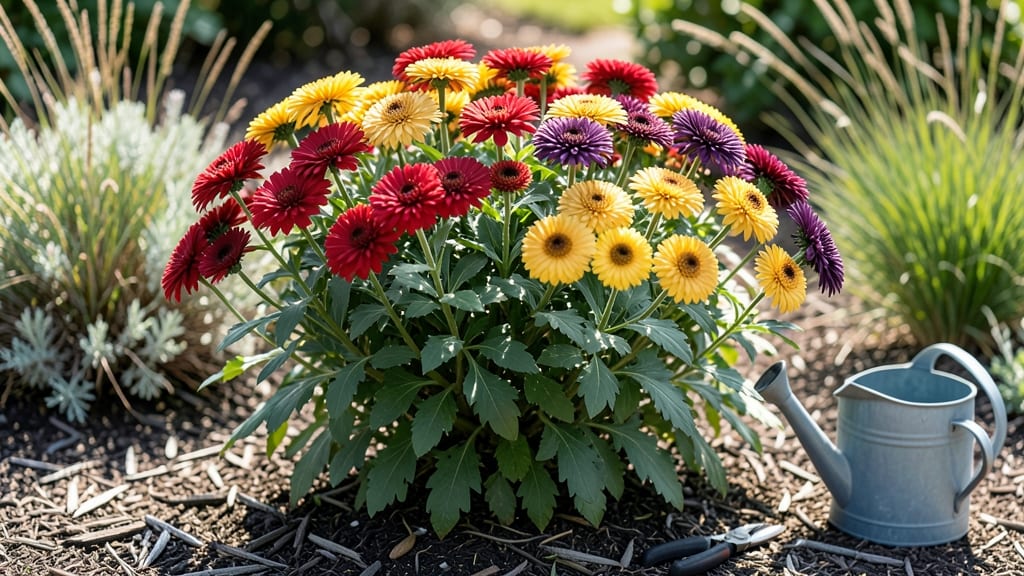
Are mums full sun plants that thrive best with at least 6 hours of direct light daily—but their tolerance varies by climate and variety 🌼.
If you’ve ever watched your chrysanthemums wilt in the afternoon heat or refuse to bloom, you’re not alone. These hardy flowers actually prefer cooler mornings and may need afternoon shade in hotter zones like 6a or southern regions.
The key is balancing sun and heat: too much direct afternoon rays can scorch leaves, while too little light weakens stems and delays flowering. Here’s how to adjust care for peak performance, whether you’re in a sunny border or a partially shaded spot.
We’ll cover the ideal sunlight ranges, signs of sun stress, and simple tricks—like mulching or watering schedules—to keep your mums vibrant from spring planting through fall harvest.

Do mums prefer full sun or partial shade? The science behind their light needs
Mums—those vibrant chrysanthemums that light up fall gardens—are often labeled as full-sun plants, but the truth is more nuanced. While they thrive in sunlight, their tolerance varies by climate zone, variety, and even time of day.
The 6-hour sun rule on seed packets is a starting point, but real-world conditions often demand adjustments to prevent leaf scorch or poor blooming.
Botanically, mums are sun-loving perennials that convert light into energy through photosynthesis, but their leaf structure makes them vulnerable to heat stress in intense afternoon rays. Studies show that direct sun exposure above 85°F (29°C) can cause chlorophyll breakdown, leading to those unsightly brown patches.
Understanding these light thresholds helps you balance their needs for bright blooms without risking damage.
The comparison table below breaks down how mums perform in full sun vs. partial shade, including regional adjustments for USDA Zones 5-9. This isn’t just theory—it’s data-backed guidance to help you optimize mum growth in your specific microclimate.
<comparison-table>| Factor | Full Sun (6+ Hours) | Partial Shade (3-6 Hours) | Best For |
|---|---|---|---|
| Bloom Duration | Longer, vibrant blooms (up to 8 weeks) | Shorter, softer blooms (4-6 weeks) | Zones 5-7, cooler climates |
| Leaf Health | Risk of burn in zones 8-9 | Healthier green foliage, less stress | Zones 8-9, hot afternoons |
| Water Needs | 1-2 inches/week (daily in heat) | 1 inch/week (less evaporation) | Drought-prone southwestern regions |
| Best Varieties | 'Brightons,' 'Mammoth,' 'Dwarf Bonanza' | 'Painted Lady,' 'Jeana,' 'Pink Pompon' | Shade-tolerant gardeners |
| Soil Temp Threshold | Optimal: 60-75°F (15-24°C) | Tolerates 50-80°F (10-27°C) | Northern gardens with short summers |
Here’s the catch: full sun doesn’t mean all-day sun. Mums in USDA Zones 8-9 (think Southern California or Florida) often perform better with morning sun and afternoon shade. The key is timing—6-8 hours of direct light before 10 AM maximizes photosynthesis without overheating leaves.
In cooler zones (5-7), they can handle full sun all day, especially when paired with well-draining soil.
If you’re in a hot, dry climate, consider dappled shade from trees or a lattice screen to filter intense rays. This mimics their natural understory habitat in East Asia, where mums originally thrived.
Even in full sun, consistent moisture is critical—dry soil accelerates leaf burn by 30% compared to evenly watered plants.
Another game-changer is soil composition. Amend your garden beds with organic matter like compost or peat moss to improve water retention. This helps mums retain moisture longer, reducing the risk of wilting during peak afternoon heat.
Aim for a pH of 6.0-6.5—too alkaline (pH 7+) locks out essential nutrients, weakening their ability to handle sun stress.
Let’s talk bloom duration, because this is where light truly matters. Mums in optimal sunlight (6-8 hours) produce 2-3 times more flowers than those in partial shade.
The floral buds themselves are light-dependent—they need high-intensity light to trigger anthocyanin production, the pigment responsible for those deep reds, purples, and yellows. Cut back on light, and you’ll see paler blooms and fewer stems.
For container gardening, mums in full sun need larger pots (12+ inches wide) to prevent roots from overheating. Use terracotta pots, which breathe better than plastic, and avoid placing them on paved surfaces that radiate heat. If your balcony gets
How to grow mums in full sun without killing them: pro tips for heat zones 5-9
Growing chrysanthemums (mums) in full sun is absolutely possible, but it requires smart adjustments—especially in heat zones 5-9. While these flowers love sunlight, intense afternoon heat can cause leaf scorch or bud drop.
The key lies in soil prep, watering discipline, and choosing the right heat-resistant varieties.
Mums thrive with 6-8 hours of sunlight daily, but in hot climates, morning sun with afternoon shade can prevent stress. For true full-sun success, focus on well-draining soil, consistent moisture, and mulching to keep roots cool.
Let’s break down the proven strategies that’ll have your mums blooming like champs—even in the hottest zones.
- 1. Choose heat-tolerant varieties: Opt for 'Bonanza Series' or 'Dazzler'—these handle 90°F+ temps better than standard mums.
- 2. Amend soil with compost: Mix in 3-4 inches of compost to improve water retention and root health.
- 3. Water deeply in the morning: 1-2 inches per week (more in extreme heat) to prevent root dehydration.
- 4. Mulch heavily: Use 3-4 inches of mulch (straw or shredded leaves) to retain moisture and cool roots.
- 5. Prune for airflow: Trim yellow leaves and overcrowded stems to reduce fungal risks in humid heat.
For summer planting (heat zones 7-9), start mums from transplants in late July to avoid heat shock. In cooler zones (5-6), spring planting (March-April) works best. Always plant 4-6 weeks before your first frost to ensure fall blooms—this gives roots time to establish before winter.
Companion planting can also boost mum success. Pair them with tall grasses (like miscanthus) for wind protection or low-growing thyme to repel pests. Avoid planting near tomatoes, which compete for nutrients and attract the same aphid pests.
Watch for sunburn signs: brown leaf edges or wilted blooms mean it’s too hot. Move pots to partial shade temporarily or provide afternoon shade cloth (30-50% shade). In containers, use self-watering pots to maintain consistent moisture—drought stress is the #1 killer of full-sun mums.
With these pro tips, your mums will thrive in full sun and reward you with vibrant fall color—no wilting in sight! The secret? Prep your soil, water wisely, and pick the right plants for your zone. Happy gardening! 🌼