
Succulent
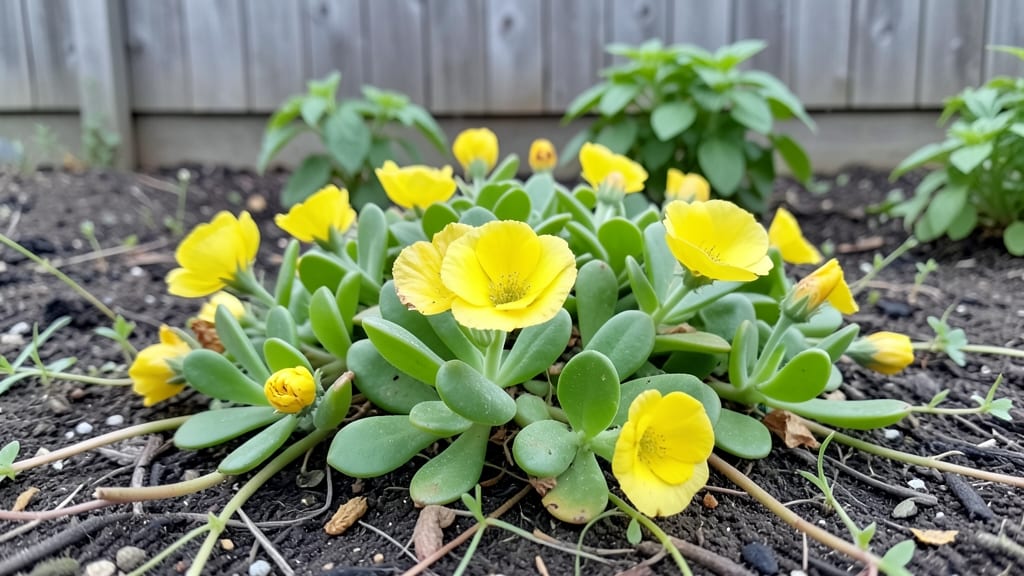
That sunny yellow portulaca plant is the kind of plant that makes neighbors stop and ask for cuttings. 🌻 I grew mine from a single six-pack last summer, and by August, it was spilling over pots with cheerful blooms that lasted until frost.
The secret lies in its love of heat, its thirst for sunlight, and its surprising tolerance for neglect.
You’ll need well-draining soil—think sandy or gritty mixes—and a spot where it gets at least six hours of direct sun daily. Watering is where things get interesting: let the top inch dry out between drinks, and you’ll avoid the leggy stems that happen when plants get too much moisture.
This isn’t a fussy succulent—it’s the kind that thrives when you forget about it for a week.
By midsummer, you’ll have a plant covered in bright yellow blooms that open in the morning and close by afternoon. The flowers are edible too, though they’re better admired than eaten.
Pinch back leggy stems to encourage bushier growth, and watch as it fills containers or spills across garden beds with effortless charm.
Perfect for rock gardens, hanging baskets, or as a drought-resistant ground cover. Once established, it spreads like a living carpet of sunshine—just don’t let it take over your entire yard. Here’s how to keep it blooming all season long.
📚 In This Guide
- What you need
- Instructions
- Tips and common mistakes
- Wrapping up and next steps
What you need
- ● Yellow Portulaca Seeds – Choose high-quality, non-GMO seeds (e.g., Portulaca grandiflora varieties like 'Sunset Yellow' or 'Golden Glow'). Quantity: 5–10 seeds per pot or 100+ for garden beds.
- ● Well-draining potting mix – A blend of cactus/succulent soil (50%) + perlite or coarse sand (30%) + compost (20%) for nutrients. Pro tip: Avoid heavy garden soil to prevent root rot! 🌡️
- ● Containers or garden bed: Pots: 4–6" diameter (1–2 seeds per pot) with drainage holes.
- ● Garden beds: Full sun exposure (6+ hours/day) with loose, rocky soil.
- ● Watering can with a fine rose nozzle – Portulaca hates soggy roots, so gentle watering is key!
- ○ Gloves – Protect your hands from prickly stems (optional but helpful!).
- ● Seed-starting tray – For germinating seeds indoors before transplanting (if starting early).
- ● Mulch (gravel or pebbles) – Top soil with 1–2" of decorative stones to retain moisture and enhance color.
- ● Fertilizer (balanced 10-10-10 or succulent-specific) – Light feeding every 4–6 weeks during growing season.
- ● Pruning shears – To trim leggy stems and encourage bushier growth.
- ● Sun hat or shade cloth (30–50%) – For seedlings or extreme heat (100°F+).
- ● Patience! Seeds germinate in 7–14 days with warmth (70–80°F).
- ● Sunny spot – Portulaca thrives in full sun (even desert heat!).
- ● Drought tolerance – Once established, water only when soil is completely dry.
How to grow and maintain a thriving yellow portulaca plant
Here's how to cultivate vibrant yellow portulaca that bursts with color in even the hottest spots.
🌱 Step 1: Choose the Right Location and Prepare the Soil
Portulaca thrives in full sun—at least 6-8 hours daily—so pick the sunniest, driest spot in your garden. This succulent tolerates poor soil, but it grows best in well-draining sandy or rocky soil with minimal nutrients. If planting in pots, use the cactus/succulent mix you’ve gathered to ensure excess water drains away quickly.
Loosen the top 4 inches of soil with a fork or trowel to improve drainage. Avoid amending with compost—portulaca roots prefer lean conditions. If your soil is heavy clay, mix in 1 part perlite to 3 parts soil to replicate its natural desert habitat. The key is to mimic its arid origins: dry, fast-draining, and nutrient-poor.
☀️ Step 2: Plant Seeds or Transplants at the Right Time
Sow seeds directly in the garden after the last frost when soil temperatures reach at least 70°F. Portulaca seeds germinate quickly—within 5-10 days—but they need warmth to sprout. If starting indoors, use heat mats to maintain 75-85°F soil temperatures until germination. Plant seeds ¼ inch deep, spacing them 6 inches apart since they spread quickly.
For transplants, wait until nighttime temperatures stay above 55°F to avoid shock. Gently remove seedlings from their containers, keeping the root ball intact, and place them in the prepared hole. Press soil lightly around the base but don’t compact it—portulaca roots need air. Water lightly immediately after planting, but avoid soaking the soil.
💧 Step 3: Water Sparingly and Let Nature Take Its Course
Portulaca is drought-tolerant once established, so water deeply once a week during the first month to encourage root growth. After that, water only when the top inch of soil feels completely dry—this could be every 10-14 days in hot climates. Overwatering is the fastest way to kill portulaca; its thick, fleshy leaves store moisture, so it thrives on neglect.
Water in the early morning to reduce evaporation and fungal risks. Avoid wetting the foliage—direct water on the soil instead. You’ll know you’re doing it right when the plant’s vibrant yellow blooms stay crisp and open all day, even in heat waves. If leaves start looking mushy or yellow, you’re overwatering.
✂️ Step 4: Prune and Encourage Continuous Blooms
Deadhead spent blooms by pinching off faded flowers with your fingers or clean pruners. This encourages nonstop blooming throughout the season. Portulaca grows low to the ground, so avoid heavy pruning—just trim back leggy stems to maintain a compact shape. The plant self-seeds aggressively, so thin out excess seedlings to prevent overcrowding.
If your portulaca starts looking scraggly by mid-season, give it a light trim after the first flush of blooms. Cut back one-third of the plant to promote bushier growth. The plant’s natural habit is sprawling, so let it fill in gaps in borders or containers. Just keep an eye on its spread—it can outcompete nearby plants if left unchecked.
🪴 Step 5: Overwinter or Extend the Season Strategically
Portulaca is an annual in most climates, but you can extend its life in containers. Bring pots indoors before the first frost and place them in a bright, sunny window or under grow lights. Reduce watering to every 3-4 weeks and expect growth to slow dramatically. The plant may drop leaves but will often regrow when warmer weather returns.
In frost-free zones, portulaca may self-seed and return year after year. If you want to save seeds, let some flowers go to seed and collect them before they scatter. Dry the pods completely before storing in a cool, dark place. Next spring, you’ll have fresh plants without any effort—just let them reseed naturally.
Tips & tricks for perfect yellow portulaca plant care
Here's what I've learned after growing portulaca for years—these little tricks make all the difference for those stunning yellow blooms.
Sunlight Secret: While portulaca thrives in 6-8 hours of sun daily, I've found that morning sun (before 10am) is especially beneficial. The intense midday heat can scorch delicate new blooms, so if you notice leaves wilting in peak afternoon sun, provide afternoon shade during the hottest summer months. The vibrant yellow color actually intensifies with this balanced sun exposure.
Soil Preparation Tip: When mixing perlite into heavy clay soil (1 part perlite to 3 parts soil), I recommend doing this a week before planting. This gives the soil time to settle and prevents compaction around delicate roots. For containers, I always add a layer of small gravel at the bottom before the cactus/succulent mix—this creates an extra drainage layer that prevents root rot.
Germination Strategy: The 70°F minimum soil temperature for germination is non-negotiable, but I've had best success using clear plastic domes over seed trays to create a mini greenhouse effect. This helps maintain consistent warmth and humidity without needing heat mats. Remove the dome once you see sprouts appearing—usually within those 5-10 days mentioned in Step 2.
Watering Wisdom: For that first crucial month, I've developed a simple watering schedule: use a moisture meter to check soil moisture at the 1-inch depth mentioned. If it's dry, water deeply until it runs out the drainage holes. Then wait until the meter shows dryness again before watering. This mimics natural rainfall patterns and prevents the mushy leaves that signal overwatering.
Pro Tips for Yellow Portulaca Plant
- Here's what I've learned after growing portulaca for years—these little tricks make all the difference for those stunning yellow blooms.
- Sunlight Secret: While portulaca thrives in 6-8 hours of sun daily, I've found that morning sun (before 10am) is especially beneficial.
- Soil Preparation Tip: When mixing perlite into heavy clay soil (1 part perlite to 3 parts soil), I recommend doing this a week before planting.
Frequently asked questions
Is yellow portulaca heat-tolerant, or will it wilt in extreme summer temps?
Yellow portulaca loves heat and actually thrives in temperatures above 90°F (32°C). In fact, it may go dormant or look wilted in cooler weather (below 50°F/10°C). If your plant looks sad in summer, it’s probably happy—just make sure it’s in full sun and well-drained soil.
How fast does yellow portulaca grow, and when will I see flowers?
This succulent grows quickly—expect 6–12 inches (15–30 cm) in a single season! Flowers typically appear in late spring to early summer, but with proper care (full sun + minimal water), you might spot blooms as early as 6–8 weeks after planting. Deadhead spent flowers to encourage more blooms.
How often should I water yellow portulaca, and what happens if I overwater?
Water only when the soil is completely dry—usually every 2–3 weeks in hot climates. Overwatering is the #1 killer of portulaca! Signs of too much water: yellowing leaves, mushy stems, or mold. Let the soil dry out between waterings, and ensure pots have drainage holes.
Can I grow yellow portulaca in containers, and what’s the best soil mix?
Containers are perfect for portulaca. Use a fast-draining mix like cactus/succulent soil + perlite or pumice (50/50 ratio). Avoid heavy garden soil—it causes root rot. Add a light layer of gravel at the bottom of pots to boost drainage.
Are there pests I should watch for with yellow portulaca?
Portulaca is pest-resistant, but keep an eye out for aphids or mealybugs if your plant is stressed. Treat infestations early with neem oil or insecticidal soap. Healthy plants in full sun rarely attract pests, so focus on proper watering and airflow.
What can I plant alongside yellow portulaca for a striking garden display?
Pair it with other heat-loving succulents like sedum, echeveria, or agave for contrast. For color, try salvias, lantana, or marigolds. Avoid moisture-loving plants—portulaca hates competition for water!
Wrapping up and next steps
Ready to bring a pop of sunshine to your garden or patio? The yellow portulaca plant is your perfect heat-loving companion—easy to grow, drought-tolerant, and bursting with vibrant blooms! Whether you’re a seasoned gardener or just starting out, its low-maintenance charm makes it a must-have for sunny spaces. 🌞
Now that you’re armed with care tips and answers to common questions, why not plant one today? Start small with a pot on your balcony or dive into a full garden bed—your yellow portulaca will reward you with weeks of cheerful color. Happy growing!