
Companion Plants
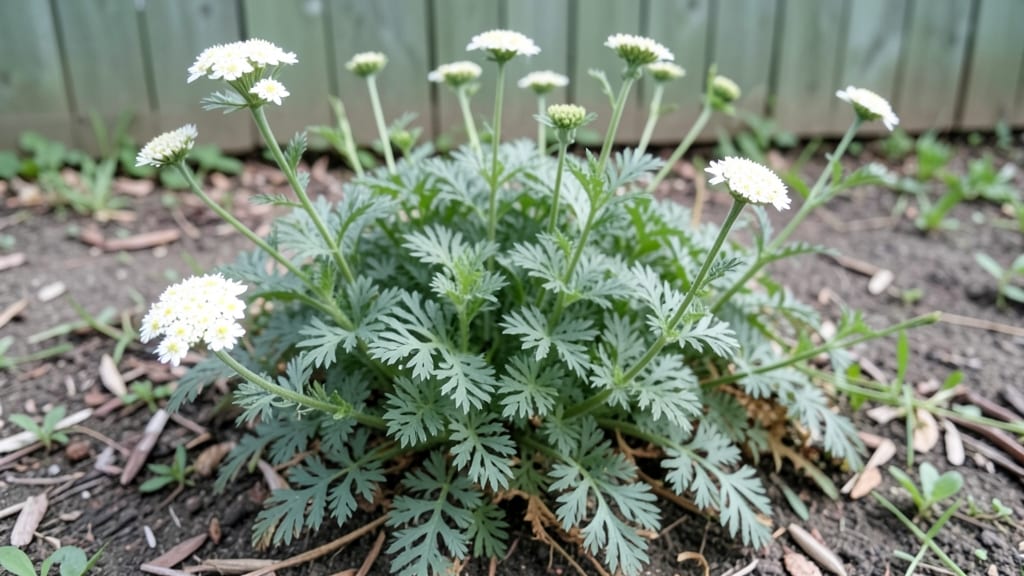
That feathery yarrow plant nearby isn’t just pretty—it’s a pollinator magnet that keeps blooming from spring until frost. 🌿 I planted mine along the back fence last year, and now bees, butterflies, and hummingbirds treat it like a five-star hotel.
The secret lies in its tough roots and flat-topped flowers that never quit, even when other perennials fade.
Yarrow thrives in full sun or light shade, and it’s the kind of plant that rewards lazy gardeners—drought-tolerant, low-maintenance, and happy in poor soil. You can find it at local nurseries or even dig up divisions from neighbors’ gardens (just ask nicely).
It fits every style too: cottage gardens love its wild charm, modern designs appreciate its clean lines, and wildflower meadows can’t get enough of its long bloom time.
By mid-summer, your yarrow will be a buzzing hub of activity, with stems heavy enough to cut for bouquets or medicinal teas. The roots even make a traditional remedy for wounds—though I mostly admire it from afar.
Plant it near your veggie patch to lure beneficial insects away from crops, or let it sprawl in a border where it’ll outshine anything else.
Works in containers too if you prune it back every few weeks. Once established, it spreads happily but stays manageable. The best part? You’ll never need to buy another pollinator plant again—yarrow does the job all on its own.
📚 In This Guide
- What you need
- Instructions
- Tips and common mistakes
- Wrapping up and next steps
What you need
- ● Yarrow plants or seeds: For transplants: 3–5 mature yarrow plants (e.g., Achillea millefolium ‘Moonshine’ or ‘Paprika’ for bold colors). Check local nurseries for pollinator-friendly varieties!
- ● For seeds: 1–2 packets (500–1,000 seeds total). Opt for heirloom or open-pollinated seeds for long-term growth.
- ● Well-draining soil: Yarrow thrives in sandy or rocky soil with a pH of 6.0–7.5. Amend heavy clay with compost or perlite (1 part per 3 parts soil).
- ● Sunlight access: A full-sun spot (6+ hours/day). Partial shade tolerates some color fading but may reduce blooms.
- ● Watering can or hose: With a fine rose attachment (to avoid disturbing roots).
- ● Pruning shears: Sharp, bypass-style shears (for clean cuts and disease prevention).
- ○ Mulch (optional but recommended): Gravel or pebbles (1–2 inches deep) to mimic yarrow’s natural habitat.
- ● OR organic mulch (straw or pine needles) to retain moisture in dry climates.
- ● Garden trowel or transplant spade: For digging holes 2–3 times wider than the root ball.
- ○ Gloves (optional): Heavy-duty gardening gloves to protect from thistle-like foliage.
- ● Fertilizer (light touch): Balanced 10-10-10 (1 tbsp per plant) only if soil is nutrient-poor.
- ● Avoid high-nitrogen fertilizers—yarrow blooms best with low fertility!
- ○ Pollinator-friendly companions (optional): Plant lavender, coneflowers, or bee balm nearby to create a pollinator buffet!
- ● Best planting time: Seeds: Spring (after last frost) or early fall (6–8 weeks before first frost).
- ● Transplants: Spring or early fall (avoid extreme heat or cold).
- ● Spacing: Plant 18–24 inches apart for optimal airflow and blooms.
- ● Watering schedule: First 2 weeks: Water deeply 2–3 times/week (let soil dry between waterings).
- ● Established plants: Drought-tolerant! Water only during prolonged dry spells.
- ● Hardiness zone: Yarrow grows in zones 3–9. Check your zone here!
How to plant yarrow for a pollinator-friendly landscape
This hardy perennial thrives with minimal fuss and rewards you with vibrant blooms all season.
🌱 Step 1: Choose the Perfect Location
Yarrow loves full sun—plant in a spot that gets at least 6 hours of direct sunlight daily. I always check the site in late afternoon when the sun is lowest to avoid overestimating shade. The plant tolerates some drought once established, so avoid low spots where water pools after rain.
Test your soil’s drainage by digging a 6-inch deep hole. If water pools after 30 minutes, amend the area with 2-3 inches of compost to improve drainage. Yarrow hates soggy roots, so well-draining soil is non-negotiable. I like to plant mine near pathways where I can enjoy the fern-like foliage up close.
🪴 Step 2: Prepare the Soil and Plant
Loosen the soil in a 12-inch wide circle around your planting spot to encourage root spread. Yarrow’s fibrous roots need room to establish. Mix in 1 cup of compost into the top 6 inches of soil—this feeds the roots without overwhelming the plant.
Dig a hole just deep enough to accommodate the root ball, then place the yarrow plant inside. The top of the root ball should sit ½ inch below soil level—this prevents stem rot while keeping the plant stable. Gently firm the soil around the roots, then water deeply to settle everything. You’ll know it’s right when the soil looks evenly moist but not muddy.
☀️ Step 3: Water and Mulch for Establishment
Water your yarrow 1-2 times per week for the first 4-6 weeks to help roots establish. After that, it’s incredibly drought-tolerant—water only if the soil feels dry 2 inches below the surface. Overwatering is the fastest way to kill this tough plant, so resist the urge to pamper it.
Apply a 2-inch layer of mulch around the base, keeping it 3 inches away from the stem to prevent rot. I use shredded bark because it breaks down slowly and improves soil structure over time. Mulch also suppresses weeds, which yarrow hates competing with. Replenish the mulch layer annually in early spring.
✂️ Step 4: Maintain for Season-Long Blooms
Deadhead spent flowers by cutting back ⅓ of the plant’s height in early summer. This encourages a second flush of blooms and keeps the plant looking tidy. I always use clean, sharp shears to avoid damaging the stems. Avoid cutting into old wood—yarrow’s woody base is its lifeline.
In late fall, cut back the plant to 2-3 inches above the ground to remove dead foliage and encourage fresh growth in spring. The plant’s fern-like leaves stay attractive all winter, so I leave some stems standing for texture. Divide clumps every 3-4 years in early spring to keep the plant vigorous and prevent overcrowding.
Tips & tricks for perfect yarrow planting
Here's how to avoid common mistakes and create a thriving pollinator haven with this resilient perennial.
Sunlight Secret: That 6 hours of daily sunlight is non-negotiable, but here's the thing: morning sun is gentler than afternoon heat. I plant mine facing east to get those morning rays without the intense afternoon glare. If your spot gets afternoon shade, position the plant so roots get maximum sun exposure while the tops get some relief.
Drainage Test: The 30-minute water test in Step 1 reveals everything about your soil. If water disappears quickly, you're golden—yarrow will thrive. If it lingers, that's your signal to add more compost. I've seen yarrow plants die from over-amendment too—stick to the 2-3 inches of compost recommendation unless your soil is truly rocky or clay-heavy.
Planting Depth: That ½ inch below soil level for the root ball is crucial for stability. Too deep and you risk rot; too high and the plant topples. I like to make a small mound of soil first, then place the root ball on top before filling in. This creates a natural slope that helps water run off properly.
Mulch Strategy: The 2-inch mulch layer is perfect, but placement matters just as much. Keep it 3 inches away from the stem to prevent moisture buildup that causes rot. I use a small rake to create a slight depression around the stem before adding mulch—this keeps everything properly spaced.
Pro Tips for Yarrow Plant Nearby
- Here's how to avoid common mistakes and create a thriving pollinator haven with this resilient perennial.
- Sunlight Secret: That 6 hours of daily sunlight is non-negotiable, but here's the thing: morning sun is gentler than afternoon heat.
- Drainage Test: The 30-minute water test in Step 1 reveals everything about your soil.
Frequently asked questions
Where is the best place to find yarrow plants nearby?
Yarrow thrives in full sun (6+ hours daily) and well-draining soil. Check local nurseries, garden centers, or online plant shops like Etsy or Burpee for hardy varieties. If foraging wild yarrow, ensure it’s not near roads (pollution risk) and confirm it’s Achillea millefolium—not poisonous lookalikes!
How long does it take for yarrow to bloom after planting?
Yarrow is a fast grower! With proper care, you’ll see flat-topped clusters of white, pink, or yellow flowers in 6–8 weeks from seed or 4–6 weeks from transplants. Established plants may rebloom sporadically all season—just deadhead spent blooms to encourage more flowers.
What plants pair well with yarrow nearby for pollinators?
Yarrow is a superstar companion! Pair it with:
- Perennials: Lavender, coneflowers, bee balm
- Annuals: Cosmos, zinnias, sunflowers
- Herbs: Thyme, oregano, and rosemary (they love the same sunny spots!)
Why isn’t my yarrow growing nearby? Troubleshooting tips
Common issues and fixes:
Problem Solution Yellowing leaves Overwatering! Yarrow hates soggy roots—ensure well-draining soil and water only when topsoil is dry. No flowers Too much fertilizer (yarrow prefers lean soil). Trim back foliage in early spring to encourage blooms. Pests (aphids, spider mites) Spray with neem oil or introduce ladybugs. Yarrow’s strong scent often deters pests naturally!
Can I grow yarrow in containers nearby?
Yarrow adapts well to containers 12+ inches deep with drainage holes. Use a lightweight potting mix (avoid heavy clay) and place pots in full sun. Just be mindful—it can spread aggressively, so trim roots if needed. Pro tip: Mix with thyme or sedum to control its growth!
Wrapping up and next steps
Discovering a yarrow plant nearby is like inviting a vibrant, low-maintenance superhero into your garden! 🌿 With its season-long blooms, pollinator magnet appeal, and hardy nature, yarrow transforms any space into a thriving ecosystem.
Whether you’re a beginner gardener or a seasoned pro, this plant offers beauty, utility, and resilience—all with minimal effort.
Ready to plant your own yarrow? Start by scouting local nurseries or checking seed catalogs for varieties suited to your climate. Once you’ve found your perfect match, grab your gloves and get growing—your garden (and the bees!) will thank you. Happy planting! 🌸