
Companion Plants
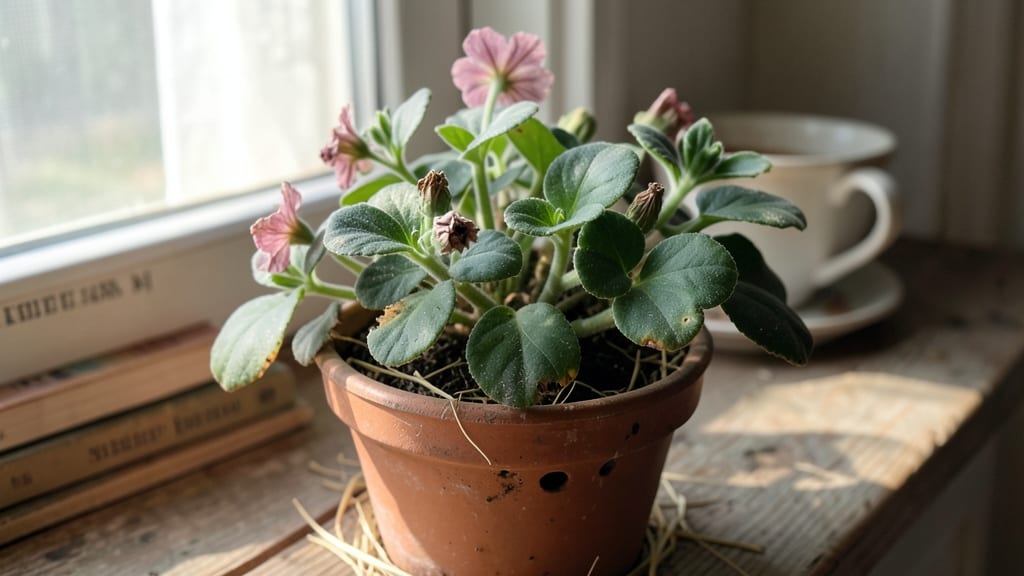
Wintering geranium plants means keeping those vibrant blooms coming back year after year—no matter how harsh your winter gets. 🌿 I’ve saved my geraniums through three winters now, and the secret isn’t complicated: it’s about timing, light, and a little patience.
The right approach turns what feels like a risky gamble into a foolproof way to enjoy your plants for seasons to come.
You’ll need just a few basics: a bright indoor spot (like a sunroom or south-facing window), clean pruners, and a small pot if you’re repotting. The key is cutting back stems by half and removing any yellow or damaged leaves before storage.
Geraniums hate soggy roots, so well-draining soil and a pot with drainage holes are non-negotiable—this prevents the rot that kills more overwintered plants than anything else.
By spring, you’ll have bushy, healthy plants ready to burst into bloom again, often producing flowers even before you move them outside. The first flush of pink, red, or white blooms in early spring is worth every minute of winter prep.
Plus, you’ll skip the disappointment of buying new plants every year—your geraniums become a living heirloom.
Mild winters? Skip the indoor move and mulch heavily instead. Harsh freezes? Bring them in and keep the soil just barely moist. Either way, the payoff is the same: geraniums that outlive store-bought annuals by years. Here’s how to make it happen without losing a single plant.
📚 In This Guide
- What you need
- Instructions
- Tips and common mistakes
- Wrapping up and next steps
What you need
- ● Geranium plants: Healthy, pest-free specimens (1–10, depending on your setup). Choose cold-hardy varieties like Geranium macrorrhizum or Geranium sanguineum.
- ● Containers (for indoor wintering): 3–6-inch pots with drainage holes (1 per plant).
- ○ Optional: Self-watering pots for convenience.
- ● Potting mix: Well-draining, sterile mix (e.g., 60% peat moss, 30% perlite, 10% compost). ~2–3 gallons per plant.
- ● Grow lights (indoor): LED or fluorescent (12–16 hours/day). 15–20W per plant for optimal growth.
- ● Mulch (outdoor): Straw, shredded leaves, or bark (2–3 inches thick). ~5–10 sq. ft. coverage per plant.
- ● Pruners: Sharp, sterilized bypass pruners (for trimming dead foliage).
- ● Fertilizer (low-nitrogen): Balanced 10-10-10 or organic options (e.g., fish emulsion). 1 tbsp per gallon of water.
- ● Insecticidal soap or neem oil: For pest control (e.g., spider mites, aphids).
- ● Humidity tray: For indoor plants in dry climates (pebbles + water).
- ● Thermometer/hygrometer: Monitor temps (ideal: 40–60°F) and humidity (40–50%).
- ● Cold frame or mini greenhouse: Extend outdoor wintering in zones 5–7.
- ● Rooting hormone: If propagating from cuttings.
Step-by-step guide to wintering Geranium plants
Here’s how I’ve kept my geraniums thriving through every winter—no green thumbs required.
🌿 Step 1: Assess Your Geraniums Before Frost
Start by examining each plant for healthy stems and foliage. Geraniums that are still blooming or have strong, green leaves can often handle a light frost, but once temperatures drop below 32°F, they’ll need protection. I always check the forecast first—if frost is predicted within 48 hours, it’s time to act.
Remove any dead or yellowing leaves with clean scissors. This prevents disease and helps the plant focus its energy on surviving the cold. If your geraniums are in containers, move them to a sheltered spot like a garage or under a patio cover before the first frost hits. For in-ground plants, mulching is key—spread a 2-3 inch layer of straw or shredded leaves around the base to insulate the roots.
🪴 Step 2: Dig Up and Pot Containers (If Needed)
If your geraniums are in pots or live in a climate with harsh winters, dig up tender varieties like Zonal or Ivy geraniums before the ground freezes. I wait until the first hard frost (28°F or lower) to give them one last chance to toughen up outdoors. Gently loosen the roots with a trowel and transfer them to slightly larger containers—this prevents root-bound stress during dormancy.
Use a well-draining potting mix (not garden soil) to avoid soggy roots, which rot in cold storage. Water the plants lightly before moving them indoors to keep the soil moist but not waterlogged. Place them in a cool, dark spot like a basement or unheated garage where temperatures stay between 35-45°F. Avoid heaters or sunny windows—they’ll trick the plant into thinking it’s spring and cause premature growth.
☀️ Step 3: Reduce Watering and Provide Minimal Light
Once geraniums are indoors, cut back on watering to every 2-3 weeks, just enough to keep the soil slightly moist. Overwatering is a common mistake—soggy soil leads to root rot, and geraniums in dormancy don’t need much hydration. I test the soil by sticking my finger 1 inch deep; if it’s dry, it’s time to water lightly.
Provide bright, indirect light for a few hours a day to mimic natural conditions. A north-facing window or a grow light on a timer works well. Avoid direct sunlight, which can cause leaves to scorch. You’ll know you’ve got the balance right when the stems stay firm and the leaves don’t yellow or wilt. If you notice leggy growth, your light levels are too low—move the plants closer to the source.
⏰ Step 4: Monitor and Prepare for Spring
Check your geraniums monthly for signs of pests like spider mites or fungal issues. Wipe leaves with a damp cloth if you spot dust or debris—this keeps them healthy until spring. Around late winter (February), you can start prepping them for the outdoors. Gradually increase light exposure and water slightly more often, but hold off on fertilizing until new growth appears.
When nighttime temperatures consistently stay above 40°F, it’s safe to move potted geraniums back outside for a few hours a day. Harden them off by slowly increasing their time outdoors over 1-2 weeks. For in-ground plants, wait until the last frost date in your area before uncovering them. You’ll see fresh, vibrant growth within 2-3 weeks—that’s your signal they’ve survived the winter and are ready to bloom again.
✂️ Step 5: Prune and Fertilize for New Growth
Once the danger of frost has passed, trim back any leggy or damaged stems to encourage bushier growth. I cut back about one-third of the plant, focusing on shaping it rather than removing too much at once. This step is crucial—it prevents the plant from becoming top-heavy and ensures energy goes into new blooms, not just leaves.
Fertilize lightly with a balanced, water-soluble fertilizer (like 10-10-10) diluted to half strength. Apply it every 4-6 weeks during the growing season to avoid overfeeding, which can weaken the plant. You’ll notice new leaves and buds within 3-4 weeks—that’s your reward for winter care well done.
Tips & tricks for wintering Geranium plants
Here’s what nobody tells you about keeping geraniums alive through winter—lessons I learned after losing my first batch.
The 48-Hour Rule: When frost is forecast within 48 hours, don’t wait until the last minute! Geraniums in containers need time to adjust to their new indoor environment. I’ve found that moving them to a sheltered spot like a garage or under a patio cover the day before frost hits gives their roots time to settle. For in-ground plants, that 2-3 inch layer of mulch becomes your best friend—it’s the difference between survival and sorry.
Temperature Matters: The sweet spot for overwintering geraniums is between 35-45°F. If your basement or garage gets warmer than that, you risk waking them up prematurely. I’ve seen geraniums start growing in February when placed too close to heat sources—then they’re shocked when real spring arrives. A cool, dark spot is key.
Lighting Secrets: Bright, indirect light is non-negotiable during dormancy. I’ve ruined geraniums by placing them in sunny south-facing windows—they’d get scorched leaves within days. A north-facing window or a simple grow light on a timer (just 4-6 hours daily) keeps them happy without stressing them out. You’ll know it’s working when the stems stay firm and leaves don’t yellow.
Pruning Precision: When you trim back those leggy stems in Step 5, don’t cut more than one-third of the plant at once. I made this mistake and nearly killed my geraniums—too much pruning stresses them out. Focus on shaping rather than drastic cuts. The goal is to encourage bushier growth, not shock the plant into dormancy mode again.
Pro Tips for Wintering Geranium Plants
- Here’s what nobody tells you about keeping geraniums alive through winter—lessons I learned after losing my first batch.
- The 48-Hour Rule: When frost is forecast within 48 hours, don’t wait until the last minute!
- Temperature Matters: The sweet spot for overwintering geraniums is between 35-45°F.
Frequently asked questions
Got questions about keeping your geraniums thriving through winter? You’re not alone! Here are some of the most common concerns—and straightforward answers to help your plants survive the cold.
Can geraniums survive winter outdoors without bringing them inside?
Most crane’s-bill geraniums (like G. macrorrhizum) are cold-hardy down to Zone 4 and can winter outdoors with proper prep. However, pelargoniums (common bedding geraniums) are not cold-hardy and need indoor care or protection. Mulch heavily and prune back foliage to protect roots.
What’s the best way to protect potted geraniums from freezing?
Move potted geraniums to a cool, bright spot (like a garage or shed) before temps drop below 30°F (-1°C). If no indoor space is available, wrap pots in bubble wrap or use straw mulch around the base. Avoid soggy soil—water sparingly to prevent root rot.
Should I cut back geraniums before winter?
Yes! Prune back dead or damaged foliage in fall to redirect energy to roots. For hardy geraniums, trim to 2–3 inches tall. For tender varieties, cut back by half before bringing indoors. Never prune in freezing temps—wait until daytime warmth.
What if my geraniums look sad after winter—are they dead?
Don’t panic! Geraniums often look leggy or bare after winter but may still be alive. Check for green stems at the base—if present, they’ll regrow. If only brown stubble remains, the plant may be gone. Pro tip: Wait until spring to repot or replant.
Are there any winter-friendly geranium alternatives?
If you love geraniums but struggle with winter care, try these cold-hardy alternatives:
- Hardy geraniums (G. macrorrhizum, G. endressii) – Survive Zone 3–4!
- Heuchera (coral bells) – Tough foliage, Zone 4–9.
- Sedum (stonecrop) – Drought-resistant, Zone 3–11.
- Lamium (dead nettle) – Shade-tolerant, Zone 4–9.
Wrapping up and next steps
Wintering your geranium plants doesn’t have to be a challenge—with the right care, you can bring them back stronger and enjoy those vibrant blooms year after year! 🌱 Whether you’re digging up tubers, protecting potted plants, or layering against frost, these tips ensure your geraniums thrive even in the coldest months. Now’s the perfect time to act—give your plants the love they deserve, and reward yourself with a burst of color come spring!
Next step: Pick your preferred method (digging, potting, or mulching) and get started before the first hard frost hits. Your future blooms will thank you! 🌸